×

Iraq🇮🇶 | citiesKarbalaImam Husayn shrine, pilgrimage crowds, ceremonial processions | things to do and best time to go

Explore MosulExplore Nasiriyah

Backpacking in Karbala
🏆 Top pickcity ranked #4
By Johan Kruseman 🇳🇱 | Updated September 23, 2026

Most people say they come to Karbala “for the shrine,” but if you’re a traveler, what actually matters more is how this city forces you to think about crowds, emotion, and logistics as one big strategy puzzle. Karbala sits in central Iraq, southwest of Baghdad, and feels far more focused and devotional than its louder neighbor Najaf. For backpackers, it’s intense but fascinating: the Imam Husayn and Abbas shrines, the old bazaar arteries around them, and the processional routes are the real draw; museums and parks are secondary. It’s cheap once you’re in, but peak pilgrimage sends prices and congestion through the roof. Meeting other foreign travelers is harder than in Baghdad or Erbil, yet locals are curious and usually protective. Security is heavy, which feels both reassuring and restrictive. Overall vibe: solemn, crowded, surprisingly organized—less “hangout city,” more “high-impact, short-stay experience.”

Discover everything you want to know in the 📖 Iraq Travel Guide.
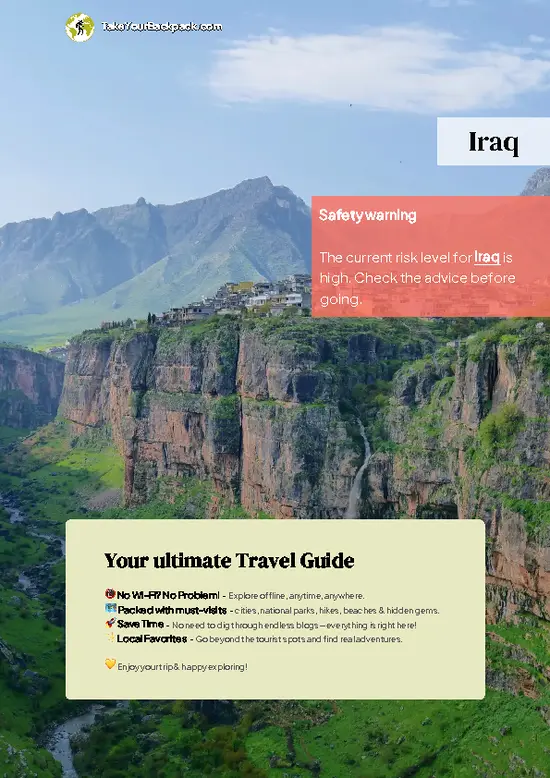
Safety warning

The current risk level for Iraq is high. Check the advice before going.


Loading the map 🌍
CLICK TO FILTER
cities
towns
landmarks
national parks
hikes
beaches
attractions
festivals
regions
SHOW COUNTRY’S BESTSHOW ALL

✨ Why go?
Ranked #4 city in Iraq
Why Karbala should be on your travel list

Karbala is a fascinating stop for backpackers, offering a unique blend of cultural depth and practical advantages. The city is a basecamp for day trips to nearby historical sites, making it a strategic choice for those wanting to explore more of Iraq’s rich heritage without the hassle of constant travel.

Accommodations are generally affordable, with several hostels that cater to budget travelers, providing a chance to meet fellow adventurers. The food scene is vibrant, with local eateries serving up delicious dishes that won’t break the bank. Plus, the city is walkable, allowing you to soak in the atmosphere without the need for taxis or public transport.

While nightlife isn’t the main draw, there are local cafes and spots to unwind after a day of exploration. If you’re looking to continue … read more 👉
Karbala is a fascinating stop for backpackers, offering a unique blend of cultural depth and practical advantages. The city is a basecamp for day trips to nearby historical sites, making it a strategic choice for those wanting to explore more of Iraq’s rich heritage without the hassle of constant travel.

Accommodations are generally affordable, with several hostels that cater to budget travelers, providing a chance to meet fellow adventurers. The food scene is vibrant, with local eateries serving up delicious dishes that won’t break the bank. Plus, the city is walkable, allowing you to soak in the atmosphere without the need for taxis or public transport.

While nightlife isn’t the main draw, there are local cafes and spots to unwind after a day of exploration. If you’re looking to continue your journey, Karbala is conveniently located for easy onward travel to other cities. This city suits those who appreciate authentic experiences and want to immerse themselves in a unique cultural landscape, making it more than just a quick stop.

💡 HighlightsKey sights and experiences for travelers

  1. Imam Husayn Shrine (Al-Husayn ibn Ali) — The spiritual heart of Karbala: an enormous, ornate complex where pilgrims come to pay respects, study, and experience the powerful atmosphere of devotion. The courtyard, golden dome, and zarih (metal lattice around the tomb) are things you’ll actually want to spend time with, not just photograph from outside.
  2. Al-Abbās Shrine (Al-Abbās ibn Ali) — Often visited together with Husayn’s shrine but worth its own entry: huge, beautifully lit, and full of symbolic art and relics. The approach and views across the two precincts give a real sense of why Karbala matters to millions.
  3. Shrine Museums and Treasure Rooms — Both holy complexes have small museums and display rooms with manuscripts, historical garments, weaponry, and donated gifts. They contextualize
… read more 👉
  1. Imam Husayn Shrine (Al-Husayn ibn Ali) — The spiritual heart of Karbala: an enormous, ornate complex where pilgrims come to pay respects, study, and experience the powerful atmosphere of devotion. The courtyard, golden dome, and zarih (metal lattice around the tomb) are things you’ll actually want to spend time with, not just photograph from outside.
  2. Al-Abbās Shrine (Al-Abbās ibn Ali) — Often visited together with Husayn’s shrine but worth its own entry: huge, beautifully lit, and full of symbolic art and relics. The approach and views across the two precincts give a real sense of why Karbala matters to millions.
  3. Shrine Museums and Treasure Rooms — Both holy complexes have small museums and display rooms with manuscripts, historical garments, weaponry, and donated gifts. They contextualize the martyrdom stories and shrine history far better than a guidebook.
  4. The Old Souqs around the Shrines — Narrow alleys full of vendors selling prayer beads, ritual cloths, religious prints, and local snacks. It’s the best place to watch everyday life tied to pilgrimage traditions and buy practical souvenirs without resorting to tourist traps.
  5. Hawza (Religious Seminaries) — Karbala’s theological schools are living institutions where you can see students, hear lectures (sometimes public), and feel the city’s role as a center of Shia learning. Visit quietly and respectfully; conversations with seminary students can be unexpectedly enlightening.
  6. Mawkibs and Pilgrim Kitchens — Large community-run tents and kitchens set up to feed pilgrims, especially visible during Ashura and Arbaeen but active year-round in many neighborhoods. Trying a simple meal and watching the volunteers in action is a hands-on way to understand local hospitality.
  7. Metalwork and Zarih Workshops — Small artisan shops where craftsmen hammer, engrave, and assemble the ornate metal screens (zarih) and ceremonial pieces used in the shrines. If a shop is open, you can see skilled work up close and sometimes talk to the makers about techniques and meanings.
  8. Karbala University and Cultural Spaces — A modern campus that contrasts with the city’s religious architecture. Public lectures, student life, and a quieter evening promenade give a different, contemporary slice of Karbala beyond pilgrimage traffic.
  9. Historic Neighborhood Streets and Pilgrim Routes — Walk the lanes that lead to the shrines—older houses, small teahouses, and community gathering spots. These streets show the lived-in, everyday Karbala: local rhythms, accordion-like courtyard spaces, and street-level rituals you won’t find in guidebooks.
  10. Local Cemeteries and Memorial Sites (small, community-run) — Scattered local burial grounds and modest memorials with plaques or gravestones tied to Karbala’s history. They’re quieter than the big shrines but offer a human, local perspective on how the city commemorates its past.
A few excellent day trips nearby: Najaf (Imam Ali Shrine and Wadi al-Salaam cemetery), the ruins of ancient Babylon near Hillah, and smaller historical sites around Hillah that make straightforward half- or full-day excursions from Karbala.
Spotted a mistake or missing something? Contact us.
🏘️ NeighborhoodsUnderstanding the local layout

Karbala offers a unique blend of spirituality and local culture, making it a fascinating stop for backpackers. Here’s how its neighborhoods stack up:

City Center: This is the heartbeat of Karbala. You’ll find bustling markets, street food, and easy access to the Imam Hussein Shrine. The vibe is energetic, perfect for those who thrive on activity. Costs are moderate, and everything is walkable. Ideal for short stays, but the noise might wear on you if you linger too long.

Al-Hindiya: A quieter alternative, this area is a short taxi ride from the main attractions. It’s more residential, giving you a taste of local life. Prices here are lower, and you can find cozy guesthouses. Walkability is decent, but you’ll need transport for major sights. Great for longer stays if you want a break from … read more 👉
Karbala offers a unique blend of spirituality and local culture, making it a fascinating stop for backpackers. Here’s how its neighborhoods stack up:

City Center: This is the heartbeat of Karbala. You’ll find bustling markets, street food, and easy access to the Imam Hussein Shrine. The vibe is energetic, perfect for those who thrive on activity. Costs are moderate, and everything is walkable. Ideal for short stays, but the noise might wear on you if you linger too long.

Al-Hindiya: A quieter alternative, this area is a short taxi ride from the main attractions. It’s more residential, giving you a taste of local life. Prices here are lower, and you can find cozy guesthouses. Walkability is decent, but you’ll need transport for major sights. Great for longer stays if you want a break from the hustle.

Al-Askari: Known for its serene parks and less touristy vibe, Al-Askari is perfect for those seeking peace. Costs are similar to the City Center, but the atmosphere is more relaxed. Walkable with some local cafes, it’s a good spot for longer stays, especially if you enjoy a slower pace.

Al-Mukhayyam: This area is a bit off the beaten path, offering a glimpse into everyday life. Prices are lower, and it’s less crowded. While transport is necessary to reach main attractions, the local charm makes it worthwhile. Best for longer stays if you want to immerse yourself in the culture.

⌛️ 1 dayHow to make the most of one day

Karbala, a city steeped in history and spirituality, draws visitors with its profound significance in Islamic culture. Home to the revered Imam Hussein Shrine, it’s a place where devotion and tradition intertwine. Spending a day here offers a unique glimpse into the heart of Iraqi life.

Start your morning at the bustling Al-Husseiniya neighborhood. Grab a traditional breakfast of *foul* (fava beans) and *khubz* (bread) from a local vendor. The aroma of spices and fresh bread fills the air, setting a vibrant tone for the day. After breakfast, make your way to the Imam Hussein Shrine. The intricate tile work and the atmosphere of reverence are palpable. Spend some time absorbing the spiritual energy and observing the rituals that take place.

In the afternoon, wander through the nearby Al-Askari … read more 👉
Karbala, a city steeped in history and spirituality, draws visitors with its profound significance in Islamic culture. Home to the revered Imam Hussein Shrine, it’s a place where devotion and tradition intertwine. Spending a day here offers a unique glimpse into the heart of Iraqi life.

Start your morning at the bustling Al-Husseiniya neighborhood. Grab a traditional breakfast of *foul* (fava beans) and *khubz* (bread) from a local vendor. The aroma of spices and fresh bread fills the air, setting a vibrant tone for the day. After breakfast, make your way to the Imam Hussein Shrine. The intricate tile work and the atmosphere of reverence are palpable. Spend some time absorbing the spiritual energy and observing the rituals that take place.

In the afternoon, wander through the nearby Al-Askari neighborhood. Here, you’ll find the smaller but equally captivating Al-Askari Shrine. It’s less crowded, allowing for a more intimate experience. Afterward, take a stroll along the Tigris River. The riverside is a perfect spot to relax and watch local life unfold. Grab a refreshing *chai* from a nearby café, where you can chat with locals who are often eager to share stories about their city.

As evening approaches, head back to the heart of Karbala for dinner. Look for a family-run restaurant serving *kebab* and *biryani*. The flavors are rich, and the hospitality is warm. For a unique twist, visit the Al-Mukhayyam area, where you can find a local artisan crafting traditional goods. This isn’t on the standard tourist path, but it’s a chance to connect with the local culture.

By the end of the day, you’ll have experienced the essence of Karbala—its spirituality, its community, and its flavors—making your visit truly memorable.

🌤️ When to go?Seasonal considerations and timing

  • Weather: Karbala’s climate is desert-arid, meaning scorching summers and mild winters. From June to August, temperatures soar above 40°C (104°F), making daytime trekking brutal and dehydrating. The sweet spot is between November and March when highs hover around 18-22°C (64-72°F), perfect for walking without melting or freezing.
  • Temperature: Nights can dip sharply in winter, sometimes down to 5°C (41°F), so pack layers. Spring and autumn offer a comfortable range, avoiding the extremes that sap energy and patience.
  • Daylight Hours: In winter, daylight shrinks to about 10 hours, limiting your hiking window. Summer stretches daylight to nearly 14 hours but pairs with unbearable heat, forcing early starts or late finishes.
  • Crowds: Karbala is a pilgrimage hotspot, especially during Arbaeen
… read more 👉
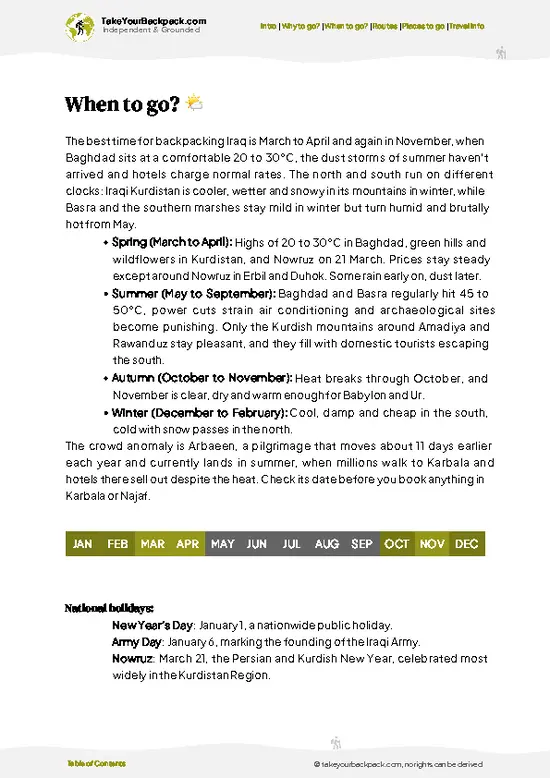
  • Weather: Karbala’s climate is desert-arid, meaning scorching summers and mild winters. From June to August, temperatures soar above 40°C (104°F), making daytime trekking brutal and dehydrating. The sweet spot is between November and March when highs hover around 18-22°C (64-72°F), perfect for walking without melting or freezing.
  • Temperature: Nights can dip sharply in winter, sometimes down to 5°C (41°F), so pack layers. Spring and autumn offer a comfortable range, avoiding the extremes that sap energy and patience.
  • Daylight Hours: In winter, daylight shrinks to about 10 hours, limiting your hiking window. Summer stretches daylight to nearly 14 hours but pairs with unbearable heat, forcing early starts or late finishes.
  • Crowds: Karbala is a pilgrimage hotspot, especially during Arbaeen (October/November). Expect massive crowds then, which can overwhelm a backpacker seeking quiet exploration. Off-peak months offer a more manageable flow of visitors.
  • Seasonal Activities: Religious events dominate the calendar, shaping the city’s rhythm. Outside pilgrimage seasons, local markets and cultural sites are more accessible and less chaotic, giving you space to absorb the city’s character.
  • Price Fluctuations: Accommodation and transport costs spike during major religious events due to demand. Traveling off-season means better deals and more bargaining power, stretching your budget further.
Pro-tip: Aim for late autumn or early spring to balance cool weather, manageable crowds, and wallet-friendly prices—turning Karbala into a strategic win rather than a logistical headache.


source: climatestotravel.comJANJanuary: excellent for travelingFEBFebruary: excellent for travelingMARMarch: highly recommended for travelingAPRApril: highly recommended for travelingMAYMay: fair for travelingJUNJune: below average for travelingJULJuly: below average for travelingAUGAugust: below average for travelingSEPSeptember: good for travelingOCTOctober: fair for travelingNOVNovember: fair for travelingDECDecember: excellent for traveling
when-to-go

✈️ The backpacker research shortcutIraq Travel Guide

An offline-friendly backpacking guide with optimized travel routes, ranked highlights, transport advice, and the best areas to stay.
example page 0 from our offline Travel Guide for Iraq
example page 1 from our offline Travel Guide for Iraq
example page 2 from our offline Travel Guide for Iraq
example page 3 from our offline Travel Guide for Iraq
example page 4 from our offline Travel Guide for Iraq
example page 5 from our offline Travel Guide for Iraq
example page 6 from our offline Travel Guide for Iraq
example page 7 from our offline Travel Guide for Iraq
The digital guide (344 pages) contains:
✅ 99 highlights, ranked by travel appeal
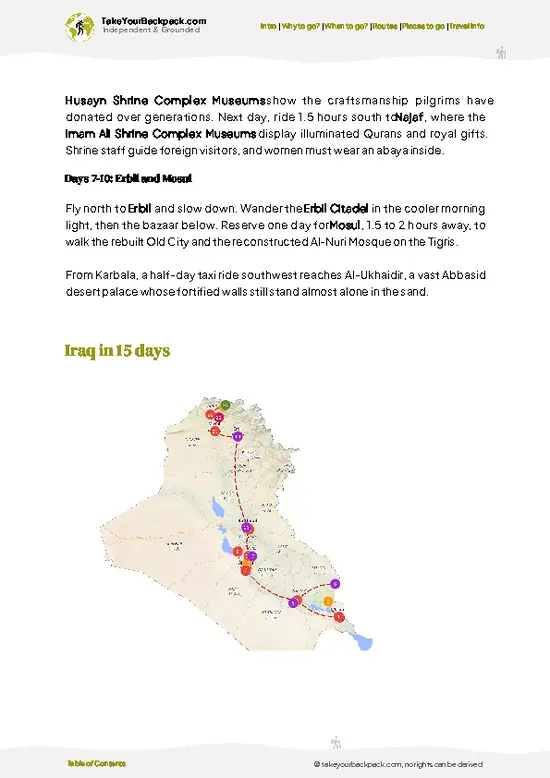
✅ Optimized 5, 10 & 15-day travel routes
✅ Cities, national parks, landmarks, beaches
✅ How to get around
✅ Offline-friendly for travel without Wi-Fi
👉 Click to see all 30+ guide features

📅 Plan smarter in minutes, not weeks
✅ Month by month travel advice
✅ Festivals & national holidays
✅ Budget expectations

🗺️ Go to the right places, skip the overrated ones
✅ Honest pros & cons of destinations
✅ Top hikes, parks & viewpoints
✅ Lesser-known places most travelers miss
✅ Clear “worth it vs skip it” guidance

🛏️ Travel smoothly without rookie mistakes
✅ Best areas to stay
✅ Transport systems explained simply
✅ Common scams & safety advice
✅ SIM cards, money & practical tips

🌍 Understand the country, not just visit it
✅ Culture & traditions
✅ 52 Essential phrases & customs
✅ Festivals worth planning around
✅ Traveler-friendly historical context
✅ Insights that make places more meaningful

📱 Built for real travel conditions
✅ Fully downloadable PDF
✅ Works completely offline
✅ Optimized for phone use
✅ Useful in remote areas & buses
✅ Everything in one place
Save weeks of stressful planning
Get instant access to your full guide. 30‑day money-back guarantee.
+ Add another guide for just

By proceeding you agree to our terms.
Sent to your inbox immediately after payment • 100% Secure Checkout
Best Backpacking Travel Advisor 2025 tourism awardBest Backpacking
Travel Advisor
2025
What others say about Take Your Backpack Guides:
⭐⭐⭐⭐⭐
Fantastic, amazing amount of information!
⭐⭐⭐⭐⭐
My goodness this is amazing, it's what I've been looking for hats off too you!
⭐⭐⭐⭐⭐
I think this is absolutely BRILLIANT
⭐⭐⭐⭐
Very complete and informative. It's still missing places, but I gotta to commend you
⭐⭐⭐⭐⭐
This is truly amazing, thank you, can't wait to explore it with my kids!
⭐⭐⭐⭐⭐
Awesome resource, thank you!
⭐⭐⭐⭐⭐
This is amazing! Can't wait to explore the ones I haven't seen
⭐⭐⭐⭐
I love this! Well done, great idea.
⭐⭐⭐⭐⭐
Thanks for taking the time to make this gem!
⭐⭐⭐⭐⭐
This might be the best website I've ever seen.
⭐⭐⭐⭐⭐
Congratulations, and thank you so much for your work; it's incredibly valuable.
⭐⭐⭐⭐
In all seriousness I think you did a great job pointing out the important spots
⭐⭐⭐⭐⭐
10/10 very good
⭐⭐⭐⭐⭐
As someone who's only just starting to visit regularly this is awesome, thank you.
⭐⭐⭐⭐
Thank you very much! I'm going to visit my dad, it's going to be very useful!
⭐⭐⭐⭐⭐
This is really cool! We'll be travelling for the first time and this definitely come in handy.
⭐⭐⭐⭐⭐
You are now our minister of culture, congratulations 👨‍💼
⭐⭐⭐⭐⭐
Just wanted to tell you that this is a pearl! Going to follow your recommendations.
⭐⭐⭐⭐⭐
This is so cool. I'll definitely be using the resource for my travels soon.
⭐⭐⭐⭐⭐
This is very impressive! Good work.
⭐⭐⭐⭐⭐
This is an amazing and informative site. Very well done!

🛏️ Where to stay?Best areas to stay in Iraq

In Karbala, the real backpacker sweet spot lies around the old city center, close to the Imam Husayn Shrine. This area is the heartbeat of the city—safe, bustling, and packed with pilgrims and travelers who share your budget-conscious mindset. Staying here means you’re in the thick of it: street vendors hawking local snacks, prayer calls echoing, and a steady flow of people creating a social atmosphere that’s hard to beat. It’s not luxury, but it’s authentic and alive.

Hostels are sparse but present, mostly modest guesthouses that cater to solo travelers and groups alike. These spots offer basic … read more 👉
In Karbala, the real backpacker sweet spot lies around the old city center, close to the Imam Husayn Shrine. This area is the heartbeat of the city—safe, bustling, and packed with pilgrims and travelers who share your budget-conscious mindset. Staying here means you’re in the thick of it: street vendors hawking local snacks, prayer calls echoing, and a steady flow of people creating a social atmosphere that’s hard to beat. It’s not luxury, but it’s authentic and alive.

Hostels are sparse but present, mostly modest guesthouses that cater to solo travelers and groups alike. These spots offer basic comfort without the tourist price tag, and more importantly, they put you within walking distance of the city’s spiritual and cultural core. Compared to newer, more residential neighborhoods, this central zone trades off some modern amenities for unbeatable access and a vibe that’s both communal and contemplative.

If you stray too far into the suburbs or newer developments, you’ll find quieter streets but lose the pulse of Karbala’s unique energy. For backpackers, the choice is clear: prioritize proximity and social connection over sterile comfort. This is where your time and money stretch furthest, and where the city’s character reveals itself most honestly.

🚌 Getting aroundHow to get from A to B

Karbala moves with a pulse that’s part ancient ritual, part modern hustle. It’s not a city where you’ll find neat timetables or predictable rhythms. Instead, the flow here is a dance between fixed tradition and spontaneous energy. The streets fill and empty with waves of pilgrims, locals, and vendors, all weaving through a landscape where time bends around devotion and necessity. Your transit choices in Karbala aren’t just about getting from A to B—they’re about reading the city’s tempo and deciding how much time, money, and comfort you’re willing to trade for the experience.
  • Walking: The ultimate budget option and the best way to soak in Karbala’s atmosphere. Most holy sites and markets cluster within a few kilometers, so you can cover a lot on foot. It’s free, flexible, and immersive, but
… read more 👉
Karbala moves with a pulse that’s part ancient ritual, part modern hustle. It’s not a city where you’ll find neat timetables or predictable rhythms. Instead, the flow here is a dance between fixed tradition and spontaneous energy. The streets fill and empty with waves of pilgrims, locals, and vendors, all weaving through a landscape where time bends around devotion and necessity. Your transit choices in Karbala aren’t just about getting from A to B—they’re about reading the city’s tempo and deciding how much time, money, and comfort you’re willing to trade for the experience.
  • Walking: The ultimate budget option and the best way to soak in Karbala’s atmosphere. Most holy sites and markets cluster within a few kilometers, so you can cover a lot on foot. It’s free, flexible, and immersive, but expect heat and crowds, especially midday. Walking lets you control your pace and timing, but it’s the slowest option if you’re on a tight schedule.
  • Shared Taxis: These are informal, often minivan-style rides that run set routes between major points like the Imam Husayn Shrine and the city outskirts. Prices hover around 500 to 1,000 IQD (less than a dollar), making them cheap but not always comfortable—expect cramped quarters and no air conditioning. They run from early morning until late evening but don’t follow strict schedules, so you might wait or jump in mid-route.
  • City Buses: Karbala’s bus network is limited but functional for budget travelers. Buses run roughly from 6 AM to 8 PM, with fares around 1,000 IQD. They’re slower than taxis and less frequent, but offer a stable, if basic, level of comfort and shelter from the sun. If you’re prioritizing cost over speed, buses are a solid choice, though routes can be confusing without local help.
  • Motorcycle Taxis (Bajaj): These three-wheeled vehicles are everywhere and perfect for short hops through traffic. They’re faster than walking and cheaper than private taxis, usually costing 1,000 to 2,000 IQD per ride. Comfort is minimal, and safety standards vary, but if you’re nimble and budget-conscious, they’re a quick way to cut through the city’s pulse. They operate from dawn till late night, offering flexibility but little predictability.
  • Private Taxis: For those who want comfort and speed without breaking the bank, private taxis offer door-to-door service. Expect to pay 5,000 IQD or more depending on distance. They’re available 24/7 and provide air conditioning and privacy, but you’re trading money for convenience. Negotiating fares upfront is essential to avoid surprises.

Understanding Karbala’s transit options is about balancing your priorities. If time is tight, private taxis or motorcycle taxis get you moving fast but cost more. If you want to save money and soak in the city’s rhythm, walking and shared taxis are your allies, though they demand patience and a willingness to embrace unpredictability. Buses sit in the middle—cheap but slower, offering a glimpse of local life without the chaos. Your choice here isn’t just logistics; it’s a strategic move in the game of travel trade-offs, where every minute, dinar, and degree of comfort shapes the story you’ll tell.

👛 Costs (as of 23 September 2026)Travel costs and budget guide for Karbala

Backpacking in Karbala, Iraq, offers a unique blend of cultural depth and straightforward costs, but understanding the trade-offs between time, money, and comfort here is key to making smart choices.
  • Dorm Accommodation (High Season): During peak pilgrimage times, dorm beds in budget guesthouses or hostels can spike to around $15-$20 per night. Availability tightens, so booking ahead saves time and stress.
  • Dorm Accommodation (Off-Season): Outside of major religious events, prices drop to about $7-$12 per night. The trade-off is fewer fellow travelers and a quieter atmosphere, which some find more rewarding.
  • Meals: Street food and local eateries serve filling meals for $2-$5. Opting for traditional dishes like kebabs or falafel keeps costs low without sacrificing flavor or authenticity.
… read more 👉
Backpacking in Karbala, Iraq, offers a unique blend of cultural depth and straightforward costs, but understanding the trade-offs between time, money, and comfort here is key to making smart choices.
  • Dorm Accommodation (High Season): During peak pilgrimage times, dorm beds in budget guesthouses or hostels can spike to around $15-$20 per night. Availability tightens, so booking ahead saves time and stress.
  • Dorm Accommodation (Off-Season): Outside of major religious events, prices drop to about $7-$12 per night. The trade-off is fewer fellow travelers and a quieter atmosphere, which some find more rewarding.
  • Meals: Street food and local eateries serve filling meals for $2-$5. Opting for traditional dishes like kebabs or falafel keeps costs low without sacrificing flavor or authenticity.
  • Local Transport: Shared taxis and minibuses dominate, with fares typically under $1 per ride. This is a budget-friendly but sometimes slow option, especially during rush hours.
  • City Transport Pass: Karbala doesn’t have a formal city transport pass system. Relying on individual rides means you pay per trip, which can add up if you move around a lot.
  • Basic Activities/Entry Fees: Most religious sites and cultural landmarks in Karbala are free or ask for a small donation, usually under $2. Guided tours, if available, can cost $10-$15 but are not essential for independent travelers.
  • Miscellaneous Expenses: Budget around $3-$5 daily for bottled water, snacks, and occasional small purchases like SIM cards or toiletries. These add up but remain manageable.

In sum, a backpacker in Karbala can expect to spend roughly $15 to $35 per day, depending on season and personal comfort choices. The key trade-off is between paying a premium for convenience and timing during high season versus embracing slower, more flexible travel off-season. Understanding these dynamics lets you control your experience rather than letting the city’s rhythms dictate your budget.
⚠️ Prices can change and everyone travels differently, so take this as a rough guide. Hope it helps you plan your adventure!

🚌 Day tripsEasy escapes and nearby places

Karbala is a fantastic base for exploring the rich tapestry of Iraq’s history and culture. With its strategic location, you can dive into some truly rewarding day trips without breaking the bank.

The Marshes of Al-Qadisiyyah
Just a couple of hours from Karbala, the Marshes offer a unique glimpse into a world where nature and tradition collide. You can paddle through the reeds, spotting water buffalo and local fishermen. The best time to visit is spring when the flora is lush and the weather is mild. Expect to spend around $15 for transportation and a boat ride. A common mistake? Not hiring a local guide; they’ll enrich your experience with stories and insights that you won’t find in any guidebook.


Ancient Babylon
A mere hour’s drive will take you to the ruins of Babylon, where you can … read more 👉
Karbala is a fantastic base for exploring the rich tapestry of Iraq’s history and culture. With its strategic location, you can dive into some truly rewarding day trips without breaking the bank.

The Marshes of Al-Qadisiyyah
Just a couple of hours from Karbala, the Marshes offer a unique glimpse into a world where nature and tradition collide. You can paddle through the reeds, spotting water buffalo and local fishermen. The best time to visit is spring when the flora is lush and the weather is mild. Expect to spend around $15 for transportation and a boat ride. A common mistake? Not hiring a local guide; they’ll enrich your experience with stories and insights that you won’t find in any guidebook.


Ancient Babylon
A mere hour’s drive will take you to the ruins of Babylon, where you can walk among the remnants of one of the world’s oldest cities. The sheer scale of the site is awe-inspiring, and you can almost hear the whispers of history. Entry fees are around $5, plus transportation costs. Aim for early morning visits to avoid the heat and crowds. First-timers often underestimate the size of the site; wear comfortable shoes and be prepared to wander.
👉 Explore Babylon

Najaf
Just 30 minutes away, Najaf is a spiritual hub that’s worth the trip. The Imam Ali Shrine is a stunning architectural marvel, and the atmosphere is electric with devotion. You can easily spend a few hours soaking in the ambiance. Budget about $10 for transport and snacks. The best time to go is during the cooler months, but avoid major religious holidays unless you’re ready for large crowds. A common pitfall? Not respecting local customs; dress modestly and be mindful of your surroundings.
👉 Explore Najaf

Kufa
Another quick jaunt from Karbala, Kufa is rich in Islamic history. The Great Mosque of Kufa is a must-see, and you can also explore ancient ruins nearby. The trip takes about 45 minutes and will cost around $8 for transport. Late afternoon is ideal for a visit, as the light casts a beautiful glow on the mosque. Many first-timers miss the chance to chat with locals; don’t hesitate to engage—they often have fascinating stories to share.


The Desert of Al-Anbar
For the adventurous spirit, a day trip to the Al-Anbar desert is exhilarating. It’s about a two-hour drive, and you can join a local tour for around $20. The vastness of the desert is humbling, and you might even spot some ancient ruins. Fall and spring are the best seasons to avoid the scorching heat. A common mistake is underestimating the desert’s conditions; bring plenty of water and sun protection.

🍲 FoodWhat to Eat & Drink

In Karbala, the food scene is a vibrant tapestry of flavors that tells the story of its rich culture. Start with kebabs, marinated and grilled to perfection, often served with warm, fluffy pita. The smoky aroma wafts through the air, drawing you into bustling street stalls where locals gather.

Don’t miss out on biryani, a fragrant rice dish layered with tender meat and spices. Each bite is a celebration of the region’s culinary heritage. Pair it with a refreshing glass of doogh, a yogurt-based drink that cools the palate and complements the spices beautifully.

Markets are the heartbeat of Karbala’s food culture. Here, you’ll find vendors selling sweets like baklava and maamoul, rich pastries that are perfect for a mid-afternoon pick-me-up. Eating is communal; locals often share dishes, … read more 👉
In Karbala, the food scene is a vibrant tapestry of flavors that tells the story of its rich culture. Start with kebabs, marinated and grilled to perfection, often served with warm, fluffy pita. The smoky aroma wafts through the air, drawing you into bustling street stalls where locals gather.

Don’t miss out on biryani, a fragrant rice dish layered with tender meat and spices. Each bite is a celebration of the region’s culinary heritage. Pair it with a refreshing glass of doogh, a yogurt-based drink that cools the palate and complements the spices beautifully.

Markets are the heartbeat of Karbala’s food culture. Here, you’ll find vendors selling sweets like baklava and maamoul, rich pastries that are perfect for a mid-afternoon pick-me-up. Eating is communal; locals often share dishes, so don’t hesitate to join in.

When it comes to etiquette, it’s customary to eat with your right hand, a gesture of respect. Embrace the local pace—meals can be leisurely, allowing you to soak in the lively atmosphere. This isn’t just about food; it’s about connection, flavor, and the spirit of Karbala.

🛡️ SafetyScams, Hazards, and Annoyances

Karbala is generally safe for travelers, but a few situational awareness tips can enhance your experience. Stick to well-trodden paths, especially around the Imam Hussein Shrine, where crowds can be overwhelming. Keep your belongings close; pickpocketing can occur in busy areas, particularly during religious events.

If you’re traveling solo, avoid wandering too far after dark. While the city is welcoming, navigating unfamiliar streets at night can be tricky. Use local taxis or rideshare apps when possible.

Watch for common scams, like overly friendly locals offering unsolicited help that leads to a fee. Politely decline and trust your instincts. Everyday annoyances might include persistent vendors; a firm but friendly “no, thank you” usually does the trick. Carry yourself with confidence, … read more 👉
Karbala is generally safe for travelers, but a few situational awareness tips can enhance your experience. Stick to well-trodden paths, especially around the Imam Hussein Shrine, where crowds can be overwhelming. Keep your belongings close; pickpocketing can occur in busy areas, particularly during religious events.

If you’re traveling solo, avoid wandering too far after dark. While the city is welcoming, navigating unfamiliar streets at night can be tricky. Use local taxis or rideshare apps when possible.

Watch for common scams, like overly friendly locals offering unsolicited help that leads to a fee. Politely decline and trust your instincts. Everyday annoyances might include persistent vendors; a firm but friendly “no, thank you” usually does the trick. Carry yourself with confidence, and you’ll blend in seamlessly while enjoying the rich culture Karbala has to offer.

FAQTraveler FAQ

2 to 3 days are sufficient to explore Karbala's main sites, including the Imam Hussein Shrine and Al-Abbas Shrine. This allows time for religious visits and experiencing local culture. Additional days may be needed during religious events like Arbaeen.
No, Karbala is generally not considered safe for solo backpackers due to political tensions and security concerns in Iraq. Traveling with a group or local guide is strongly recommended. Always stay updated on travel advisories before visiting.
Karbala is known for its religious significance as the site of the Battle of Karbala and the martyrdom of Imam Hussein. It attracts millions of Shia Muslim pilgrims annually, especially during Ashura and Arbaeen. The city is also famous for its grand shrines and religious ceremonies.
⚠️ Things can change over time, so always validate details locally before you go.

Other Iraqi cities near Karbala

Explore more nearby:

  • Al Hillah—Babylon ruins, Euphrates canals, university district| 41 km away
  • Najaf—Imam Ali shrine, cemetery expanse, scholarly centers| 70 km away
  • Fallujah—Euphrates bridges, urban sprawl, local bakeries| 87 km away

💡 Not sure where to go next?
Create a personalized itinerary for Iraq including Karbala and the places that fit your trip.

Generate my itinerary

👉 Discover all cities

Or checkout all Iraq has to offer (think cities, towns, villages, national parks, hikes, beaches, festivals)
Country photo of Iraq

We 💚 feedbackSumming up the experience

Karbala is a whirlwind of devotion and history. The energy during Ashura is palpable; you’ll feel it in your bones. Don’t miss the local street food—try the kebabs; they’ll surprise you with their flavor. Just a heads-up: the crowds can be intense, especially during pilgrimage seasons. Embrace it. It’s part of the experience. You’ll leave with a deeper understanding of faith and community that’s hard to find elsewhere. Trust me, it’s worth the journey.

✍️ Help improve this page!
The information on this page is based on in-depth research, insights shared by experienced travelers, and feedback from the local travel community in Iraq. While every effort is made to keep the information accurate and current, conditions can change — so if you spot anything incorrect or outdated, please get in touch.


🙋‍♂️ Give feedback

👋 Meet the founderWho’s Behind Take Your Backpack?

Johan, backpacker and founder of TakeYourBackpackHi, I’m Johan (Netherlands 🇳🇱), the creator of TakeYourBackpack. Over the past 3 decades, I’ve backpacked through 90+ countries across six continents, gaining extensive experience with independent travel, long-term trips, and overland routes.

This site is built on a combination of firsthand travel experience and carefully curated insights from other backpackers. Many guides are based on places I’ve personally visited, while others bring together tips, observations, and practical advice shared by trusted travelers I’ve met along the way.

The goal is to provide realistic, experience-driven guidance — not generic itineraries — so you can explore destinations with better context, clearer expectations, and more confidence.