
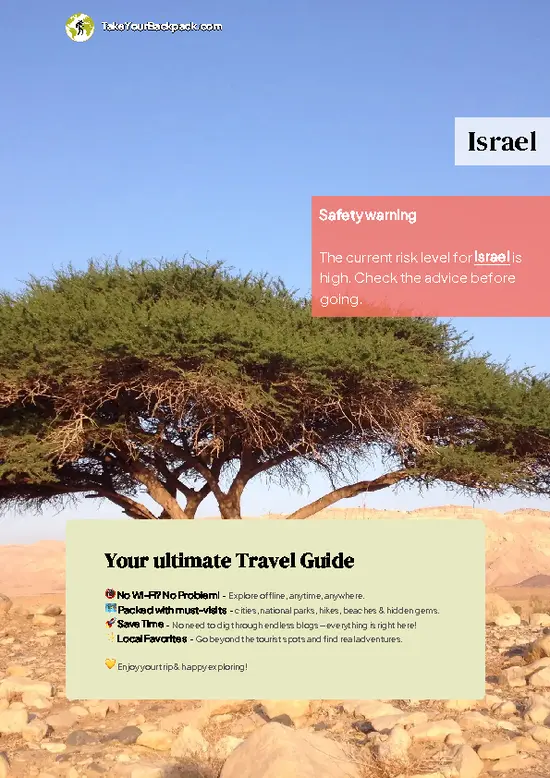
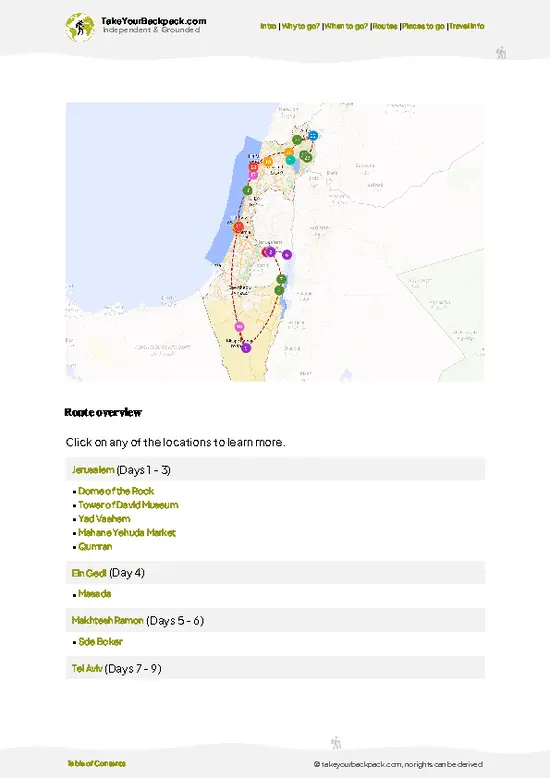
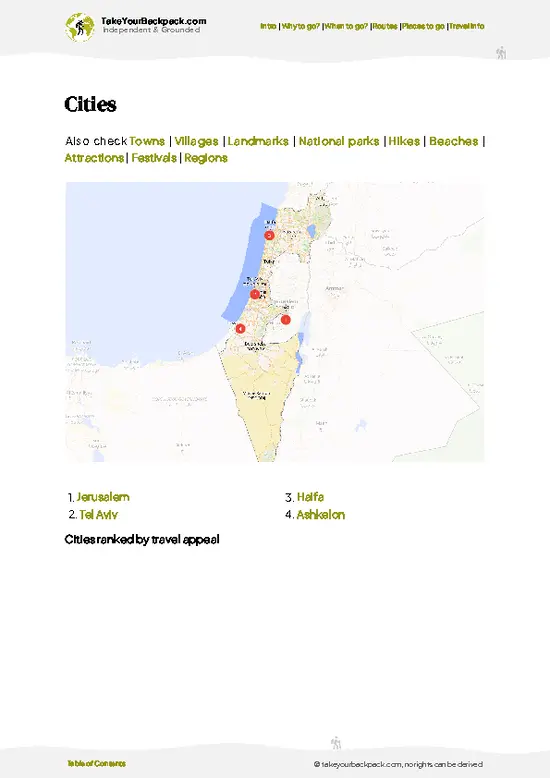
- Qumran ruins (the settlement layout) — Walk among stone foundations, terraces and rooms laid out in tight clusters; the pattern of living quarters, communal rooms and storage gives a tangible sense of the small, organized community that lived here when the Dead Sea Scrolls were hidden. It’s the best place to imagine daily life rather than just read about it.
- Ritual baths (miqva’ot) — A striking concentration of stepped, plastered baths carved into the rock. The number and precision of these baths point to strict purity practices and make Qumran unusually visible as a place organized around ritual life, not just simple domestic occupation.
- Storage rooms and jar fragments — See the storage cells and the spots where clay scroll jars were stored or found; scattered pottery shards and reconstructed
- Qumran ruins (the settlement layout) — Walk among stone foundations, terraces and rooms laid out in tight clusters; the pattern of living quarters, communal rooms and storage gives a tangible sense of the small, organized community that lived here when the Dead Sea Scrolls were hidden. It’s the best place to imagine daily life rather than just read about it.
- Ritual baths (miqva’ot) — A striking concentration of stepped, plastered baths carved into the rock. The number and precision of these baths point to strict purity practices and make Qumran unusually visible as a place organized around ritual life, not just simple domestic occupation.
- Storage rooms and jar fragments — See the storage cells and the spots where clay scroll jars were stored or found; scattered pottery shards and reconstructed jars show exactly how fragile scrolls were tucked away for safekeeping. It’s one thing to know about the jars, another to stand where they were stacked.
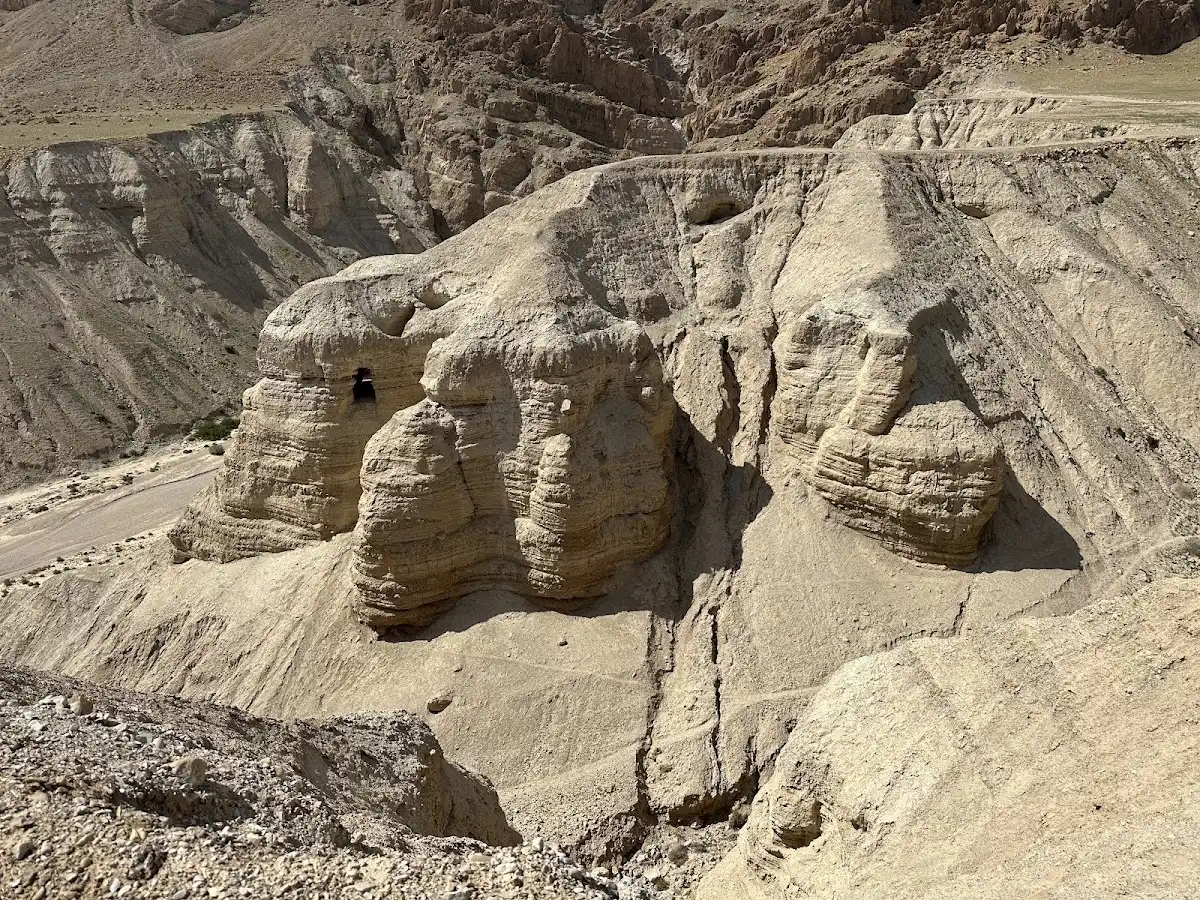
- The cave openings (site of the Dead Sea Scroll finds) — You can view the caves (like Cave 1 and the locations of others) from the trails and interpretive signs. You won’t go inside — most caves are sealed — but standing by them makes the discovery story real: these are the cavities that preserved texts for two millennia.
- Scribal tools and inkwells — Small, everyday objects like inkwells, ostraca (potsherd notes) and writing implements were found here. They’re tiny but powerful: they show the practical side of producing and copying religious texts, not just the finished manuscripts in a museum.
- Qumran Visitor Center exhibits and short film — The on-site displays, replicas and the short orientation film do a good job of knitting together archaeology, history and the scrolls’ discovery. Useful if you only have an hour and want clear context before wandering the site.
- Panoramic view of the Dead Sea and Judean Desert — The sweep of arid cliffs dropping to the salty mirror of the Dead Sea is unforgettable and explains why organic materials survived here. The light and empty space add a kind of humbling scale to the ruins — personal favorite for photography and just sitting still for a few minutes.
Spotted a mistake or missing something? Contact us.

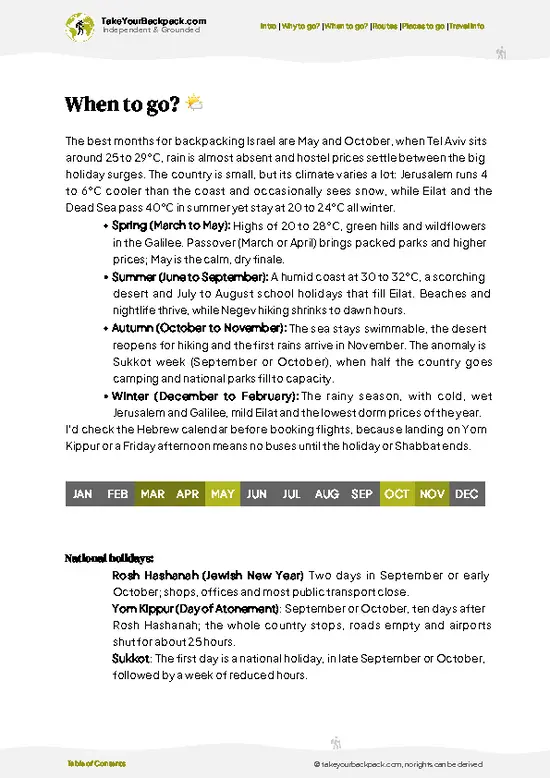
 Best Backpacking

 Hi, I’m Johan (Netherlands 🇳🇱), the creator of TakeYourBackpack. Over the past 3 decades, I’ve backpacked through 90+ countries across six continents, gaining extensive experience with independent travel, long-term trips, and overland routes.