
The Western Wall Itself—From Below
Forget the postcard view above ground. Down here, you’re face-to-face with the raw, ancient stones—some the size of a city bus—laid by Herod’s engineers over 2,000 years ago. You can actually touch the bedrock of Jewish history, not just snap a selfie from the plaza. The scale is humbling, and the silence is a world away from the crowds jostling above. This is the Wall’s true backbone, and it feels like standing inside a living time capsule.
The Massive Western Stone
This isn’t just a big rock. At 570 tons, it’s one of the largest building blocks ever used in human construction, and nobody really knows how they moved it here. You stand next to it and realize: the ancients didn’t mess around. It’s a flex of engineering muscle that still baffles modern architects. … read more 👉
The Western Wall Itself—From Below
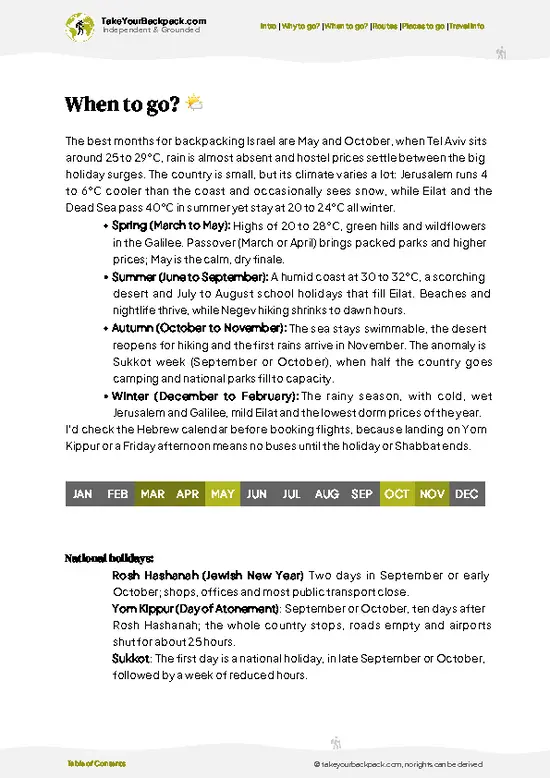
Forget the postcard view above ground. Down here, you’re face-to-face with the raw, ancient stones—some the size of a city bus—laid by Herod’s engineers over 2,000 years ago. You can actually touch the bedrock of Jewish history, not just snap a selfie from the plaza. The scale is humbling, and the silence is a world away from the crowds jostling above. This is the Wall’s true backbone, and it feels like standing inside a living time capsule.
The Massive Western Stone
This isn’t just a big rock. At 570 tons, it’s one of the largest building blocks ever used in human construction, and nobody really knows how they moved it here. You stand next to it and realize: the ancients didn’t mess around. It’s a flex of engineering muscle that still baffles modern architects. If you want to feel small—in the best possible way—this is the spot.
The Warren’s Gate
Buried deep in the tunnels, this blocked-up archway once led directly onto the Temple Mount. For centuries, it was a secret synagogue, hidden from the authorities. Today, it’s a quiet, candle-lit alcove where you’ll often see people praying in total silence. The sense of secrecy and resilience here is palpable. It’s not just a relic; it’s a living piece of spiritual resistance.
The Hasmonean Aqueduct
This isn’t your average trickle of ancient plumbing. The aqueduct is a feat of underground engineering, channeling water through solid rock to keep the city alive. You can walk alongside the original channel, tracing the literal lifeline of Jerusalem. It’s a reminder that survival here was always about more than just faith—it was about ingenuity.
The Struthion Pool
Hidden beneath the city, this vast, echoing reservoir is straight out of an Indiana Jones set. The Romans built it, and the Crusaders later turned it into a fortress. The acoustics are eerie, the air is cool, and the sense of layered history is almost physical. This is where the city’s secrets pool—literally.
The Secret Passageways (Personal Favorite)
If you want to feel like you’ve slipped through the cracks of history, this is it. Some sections of the tunnels are so narrow you have to turn sideways, and the stone is worn smooth by centuries of footsteps. You’re not just seeing history—you’re moving through it, ducking under arches and squeezing past ancient walls. It’s the closest you’ll get to time travel in Jerusalem, and every step feels like you’re in on a secret the city only shares with the bold.
Spotted a mistake or missing something? Contact us.


 Best Backpacking

 Hi, I’m Johan (Netherlands 🇳🇱), the creator of TakeYourBackpack. Over the past 3 decades, I’ve backpacked through 90+ countries across six continents, gaining extensive experience with independent travel, long-term trips, and overland routes.