×

Italy🇮🇹 | townsAlberobelloTrulli houses, whitewashed lanes, rural Apulia | things to do and best time to go

Explore Val d’OrciaExplore Amalfi

Backpacking in Alberobello
🌟 Highlighttown ranked #7
By Johan Kruseman 🇳🇱 | Updated September 4, 2026

Most people come to Alberobello for one thing: the trulli photos. White cones, grey stone roofs, that postcard lane. But what actually matters more is how it feels between those shots: the crunch of limestone under your sandals at dusk, the smell of wood-fired focaccia, and how quickly the crowds vanish once the day-trippers leave. Alberobello sits in Puglia, in Italy’s heel, inland from Bari and the Adriatic. For backpackers, it’s better as a one- or two-night stop than a long-term base: easy regional trains and buses, fully walkable, but small and heavily geared to tourism. It’s calmer and more fairytale than Bari, more commercial than nearby Locorotondo or Martina Franca. Hostels and budget rooms exist but book up, prices spike in high season, and nights are more slow-stroll-and-gelato than big social scene, though it feels safe and relaxed.

Discover everything you want to know in the 📖 Italy Travel Guide.


Get your Italy guide
143 ranked highlights, routes & tips, works offline (526 pages)
Loading the map 🌍
CLICK TO FILTER
cities
towns
villages
landmarks
national parks
hikes
beaches
attractions
festivals
regions
SHOW COUNTRY’S BESTSHOW ALL

✨ Why go?
Ranked #7 town in Italy
The unique appeal for travelers

Backpackers flock to Alberobello for its unique charm and strategic location. This town is a gateway to hikes in the surrounding hills and beaches along the Adriatic coast. The walkable streets invite exploration, with small-scale hostels and guesthouses offering cozy, affordable stays. You’ll find a friendly vibe here, perfect for solo travelers or those in small groups looking to connect over local food experiences. The scent of fresh pasta and baked bread fills the air, making every meal a delight. Most travelers stay a couple of days, soaking in the relaxed atmosphere and the iconic trulli architecture. It’s not a party town, but the social scene is warm and welcoming, ideal for slow travelers seeking a blend of culture and nature.
Want to include Alberobello in your Italy route?
Create a personalized Italy itinerary that includes Alberobello and the places that fit your trip — based on your travel style, budget, and available time. Get your route in seconds.

Generate my trip

💡 HighlightsThe experiences that define the visit

  1. Rione Monti — The classic cone-packed quarter that made Alberobello famous: narrow lanes, stacked trulli, tiny shops and the best panoramic shots. It’s touristy, yes, but essential for the skyline and the UNESCO vibe.
  2. Aia Piccola — A quieter, lived-in trulli neighborhood where people still call it home. You’ll get a more authentic sense of local life, better photo opportunities without the crowds, and charming details you miss in the busier zones.
  3. Trullo Sovrano — The only two-storey trullo in town and a proper little museum inside. Walking the rooms gives a real feel for how these stone houses functioned — not just postcard façades.
  4. Museo del Territorio — Casa Pezzolla — A cluster of restored trulli turned into a museum about rural life, crafts and local history. Good exhibits, plus
read more 👉
  1. Rione Monti — The classic cone-packed quarter that made Alberobello famous: narrow lanes, stacked trulli, tiny shops and the best panoramic shots. It’s touristy, yes, but essential for the skyline and the UNESCO vibe.
  2. Aia Piccola — A quieter, lived-in trulli neighborhood where people still call it home. You’ll get a more authentic sense of local life, better photo opportunities without the crowds, and charming details you miss in the busier zones.
  3. Trullo Sovrano — The only two-storey trullo in town and a proper little museum inside. Walking the rooms gives a real feel for how these stone houses functioned — not just postcard façades.
  4. Museo del Territorio — Casa Pezzolla — A cluster of restored trulli turned into a museum about rural life, crafts and local history. Good exhibits, plus it helps explain why trulli were built the way they were.
  5. Trullo Siamese — One of Alberobello’s oddly beautiful architectural quirks: two cones joined together. It’s a great close-up example of how local masons played with form and function.
  6. Chiesa a Trullo di Sant’Antonio — A proper church built in trullo style. The conical roof on a place of worship is unique; services and the interior are surprisingly peaceful and photogenic.
  7. Basilica dei Santi Medici Cosma e Damiano — The town’s main basilica, set on the central piazza. It anchors local religious life and gives a contrasting architectural note to the sea of cones nearby.
  8. Piazza del Popolo & viewpoints — The central square is where locals meet, markets pop up, and paths fan out into the trulli quarters. The nearby viewpoints (small terraces and stairways) give the best overview of the clustered roofs.
  9. Porta Napoli (the old town entrance) — One of the historic gateways into the trulli zone. Walking through it sets the scene: on one side, modern town; on the other, concentric stone cones and a very different pace.
  10. Independent trulli shops, artisan studios and enoteche — Small family-run boutiques, ceramics studios and wine bars tucked into actual trulli. Visiting them is where you meet makers, taste local wines, and see trulli used for everyday life rather than just displays.
A few great day-trip options very close by are Locorotondo, Martina Franca, Castellana Grotte and Polignano a Mare — Polignano a Mare is my personal favorite.
Spotted a mistake or missing something? Contact us.

Things to do around Alberobello

Ratings based on Tripadvisor reviews. When you book through this link, you support our work at no extra cost to you.

🏘️ NeighborhoodsKey areas and districts to know

Alberobello is a charming town that feels like stepping into a storybook, with its iconic trulli houses and winding streets. Here’s how to navigate its neighborhoods for the best experience.

Rione Monti: This is the heart of Alberobello, where the trulli are densely packed. The vibe is lively, with plenty of shops and eateries. It’s walkable, making it easy to explore on foot. Prices here can be higher due to tourist traffic, but the atmosphere is electric, especially in the evenings. Perfect for short stays if you want to soak up the local culture quickly.

Rione Aia Piccola: A quieter area, this neighborhood offers a more authentic feel. The trulli are less commercialized, and you can find charming spots to relax. It’s still walkable, but you’ll want to take your time here. Costs are generally … read more 👉
Alberobello is a charming town that feels like stepping into a storybook, with its iconic trulli houses and winding streets. Here’s how to navigate its neighborhoods for the best experience.

Rione Monti: This is the heart of Alberobello, where the trulli are densely packed. The vibe is lively, with plenty of shops and eateries. It’s walkable, making it easy to explore on foot. Prices here can be higher due to tourist traffic, but the atmosphere is electric, especially in the evenings. Perfect for short stays if you want to soak up the local culture quickly.

Rione Aia Piccola: A quieter area, this neighborhood offers a more authentic feel. The trulli are less commercialized, and you can find charming spots to relax. It’s still walkable, but you’ll want to take your time here. Costs are generally lower, making it suitable for longer stays if you prefer a peaceful retreat.

Centro Storico: This area is a blend of history and modernity. It’s bustling during the day with cafes and shops, but quieter at night. Transport access is decent, with bus connections nearby. Great for those who want a mix of nightlife and relaxation, ideal for both short and extended visits.

⌛️ 1 dayA smart one-day plan

Alberobello is a charming town in Italy, famous for its trulli—those unique, conical-roofed stone houses that look like something out of a fairy tale. The atmosphere here is a delightful mix of history and warmth, where the scent of fresh bread wafts through the narrow streets, inviting you to explore.

Start your morning with a stroll through the Rione Monti neighborhood. The early light dances off the whitewashed walls, creating a soft glow. Grab a cappuccino at a local café, where the barista greets you like an old friend. Pair it with a cornetto filled with creamy ricotta, and you’re already winning.

In the afternoon, head to the lesser-known Trullo Sovrano. This two-story trullo offers a glimpse into the past without the crowds. The cool interior feels like a sanctuary from the midday … read more 👉
Alberobello is a charming town in Italy, famous for its trulli—those unique, conical-roofed stone houses that look like something out of a fairy tale. The atmosphere here is a delightful mix of history and warmth, where the scent of fresh bread wafts through the narrow streets, inviting you to explore.

Start your morning with a stroll through the Rione Monti neighborhood. The early light dances off the whitewashed walls, creating a soft glow. Grab a cappuccino at a local café, where the barista greets you like an old friend. Pair it with a cornetto filled with creamy ricotta, and you’re already winning.

In the afternoon, head to the lesser-known Trullo Sovrano. This two-story trullo offers a glimpse into the past without the crowds. The cool interior feels like a sanctuary from the midday sun, and the exhibits provide a fascinating context for the architecture. Afterward, wander to the nearby olive groves. The earthy scent of the trees and the rustling leaves create a serene backdrop for a leisurely walk.

As evening approaches, make your way to the Piazza del Popolo. The golden hour casts a magical light over the square, perfect for people-watching. Enjoy dinner at a family-run trattoria, where homemade orecchiette pasta is served with a rich tomato sauce. The laughter and chatter around you make it feel like a celebration of life.

By the end of the day, you’ll not only have seen the sights but also felt the soul of Alberobello.
Turn your Alberobello visit into an Italy adventure
Build a complete Italy route with Alberobello, hidden gems, must-see destinations, and realistic travel times included.

Generate my trip

🌤️ When to go?Best time to visit Alberobello


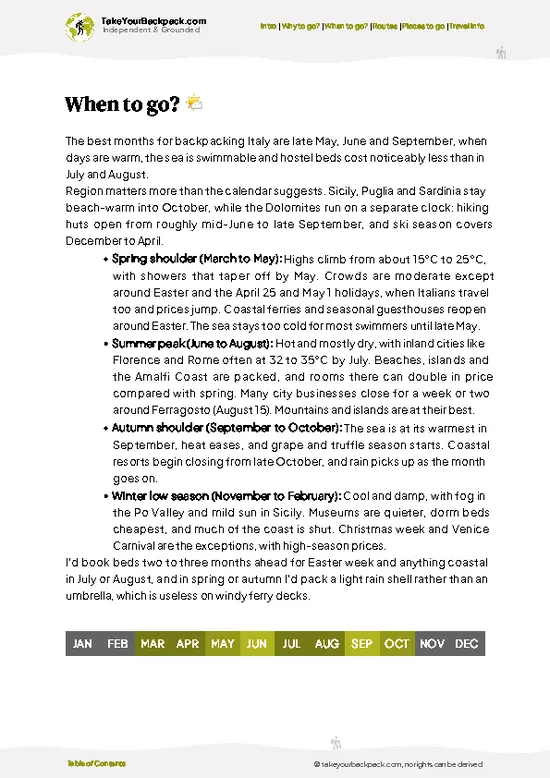
  • Weather: Spring (April to June) and early autumn (September to October) offer mild, pleasant weather. Expect temperatures around 15-25°C (59-77°F), perfect for wandering the trulli without overheating or freezing.

  • Temperature: Summer can spike to 30°C (86°F) or more, making midday strolls sticky and less enjoyable. Winters dip to 5-10°C (41-50°F), often damp and chilly, which dulls the charm of outdoor exploration.

  • Daylight Hours: Long days in late spring and early autumn mean more time to soak in the unique architecture and vibrant street life, with sunsets stretching well past 7 PM.

  • Crowds: July and August bring throngs of tourists, turning narrow alleys into bottlenecks. Visiting shoulder seasons means quieter streets and a more authentic vibe.

  • Seasonal Activities: Spring hosts
read more 👉

  • Weather: Spring (April to June) and early autumn (September to October) offer mild, pleasant weather. Expect temperatures around 15-25°C (59-77°F), perfect for wandering the trulli without overheating or freezing.

  • Temperature: Summer can spike to 30°C (86°F) or more, making midday strolls sticky and less enjoyable. Winters dip to 5-10°C (41-50°F), often damp and chilly, which dulls the charm of outdoor exploration.

  • Daylight Hours: Long days in late spring and early autumn mean more time to soak in the unique architecture and vibrant street life, with sunsets stretching well past 7 PM.

  • Crowds: July and August bring throngs of tourists, turning narrow alleys into bottlenecks. Visiting shoulder seasons means quieter streets and a more authentic vibe.

  • Seasonal Activities: Spring hosts local festivals celebrating olive harvests and flowers, adding cultural texture. Autumn brings food fairs showcasing trulli cuisine, a delicious bonus.

  • Price Fluctuations: Accommodation and flights peak in summer, often doubling compared to spring or autumn. Booking off-peak means better deals and less frantic planning.


Pro-tip: Aim for late April or early October—cool mornings, golden light, and fewer crowds make Alberobello feel like it’s yours alone.


source: climatestotravel.comJANJanuary: fair for travelingFEBFebruary: fair for travelingMARMarch: good for travelingAPRApril: excellent for travelingMAYMay: excellent for travelingJUNJune: excellent for travelingJULJuly: good for travelingAUGAugust: fair for travelingSEPSeptember: excellent for travelingOCTOctober: excellent for travelingNOVNovember: good for travelingDECDecember: fair for traveling
italy-city-alberobello
© Google | Nアトム

✈️ The backpacker research shortcutItaly Travel Guide

An offline-friendly backpacking guide with optimized travel routes, ranked highlights, transport advice, and the best areas to stay.
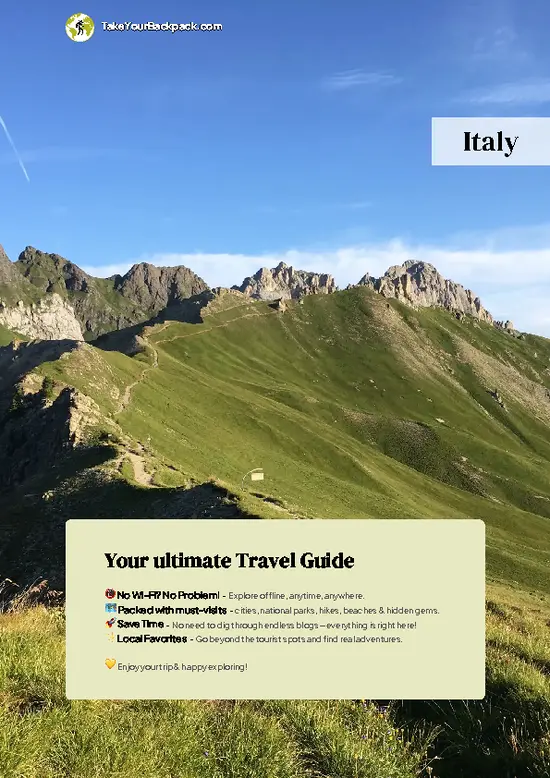
example page 0 from our offline Travel Guide for Italy
example page 1 from our offline Travel Guide for Italy
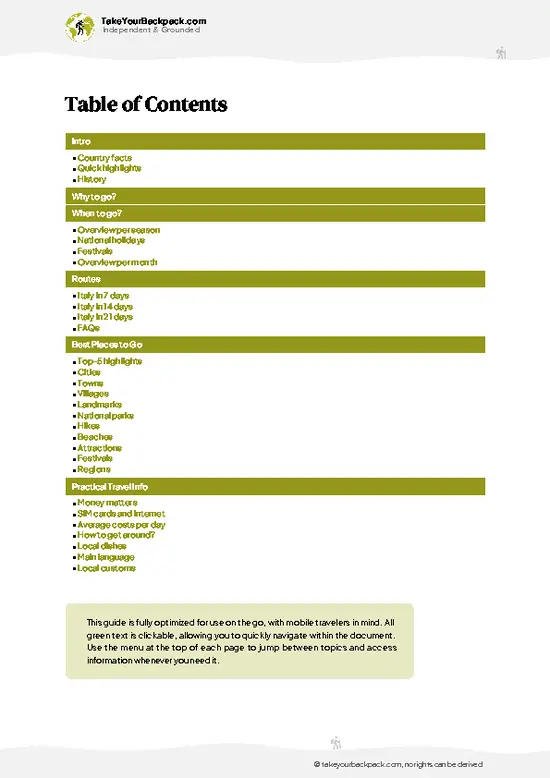
example page 2 from our offline Travel Guide for Italy
example page 3 from our offline Travel Guide for Italy
example page 4 from our offline Travel Guide for Italy
example page 5 from our offline Travel Guide for Italy
example page 6 from our offline Travel Guide for Italy
example page 7 from our offline Travel Guide for Italy
The digital guide (526 pages) contains:
143 highlights, ranked by travel appeal
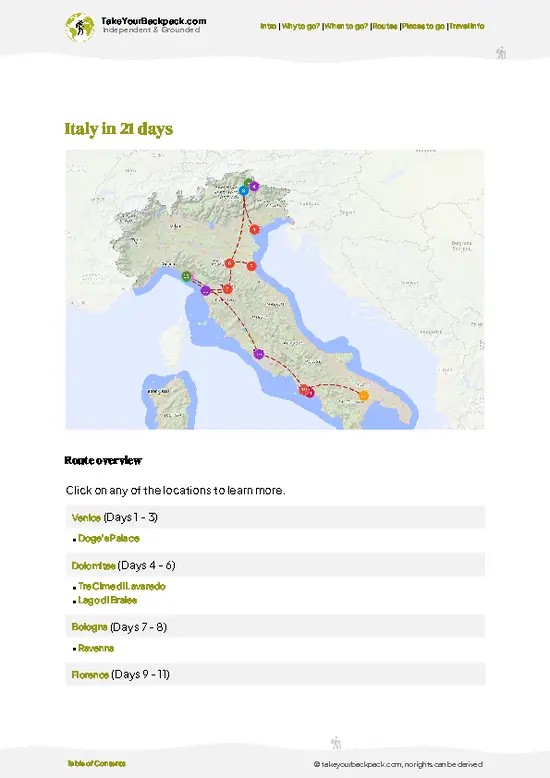
Optimized 7, 14 & 21-day travel routes
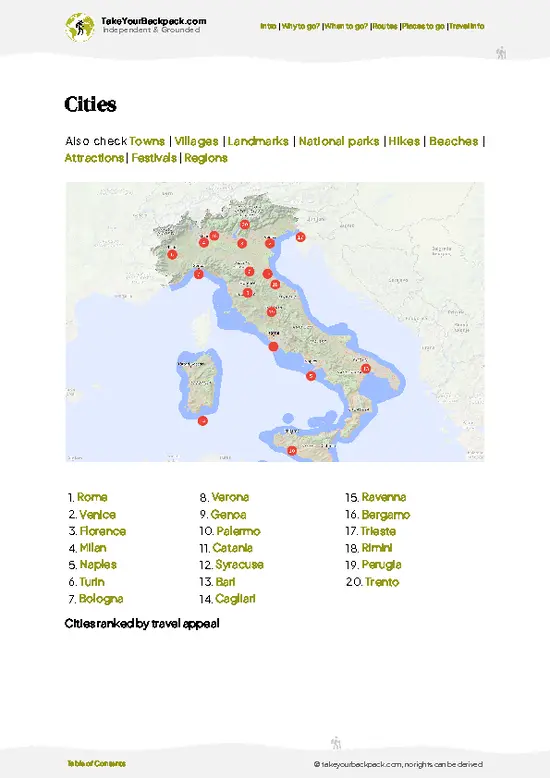
Cities, national parks, landmarks, beaches
How to get around
Offline-friendly for travel without Wi-Fi
👉 Click to see all 30+ guide features

📅 Plan smarter in minutes, not weeks
Month by month travel advice
Festivals & national holidays
Budget expectations

🗺️ Go to the right places, skip the overrated ones
Honest pros & cons of destinations
Top hikes, parks & viewpoints
Lesser-known places most travelers miss
Clear “worth it vs skip it” guidance

🛏️ Travel smoothly without rookie mistakes
Best areas to stay
Transport systems explained simply
Common scams & safety advice
SIM cards, money & practical tips

🌍 Understand the country, not just visit it
Culture & traditions
52 Essential phrases & customs
Festivals worth planning around
Traveler-friendly historical context
Insights that make places more meaningful

📱 Built for real travel conditions
Fully downloadable PDF
Works completely offline
Optimized for phone use
Useful in remote areas & buses
Everything in one place
Save weeks of stressful planning
Get instant access to your full guide. 30‑day money-back guarantee.
+ Add another guide for just US$7.80

By proceeding you agree to our terms.
Sent to your inbox immediately after payment • 100% Secure Checkout
Best Backpacking Travel Advisor 2025 tourism awardBest Backpacking
Travel Advisor
2025
What others say about Take Your Backpack Guides:
⭐⭐⭐⭐⭐
Fantastic, amazing amount of information!
⭐⭐⭐⭐⭐
My goodness this is amazing, it's what I've been looking for hats off too you!
⭐⭐⭐⭐⭐
I think this is absolutely BRILLIANT
⭐⭐⭐⭐
Very complete and informative. It's still missing places, but I gotta to commend you
⭐⭐⭐⭐⭐
This is truly amazing, thank you, can't wait to explore it with my kids!
⭐⭐⭐⭐⭐
Awesome resource, thank you!
⭐⭐⭐⭐⭐
This is amazing! Can't wait to explore the ones I haven't seen
⭐⭐⭐⭐
I love this! Well done, great idea.
⭐⭐⭐⭐⭐
Thanks for taking the time to make this gem!
⭐⭐⭐⭐⭐
This might be the best website I've ever seen.
⭐⭐⭐⭐⭐
Congratulations, and thank you so much for your work; it's incredibly valuable.
⭐⭐⭐⭐
In all seriousness I think you did a great job pointing out the important spots
⭐⭐⭐⭐⭐
10/10 very good
⭐⭐⭐⭐⭐
As someone who's only just starting to visit regularly this is awesome, thank you.
⭐⭐⭐⭐
Thank you very much! I'm going to visit my dad, it's going to be very useful!
⭐⭐⭐⭐⭐
This is really cool! We'll be travelling for the first time and this definitely come in handy.
⭐⭐⭐⭐⭐
You are now our minister of culture, congratulations 👨‍💼
⭐⭐⭐⭐⭐
Just wanted to tell you that this is a pearl! Going to follow your recommendations.
⭐⭐⭐⭐⭐
This is so cool. I'll definitely be using the resource for my travels soon.
⭐⭐⭐⭐⭐
This is very impressive! Good work.
⭐⭐⭐⭐⭐
This is an amazing and informative site. Very well done!

🛏️ Where to stay?How to pick the right area

Alberobello’s heart for backpackers beats strongest in the Rione Monti district. This area is where the iconic trulli cluster thickest, and staying here means waking up to the soft morning light filtering through whitewashed cones, the scent of fresh espresso drifting from nearby cafes. It’s safe, compact, and buzzing with other travelers who are just as eager to swap stories over a cheap glass of local wine. The narrow, winding streets naturally encourage social encounters, making it easier to meet fellow backpackers without forcing it.

Compared to the quieter Aia Piccola, which feels more residential … read more 👉
Alberobello’s heart for backpackers beats strongest in the Rione Monti district. This area is where the iconic trulli cluster thickest, and staying here means waking up to the soft morning light filtering through whitewashed cones, the scent of fresh espresso drifting from nearby cafes. It’s safe, compact, and buzzing with other travelers who are just as eager to swap stories over a cheap glass of local wine. The narrow, winding streets naturally encourage social encounters, making it easier to meet fellow backpackers without forcing it.

Compared to the quieter Aia Piccola, which feels more residential and less lively after sunset, Rione Monti offers a better balance of atmosphere and accessibility. Hostels and budget guesthouses pepper this neighborhood, providing simple, clean bases that keep your wallet happy without sacrificing charm. Plus, you’re just a short stroll from the main piazza, where local markets and eateries pulse with life. Staying here means you’re not just passing through Alberobello—you’re stepping into its rhythm, surrounded by the unmistakable hum of shared adventure.

🚌 Getting aroundTransportation options and practical tips

Alberobello moves at its own rhythm, a gentle pulse shaped by narrow stone streets and the slow drip of afternoon light through conical rooftops. This isn’t a place where you’ll find rigid timetables or the rush of a metropolis. Instead, it’s a town that rewards patience and curiosity, where the scent of freshly baked focaccia mingles with the faint saltiness of the nearby Adriatic breeze. The flow here is intuitive—locals and visitors alike navigate by sight and sound more than by clock. Understanding this flow means embracing a bit of unpredictability, but also unlocking a smoother, more immersive experience.


  • Walking: Alberobello’s compact center is best explored on foot. The trulli cluster is a labyrinth of cobblestones and tiny alleys, where every turn reveals a new angle of those
read more 👉
Alberobello moves at its own rhythm, a gentle pulse shaped by narrow stone streets and the slow drip of afternoon light through conical rooftops. This isn’t a place where you’ll find rigid timetables or the rush of a metropolis. Instead, it’s a town that rewards patience and curiosity, where the scent of freshly baked focaccia mingles with the faint saltiness of the nearby Adriatic breeze. The flow here is intuitive—locals and visitors alike navigate by sight and sound more than by clock. Understanding this flow means embracing a bit of unpredictability, but also unlocking a smoother, more immersive experience.


  • Walking: Alberobello’s compact center is best explored on foot. The trulli cluster is a labyrinth of cobblestones and tiny alleys, where every turn reveals a new angle of those iconic whitewashed cones. Walking lets you soak in the textures—the rough stone walls warmed by the sun, the occasional burst of jasmine from a hidden garden. No cost, no schedule, just your pace.


  • Local Bus (Ferrovie del Sud Est): The bus connects Alberobello with nearby towns like Martina Franca and Locorotondo. Buses run roughly from 6:30 AM to 8 PM, with tickets around €1.50. It’s a budget-friendly way to extend your reach beyond the trulli, but expect a simple, no-frills ride—seating is basic, and the schedule can be loose, so arrive early and be ready to wait.


  • Train: The Alberobello train station links to Bari and other regional hubs. Trains run approximately every hour from early morning until late evening, with fares starting near €3. The ride is smooth and faster than the bus, offering a chance to watch the Apulian countryside unfold through large windows. It’s a solid choice for day trips or arriving fresh from the airport.


  • Taxi: Taxis are available but scarce and pricey compared to public transit. Use them for late-night returns or when carrying heavy gear. Expect to pay around €10-15 for short trips within town or to the station. They’re reliable but not essential if you’re traveling light and flexible.

👛 Costs (as of 4 September 2026)Typical daily expenses

Backpacking in Alberobello, Italy, means stepping into a world where the charm of trulli houses meets the practical rhythm of a small town. Knowing the daily costs helps you plan not just to survive, but to savor the experience without surprises.
  • Dorm Accommodation: Expect to pay between €20 and €35 per night for a bed in a shared dorm. Alberobello’s hostels and guesthouses often occupy renovated trulli or quaint buildings, so the price reflects both the unique setting and the small-town demand. Booking ahead during peak season is smart to lock in these rates.
  • Meals: Eating out can be surprisingly affordable if you stick to local trattorias or grab a slice of focaccia from a bakery. Budget around €10 to €15 for a simple lunch or dinner, often including fresh bread, local cheese, and a glass
read more 👉
Backpacking in Alberobello, Italy, means stepping into a world where the charm of trulli houses meets the practical rhythm of a small town. Knowing the daily costs helps you plan not just to survive, but to savor the experience without surprises.
  • Dorm Accommodation: Expect to pay between €20 and €35 per night for a bed in a shared dorm. Alberobello’s hostels and guesthouses often occupy renovated trulli or quaint buildings, so the price reflects both the unique setting and the small-town demand. Booking ahead during peak season is smart to lock in these rates.
  • Meals: Eating out can be surprisingly affordable if you stick to local trattorias or grab a slice of focaccia from a bakery. Budget around €10 to €15 for a simple lunch or dinner, often including fresh bread, local cheese, and a glass of wine or water. Markets and small grocery stores offer cheaper options if you want to prepare your own food.
  • Local Transport: Alberobello is compact enough to explore mostly on foot. If you need to hop on a local bus or taxi, budget about €2 to €5 per trip. Many travelers find walking the best way to soak in the scent of lemon trees and the texture of cobblestones underfoot.
  • Basic Activities/Entry Fees: Visiting the Trulli Museum or other small local attractions typically costs around €3 to €5. Guided tours or tastings can push this up to €15 or €20, but many sights are free to admire from outside, letting you decide where to spend.
  • Miscellaneous Expenses: Think small extras like a coffee (€1.50 to €2.50), bottled water (€1), or a gelato (€2 to €3). These add up but also enrich the sensory experience of the town’s slow, sunlit afternoons.

All told, a daily budget in Alberobello for a backpacker ranges roughly from €40 to €70. This covers a dorm bed, meals, a bit of local transport, and some entry fees without skimping on the essentials that make the town’s atmosphere so memorable. Planning with these numbers in mind means you’re not just counting coins—you’re investing in the full flavor of the place.


source: viaggiareinpuglia.it
⚠️ Prices can change and everyone travels differently, so take this as a rough guide. Hope it helps you plan your adventure!

🚌 Day tripsExploring the surroundings

Alberobello is a fantastic base for exploring the unique charm of Puglia. With its iconic trulli and vibrant local culture, you can easily venture out for day trips that enrich your experience.

Matera
Just an hour away, Matera is a UNESCO World Heritage site that feels like stepping into a time capsule. The ancient cave dwellings, known as Sassi, are a marvel of human ingenuity. Wander through narrow alleys, where the scent of fresh bread wafts from local bakeries. A day here costs around €10 for transport and a few euros for a bite to eat. Aim for spring or fall to avoid the summer crowds. Many first-timers miss the chance to explore the less-traveled paths; don’t just stick to the main squares.
👉 Explore Matera

Polignano a Mare
A quick 30-minute train ride brings you to Polignano … read more 👉
Alberobello is a fantastic base for exploring the unique charm of Puglia. With its iconic trulli and vibrant local culture, you can easily venture out for day trips that enrich your experience.

Matera
Just an hour away, Matera is a UNESCO World Heritage site that feels like stepping into a time capsule. The ancient cave dwellings, known as Sassi, are a marvel of human ingenuity. Wander through narrow alleys, where the scent of fresh bread wafts from local bakeries. A day here costs around €10 for transport and a few euros for a bite to eat. Aim for spring or fall to avoid the summer crowds. Many first-timers miss the chance to explore the less-traveled paths; don’t just stick to the main squares.
👉 Explore Matera

Polignano a Mare
A quick 30-minute train ride brings you to Polignano a Mare, perched dramatically on cliffs above the Adriatic. The turquoise waters are perfect for a refreshing dip, and the gelato shops are a must-visit. Expect to spend about €15 for the round trip and a scoop of gelato. Late afternoon is ideal for catching the golden light on the cliffs. A common mistake is to rush through; take your time to soak in the views from the various lookout points.


Ostuni
Known as the ”White City,” Ostuni is about an hour away by bus. Its whitewashed buildings gleam under the sun, creating a stunning backdrop for exploration. The local markets offer fresh produce and handmade goods, making it a great spot for a picnic. Budget around €10 for transport and snacks. Spring is particularly lovely, with blooming flowers adding color to the streets. Many visitors overlook the panoramic views from the old town; climb to the highest point for a breathtaking vista.


Grotte di Castellana
Just 30 minutes from Alberobello, the Grotte di Castellana is a stunning underground cave system. The guided tour takes about 1.5 hours, revealing incredible stalactites and stalagmites. Entry costs around €15, and it’s best to go in the morning to avoid crowds. Many first-timers miss the chance to wear sturdy shoes; the paths can be slippery.
Want to know what more Italy offers?
The Italy Travel Guide describes 143 highlights, from cities to national parks, from beaches to hikes

Get the Travel Guide -

🛡️ SafetyTraveler Safety Guide

Alberobello is generally safe, but a few practical tips can enhance your experience. The narrow streets can get crowded, especially during peak hours, so keep your belongings close. Solo travelers should feel comfortable, but stick to well-lit areas at night. The charm of the trulli houses is best enjoyed after sunset, but be mindful of your surroundings.

Watch for overly friendly locals offering unsolicited help; they might expect a tip. Street vendors can be persistent, so a polite but firm “no, grazie” usually does the trick. Embrace the local vibe, but stay aware. A confident demeanor goes a long way in navigating this picturesque town.

FAQCommon questions from travelers

Yes, Alberobello is worth visiting for its unique trulli houses, a UNESCO World Heritage site. The town offers a distinctive architectural experience not found elsewhere, making it more than just a stopover.
One full day is sufficient to explore Alberobello thoroughly. This allows time to visit the main trulli districts, the Trullo Sovrano museum, and enjoy local cuisine without rushing.
Yes, Alberobello can be visited as a day trip from nearby cities like Bari or Lecce. It is about 1 to 1.5 hours by train or car, making it accessible for a day visit.
⚠️ Things can change over time, so always validate details locally before you go.

Other Italian towns near Alberobello

Explore more nearby:

  • Matera—Cave dwellings, rocky ravine, Sassi districts| 55 km away
  • Brindisi—Adriatic port, Roman columns, ferry connections| 62 km away
  • Lecce—Baroque facades, limestone architecture, southern piazzas| 93 km away

💡 Not sure where to go next?
Create a personalized itinerary for Italy including Alberobello and the places that fit your trip.

Generate my itinerary

👉 Discover all towns

Or checkout all Italy has to offer (think cities, towns, villages, national parks, hikes, beaches, festivals)
Country photo of Italy

We 💚 feedbackParting advice and final tips

Alberobello’s trulli are like something out of a storybook, each one a quirky masterpiece that feels alive with history. But be ready for crowds, especially in summer; it can feel like a bustling theme park. Embrace the early mornings or late afternoons for a quieter stroll, when the golden light dances off the stone and the air is filled with the scent of fresh bread.

✈️ When did I visit Italy?
Italy I have vistited a couple of times: Rome already when I was still in high school, and I did a 7 day hike in the Dolomites in 2021.

✍️ Help improve this page!
The information on this page is based on my own backpacking experience in Italy, supplemented with up-to-date research and feedback from other travelers. Travel details can change, so if you notice anything outdated or incomplete, feel free to let me know.


🙋‍♂️ Give feedback

👋 Meet the founderWho’s Behind Take Your Backpack?

Johan, backpacker and founder of TakeYourBackpackHi, I’m Johan (Netherlands 🇳🇱), the creator of TakeYourBackpack. Over the past decade, I’ve backpacked through 80+ countries across six continents, gaining extensive experience with independent travel, long-term trips, and overland routes.

This site is built on a combination of firsthand travel experience and carefully curated insights from other backpackers. Many guides are based on places I’ve personally visited, while others bring together tips, observations, and practical advice shared by trusted travelers I’ve met along the way.

The goal is to provide realistic, experience-driven guidance — not generic itineraries — so you can explore destinations with better context, clearer expectations, and more confidence.

Get full Italy guide •
Instant download • 143 highlights • Full Offline guide