
- Duomo di Sant’Andrea (Amalfi Cathedral) — The town’s showpiece: dramatic Arab-Norman facade, long staircase, and a crypt that supposedly holds St. Andrew’s relics. Go inside for mosaics, the bronze doors, and the atmosphere of a place that anchored Amalfi’s medieval power.
- Chiostro del Paradiso — A peaceful 13th-century cloister tucked right next to the cathedral. Marble columns, carved sarcophagi and quiet gardens make it a surprisingly cool break from the crowded piazza.
- Museo Diocesano e Tesoro del Duomo — Small but rich: medieval liturgical objects, reliquaries and illuminated manuscripts pulled from the cathedral’s treasury. It fills in the story the Duomo only hints at.
- Arsenale della Repubblica (the Ancient Arsenal) — Remains of Amalfi’s shipyard and naval offices from when this
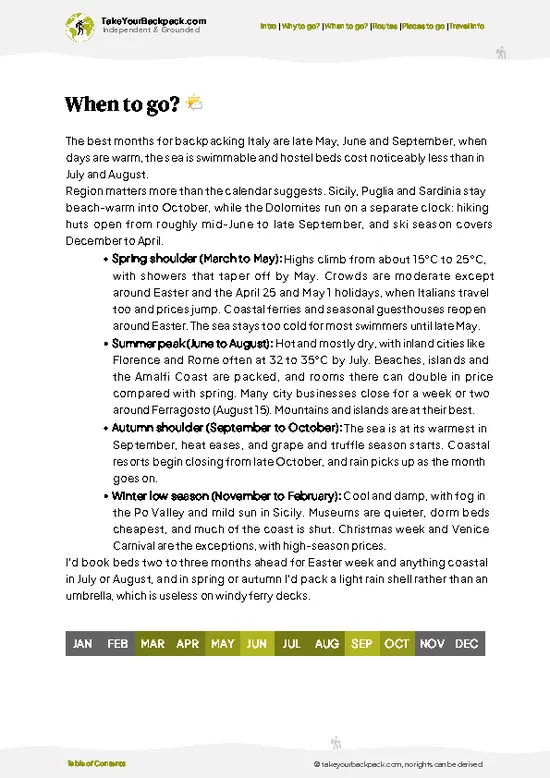
- Duomo di Sant’Andrea (Amalfi Cathedral) — The town’s showpiece: dramatic Arab-Norman facade, long staircase, and a crypt that supposedly holds St. Andrew’s relics. Go inside for mosaics, the bronze doors, and the atmosphere of a place that anchored Amalfi’s medieval power.
- Chiostro del Paradiso — A peaceful 13th-century cloister tucked right next to the cathedral. Marble columns, carved sarcophagi and quiet gardens make it a surprisingly cool break from the crowded piazza.
- Museo Diocesano e Tesoro del Duomo — Small but rich: medieval liturgical objects, reliquaries and illuminated manuscripts pulled from the cathedral’s treasury. It fills in the story the Duomo only hints at.
- Arsenale della Repubblica (the Ancient Arsenal) — Remains of Amalfi’s shipyard and naval offices from when this town was a maritime republic. It’s where you get a feel for Amalfi’s seafaring clout, not just its postcard pretty buildings.
- Museo della Carta - Antiche Cartiere Amalfitane — Amalfi’s centuries-old paper industry on display. The mill buildings and hands-on demos show how handmade paper was a local trade, and you can often watch or try the process yourself.
- Valle dei Mulini (Valley of the Mills) — A steep, fern-filled ravine with abandoned mill ruins visible from town paths. Moody, photogenic and quietly evocative of Amalfi’s pre-industrial economy—don’t expect crowds, only vibes.
- Marina Grande and the Harbor — The working heart of Amalfi: ferries, fishermen, dive-into-the-sea spots and boat tours to grottoes and the coast. It’s where locals and visitors mix; good for people-watching and launching day trips by water.
- Piazza Flavio Gioia & the Seafront Promenade — The small square by the harbor with the Flavio Gioia statue (the legendary mariner) and a lively promenade. It’s an excellent spot to sit with a coffee and watch the comings and goings of the Amalfi life.
- Amalfi Fish Market (Pescheria) — Early-morning fish stalls and the port-side bustle—raw, local and immediate. Walk the market, buy a snack from a stall or nearby trattoria, and observe daily life rather than a staged tourist show.
- Historic Alleyways and Hidden Viewpoints (Via Lorenzo d’Amalfi and side streets) — Wander the steep lanes, pop into tiny workshops, and climb to the unmarked viewpoints above town. You’ll find tile shops, lemon-product stores, and real moments that postcards miss.
Spotted a mistake or missing something? Contact us.

Discover the Magic of the Amalfi and Sorrento Coast by Vespa

Private boat tour of the Amalfi coast or Capri

Private Amalfi Coast Tour

Amalfi Coast Wine Tour

Amalfi Boat Tour from to Positano Praiano or Amalfi. 7 hours

Full-day Exclusive Private boat tour on the Amalfi coast

Wine & Cooking Experience with Local Family at Cortecorbo Winery

Full Day Private Boat Tour of the Amalfi Coast

Private Full-Day Guided Boat Tour at the Amalfi Coast


 Best Backpacking

 Hi, I’m Johan (Netherlands 🇳🇱), the creator of TakeYourBackpack. Over the past 3 decades, I’ve backpacked through 90+ countries across six continents, gaining extensive experience with independent travel, long-term trips, and overland routes.