×

Italy🇮🇹 | citiesPaduafrescoed chapels, botanical gardens, arcaded piazzas | things to do and best time to go

Explore VicenzaExplore Rimini

Backpacking in Padua
👌 Worth visitingcity ranked #21
By Johan Kruseman 🇳🇱 | Updated October 16, 2026

Most people treat Padua as a Venice day-trip, but the surprise is that its student nightlife and bar scene around Piazza dei Signori can actually feel rowdier and more local than Venice itself. Sitting in the Veneto, about 30-40 minutes by train from Venice, Padua is a compact, walkable university city with serious history: Giotto’s Scrovegni Chapel, the vast Prato della Valle, and the arcaded old town. It’s cheaper and less touristy than Venice, safe, and easy to navigate, but hostels and backpacker meetups are thinner on the ground, so you work a bit harder to be social.

Discover everything you want to know in the 📖 Italy Travel Guide.


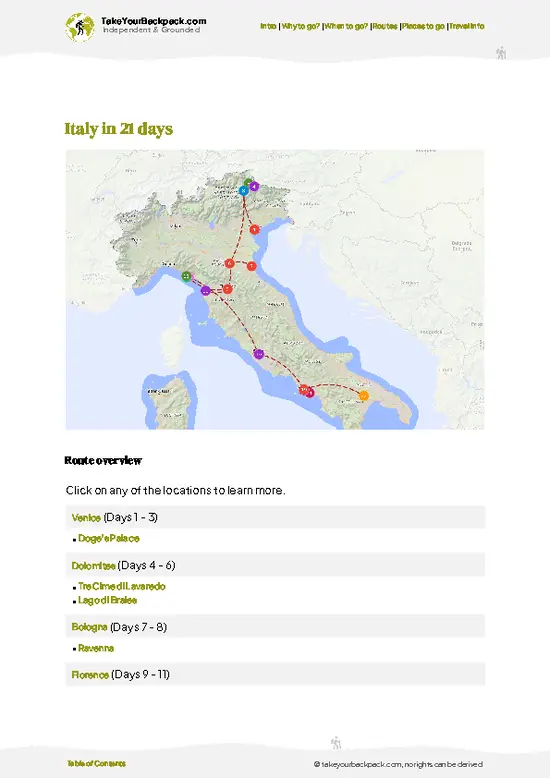
example page 0 from our offline Travel Guide for Italy
example page 1 from our offline Travel Guide for Italy
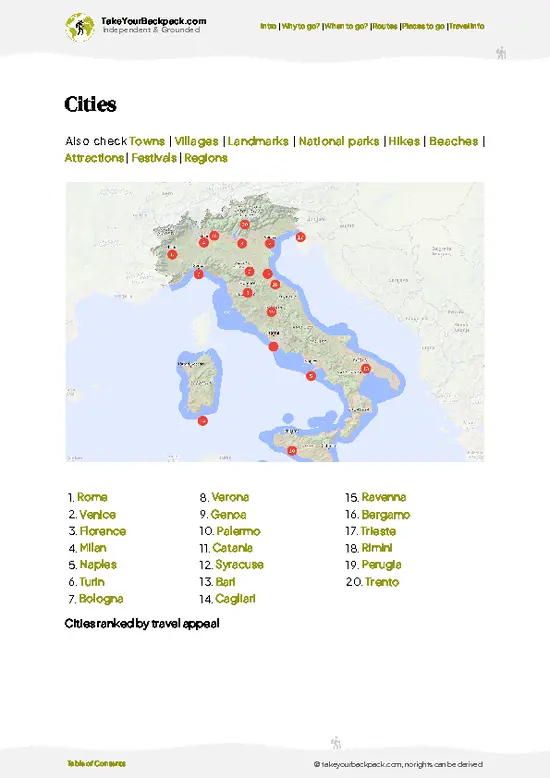
example page 2 from our offline Travel Guide for Italy
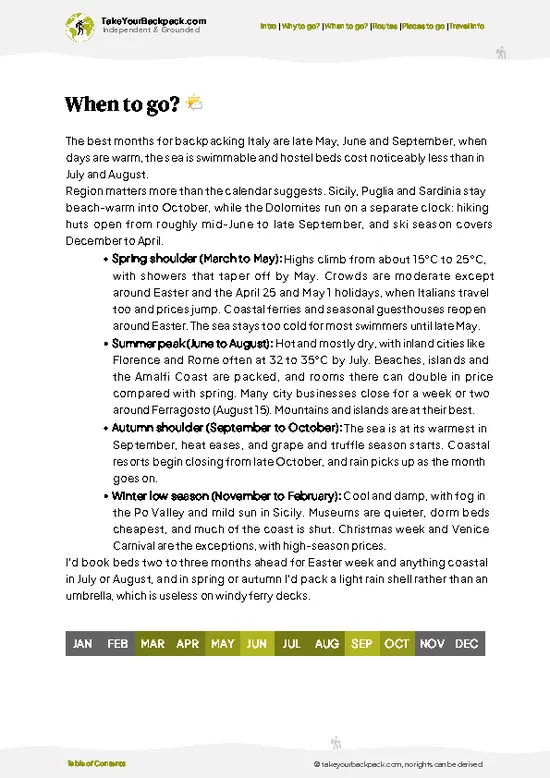
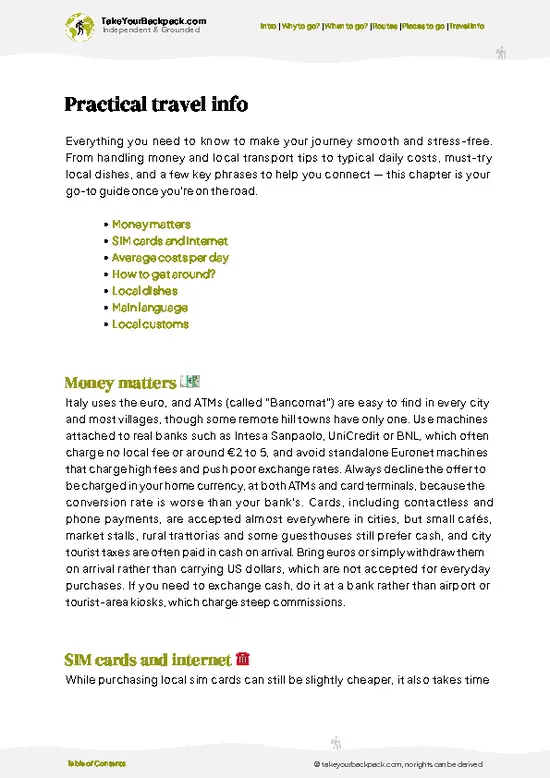
example page 3 from our offline Travel Guide for Italy
example page 4 from our offline Travel Guide for Italy
example page 5 from our offline Travel Guide for Italy
example page 6 from our offline Travel Guide for Italy
example page 7 from our offline Travel Guide for Italy
Loading the map 🌍
CLICK TO FILTER
cities
towns
villages
landmarks
national parks
hikes
beaches
attractions
festivals
regions
SHOW COUNTRY’S BESTSHOW ALL

✨ Why go?
Ranked #21 city in Italy
What sets this place apart

Padua is a strategic stop for backpackers weaving through Italy. It’s packed with highlights that are both rich in history and culture, yet it doesn’t overwhelm your schedule. The walkability of the city makes it easy to explore on foot, allowing you to soak in the atmosphere without the hassle of public transport. Affordable hostels provide a solid base, and the local food scene offers everything from quick bites to sit-down meals that won’t break the bank. As for nightlife, it’s vibrant enough to keep you entertained without feeling like a tourist trap. Plus, its location makes for easy day trips to nearby gems, ensuring you maximize your time without sacrificing comfort. Padua is perfect for those who want a taste of authentic Italy without the chaos.

💡 HighlightsDon't-miss highlights and experiences

  1. Cappella degli Scrovegni (Scrovegni Chapel) — Giotto’s fresco cycle is one of the most important early-Renaissance artworks in the world; timed-entry only, so book in advance and take the short, hush-inducing guided viewing.
  2. Basilica di Sant’Antonio (Il Santo) — A living pilgrimage church with rich art, tombs and devotional culture; the mix of domes, chapels and votive ex-votos gives a real feel for Padua’s spiritual history.
  3. Prato della Valle — Europe’s largest square: an oval island, a ring of statues and a canal that’s perfect for people-watching, markets, and lazy late-afternoon strolls when students and locals spill outside.
  4. Orto Botanico di Padova (Botanical Garden) — The world’s oldest academic botanical garden still in its original location (UNESCO-listed); lovely medicinal beds,
… read more 👉
  1. Cappella degli Scrovegni (Scrovegni Chapel) — Giotto’s fresco cycle is one of the most important early-Renaissance artworks in the world; timed-entry only, so book in advance and take the short, hush-inducing guided viewing.
  2. Basilica di Sant’Antonio (Il Santo) — A living pilgrimage church with rich art, tombs and devotional culture; the mix of domes, chapels and votive ex-votos gives a real feel for Padua’s spiritual history.
  3. Prato della Valle — Europe’s largest square: an oval island, a ring of statues and a canal that’s perfect for people-watching, markets, and lazy late-afternoon strolls when students and locals spill outside.
  4. Orto Botanico di Padova (Botanical Garden) — The world’s oldest academic botanical garden still in its original location (UNESCO-listed); lovely medicinal beds, historic greenhouses and calm shade right next to the city bustle.
  5. Palazzo della Ragione & Piazza delle Erbe — The vast medieval market hall with its strange, painted “Salone” and the lively markets beneath; you’ll feel the city’s medieval heartbeat here.
  6. Palazzo del Bò and the Anatomical Theatre (Teatro Anatomico) — Home to Padua University where Galileo lectured; the small, wooden anatomy theatre is atmospheric and oddly theatrical — check guided-tour times.
  7. Battistero del Duomo — The Baptistery next to the Cathedral houses an intense, jewel-like fresco cycle by Guariento and Giusto de’ Menabuoi; less crowded than the big sights but richly painted.
  8. Caffè Pedrocchi — A historic 19th-century café that’s part museum, part meeting place; sit, sip an espresso, and soak up the old-student vibe and layered interiors.
  9. Musei Civici agli Eremitani — Art and archaeology under one roof (the Eremitani complex), including fragments and stories from the city’s medieval and Roman past; good to pair with a Scrovegni visit next door.
  10. Piazza dei Signori and the Torre dell’Orologio — The elegant civic square with its clock tower and atmospheric arcades; great for an evening aperitivo and to watch the city’s daily life unfold.
A few nearby day-trip highlights: the thermal towns of Abano and Montegrotto Terme, the hilltop village of Arquà Petrarca (my personal favorite), and Venice — all easily reachable from Padua.
Spotted a mistake or missing something? Contact us.

Things to do in Padua

Ratings based on Tripadvisor reviews. When you book through this link, you support our work at no extra cost to you.

🏘️ NeighborhoodsNeighborhood guide to Padua

Padua is a city that balances history and modernity, making it a playground for backpackers. Here’s how its neighborhoods stack up:

Centro Storico: This is the heart of Padua, where you’ll find stunning architecture and vibrant piazzas. It’s walkable and packed with cafes and shops. Prices can be higher here, but the experience is worth it. Perfect for short stays, especially if you want to soak in the local culture.

Porta Sarpi: A bit quieter, this area offers a more local vibe. It’s affordable and still close to the action. You can easily walk to major sights, making it ideal for longer stays. Nightlife is low-key, with cozy bars rather than clubs.

Prato della Valle: Known for its expansive square, this neighborhood is great for those who enjoy parks and open spaces. It’s a bit further … read more 👉
Padua is a city that balances history and modernity, making it a playground for backpackers. Here’s how its neighborhoods stack up:

Centro Storico: This is the heart of Padua, where you’ll find stunning architecture and vibrant piazzas. It’s walkable and packed with cafes and shops. Prices can be higher here, but the experience is worth it. Perfect for short stays, especially if you want to soak in the local culture.

Porta Sarpi: A bit quieter, this area offers a more local vibe. It’s affordable and still close to the action. You can easily walk to major sights, making it ideal for longer stays. Nightlife is low-key, with cozy bars rather than clubs.

Prato della Valle: Known for its expansive square, this neighborhood is great for those who enjoy parks and open spaces. It’s a bit further from the main attractions, but public transport is accessible. Ideal for budget travelers who appreciate a mix of relaxation and exploration.

Arcella: A residential area that’s less touristy, offering a glimpse into everyday life. It’s affordable and well-connected by public transport. Best for longer stays if you want to escape the hustle and bustle.

⌛️ 1 day1-day itinerary for Padua

Padua, a city steeped in history and vibrant culture, offers a delightful mix of art, architecture, and local life. Start your day in the heart of the city at the iconic Prato della Valle, one of Europe’s largest squares. Grab a coffee at a nearby café and soak in the atmosphere—locals jogging, students chatting, and the sun glinting off the water.

As the morning unfolds, wander over to the Basilica di Sant’Antonio. This stunning church is a must-see, with its intricate frescoes and serene ambiance. Don’t rush; take your time to appreciate the details. Afterward, stroll through the narrow streets of the historic center, where you’ll find the lively Mercado di Padova. Here, you can sample local delicacies and perhaps pick up a few artisanal treats.

In the afternoon, head to the University … read more 👉
Padua, a city steeped in history and vibrant culture, offers a delightful mix of art, architecture, and local life. Start your day in the heart of the city at the iconic Prato della Valle, one of Europe’s largest squares. Grab a coffee at a nearby café and soak in the atmosphere—locals jogging, students chatting, and the sun glinting off the water.

As the morning unfolds, wander over to the Basilica di Sant’Antonio. This stunning church is a must-see, with its intricate frescoes and serene ambiance. Don’t rush; take your time to appreciate the details. Afterward, stroll through the narrow streets of the historic center, where you’ll find the lively Mercado di Padova. Here, you can sample local delicacies and perhaps pick up a few artisanal treats.

In the afternoon, head to the University of Padua, one of the oldest in the world. The Botanical Garden, a UNESCO World Heritage site, is a peaceful retreat and often overlooked by tourists. It’s a perfect spot to recharge.

As evening approaches, make your way to the lively district of Santo Stefano. Enjoy dinner at a local trattoria, where the pasta is homemade and the wine flows freely. End your day with a leisurely walk along the canals, reflecting on the rich tapestry of experiences you’ve gathered. Padua isn’t just a stop; it’s a place that invites you to linger.

🌤️ When to go?When to go for the best experience

  • Weather: Spring (April to June) and early autumn (September to October) offer mild, pleasant weather—around 15-25°C (59-77°F)—perfect for exploring without overheating or freezing.
  • Temperature: Summer can spike to 30°C+ (86°F+), making midday wandering sticky, while winter dips to 0-5°C (32-41°F), often damp and gray.
  • Daylight Hours: Late spring and early autumn provide 10-14 hours of daylight, enough time to pack in sightseeing without rushing or losing light early.
  • Crowds: Summer draws tourists and university students, swelling crowds and prices. Off-peak months see fewer visitors, letting you enjoy landmarks like the Scrovegni Chapel with less hassle.
  • Seasonal Activities: Spring hosts vibrant flower festivals and outdoor markets; autumn brings truffle fairs and wine tastings—events
… read more 👉
  • Weather: Spring (April to June) and early autumn (September to October) offer mild, pleasant weather—around 15-25°C (59-77°F)—perfect for exploring without overheating or freezing.
  • Temperature: Summer can spike to 30°C+ (86°F+), making midday wandering sticky, while winter dips to 0-5°C (32-41°F), often damp and gray.
  • Daylight Hours: Late spring and early autumn provide 10-14 hours of daylight, enough time to pack in sightseeing without rushing or losing light early.
  • Crowds: Summer draws tourists and university students, swelling crowds and prices. Off-peak months see fewer visitors, letting you enjoy landmarks like the Scrovegni Chapel with less hassle.
  • Seasonal Activities: Spring hosts vibrant flower festivals and outdoor markets; autumn brings truffle fairs and wine tastings—events that add local flavor beyond the usual sights.
  • Price Fluctuations: Accommodation and flights peak in summer; shoulder seasons offer better deals and more availability, balancing comfort and cost.
Pro-tip: Aim for late April or early October to dodge crowds and heat while catching local events and scoring better prices—smart timing turns Padua from a stopover into a highlight.


source: climatestotravel.comJANJanuary: fair for travelingFEBFebruary: fair for travelingMARMarch: good for travelingAPRApril: excellent for travelingMAYMay: excellent for travelingJUNJune: highly recommended for travelingJULJuly: fair for travelingAUGAugust: fair for travelingSEPSeptember: excellent for travelingOCTOctober: excellent for travelingNOVNovember: good for travelingDECDecember: fair for traveling
when-to-go

✈️ The backpacker research shortcutItaly Travel Guide

An offline-friendly backpacking guide with optimized travel routes, ranked highlights, transport advice, and the best areas to stay.
example page 0 from our offline Travel Guide for Italy
example page 1 from our offline Travel Guide for Italy
example page 2 from our offline Travel Guide for Italy
example page 3 from our offline Travel Guide for Italy
example page 4 from our offline Travel Guide for Italy
example page 5 from our offline Travel Guide for Italy
example page 6 from our offline Travel Guide for Italy
example page 7 from our offline Travel Guide for Italy
The digital guide (523 pages) contains:
✅ 142 highlights, ranked by travel appeal
✅ Optimized 7, 14 & 21-day travel routes
✅ Cities, national parks, landmarks, beaches
✅ How to get around
✅ Offline-friendly for travel without Wi-Fi
👉 Click to see all 30+ guide features

📅 Plan smarter in minutes, not weeks
✅ Month by month travel advice
✅ Festivals & national holidays
✅ Budget expectations

🗺️ Go to the right places, skip the overrated ones
✅ Honest pros & cons of destinations
✅ Top hikes, parks & viewpoints
✅ Lesser-known places most travelers miss
✅ Clear “worth it vs skip it” guidance

🛏️ Travel smoothly without rookie mistakes
✅ Best areas to stay
✅ Transport systems explained simply
✅ Common scams & safety advice
✅ SIM cards, money & practical tips

🌍 Understand the country, not just visit it
✅ Culture & traditions
✅ 52 Essential phrases & customs
✅ Festivals worth planning around
✅ Traveler-friendly historical context
✅ Insights that make places more meaningful

📱 Built for real travel conditions
✅ Fully downloadable PDF
✅ Works completely offline
✅ Optimized for phone use
✅ Useful in remote areas & buses
✅ Everything in one place
Stop searching, start planning
Get instant access to your full guide. 30‑day money-back guarantee.
+ Add another guide for just

By proceeding you agree to our terms.
Sent to your inbox immediately after payment • 100% Secure Checkout
Best Backpacking Travel Advisor 2025 tourism awardBest Backpacking
Travel Advisor
2025
What others say about Take Your Backpack Guides:
⭐⭐⭐⭐⭐
Fantastic, amazing amount of information!
⭐⭐⭐⭐⭐
My goodness this is amazing, it's what I've been looking for hats off too you!
⭐⭐⭐⭐⭐
I think this is absolutely BRILLIANT
⭐⭐⭐⭐
Very complete and informative. It's still missing places, but I gotta to commend you
⭐⭐⭐⭐⭐
This is truly amazing, thank you, can't wait to explore it with my kids!
⭐⭐⭐⭐⭐
Awesome resource, thank you!
⭐⭐⭐⭐⭐
This is amazing! Can't wait to explore the ones I haven't seen
⭐⭐⭐⭐
I love this! Well done, great idea.
⭐⭐⭐⭐⭐
Thanks for taking the time to make this gem!
⭐⭐⭐⭐⭐
This might be the best website I've ever seen.
⭐⭐⭐⭐⭐
Congratulations, and thank you so much for your work; it's incredibly valuable.
⭐⭐⭐⭐
In all seriousness I think you did a great job pointing out the important spots
⭐⭐⭐⭐⭐
10/10 very good
⭐⭐⭐⭐⭐
As someone who's only just starting to visit regularly this is awesome, thank you.
⭐⭐⭐⭐
Thank you very much! I'm going to visit my dad, it's going to be very useful!
⭐⭐⭐⭐⭐
This is really cool! We'll be travelling for the first time and this definitely come in handy.
⭐⭐⭐⭐⭐
You are now our minister of culture, congratulations 👨‍💼
⭐⭐⭐⭐⭐
Just wanted to tell you that this is a pearl! Going to follow your recommendations.
⭐⭐⭐⭐⭐
This is so cool. I'll definitely be using the resource for my travels soon.
⭐⭐⭐⭐⭐
This is very impressive! Good work.
⭐⭐⭐⭐⭐
This is an amazing and informative site. Very well done!

🛏️ Where to stay?Best areas and accommodation options

In Padua, the sweet spot for backpackers is the area around the historic center, especially near Prato della Valle and the University district. This zone nails the balance between safety and social buzz. You’re close enough to cobblestone streets, lively piazzas, and affordable eateries without the tourist crush of Venice or Florence. Hostels cluster here, offering easy access to public transport and a steady flow of fellow travelers, which means instant social opportunities without sacrificing peace of mind. Compared to the quieter residential neighborhoods farther out, this area keeps you plugged … read more 👉
In Padua, the sweet spot for backpackers is the area around the historic center, especially near Prato della Valle and the University district. This zone nails the balance between safety and social buzz. You’re close enough to cobblestone streets, lively piazzas, and affordable eateries without the tourist crush of Venice or Florence. Hostels cluster here, offering easy access to public transport and a steady flow of fellow travelers, which means instant social opportunities without sacrificing peace of mind. Compared to the quieter residential neighborhoods farther out, this area keeps you plugged into the city’s pulse, making it easier to dive into local life and spontaneous meetups. It’s a strategic choice: you trade a bit of quiet for connection and convenience, which is exactly what solo backpackers and budget travelers need to maximize their experience.

🚌 Getting aroundHow to get around Padua

Padua moves with a rhythm that’s part old-world precision, part relaxed Italian charm. The city’s pulse is steady but never rushed—like a well-rehearsed orchestra that knows when to pause and when to crescendo. You won’t find frantic crowds or chaotic honking here; instead, there’s a flow that rewards patience and a bit of local savvy. Time is a currency, but so is comfort, and Padua’s transit options let you decide how to spend both. Your choices boil down to a classic trade-off: save money and embrace slower, simpler modes, or invest a bit more for speed and ease. Knowing the flow means you’re not just moving through the city—you’re mastering it.
  • Walking: Padua’s compact center is a walker’s playground. Free, flexible, and immersive, it’s the best way to soak in the city’s character. Expect
… read more 👉
Padua moves with a rhythm that’s part old-world precision, part relaxed Italian charm. The city’s pulse is steady but never rushed—like a well-rehearsed orchestra that knows when to pause and when to crescendo. You won’t find frantic crowds or chaotic honking here; instead, there’s a flow that rewards patience and a bit of local savvy. Time is a currency, but so is comfort, and Padua’s transit options let you decide how to spend both. Your choices boil down to a classic trade-off: save money and embrace slower, simpler modes, or invest a bit more for speed and ease. Knowing the flow means you’re not just moving through the city—you’re mastering it.
  • Walking: Padua’s compact center is a walker’s playground. Free, flexible, and immersive, it’s the best way to soak in the city’s character. Expect 10-20 minute strolls between major sights, with no schedule but your own pace.
  • Bus (APS): The backbone of local transit, APS buses run from about 6:00 AM to 11:00 PM. Tickets cost around €1.50 and cover a 75-minute ride. They’re reliable but can get crowded during rush hours. Ideal if you want to cover more ground without breaking the bank.
  • Bicycle Rentals: Padua is bike-friendly with dedicated lanes. Rentals start at roughly €5 per hour. Faster than walking and more flexible than buses, cycling strikes a balance between speed and cost, with the added bonus of fresh air and local vibes.
  • Taxi: Taxis are available but pricey—expect starting fares around €5 plus €1.20 per kilometer. They’re best for late-night trips or when you’re hauling heavy gear. Comfort is high, but the cost can quickly add up.

👛 Costs (as of 16 October 2026)How expensive it really is

Backpacking in Padua, Italy, means balancing your budget with the charm of a smaller, less tourist-thronged city. Here’s how your daily costs typically break down:
  • Dorm accommodation (high season): Expect to pay around €25-€35 per night. Summer and major holidays push prices up as demand spikes, especially in hostels near the historic center.
  • Dorm accommodation (off-season): Drop to about €15-€25 per night. Cooler months and weekdays offer better deals, with fewer crowds and more flexible check-in options.
  • Meals: Budget around €10-€15 daily if you stick to local bakeries, street food, and casual trattorias. A coffee and pastry for breakfast, a panini or slice of pizza for lunch, and a simple pasta dinner keep costs lean without sacrificing flavor.
  • Local transport: Single bus tickets cost
… read more 👉
Backpacking in Padua, Italy, means balancing your budget with the charm of a smaller, less tourist-thronged city. Here’s how your daily costs typically break down:
  • Dorm accommodation (high season): Expect to pay around €25-€35 per night. Summer and major holidays push prices up as demand spikes, especially in hostels near the historic center.
  • Dorm accommodation (off-season): Drop to about €15-€25 per night. Cooler months and weekdays offer better deals, with fewer crowds and more flexible check-in options.
  • Meals: Budget around €10-€15 daily if you stick to local bakeries, street food, and casual trattorias. A coffee and pastry for breakfast, a panini or slice of pizza for lunch, and a simple pasta dinner keep costs lean without sacrificing flavor.
  • Local transport: Single bus tickets cost about €1.50, but most backpackers find walking or biking more practical given Padua’s compact size.
  • City transport pass: A 24-hour bus pass runs around €4. This is worth it only if you plan multiple bus trips in a day or want to save on single fares.
  • Basic activities/entry fees: Museums and attractions typically charge €5-€10. Some, like the Scrovegni Chapel, require advance booking and can be pricier, around €13-€15.
  • Miscellaneous expenses: Budget €5-€10 for essentials like water, snacks, or a gelato break. Small splurges add up but keep your daily total realistic.

All told, you’re looking at roughly €40-€60 per day for a solid backpacking experience in Padua. This range gives you enough wiggle room to enjoy the city’s rich history and food scene without feeling pinched. The key is timing your visit to avoid peak season prices on accommodation and taking advantage of Padua’s walkability to cut transport costs.


source: numbeo.com
⚠️ Prices can change and everyone travels differently, so take this as a rough guide. Hope it helps you plan your adventure!

🚌 Day tripsEasy escapes and nearby places

Padua is a fantastic launchpad for day trips that blend culture, history, and stunning landscapes. Here are some top picks that make the most of your time and money.

Venice
Just a 30-minute train ride from Padua, Venice is a no-brainer. You can wander the winding canals, sip a spritz in a bustling piazza, and marvel at the architecture without breaking the bank. A round-trip ticket costs around €10, and you can easily spend a day exploring. The key is to avoid peak hours; early mornings or late afternoons are your best bets to dodge the crowds. First-timers often miss the lesser-known neighborhoods like Cannaregio, where you can experience a more authentic vibe.
👉 Explore Venice

Verona
About an hour away, Verona offers a romantic escape with its Shakespearean charm. The train fare is … read more 👉
Padua is a fantastic launchpad for day trips that blend culture, history, and stunning landscapes. Here are some top picks that make the most of your time and money.

Venice
Just a 30-minute train ride from Padua, Venice is a no-brainer. You can wander the winding canals, sip a spritz in a bustling piazza, and marvel at the architecture without breaking the bank. A round-trip ticket costs around €10, and you can easily spend a day exploring. The key is to avoid peak hours; early mornings or late afternoons are your best bets to dodge the crowds. First-timers often miss the lesser-known neighborhoods like Cannaregio, where you can experience a more authentic vibe.
👉 Explore Venice

Verona
About an hour away, Verona offers a romantic escape with its Shakespearean charm. The train fare is roughly €12 round-trip. You can stroll through the ancient streets, visit Juliet’s balcony, and enjoy a gelato by the Adige River. Spring and early fall are ideal for pleasant weather and fewer tourists. A common mistake is to rush through the main attractions; take your time to soak in the ambiance of this beautiful city.
👉 Explore Verona

Vicenza
Just 30 minutes by train, Vicenza is a treasure trove of Palladian architecture. A round-trip ticket will set you back about €8. The city is compact, making it easy to explore on foot. Aim for a visit in the spring when the gardens are in bloom. Many backpackers overlook this city, but it’s a perfect spot for architecture buffs and those looking to escape the tourist trail.
👉 Explore Vicenza

Lake Garda
For a taste of nature, head to Lake Garda, about 1.5 hours from Padua. The train costs around €15 round-trip. You can hike, swim, or simply enjoy the stunning views. Late spring or early fall is best for fewer crowds and pleasant temperatures. A common pitfall is not checking the ferry schedules if you want to explore the lake’s charming towns; plan ahead to maximize your time.

🍲 FoodWhat to Eat & Drink

In Padua, food is a celebration of local flavors. Don’t miss the bigoli, a thick pasta often served with duck sauce, or the sopressa, a cured meat that’s a staple here. Pair these with a glass of Prosecco from nearby vineyards; it’s crisp and refreshing, perfect for sipping while people-watching in the piazzas.

Backpackers often find their meals at bustling markets or cozy trattorias. Street vendors serve up panini stuffed with local cheeses and meats, ideal for a quick bite on the go. Cafés buzz with life, where you can enjoy a cappuccino—but remember, it’s a morning drink here, so don’t order it after noon.

Etiquette is simple: linger over your meal, savoring each bite. Sharing food is common, so don’t hesitate to try a bit of everything. This is how you truly taste Padua.

🛡️ SafetySafety Tips and Common Scams in Padua

Padua is generally safe, but like any city, it has its quirks. Stay alert in crowded areas, especially around the Basilica di Sant’Antonio and the markets. Pickpockets can be sneaky, so keep your belongings close.

If you’re solo and out at night, stick to well-lit streets and avoid empty alleys. The nightlife is lively, but trust your instincts.

Scams are rare, but be cautious of overly friendly strangers offering unsolicited help. Politely decline and keep moving. Annoyances like tourist traps can pop up, so do a little research on eateries before you dive in. Enjoy the city, but stay savvy!

FAQFrequently asked questions about Padua

2 to 3 days are sufficient to explore Padua's main attractions, including the Scrovegni Chapel, Prato della Valle, and the historic university area. This allows time for museums, churches, and local markets without rushing.
Yes, Padua is safe for solo backpackers. The city has a low crime rate, especially in tourist areas, and is well-patrolled by police. Standard precautions like avoiding poorly lit areas at night are recommended.
Padua is known for the Scrovegni Chapel with Giotto's frescoes, one of the most important art treasures in Italy. It is also famous for its ancient university, founded in 1222, and the large elliptical square Prato della Valle.
⚠️ Things can change over time, so always validate details locally before you go.

Other Italian cities near Padua

Explore more nearby:

  • Vicenza—Palladian villas, arcaded streets, goldsmith workshops| 30 km away
  • Venice—canal network, stone bridges, lagoon islands| 34 km away
  • Ferrara—moated castle, Renaissance walls, cycling routes| 67 km away

💡 Not sure where to go next?
Create a personalized itinerary for Italy including Padua and the places that fit your trip.

Generate my itinerary

👉 Discover all cities

Or checkout all Italy has to offer (think cities, towns, villages, national parks, hikes, beaches, festivals)
Country photo of Italy

We 💚 feedbackSumming up the experience

Padua’s vibrant student life and rich history make it a must-visit. The atmosphere buzzes with energy, especially around the historic university. But be ready for crowds, especially during peak tourist season. It can feel a bit hectic, but that’s part of its charm. Embrace the chaos; it’s where the real stories unfold.

✈️ When did I visit Italy?
Italy I have visited a couple of times: Rome already when I was still in high school, and I did a 7 day hike in the Dolomites in 2021.

✍️ Help improve this page!
The information on this page is based on my own backpacking experience in Italy, supplemented with up-to-date research and feedback from other travelers. Travel details can change, so if you notice anything outdated or incomplete, feel free to let me know.


🙋‍♂️ Give feedback

👋 Meet the founderWho’s Behind Take Your Backpack?

Johan, backpacker and founder of TakeYourBackpackHi, I’m Johan (Netherlands 🇳🇱), the creator of TakeYourBackpack. Over the past 3 decades, I’ve backpacked through 90+ countries across six continents, gaining extensive experience with independent travel, long-term trips, and overland routes.

This site is built on a combination of firsthand travel experience and carefully curated insights from other backpackers. Many guides are based on places I’ve personally visited, while others bring together tips, observations, and practical advice shared by trusted travelers I’ve met along the way.

The goal is to provide realistic, experience-driven guidance — not generic itineraries — so you can explore destinations with better context, clearer expectations, and more confidence.