×
Venice

Italy🇮🇹 | citiesVenicecanal network, stone bridges, lagoon islands | things to do and best time to go

Explore SyracuseExplore Verona

Backpacking in Venice
UNESCO World Heritage site
🏆 Top pickcity ranked #2
By Johan Kruseman 🇳🇱 | Updated September 4, 2026

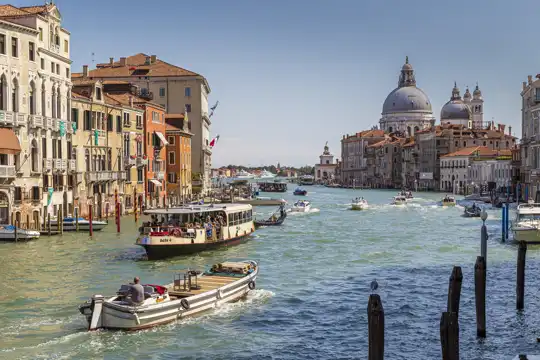
Most people get Venice wrong: it’s not a romantic theme park that you “do in a day,” it’s a functioning, slightly frayed island city that rewards patience and punishes rushed itineraries. It sits in northeastern Italy, in the Veneto region, floating in its lagoon like a beautiful, waterlogged maze. For backpackers, Venice is high on atmosphere and low on bargains: dorm beds are pricey, food near San Marco is a trap, and you pay extra for every lazy decision. But wandering empty alleys at night, riding the vaporetto down the Grand Canal, and ducking into the Doge’s Palace or the Accademia genuinely feel world-class. It’s safe, walkable, and easy to navigate, but meeting other travelers is more hostel-common-room than bar-crawl. Compared with nearby Padua or Trieste, Venice is more magical, less “real life,” and absolutely worth a focused 1–2 days if you play the money–time–comfort game smart.

Discover everything you want to know in the 📖 Italy Travel Guide.


Get your Italy guide
143 ranked highlights, routes & tips, works offline (526 pages)
Loading the map 🌍
CLICK TO FILTER
cities
towns
villages
landmarks
national parks
hikes
beaches
attractions
festivals
regions
SHOW COUNTRY’S BESTSHOW ALL

✨ Why go?
Ranked #2 city in Italy
The unique appeal for travelers

Venice is a backpacker’s playground that offers a unique blend of highlights and experiences without breaking the bank. The city’s walkability makes it a breeze to explore, allowing you to soak in the atmosphere while saving time and energy. You’ll find a range of hostels that cater to budget travelers, providing a solid basecamp for your adventures.

While Venice is famous for its canals and architecture, it also serves as a strategic hub for day trips to nearby gems like the Dolomites or the islands of Murano and Burano. This means you can enjoy a mix of urban and natural landscapes without the hassle of constant packing and unpacking.

Food is another highlight; you can indulge in authentic Venetian cuisine without splurging. Street food and local eateries offer delicious options that … read more 👉
Venice is a backpacker’s playground that offers a unique blend of highlights and experiences without breaking the bank. The city’s walkability makes it a breeze to explore, allowing you to soak in the atmosphere while saving time and energy. You’ll find a range of hostels that cater to budget travelers, providing a solid basecamp for your adventures.

While Venice is famous for its canals and architecture, it also serves as a strategic hub for day trips to nearby gems like the Dolomites or the islands of Murano and Burano. This means you can enjoy a mix of urban and natural landscapes without the hassle of constant packing and unpacking.

Food is another highlight; you can indulge in authentic Venetian cuisine without splurging. Street food and local eateries offer delicious options that keep your wallet happy.

As for nightlife, the city has a vibrant scene, from cozy bars to lively squares, perfect for unwinding after a day of exploration.

In short, Venice fits seamlessly into a backpacking route, making it more than just a stopover; it’s a place where you can dive deep into culture while keeping your travel style intact.
Want to include Venice in your Italy route?
Create a personalized Italy itinerary that includes Venice and the places that fit your trip — based on your travel style, budget, and available time. Get your route in seconds.

Generate my trip

💡 HighlightsMust-see experiences and standout moments

  • Basilica di San Marco — The golden mosaics, Byzantine art and the Pala d’Oro altar screen are something you need to see in person; climb the terrace for a peek into the square and to appreciate how Venice staged its power for centuries.
  • Palazzo Ducale (Doge’s Palace) — A crooked mix of glittering rooms, political theater and the cold, cramped prisons across the Bridge of Sighs; you really feel the city’s civic life and contradictions here.
  • Rialto Bridge & Rialto Market — Iconic architecture and a living market: come early for the fish stalls, haggle a little, then linger on the bridge for that classic view of the Grand Canal.
  • Peggy Guggenheim Collection — Small but superb modern art in a palazzo on the canal; it’s intimate, unexpected and a great break from the old-master overload everyone
read more 👉
  • Basilica di San Marco — The golden mosaics, Byzantine art and the Pala d’Oro altar screen are something you need to see in person; climb the terrace for a peek into the square and to appreciate how Venice staged its power for centuries.
  • Palazzo Ducale (Doge’s Palace) — A crooked mix of glittering rooms, political theater and the cold, cramped prisons across the Bridge of Sighs; you really feel the city’s civic life and contradictions here.
  • Rialto Bridge & Rialto Market — Iconic architecture and a living market: come early for the fish stalls, haggle a little, then linger on the bridge for that classic view of the Grand Canal.
  • Peggy Guggenheim Collection — Small but superb modern art in a palazzo on the canal; it’s intimate, unexpected and a great break from the old-master overload everyone expects in Venice.
  • Scuola Grande di San Rocco — A Tintoretto marathon: ceilings and walls thick with his dramatic scenes. If you care about painting, this is one of those visits that quietly floors you.
  • Venetian Ghetto (Ghetto Nuovo) — The oldest Jewish ghetto in Europe; fascinating synagogues, a modest museum and neighborhood life that tells a side of Venice too often missed by tourists.
  • San Giorgio Maggiore (island & campanile) — The Palladian church is elegant and the bell tower gives an unmistakable, postcard-perfect panorama of Venice’s rooftops and laguna — best at golden hour.
  • Santa Maria della Salute — A dramatic Baroque church guarding the mouth of the Grand Canal; it’s beautiful inside and frames the canal entrance in a way that’s uniquely Venetian.
  • Teatro La Fenice — One of Europe’s most storied opera houses: tour the ornate auditorium or, even better, catch a performance for the full, theatrical Venetian experience.
  • Libreria Acqua Alta — A chaotic, charming secondhand bookstore where books live in gondolas and bathtubs; it’s quirky, photogenic, and somehow captures Venice’s improvisational spirit.
A few great day trips nearby are Murano (glassblowing), Burano (the candy-colored houses and lace), Torcello (ancient cathedral and quiet lanes) and the Lido (beaches); Burano is my personal favorite for its relaxed vibes and vivid streets.
Spotted a mistake or missing something? Contact us.

Things to do in Venice

Ratings based on Tripadvisor reviews. When you book through this link, you support our work at no extra cost to you.

🏘️ NeighborhoodsKey areas and districts to know

Venice is a labyrinth of neighborhoods, each with its own flavor and advantages for backpackers. Here’s how to navigate the city’s districts, balancing time, money, and comfort.

San Marco: This is the heart of Venice, where you’ll find the iconic basilica and bustling squares. It’s tourist central, so expect higher prices and crowds. Great for short stays if you want to soak in the sights quickly. Walkable, but be prepared for noise at night.

Cannaregio: A more local vibe, this area offers a mix of history and charm without the tourist price tag. It’s quieter, perfect for longer stays where you can explore hidden canals and authentic eateries. Walkability is excellent, and it’s well-connected by vaporetto (water bus).

Dorsoduro: Home to art galleries and the famous Peggy Guggenheim Collection, … read more 👉
Venice is a labyrinth of neighborhoods, each with its own flavor and advantages for backpackers. Here’s how to navigate the city’s districts, balancing time, money, and comfort.

San Marco: This is the heart of Venice, where you’ll find the iconic basilica and bustling squares. It’s tourist central, so expect higher prices and crowds. Great for short stays if you want to soak in the sights quickly. Walkable, but be prepared for noise at night.

Cannaregio: A more local vibe, this area offers a mix of history and charm without the tourist price tag. It’s quieter, perfect for longer stays where you can explore hidden canals and authentic eateries. Walkability is excellent, and it’s well-connected by vaporetto (water bus).

Dorsoduro: Home to art galleries and the famous Peggy Guggenheim Collection, this neighborhood has a laid-back atmosphere. Prices are moderate, making it suitable for budget-conscious travelers. It’s walkable and offers a good balance of nightlife and tranquility, ideal for both short and extended visits.

Santa Croce: This area is often overlooked, but it’s a budget-friendly option with fewer tourists. It’s a bit further from major attractions, so expect to walk more. However, it’s a great place for longer stays if you want to experience local life. Transport access is decent, with vaporetto stops nearby.

Castello: A blend of history and local culture, Castello is quieter and less commercialized. Prices are reasonable, making it a solid choice for budget travelers. It’s walkable and offers a more authentic Venetian experience, perfect for longer stays where you can immerse yourself in the local scene.

⌛️ 1 day1-day itinerary for Venice

Venice is a labyrinth of canals, history, and art, where every corner reveals a story. It’s a city that dances on water, with its iconic gondolas and stunning architecture. You can feel the pulse of centuries past in the narrow alleys and bustling piazzas. With just one day, you can dive into its essence without feeling rushed.

Start your morning in the Cannaregio district. Grab a pastry and a cappuccino at a local café—try the “biscotti di mandorle” for a sweet kick. After fueling up, stroll along the Fondamenta della Misericordia, where you’ll find charming canals and fewer tourists. This area is a breath of fresh air, showcasing the authentic Venetian lifestyle.

Next, make your way to the Jewish Ghetto, one of the oldest in the world. It’s a poignant yet beautiful spot, with its small … read more 👉
Venice is a labyrinth of canals, history, and art, where every corner reveals a story. It’s a city that dances on water, with its iconic gondolas and stunning architecture. You can feel the pulse of centuries past in the narrow alleys and bustling piazzas. With just one day, you can dive into its essence without feeling rushed.

Start your morning in the Cannaregio district. Grab a pastry and a cappuccino at a local café—try the “biscotti di mandorle” for a sweet kick. After fueling up, stroll along the Fondamenta della Misericordia, where you’ll find charming canals and fewer tourists. This area is a breath of fresh air, showcasing the authentic Venetian lifestyle.

Next, make your way to the Jewish Ghetto, one of the oldest in the world. It’s a poignant yet beautiful spot, with its small synagogues and rich history. Spend some time exploring the quiet streets and perhaps visit the Jewish Museum. It’s a place that often gets overlooked but offers a profound connection to the city’s past.

In the afternoon, head toward San Marco. Yes, it’s touristy, but the grandeur of St. Mark’s Basilica and the Doge’s Palace is worth it. Climb the Campanile for a panoramic view of the city—just be prepared for the crowds. Afterward, take a leisurely walk through Piazza San Marco, soaking in the atmosphere.

As evening approaches, wander over to the Dorsoduro district. Here, you can find the Peggy Guggenheim Collection, a modern art museum housed in a stunning palazzo. It’s a perfect blend of art and tranquility, away from the throngs.

Wrap up your day with dinner at a local trattoria. Order the “sarde in saor,” a traditional Venetian dish, and savor the flavors as the sun sets over the canals. This day in Venice is a delicate balance of time, money, and comfort, allowing you to experience the city’s soul without feeling overwhelmed.
Turn your Venice visit into an Italy adventure
Build a complete Italy route with Venice, hidden gems, must-see destinations, and realistic travel times included.

Generate my trip

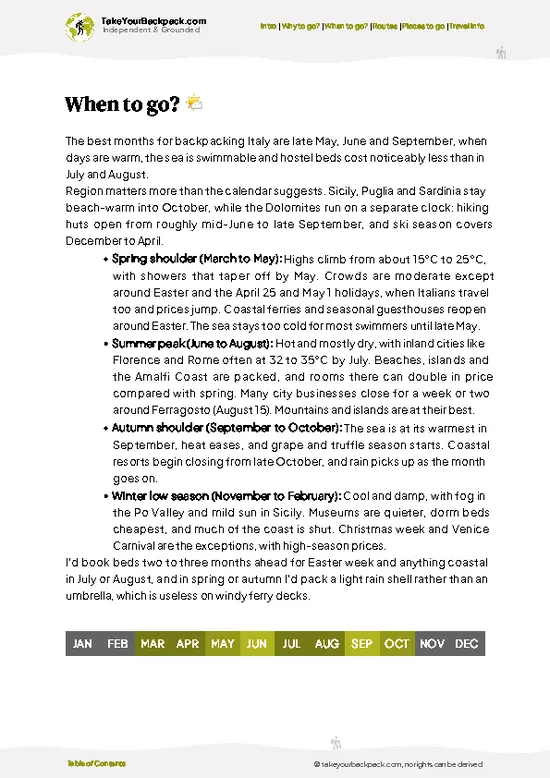
🌤️ When to go?Choosing the right time of year


  • Weather: Venice’s climate swings from chilly winters to hot, sticky summers. Spring and fall offer mild, pleasant weather—think 12-20°C (54-68°F)—perfect for wandering without overheating or freezing.

  • Temperature: Summer highs often hit 28-30°C (82-86°F), which can feel oppressive in the narrow alleys. Winter dips below 5°C (41°F), sometimes near freezing, making outdoor exploration brisk and less inviting.

  • Daylight Hours: Long summer days stretch up to 15 hours, giving you more time to explore but also more tourists. Winter days shrink to about 9 hours, limiting sightseeing but offering a quieter vibe.

  • Crowds: Peak season is June to August, when Venice swells with tourists, inflating prices and crowding landmarks. Shoulder seasons—April-May and September-October—balance manageable
read more 👉

  • Weather: Venice’s climate swings from chilly winters to hot, sticky summers. Spring and fall offer mild, pleasant weather—think 12-20°C (54-68°F)—perfect for wandering without overheating or freezing.

  • Temperature: Summer highs often hit 28-30°C (82-86°F), which can feel oppressive in the narrow alleys. Winter dips below 5°C (41°F), sometimes near freezing, making outdoor exploration brisk and less inviting.

  • Daylight Hours: Long summer days stretch up to 15 hours, giving you more time to explore but also more tourists. Winter days shrink to about 9 hours, limiting sightseeing but offering a quieter vibe.

  • Crowds: Peak season is June to August, when Venice swells with tourists, inflating prices and crowding landmarks. Shoulder seasons—April-May and September-October—balance manageable crowds with lively street life.

  • Seasonal Activities: Carnival in February is a spectacle but packs the city tightly. Autumn brings the Venice Biennale, an art lover’s jackpot, while winter’s fog and quiet canals reveal a different, more introspective Venice.

  • Price Fluctuations: Summer and Carnival season push accommodation and dining costs sky-high. Off-peak months like November and January offer the best deals but come with cooler weather and fewer events.


Pro-tip: Aim for late spring or early fall—Venice is lively but not suffocating, the weather is cooperative, and you’ll dodge the worst of the price spikes. It’s the sweet spot where comfort meets value.


source: climatestotravel.comJANJanuary: fair for travelingFEBFebruary: fair for travelingMARMarch: good for travelingAPRApril: highly recommended for travelingMAYMay: highly recommended for travelingJUNJune: good for travelingJULJuly: fair for travelingAUGAugust: fair for travelingSEPSeptember: highly recommended for travelingOCTOctober: highly recommended for travelingNOVNovember: fair for travelingDECDecember: fair for traveling
Italy - Venice

✈️ The backpacker research shortcutItaly Travel Guide

An offline-friendly backpacking guide with optimized travel routes, ranked highlights, transport advice, and the best areas to stay.
example page 0 from our offline Travel Guide for Italy
example page 1 from our offline Travel Guide for Italy
example page 2 from our offline Travel Guide for Italy
example page 3 from our offline Travel Guide for Italy
example page 4 from our offline Travel Guide for Italy
example page 5 from our offline Travel Guide for Italy
example page 6 from our offline Travel Guide for Italy
example page 7 from our offline Travel Guide for Italy
The digital guide (526 pages) contains:
143 highlights, ranked by travel appeal
Optimized 7, 14 & 21-day travel routes
Cities, national parks, landmarks, beaches
How to get around
Offline-friendly for travel without Wi-Fi
👉 Click to see all 30+ guide features

📅 Plan smarter in minutes, not weeks
Month by month travel advice
Festivals & national holidays
Budget expectations

🗺️ Go to the right places, skip the overrated ones
Honest pros & cons of destinations
Top hikes, parks & viewpoints
Lesser-known places most travelers miss
Clear “worth it vs skip it” guidance

🛏️ Travel smoothly without rookie mistakes
Best areas to stay
Transport systems explained simply
Common scams & safety advice
SIM cards, money & practical tips

🌍 Understand the country, not just visit it
Culture & traditions
52 Essential phrases & customs
Festivals worth planning around
Traveler-friendly historical context
Insights that make places more meaningful

📱 Built for real travel conditions
Fully downloadable PDF
Works completely offline
Optimized for phone use
Useful in remote areas & buses
Everything in one place
Save weeks of stressful planning
Get instant access to your full guide. 30‑day money-back guarantee.
+ Add another guide for just US$7.80

By proceeding you agree to our terms.
Sent to your inbox immediately after payment • 100% Secure Checkout
Best Backpacking Travel Advisor 2025 tourism awardBest Backpacking
Travel Advisor
2025
What others say about Take Your Backpack Guides:
⭐⭐⭐⭐⭐
Fantastic, amazing amount of information!
⭐⭐⭐⭐⭐
My goodness this is amazing, it's what I've been looking for hats off too you!
⭐⭐⭐⭐⭐
I think this is absolutely BRILLIANT
⭐⭐⭐⭐
Very complete and informative. It's still missing places, but I gotta to commend you
⭐⭐⭐⭐⭐
This is truly amazing, thank you, can't wait to explore it with my kids!
⭐⭐⭐⭐⭐
Awesome resource, thank you!
⭐⭐⭐⭐⭐
This is amazing! Can't wait to explore the ones I haven't seen
⭐⭐⭐⭐
I love this! Well done, great idea.
⭐⭐⭐⭐⭐
Thanks for taking the time to make this gem!
⭐⭐⭐⭐⭐
This might be the best website I've ever seen.
⭐⭐⭐⭐⭐
Congratulations, and thank you so much for your work; it's incredibly valuable.
⭐⭐⭐⭐
In all seriousness I think you did a great job pointing out the important spots
⭐⭐⭐⭐⭐
10/10 very good
⭐⭐⭐⭐⭐
As someone who's only just starting to visit regularly this is awesome, thank you.
⭐⭐⭐⭐
Thank you very much! I'm going to visit my dad, it's going to be very useful!
⭐⭐⭐⭐⭐
This is really cool! We'll be travelling for the first time and this definitely come in handy.
⭐⭐⭐⭐⭐
You are now our minister of culture, congratulations 👨‍💼
⭐⭐⭐⭐⭐
Just wanted to tell you that this is a pearl! Going to follow your recommendations.
⭐⭐⭐⭐⭐
This is so cool. I'll definitely be using the resource for my travels soon.
⭐⭐⭐⭐⭐
This is very impressive! Good work.
⭐⭐⭐⭐⭐
This is an amazing and informative site. Very well done!

🛏️ Where to stay?Choosing the right base

Venice is a maze of choices, but for backpackers hunting the sweet spot between safety, social buzz, and budget, two neighborhoods stand out: Cannaregio and Dorsoduro. Cannaregio is a no-nonsense pick. It’s less tourist-slammed than San Marco or the Rialto, which means you dodge the crowds without sacrificing access. The vibe here is local and lively, with plenty of canalside bars and eateries where you can strike up conversations with fellow travelers or Venetians. Hostels cluster around Fondamenta della Misericordia, offering affordable beds and a social atmosphere that’s perfect for solo backpackers … read more 👉
Venice is a maze of choices, but for backpackers hunting the sweet spot between safety, social buzz, and budget, two neighborhoods stand out: Cannaregio and Dorsoduro. Cannaregio is a no-nonsense pick. It’s less tourist-slammed than San Marco or the Rialto, which means you dodge the crowds without sacrificing access. The vibe here is local and lively, with plenty of canalside bars and eateries where you can strike up conversations with fellow travelers or Venetians. Hostels cluster around Fondamenta della Misericordia, offering affordable beds and a social atmosphere that’s perfect for solo backpackers looking to connect.

Dorsoduro, on the other hand, leans a bit more artsy and laid-back. It’s home to university students and creatives, so the energy is youthful but chill. You’ll find hostels tucked near the Accademia Bridge and along the Zattere promenade, places that balance quiet charm with enough nightlife to keep things interesting. The trade-off here is a slightly longer walk to the main tourist hubs, but that’s a small price for the comfort of fewer crowds and a more authentic slice of Venetian life.

Skip San Marco for stays unless you’re splurging; it’s packed, pricey, and more tourist trap than traveler haven. Instead, think of Cannaregio and Dorsoduro as your strategic bases—safe, social, and wallet-friendly—where you control your Venice experience rather than letting it control you.

🚌 Getting aroundHow to get from A to B

Venice moves like a slow, deliberate current, not a rushing river. The city’s rhythm is less about strict timetables and more about ebb and flow—boats glide through canals on their own schedules, and crowds pulse through narrow alleys with a mix of purpose and wandering curiosity. Here, time is elastic; you can sprint to catch a vaporetto or stroll and let the city unfold at its own pace. Your choices between speed, cost, and comfort will shape how you experience Venice’s unique pulse, so understanding the trade-offs is your secret weapon.


  • Walking: The ultimate budget option and the purest way to absorb Venice’s character. Free, obviously, but it demands time and energy. Expect to zigzag through labyrinthine streets and over countless bridges. It’s slow, but every step reveals details
read more 👉
Venice moves like a slow, deliberate current, not a rushing river. The city’s rhythm is less about strict timetables and more about ebb and flow—boats glide through canals on their own schedules, and crowds pulse through narrow alleys with a mix of purpose and wandering curiosity. Here, time is elastic; you can sprint to catch a vaporetto or stroll and let the city unfold at its own pace. Your choices between speed, cost, and comfort will shape how you experience Venice’s unique pulse, so understanding the trade-offs is your secret weapon.


  • Walking: The ultimate budget option and the purest way to absorb Venice’s character. Free, obviously, but it demands time and energy. Expect to zigzag through labyrinthine streets and over countless bridges. It’s slow, but every step reveals details missed from a boat or bus. No schedules, just your own pace.


  • Vaporetto (Public Water Bus): Venice’s backbone transit. Runs roughly from 5:30 AM to midnight, with tickets around €7.50 for a single ride. It’s the fastest way to cover long distances across the lagoon, but expect crowds during peak hours and limited seating comfort. The vaporetto is a balance—moderate cost, decent speed, and a chance to see Venice from the water without breaking the bank.


  • Traghetto (Gondola Ferry): A quick, cheap alternative to walking across the Grand Canal. Costs about €2 per crossing, runs all day but only at specific points. It’s cramped and brief—just a minute or two—but offers a splash of gondola romance without the tourist price tag. Perfect for saving time on foot but not for long rides.


  • Water Taxi: The luxury express lane. Private, fast, and comfortable, but expect to pay upwards of €40 for short trips. Ideal if you’re tight on time and want door-to-door service, but it’s a steep price for budget travelers. Use sparingly when time is your top priority.


  • Bicycle: Technically limited in Venice’s historic center due to narrow streets and bridges, but useful on the mainland or Lido. Cheap to rent, fast on flat stretches, but not practical for the core city. Consider this if you’re mixing Venice with nearby areas and want to save time without spending much.

👛 Costs (as of 4 September 2026)How expensive it really is

Backpacking in Venice means balancing your budget against the city’s unique charm and inevitable tourist premiums. Here’s the real cost breakdown to help you play that trade-off game smartly:
  • Dorm Accommodation (High Season): Expect to pay around €35-€50 per night. Venice’s peak months (spring through early fall) push prices up due to demand, especially near the main islands.
  • Dorm Accommodation (Off-Season): Drop to about €20-€35 per night. Winter months and late fall bring quieter streets and better deals, but some places may close or reduce services.
  • Meals: Budget about €15-€25 daily if you stick to casual spots, bakeries, and markets. Venice’s tourist zones inflate prices, so hunting down cicchetti bars (Venetian tapas) or supermarket snacks can save you a bundle.
  • Local Transport: Vaporetto
read more 👉
Backpacking in Venice means balancing your budget against the city’s unique charm and inevitable tourist premiums. Here’s the real cost breakdown to help you play that trade-off game smartly:
  • Dorm Accommodation (High Season): Expect to pay around €35-€50 per night. Venice’s peak months (spring through early fall) push prices up due to demand, especially near the main islands.
  • Dorm Accommodation (Off-Season): Drop to about €20-€35 per night. Winter months and late fall bring quieter streets and better deals, but some places may close or reduce services.
  • Meals: Budget about €15-€25 daily if you stick to casual spots, bakeries, and markets. Venice’s tourist zones inflate prices, so hunting down cicchetti bars (Venetian tapas) or supermarket snacks can save you a bundle.
  • Local Transport: Vaporetto (water bus) rides cost roughly €7.50 per single trip. If you plan multiple rides, this adds up fast.
  • City Transport Pass: A 24-hour ACTV pass runs about €20, giving unlimited vaporetto access. It’s a no-brainer if you want to explore multiple islands or avoid walking miles with a pack.
  • Basic Activities/Entry Fees: Museums and churches typically charge €5-€15. Some iconic spots like the Doge’s Palace are closer to €25, so pick your must-sees wisely.
  • Miscellaneous Expenses: Factor in about €5-€10 for essentials like bottled water, occasional coffee, or small souvenirs. Venice’s charm can tempt you to spend more, so keep this buffer tight.

All told, a savvy backpacker in Venice can expect to spend between €60 and €100 per day, depending on season and how much you lean into comfort versus scrappy local finds. The key trade-off here is between paying a premium for convenience and location versus hunting down deals and walking more. Venice’s labyrinthine layout rewards those who embrace slow exploration on foot, saving transport costs and soaking in the city’s rhythm.


source: numbeo.com
⚠️ Prices can change and everyone travels differently, so take this as a rough guide. Hope it helps you plan your adventure!

🚌 Day tripsEasy escapes and nearby places

Venice is a fantastic launchpad for day trips that blend culture, nature, and local flavor. Here are some standout options that make the most of your time and money.

Murano
Just a short vaporetto ride away, Murano is famous for its glass-making. You can watch artisans at work and even snag a unique piece to take home. The trip takes about 30 minutes, and you can easily spend a few hours exploring the charming canals and shops. Budget around €10 for the round trip. Avoid the tourist traps that sell mass-produced glass; instead, look for workshops where you can see the craft in action. Early morning is best to beat the crowds.


Burano
Known for its colorful houses and lace-making, Burano is a feast for the eyes. The journey from Venice takes about 45 minutes. Once there, stroll through … read more 👉
Venice is a fantastic launchpad for day trips that blend culture, nature, and local flavor. Here are some standout options that make the most of your time and money.

Murano
Just a short vaporetto ride away, Murano is famous for its glass-making. You can watch artisans at work and even snag a unique piece to take home. The trip takes about 30 minutes, and you can easily spend a few hours exploring the charming canals and shops. Budget around €10 for the round trip. Avoid the tourist traps that sell mass-produced glass; instead, look for workshops where you can see the craft in action. Early morning is best to beat the crowds.


Burano
Known for its colorful houses and lace-making, Burano is a feast for the eyes. The journey from Venice takes about 45 minutes. Once there, stroll through the vibrant streets and enjoy a seafood lunch at a local trattoria. Expect to spend around €15 for the round trip. A common mistake is to rush through; take your time to soak in the atmosphere and snap photos. Late afternoon offers the best light for photography.


Padua
A bit further afield, Padua is about an hour away by train and offers rich history and stunning architecture. Visit the Scrovegni Chapel to see Giotto’s frescoes, and wander through the botanical gardens, one of the oldest in the world. Total costs can be around €20 for the train and entrance fees. Many first-timers overlook the local cuisine; don’t miss trying a plate of bigoli pasta. Spring is ideal for enjoying the gardens in full bloom.
👉 Explore Padua

Vicenza
Famous for its Palladian architecture, Vicenza is just over an hour from Venice. The city feels like an open-air museum, with stunning buildings at every turn. You can explore the Teatro Olimpico and grab a coffee in the lively piazzas. Expect to spend about €15 for the round trip. A common pitfall is not checking train schedules; plan your return to avoid being stranded. Autumn is particularly lovely here, with fewer tourists.
👉 Explore Vicenza

Each of these trips offers a unique slice of Italian life, making them well worth your time and investment.
Want to know what more Italy offers?
The Italy Travel Guide describes 143 highlights, from cities to national parks, from beaches to hikes

Get the Travel Guide -

🍲 FoodLocal Cuisine & Drinks

In Venice, food and drink are as much about the experience as they are about the flavors. Start with cicchetti, those delightful little bites that are the Venetian answer to tapas. You’ll find them in bustling bacari, local wine bars where you can pair a glass of ombra (a small glass of wine) with a few of these savory snacks. Think marinated seafood, cured meats, and fresh bread topped with local cheeses.

Don’t miss out on sarde in saor, a sweet-and-sour sardine dish that captures the essence of Venetian cuisine. It’s a perfect example of how the city’s history influences its flavors. For something heartier, try risotto al nero di seppia, a squid ink risotto that’s as rich in taste as it is in color.

When it comes to drinks, spritz is the local favorite. This refreshing cocktail, made … read more 👉
In Venice, food and drink are as much about the experience as they are about the flavors. Start with cicchetti, those delightful little bites that are the Venetian answer to tapas. You’ll find them in bustling bacari, local wine bars where you can pair a glass of ombra (a small glass of wine) with a few of these savory snacks. Think marinated seafood, cured meats, and fresh bread topped with local cheeses.

Don’t miss out on sarde in saor, a sweet-and-sour sardine dish that captures the essence of Venetian cuisine. It’s a perfect example of how the city’s history influences its flavors. For something heartier, try risotto al nero di seppia, a squid ink risotto that’s as rich in taste as it is in color.

When it comes to drinks, spritz is the local favorite. This refreshing cocktail, made with Prosecco, Aperol, and a splash of soda, is best enjoyed while people-watching at a canal-side café.

Eating in Venice is often a communal affair. Expect to share tables in crowded spots, and don’t be shy about striking up conversations with locals. Just remember, meals are meant to be savored, so take your time and enjoy the vibrant atmosphere.

🛡️ SafetyTraveler Safety Guide

Venice is generally safe, but like any city, it has its quirks. Stay aware in crowded areas like St. Mark’s Square and the Rialto Bridge, where pickpockets might lurk. Keep your belongings close and avoid flashy displays of wealth.

If you’re traveling solo, especially at night, stick to well-lit paths. The narrow alleys can feel eerie after dark, so trust your instincts.

Common scams include overly friendly locals offering unsolicited help or guiding you to shops where they receive a kickback. Politely decline and stick to your plan.

Annoyances often come in the form of tourist traps—restaurants with inflated prices. Look for places bustling with locals; they usually offer better food and prices.

Overall, carry yourself with confidence, stay aware, and you’ll navigate Venice like a … read more 👉
Venice is generally safe, but like any city, it has its quirks. Stay aware in crowded areas like St. Mark’s Square and the Rialto Bridge, where pickpockets might lurk. Keep your belongings close and avoid flashy displays of wealth.

If you’re traveling solo, especially at night, stick to well-lit paths. The narrow alleys can feel eerie after dark, so trust your instincts.

Common scams include overly friendly locals offering unsolicited help or guiding you to shops where they receive a kickback. Politely decline and stick to your plan.

Annoyances often come in the form of tourist traps—restaurants with inflated prices. Look for places bustling with locals; they usually offer better food and prices.

Overall, carry yourself with confidence, stay aware, and you’ll navigate Venice like a pro. Enjoy the magic of the canals without letting minor bumps spoil your adventure.

FAQCommon questions from travelers

3 days are sufficient to explore Venice's main attractions, including St. Mark's Basilica, the Doge's Palace, and a gondola ride through the canals. This allows time for wandering the narrow streets and visiting nearby islands like Murano and Burano. More time is needed if you want to explore museums or attend events like the Venice Biennale.
Yes, Venice is generally safe for solo backpackers, with low violent crime rates. However, petty theft like pickpocketing can occur, especially in crowded tourist areas and on public transport. Staying alert and securing belongings is essential, particularly during busy months like July and August.
Venice is known for its intricate canal system, historic architecture, and art heritage. The city is famous for landmarks such as the Rialto Bridge and St. Mark's Square, as well as its traditional gondolas. Venice also hosts the annual Carnival, featuring elaborate masks and costumes.
⚠️ Things can change over time, so always validate details locally before you go.

Other Italian cities near Venice

Explore more nearby:

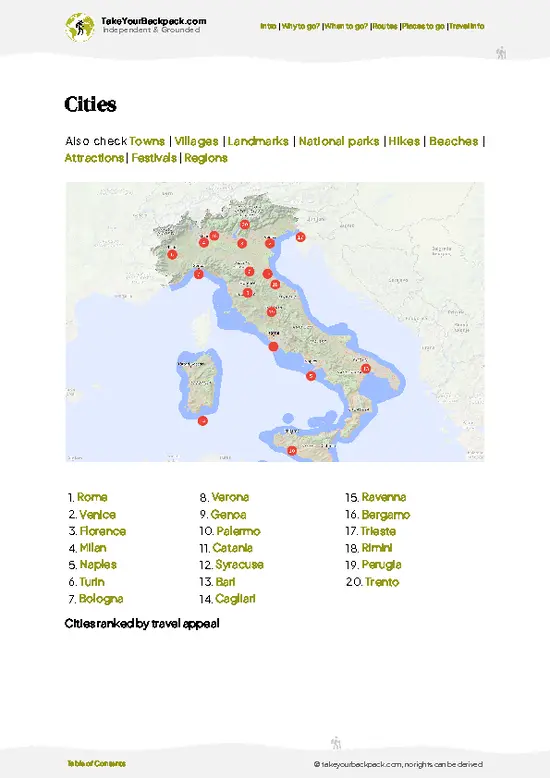
  • Padua—frescoed chapels, botanical gardens, arcaded piazzas| 34 km away
  • Vicenza—Palladian villas, arcaded streets, goldsmith workshops| 62 km away
  • Ferrara—moated castle, Renaissance walls, cycling routes| 86 km away

💡 Not sure where to go next?
Create a personalized itinerary for Italy including Venice and the places that fit your trip.

Generate my itinerary

👉 Discover all cities

Or checkout all Italy has to offer (think cities, towns, villages, national parks, hikes, beaches, festivals)
Country photo of Italy

We 💚 feedbackIs it worth it?

Venice is a living masterpiece, where every canal tells a story and every piazza hums with history. You can lose yourself wandering its labyrinthine streets, soaking in the art and culture. But here’s the catch: it’s crowded, especially in peak season. You’ll sacrifice some tranquility for the experience. Embrace the chaos, though; it’s part of Venice’s charm. Just plan your visits wisely, and you’ll find those quieter moments amid the bustle.

✈️ When did I visit Italy?
Italy I have vistited a couple of times: Rome already when I was still in high school, and I did a 7 day hike in the Dolomites in 2021.

✍️ Help improve this page!
The information on this page is based on my own backpacking experience in Italy, supplemented with up-to-date research and feedback from other travelers. Travel details can change, so if you notice anything outdated or incomplete, feel free to let me know.


🙋‍♂️ Give feedback

👋 Meet the founderWho’s Behind Take Your Backpack?

Johan, backpacker and founder of TakeYourBackpackHi, I’m Johan (Netherlands 🇳🇱), the creator of TakeYourBackpack. Over the past decade, I’ve backpacked through 80+ countries across six continents, gaining extensive experience with independent travel, long-term trips, and overland routes.

This site is built on a combination of firsthand travel experience and carefully curated insights from other backpackers. Many guides are based on places I’ve personally visited, while others bring together tips, observations, and practical advice shared by trusted travelers I’ve met along the way.

The goal is to provide realistic, experience-driven guidance — not generic itineraries — so you can explore destinations with better context, clearer expectations, and more confidence.

Get full Italy guide •
Instant download • 143 highlights • Full Offline guide