
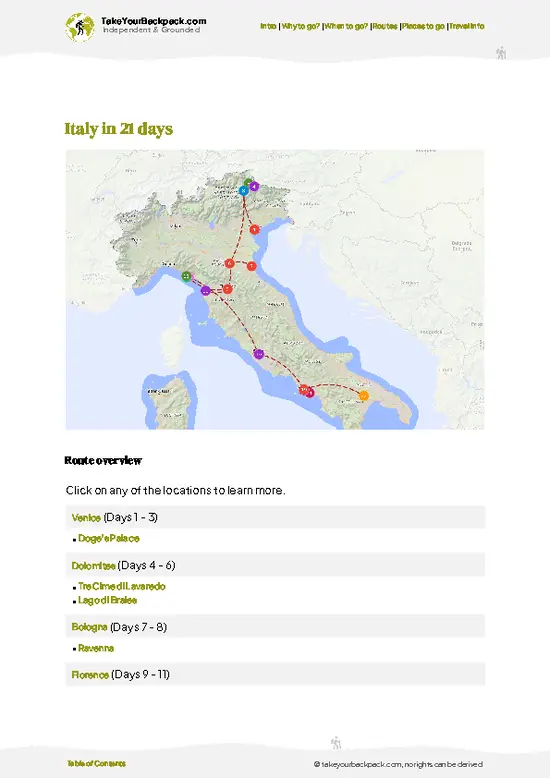
- Palazzo dei Normanni & Cappella Palatina — The Norman royal palace with an absolutely jaw-dropping chapel: gold Byzantine mosaics, Arab-influenced muqarnas and a history that layers Norman, Arab and Byzantine Palermo into one room. Book a timed visit to see the mosaics up close.
- Palermo Cathedral (Duomo) — A mashup of styles from Norman to Baroque with royal tombs and, if you’re fit, access to terraces for panoramic views over the old city and the sea. It’s a stone-thick textbook of Palermo’s messy beauty.
- Teatro Massimo — Italy’s largest opera house (famous from “The Godfather III”) with guided tours that show off the grand auditorium and backstage areas — and an atmosphere that still feels civic and lived-in, not a sterile museum.
- Mercati di Ballarò & Il Capo — Two working street markets
- Palazzo dei Normanni & Cappella Palatina — The Norman royal palace with an absolutely jaw-dropping chapel: gold Byzantine mosaics, Arab-influenced muqarnas and a history that layers Norman, Arab and Byzantine Palermo into one room. Book a timed visit to see the mosaics up close.
- Palermo Cathedral (Duomo) — A mashup of styles from Norman to Baroque with royal tombs and, if you’re fit, access to terraces for panoramic views over the old city and the sea. It’s a stone-thick textbook of Palermo’s messy beauty.
- Teatro Massimo — Italy’s largest opera house (famous from “The Godfather III”) with guided tours that show off the grand auditorium and backstage areas — and an atmosphere that still feels civic and lived-in, not a sterile museum.
- Mercati di Ballarò & Il Capo — Two working street markets where you eat, haggle, and watch Palermo’s daily life happen: arancine, fresh fish, spices, shouting vendors, old men playing cards. Pure, noisy, delicious anthropology.
- Catacombe dei Cappuccini — Not for everyone, but historically fascinating: a macabre display of mummified locals and Victorian-era curiosities that tells you more about social status, religion and death rituals in Sicily than any textbook.
- Chiesa di San Giovanni degli Eremiti — The little red-domed Norman church in the historic centre feels like a quiet pocket of Palermo’s Arab-Norman past. The cloister and garden are great for a slow, reflective half-hour.
- Santa Maria dell’Ammiraglio (La Martorana) & San Cataldo — Two neighboring churches: Martorana’s intense Byzantine mosaics and San Cataldo’s distinctive red domes are a compact lesson in Palermo’s cross-cultural medieval art and architecture.
- Quattro Canti & Fontana Pretoria — The theatrical heart of the old city: an axis of Baroque facades (Quattro Canti) and the striking Fontana Pretoria nearby. Great for people-watching and to orient yourself through the historic grid.
- Palazzo Abatellis (Galleria Regionale della Sicilia) — A Gothic-palace museum with standout medieval and Renaissance paintings (including works by Antonello da Messina) and a peaceful courtyard — art without the huge crowds.
- Castello della Zisa — A lesser-seen Norman “palace of delights” with clear Islamic architectural inspiration. The building and its decorative details show the island’s multicultural past in a quieter, less touristy setting.
Spotted a mistake or missing something? Contact us.

Cooking class in a villa with Palermo view

Palermo Airport transfers to/from Palermo city center (One-way)

Tour Palermo city

Sicilian Cooking Class : Homemade Pasta

Authentic Sicilian Cooking Class in Palermo

Guided tour of the historic center Palermo

Cooking Class in Palermo - fresh pasta and tiramisù

Palermo Private Food Tour: 10+ Tastings of Arancini, Wine & More

Private Palermo Pasta & Tiramisu Experience by Cesarine


 Best Backpacking

 Hi, I’m Johan (Netherlands 🇳🇱), the creator of TakeYourBackpack. Over the past 3 decades, I’ve backpacked through 90+ countries across six continents, gaining extensive experience with independent travel, long-term trips, and overland routes.