v2.webp)

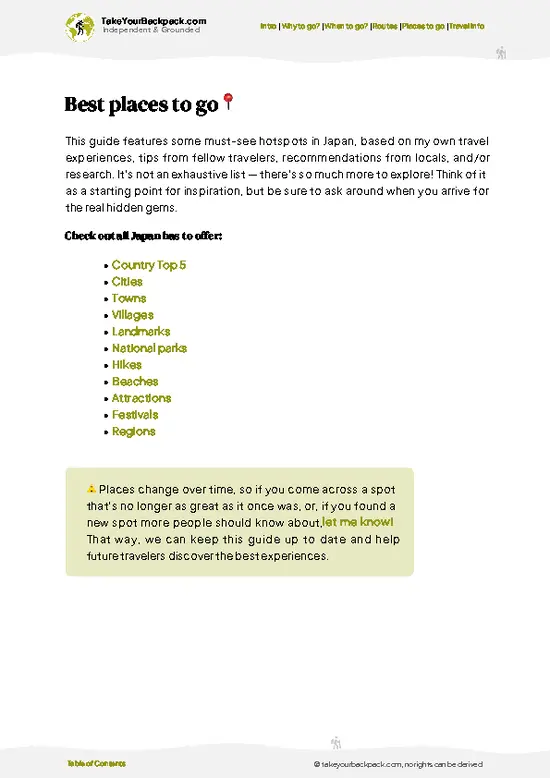

- Historical Costume Procession — A slow, city-spanning parade where participants march in period-accurate dress from across Japanese history. What makes it special is the sheer scale and continuity: you watch centuries of styles, ranks and regional looks unfold in sequence, which feels like a living timeline rather than a staged show. (Personal favorite — it’s the part that gives you the biggest “wow” and the best photo moments.)
- Heian Court Re-creations and Shrine Ceremonies — Elegant court robes, formal processions and ritual at the shrine give the festival a quieter, ceremonial side. The contrast between the stately, slow-moving court elements and the louder street procession highlights the festival’s link to Kyoto’s imperial past.
- Samurai, Armor and Warrior Contingents — Armored retainers,
- Historical Costume Procession — A slow, city-spanning parade where participants march in period-accurate dress from across Japanese history. What makes it special is the sheer scale and continuity: you watch centuries of styles, ranks and regional looks unfold in sequence, which feels like a living timeline rather than a staged show. (Personal favorite — it’s the part that gives you the biggest “wow” and the best photo moments.)
- Heian Court Re-creations and Shrine Ceremonies — Elegant court robes, formal processions and ritual at the shrine give the festival a quieter, ceremonial side. The contrast between the stately, slow-moving court elements and the louder street procession highlights the festival’s link to Kyoto’s imperial past.
- Samurai, Armor and Warrior Contingents — Armored retainers, banners and martial pageantry add drama and texture. Seeing traditional armor, helmets and military dress up close (and sometimes with mounted figures or weapon displays) makes the historical stories feel physical and immediate.
- Traditional Music and Period Performances — Ancient court music, flutes, drums and stylized dances pop up around the shrine and along the route. The instruments and rhythms are distinct from modern festival noise, so these performances give a strong sense of historical sound and atmosphere.
- Living-history Vibe, Crafts and Photo Opportunities — Local people, artisans and volunteers bring a serious attention to costume and detail. It’s one of the best festivals in Japan for photography and for spotting handcrafted textiles, lacquerwork and traditional tailoring — plus quick chat opportunities with participants if you’re polite and curious.
Spotted a mistake or missing something? Contact us.
 Best Backpacking
.jpg) Hi, I’m Johan (Netherlands 🇳🇱), the creator of TakeYourBackpack. Over the past 3 decades, I’ve backpacked through 90+ countries across six continents, gaining extensive experience with independent travel, long-term trips, and overland routes.
Hi, I’m Johan (Netherlands 🇳🇱), the creator of TakeYourBackpack. Over the past 3 decades, I’ve backpacked through 90+ countries across six continents, gaining extensive experience with independent travel, long-term trips, and overland routes.