v2.webp)
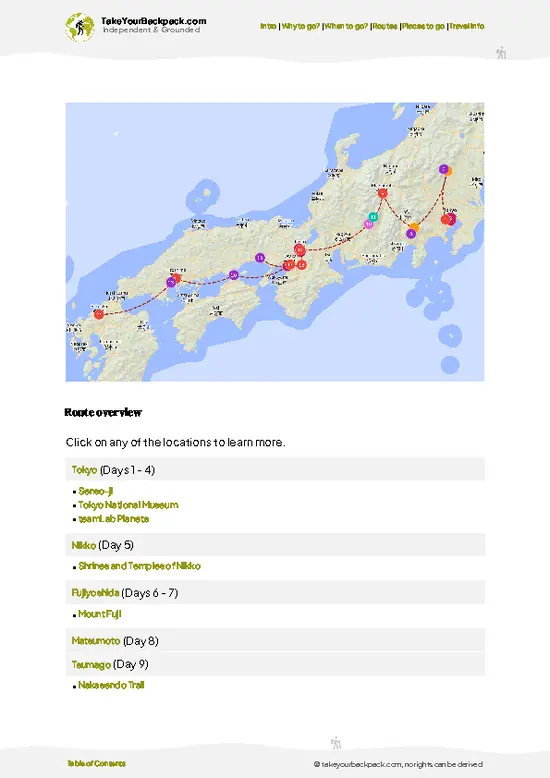
- Koyasan (Mount Koya), Wakayama — A real town built around a huge monastic complex: overnight in a shukubo (temple stay), join morning prayers, and wander the atmospheric Okunoin cemetery by torchlight. Intense, peaceful, and full of living Buddhist practice — personal favorite for the quiet, otherworldly vibe and the best temple breakfast you’ll ever begrudgingly enjoy.
- Kumano Kodo pilgrimage trails, Kii Peninsula (Wakayama/Nara) — Ancient pilgrimage routes through old-growth forest, coastal views and rural villages linking three Kumano shrines. It’s hiking that feels spiritual and local at the same time: onsen dips, rustic guesthouses, and shrines you actually arrive at on foot.
- Amanohashidate, Miyazu (northern Kyoto) — A narrow pine-lined sandbar that you can walk or bike across, with
- Koyasan (Mount Koya), Wakayama — A real town built around a huge monastic complex: overnight in a shukubo (temple stay), join morning prayers, and wander the atmospheric Okunoin cemetery by torchlight. Intense, peaceful, and full of living Buddhist practice — personal favorite for the quiet, otherworldly vibe and the best temple breakfast you’ll ever begrudgingly enjoy.
- Kumano Kodo pilgrimage trails, Kii Peninsula (Wakayama/Nara) — Ancient pilgrimage routes through old-growth forest, coastal views and rural villages linking three Kumano shrines. It’s hiking that feels spiritual and local at the same time: onsen dips, rustic guesthouses, and shrines you actually arrive at on foot.
- Amanohashidate, Miyazu (northern Kyoto) — A narrow pine-lined sandbar that you can walk or bike across, with postcard viewpoints on both sides. The setting — sea, islands, and easy local seafood — is a visual combo you won’t mistake for anywhere else in Japan.
- Kinosaki Onsen, Hyogo — A classic onsen town where people in yukata hop between seven public baths along willow-lined canals. It’s very photogenic but still genuinely local: grab a rentable kimono, try the crab in season, and pace yourself between baths.
- Shigaraki pottery town (Shiga) — hidden gem — Kilns, hands-on pottery studios and a slow town full of ceramic shops and tanuki statues everywhere. If you like craft culture, you can take a workshop, watch firing methods, and leave with something truly made in the region.
- Lake Biwa & Chikubu Island (Shiga) — Japan’s largest freshwater lake with cycling routes, fishing villages and a ferry to mysterious Chikubu Island (shrine and temple perched on a rocky islet). It’s a mix of water landscapes, village life and quieter shrine culture that feels very Kansai-specific.
- Osaka food scene: Kuromon Ichiba & street eats — Osaka’s personality is in its food: takoyaki, okonomiyaki, kushikatsu and lively markets where chefs shop every morning. Eat like a local at Kuromon, bar hop izakaya alleys, and don’t be shy about standing at a stall and digging in.
- Mount Yoshino (Nara) — A sacred mountain threaded with ancient temples and tens of thousands of cherry trees stacked up the slopes. It’s been a pilgrimage and hanami spot for centuries — the layered temple hamlets and springtime bloom are uniquely dramatic.
- Asuka Village, Nara — hidden gem — Quiet countryside with early Japan history: kofun tombs, megaliths like Ishibutai, and simple local shrines spread across rice fields. Rent a bike and you’ll feel like you’ve found the Japan most guidebooks skip.
- Ine no Funaya (Ine Bay, northern Kyoto) — hidden gem — A small fishing village where traditional wooden boathouses (funaya) sit on the water’s edge and you can kayak or take a boat tour between them. It’s slow, photogenic and very specific to this pocket of the Sea of Japan coast.
Spotted a mistake or missing something? Contact us.

Samurai Training Experience KENDO in Osaka

Private Tea Ceremony and Sake Tasting in Kyoto Samurai House

Osaka Sake Tasting & Takoyaki Cooking Experience
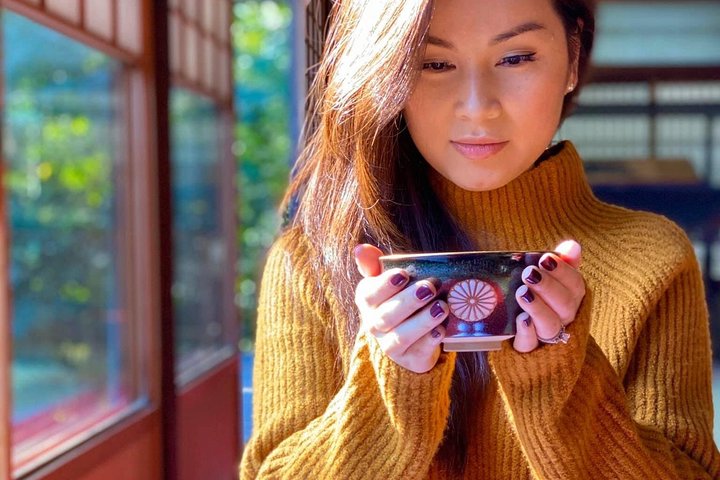
Private car tour in Kyoto (up to 4)

Become a Samurai Movie Star in Kyoto by Filming with a Real Actor
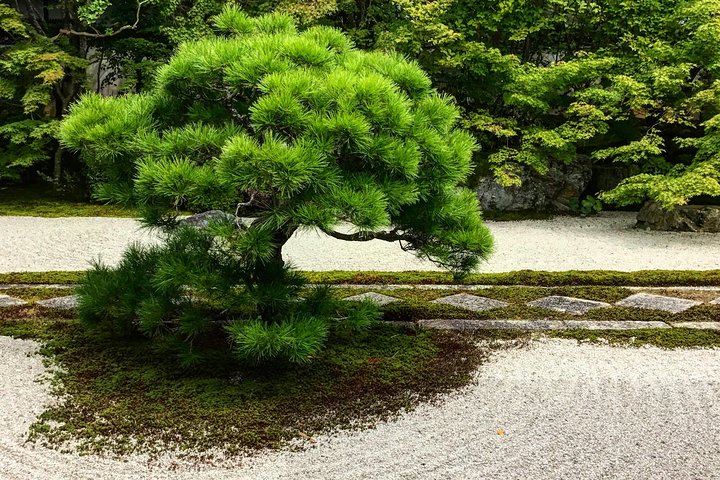
Kyoto: Zen Garden, Zen Mind (Private)

Kyoto: Zen Meditation at a Private Temple with a Monk

Near Fushimiinari: Kyoto Home Cooking Class & Supermarket tour

Kyoto: Meet the Geisha with Performance, Photos & Q&A


 Best Backpacking
.jpg) Hi, I’m Johan (Netherlands 🇳🇱), the creator of TakeYourBackpack. Over the past 3 decades, I’ve backpacked through 90+ countries across six continents, gaining extensive experience with independent travel, long-term trips, and overland routes.
Hi, I’m Johan (Netherlands 🇳🇱), the creator of TakeYourBackpack. Over the past 3 decades, I’ve backpacked through 90+ countries across six continents, gaining extensive experience with independent travel, long-term trips, and overland routes.