×

Japan🇯🇵 | regionsIya Valleyvine bridges, deep gorges, remote hamlets | things to do and best time to go

Explore Chugoku regionExplore Japanese Alps

Backpacking in Iya Valley
👍 Recommendedregion ranked #5
By Johan Kruseman 🇳🇱 | Updated September 4, 2026

Everyone shows up to Iya Valley for “Japan’s scariest vine bridge” and that one Instagram cliff road, but the real trade-off here isn’t adrenaline. It’s how much time and effort you’re willing to burn to get a quieter, older Japan. Iya sits deep in Tokushima Prefecture on Shikoku, wedged between steep gorges and tiny farm hamlets that feel a decade behind the mainland. For backpackers, it’s gorgeous and calm, with hot springs, hiking, and misty ridgelines, but buses are sparse, hitchhiking is common, and costs creep up because you’re stuck with limited food and lodging options. It feels far more genuine than Takamatsu or Tokushima City, and way less packaged than Kyoto, but that also means fewer hostels, less nightlife, and almost no English safety net. If you like trading convenience for raw scenery and slow conversations, Iya pays off.

Discover everything you want to know in the 📖 Japan Travel Guide.


Get your Japan guide
140 ranked highlights, routes & tips, works offline (482 pages)
Loading the map 🌍
CLICK TO FILTER
cities
towns
villages
landmarks
national parks
hikes
beaches
attractions
festivals
regions
SHOW COUNTRY’S BESTSHOW ALL

✨ Why go?
Ranked #5 region in Japan
Why Iya Valley should be on your travel list

Backpackers flock to the Iya Valley for a blend of nature and culture that feels like a well-kept secret. This region offers a stunning variety of landscapes — from steep, vine-covered gorges to tranquil rice paddies. You can hike through ancient forests, soak in hot springs, and explore traditional thatched-roof villages, all without the hassle of constant relocation.

Transport here is surprisingly flexible. You can rent a bike or hop on a local bus, making it easy to navigate between experiences at your own pace. This is slow travel at its finest; you’re not just ticking off boxes but truly soaking in the atmosphere.

The beauty of Iya Valley lies in its high-value experiences. You can savor local cuisine, like Iya soba, while chatting with friendly locals who are eager to share their … read more 👉
Backpackers flock to the Iya Valley for a blend of nature and culture that feels like a well-kept secret. This region offers a stunning variety of landscapes — from steep, vine-covered gorges to tranquil rice paddies. You can hike through ancient forests, soak in hot springs, and explore traditional thatched-roof villages, all without the hassle of constant relocation.

Transport here is surprisingly flexible. You can rent a bike or hop on a local bus, making it easy to navigate between experiences at your own pace. This is slow travel at its finest; you’re not just ticking off boxes but truly soaking in the atmosphere.

The beauty of Iya Valley lies in its high-value experiences. You can savor local cuisine, like Iya soba, while chatting with friendly locals who are eager to share their stories. Each moment feels authentic, and you leave with a deeper connection to the land. Choose wisely, and you’ll find that every hour spent here is worth its weight in memories.
Want to include Iya Valley in your Japan route?
Create a personalized Japan itinerary that includes Iya Valley and the places that fit your trip — based on your travel style, budget, and available time. Get your route in seconds.

Generate my trip

💡 HighlightsDon't-miss highlights and experiences

1. Kazurabashi Vine Bridge
This is the Iya Valley’s handshake with the past: a swaying, hand-woven bridge of mountain vines, rebuilt every few years, creaking over a gorge that’ll make your knees question your life choices. Cross it at dawn to dodge the tour buses and get the Indiana Jones moment all to yourself. It’s not just a photo op; it’s a rite of passage.

2. Iya-no-Kazurabashi Onsen
Soak in an open-air bath perched on a cliff, steam curling above the emerald river far below. The water is piping hot, the view is pure Japan, and the only sound is the wind in the trees. This is where you let the world’s noise dissolve.

3. Ochiai Village
A living museum of thatched-roof farmhouses, some over 300 years old, scattered across steep terraces. Stay overnight in a kominka (traditional house) and … read more 👉
1. Kazurabashi Vine Bridge
This is the Iya Valley’s handshake with the past: a swaying, hand-woven bridge of mountain vines, rebuilt every few years, creaking over a gorge that’ll make your knees question your life choices. Cross it at dawn to dodge the tour buses and get the Indiana Jones moment all to yourself. It’s not just a photo op; it’s a rite of passage.

2. Iya-no-Kazurabashi Onsen
Soak in an open-air bath perched on a cliff, steam curling above the emerald river far below. The water is piping hot, the view is pure Japan, and the only sound is the wind in the trees. This is where you let the world’s noise dissolve.

3. Ochiai Village
A living museum of thatched-roof farmhouses, some over 300 years old, scattered across steep terraces. Stay overnight in a kominka (traditional house) and you’ll wake to mist drifting through the valley, with only the crows and your own footsteps for company. This is the soul of rural Shikoku.

4. Iya Valley Scarecrow Village (Nagoro)
A blink-and-you’ll-miss-it hamlet where life-size scarecrows outnumber humans. Each “resident” is a hand-crafted effigy, posed in everyday scenes—fishing, waiting for the bus, gossiping. It’s eerie, oddly touching, and absolutely one-of-a-kind. Hidden gem alert.

5. Oku-Iya Niju Kazurabashi (Double Vine Bridges)
Deeper in the valley, these twin vine bridges are quieter, wilder, and less Instagrammed. The setting is primeval—think moss, waterfalls, and the kind of silence that makes you whisper. If you want the bridge experience without the crowds, this is your move.

6. Mount Tsurugi
Shikoku’s second-highest peak, but the real draw is the hike: ancient cedar forests, panoramic ridges, and a summit shrine that feels like a secret. On a clear day, you’ll see as far as the Seto Inland Sea. Go early or late in the season for solitude.

7. Biwa Waterfall
A slender cascade tucked into the forest, reached by a short, mossy trail. Locals come here to cool off in summer or just listen to the water. It’s not dramatic, but it’s pure Iya—quiet, green, and a little magical. Hidden gem.

8. Heike Yashiki Museum
Step inside a preserved samurai house and hear the legends of the Heike clan, who hid here after their defeat in the 12th century. The storytelling is personal, the artifacts are real, and the sense of history is thick enough to taste.

9. Iya Soba Experience
Roll up your sleeves and make soba noodles with a local grandmother. The buckwheat is grown right here, and the slurping is mandatory. You’ll never look at supermarket noodles the same way again. Hidden gem, and my personal favorite—because nothing beats learning (and laughing) with locals.

10. Peeing Boy Statue
Perched on a cliff edge, this cheeky bronze kid “relieves himself” over a dizzying drop. It’s a local in-joke, a dare, and a photo tradition. Stand beside him if you dare—just don’t look down.
Spotted a mistake or missing something? Contact us.

Things to do near Iya Valley

Ratings based on Tripadvisor reviews. When you book through this link, you support our work at no extra cost to you.

⌛️ 5 daysWhat you can realistically do in a week

Day 1: Iya Valley
Start your adventure in the Iya Valley by arriving in Oboke, the gateway to this stunning region. The train ride from Tokushima is scenic, but the real magic begins when you hop on a local bus. The transport here is a bit slow, but that’s part of the charm. You’ll want to take your time to soak in the lush landscapes and the dramatic gorges. Settle into a ryokan for the night; the onsen experience is a must.

Day 2: Iya Valley
Today, explore the valley itself. Rent a bicycle to navigate the winding roads. This gives you the freedom to stop at your leisure. The Iya Kazurabashi Bridge is a highlight, but don’t miss the lesser-known vine bridges scattered around. Each one tells a story of the region’s history. The pace is yours to dictate, and the fresh air will invigorate … read more 👉
Day 1: Iya Valley
Start your adventure in the Iya Valley by arriving in Oboke, the gateway to this stunning region. The train ride from Tokushima is scenic, but the real magic begins when you hop on a local bus. The transport here is a bit slow, but that’s part of the charm. You’ll want to take your time to soak in the lush landscapes and the dramatic gorges. Settle into a ryokan for the night; the onsen experience is a must.

Day 2: Iya Valley
Today, explore the valley itself. Rent a bicycle to navigate the winding roads. This gives you the freedom to stop at your leisure. The Iya Kazurabashi Bridge is a highlight, but don’t miss the lesser-known vine bridges scattered around. Each one tells a story of the region’s history. The pace is yours to dictate, and the fresh air will invigorate you.

Day 3: Iya Valley
Head to the village of Ochiai, a hidden treasure. The bus ride is a bit longer, but the views are worth it. This village is a living museum of traditional thatched-roof houses. Spend the day wandering the narrow paths and chatting with locals. Grab a bite at a small eatery; the homemade soba is a revelation.

Day 4: Iya Valley
Take a day trip to the nearby Mount Tsurugi. The cable car ride saves time and energy, allowing you to focus on the breathtaking views. Hike the trails at your own pace, and don’t forget your camera. The summit offers a panoramic view that’s Instagram gold.

Day 5: Iya Valley
Wrap up your trip with a visit to the Iya Valley’s hot springs. The bus ride is short, and the relaxation is essential after your adventures. Soak in the mineral-rich waters while reflecting on your journey.

Off-Path Reward: On Day 2, take a slight detour to the Iya Valley Vine Bridge. It’s a quick stop but offers a unique perspective on the region’s culture and history.

The must-do day? Day 3 in Ochiai. It’s where you’ll truly feel the heartbeat of Iya Valley, connecting with its past and present.
Turn your Iya Valley visit into an Japan adventure
Build a complete Japan route with Iya Valley, hidden gems, must-see destinations, and realistic travel times included.

Generate my trip

🌤️ When to go?When to go for the best experience


  • Weather: Spring (April to June) and autumn (September to November) are your sweet spots. The valley shakes off winter’s chill and avoids the summer monsoon. Expect crisp, clear days perfect for hiking without the mud or sweat.

  • Temperature: Spring temps hover around 10-20°C (50-68°F), while autumn cools down to 8-18°C (46-64°F). Nights can dip near freezing, so pack layers. Summer’s heat and humidity push past 30°C (86°F), which can sap your energy fast.

  • Daylight Hours: Spring and autumn offer a balanced 10-14 hours of daylight, enough to explore without rushing but not so long that you lose track of time. Winter’s short days limit your trekking window, and summer’s long days come with that pesky heat.

  • Crowds: Peak tourist season is golden week (late April to early May) and autumn
read more 👉

  • Weather: Spring (April to June) and autumn (September to November) are your sweet spots. The valley shakes off winter’s chill and avoids the summer monsoon. Expect crisp, clear days perfect for hiking without the mud or sweat.

  • Temperature: Spring temps hover around 10-20°C (50-68°F), while autumn cools down to 8-18°C (46-64°F). Nights can dip near freezing, so pack layers. Summer’s heat and humidity push past 30°C (86°F), which can sap your energy fast.

  • Daylight Hours: Spring and autumn offer a balanced 10-14 hours of daylight, enough to explore without rushing but not so long that you lose track of time. Winter’s short days limit your trekking window, and summer’s long days come with that pesky heat.

  • Crowds: Peak tourist season is golden week (late April to early May) and autumn weekends. If you want the valley’s quiet soul, aim for mid-May or mid-October weekdays. You’ll feel like you’ve got the trails to yourself.

  • Seasonal Activities: Autumn brings vibrant fall foliage that’s worth the slight chill. Spring offers blooming wildflowers and fresh greenery. Summer’s festivals are lively but come with the trade-off of heat and crowds.

  • Price Fluctuations: Accommodation and transport costs spike during golden week and autumn’s peak foliage weekends. Off-peak spring and late autumn offer better deals, especially midweek, letting you stretch your yen further.


Pro-tip: Arrive just after golden week or before autumn’s peak—this sweet spot means fewer crowds, better prices, and weather that feels like the valley’s giving you a private show.


source: climatestotravel.comJANJanuary: fair for travelingFEBFebruary: fair for travelingMARMarch: good for travelingAPRApril: excellent for travelingMAYMay: excellent for travelingJUNJune: highly recommended for travelingJULJuly: fair for travelingAUGAugust: fair for travelingSEPSeptember: highly recommended for travelingOCTOctober: excellent for travelingNOVNovember: highly recommended for travelingDECDecember: fair for traveling
japan-region-iya-valley
© Google |

✈️ The backpacker research shortcutJapan Travel Guide

An offline-friendly backpacking guide with optimized travel routes, ranked highlights, transport advice, and the best areas to stay.
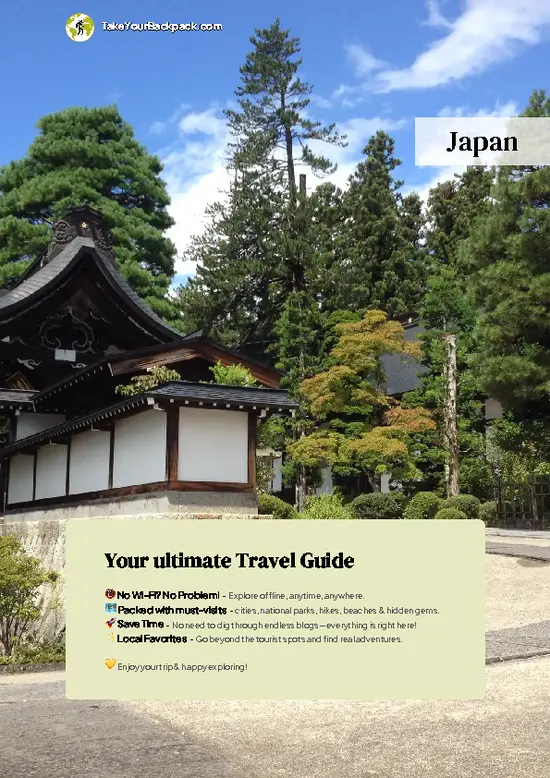
example page 0 from our offline Travel Guide for Japan
example page 1 from our offline Travel Guide for Japan
example page 2 from our offline Travel Guide for Japan
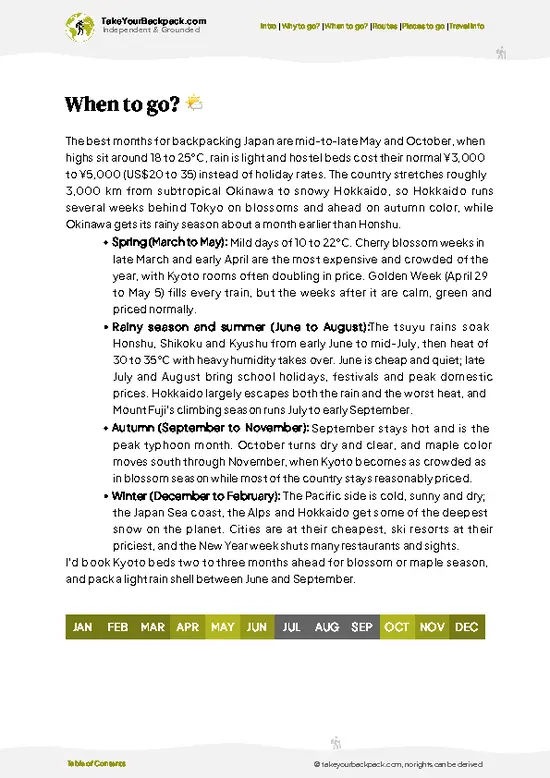
example page 3 from our offline Travel Guide for Japan
example page 4 from our offline Travel Guide for Japan
example page 5 from our offline Travel Guide for Japan
example page 6 from our offline Travel Guide for Japan
example page 7 from our offline Travel Guide for Japan
The digital guide (482 pages) contains:
140 highlights, ranked by travel appeal
Optimized 7, 14 & 21-day travel routes
Cities, national parks, landmarks, beaches
How to get around
Offline-friendly for travel without Wi-Fi
👉 Click to see all 30+ guide features

📅 Plan smarter in minutes, not weeks
Month by month travel advice
Festivals & national holidays
Budget expectations

🗺️ Go to the right places, skip the overrated ones
Honest pros & cons of destinations
Top hikes, parks & viewpoints
Lesser-known places most travelers miss
Clear “worth it vs skip it” guidance

🛏️ Travel smoothly without rookie mistakes
Best areas to stay
Transport systems explained simply
Common scams & safety advice
SIM cards, money & practical tips

🌍 Understand the country, not just visit it
Culture & traditions
52 Essential phrases & customs
Festivals worth planning around
Traveler-friendly historical context
Insights that make places more meaningful

📱 Built for real travel conditions
Fully downloadable PDF
Works completely offline
Optimized for phone use
Useful in remote areas & buses
Everything in one place
Save weeks of stressful planning
Get instant access to your full guide. 30‑day money-back guarantee.
+ Add another guide for just US$7.80

By proceeding you agree to our terms.
Sent to your inbox immediately after payment • 100% Secure Checkout
Best Backpacking Travel Advisor 2025 tourism awardBest Backpacking
Travel Advisor
2025
What others say about Take Your Backpack Guides:
⭐⭐⭐⭐⭐
Fantastic, amazing amount of information!
⭐⭐⭐⭐⭐
My goodness this is amazing, it's what I've been looking for hats off too you!
⭐⭐⭐⭐⭐
I think this is absolutely BRILLIANT
⭐⭐⭐⭐
Very complete and informative. It's still missing places, but I gotta to commend you
⭐⭐⭐⭐⭐
This is truly amazing, thank you, can't wait to explore it with my kids!
⭐⭐⭐⭐⭐
Awesome resource, thank you!
⭐⭐⭐⭐⭐
This is amazing! Can't wait to explore the ones I haven't seen
⭐⭐⭐⭐
I love this! Well done, great idea.
⭐⭐⭐⭐⭐
Thanks for taking the time to make this gem!
⭐⭐⭐⭐⭐
This might be the best website I've ever seen.
⭐⭐⭐⭐⭐
Congratulations, and thank you so much for your work; it's incredibly valuable.
⭐⭐⭐⭐
In all seriousness I think you did a great job pointing out the important spots
⭐⭐⭐⭐⭐
10/10 very good
⭐⭐⭐⭐⭐
As someone who's only just starting to visit regularly this is awesome, thank you.
⭐⭐⭐⭐
Thank you very much! I'm going to visit my dad, it's going to be very useful!
⭐⭐⭐⭐⭐
This is really cool! We'll be travelling for the first time and this definitely come in handy.
⭐⭐⭐⭐⭐
You are now our minister of culture, congratulations 👨‍💼
⭐⭐⭐⭐⭐
Just wanted to tell you that this is a pearl! Going to follow your recommendations.
⭐⭐⭐⭐⭐
This is so cool. I'll definitely be using the resource for my travels soon.
⭐⭐⭐⭐⭐
This is very impressive! Good work.
⭐⭐⭐⭐⭐
This is an amazing and informative site. Very well done!

🛏️ Where to stay?Best areas and accommodation options

When you’re diving into the Iya Valley, you want to stay where the vibe is right and the costs are low. Let’s break it down.

Start in Iya Onsen. This area is a hot spot for backpackers. You’ll find a mix of cozy ryokans and guesthouses. The hot springs are a bonus after a day of hiking. Plus, the communal spaces are perfect for meeting fellow travelers.

Next up, check out Katsuura. It’s a small fishing village with a laid-back atmosphere. The locals are friendly, and you can snag fresh seafood at local markets. It’s a great base for exploring the vine bridges and hiking trails.

Don’t overlook … read more 👉
When you’re diving into the Iya Valley, you want to stay where the vibe is right and the costs are low. Let’s break it down.

Start in Iya Onsen. This area is a hot spot for backpackers. You’ll find a mix of cozy ryokans and guesthouses. The hot springs are a bonus after a day of hiking. Plus, the communal spaces are perfect for meeting fellow travelers.

Next up, check out Katsuura. It’s a small fishing village with a laid-back atmosphere. The locals are friendly, and you can snag fresh seafood at local markets. It’s a great base for exploring the vine bridges and hiking trails.

Don’t overlook Oboke. It’s a bit more off the beaten path but offers stunning river views. The area has a few budget-friendly inns and is close to adventure activities like rafting. You’ll feel like you’re in on a secret.

Finally, consider Miyoshi. This town is a gateway to the valley, with easy access to transportation. It’s safe, social, and has a few cafes where you can recharge and chat with locals.

Each of these spots has its own charm, so choose based on what kind of experience you want. You’re not just finding a place to sleep; you’re setting the stage for unforgettable adventures.

🚌 Getting aroundGetting around like a local

Iya Valley is a realm where time seems to dance rather than march in straight lines. Here, the rhythm is dictated by the mountains and rivers, not by rigid schedules. You’ll find yourself swaying between the serene beauty of ancient vine bridges and the chaotic charm of local festivals. It’s a place where intuition often trumps planning, and the best experiences come from wandering off the beaten path. But don’t worry; while spontaneity reigns, you still have solid transport options to help you navigate this enchanting landscape without breaking the bank.


  • Local Buses: The backbone of Iya Valley transport, these buses connect major sites like the vine bridges and scenic viewpoints. They run roughly every hour, with the first bus around 7 AM and the last one around 6 PM. A one-way ticket costs
read more 👉
Iya Valley is a realm where time seems to dance rather than march in straight lines. Here, the rhythm is dictated by the mountains and rivers, not by rigid schedules. You’ll find yourself swaying between the serene beauty of ancient vine bridges and the chaotic charm of local festivals. It’s a place where intuition often trumps planning, and the best experiences come from wandering off the beaten path. But don’t worry; while spontaneity reigns, you still have solid transport options to help you navigate this enchanting landscape without breaking the bank.


  • Local Buses: The backbone of Iya Valley transport, these buses connect major sites like the vine bridges and scenic viewpoints. They run roughly every hour, with the first bus around 7 AM and the last one around 6 PM. A one-way ticket costs about ¥500, making it a budget-friendly choice. Expect a comfortable ride, but be ready for some winding roads.


  • Rental Cars: If you crave flexibility, renting a car is your best bet. Prices start around ¥5,000 per day, and you can pick one up at nearby towns like Tokushima. This option gives you the freedom to explore hidden spots at your own pace. Just be mindful of narrow roads and occasional steep climbs.


  • Bicycles: For the adventurous spirit, renting a bicycle can be a thrilling way to soak in the scenery. Daily rentals are about ¥1,000, and you can pedal along the riverbanks or through quaint villages. It’s a workout, but the fresh air and stunning views make it worth every drop of sweat.


  • Shuttle Services: Some hotels offer shuttle services to popular attractions, especially during peak seasons. Check with your accommodation for availability and schedules. This can save you time and hassle, especially if you’re traveling with a group.


  • Walking: Don’t underestimate the power of your own two feet. Many of Iya Valley’s treasures are best accessed on foot. Trails vary in difficulty, but the sense of discovery is unparalleled. Just pack good shoes and a sense of adventure.


For a smooth journey, consider timing your bus rides to coincide with local events or meal times. This way, you can maximize your experience while minimizing wait times. Embrace the flow of Iya Valley, and let the landscape guide you.

🍲 FoodLocal Flavors for Backpackers

In the Iya Valley, food is a celebration of the land. You’ll want to dive into soba noodles, made from local buckwheat, served hot or cold. The earthy flavor is a perfect match for the valley’s crisp mountain air. Don’t miss wild mountain vegetables like fuki (butterbur) and warabi (bracken fern), often sautéed with a splash of soy sauce.

For a true local experience, hit up the morning markets. Stalls overflow with fresh produce and homemade snacks. Grab a yakiimo (roasted sweet potato) from a vendor; the sweet, smoky aroma will pull you in. If you’re feeling adventurous, try sake brewed from the region’s pure mountain water. It’s smooth and pairs beautifully with your meal.

Dining here is casual and communal. Expect to share tables in small izakayas or cozy cafés. Don’t be surprised if … read more 👉
In the Iya Valley, food is a celebration of the land. You’ll want to dive into soba noodles, made from local buckwheat, served hot or cold. The earthy flavor is a perfect match for the valley’s crisp mountain air. Don’t miss wild mountain vegetables like fuki (butterbur) and warabi (bracken fern), often sautéed with a splash of soy sauce.

For a true local experience, hit up the morning markets. Stalls overflow with fresh produce and homemade snacks. Grab a yakiimo (roasted sweet potato) from a vendor; the sweet, smoky aroma will pull you in. If you’re feeling adventurous, try sake brewed from the region’s pure mountain water. It’s smooth and pairs beautifully with your meal.

Dining here is casual and communal. Expect to share tables in small izakayas or cozy cafés. Don’t be surprised if you’re invited to join a local’s table; it’s all part of the charm. Just remember to say “itadakimasu” before you dig in, a nod to gratitude for the meal. Embrace the slow pace, savor each bite, and let the flavors of Iya Valley linger long after your visit.

FAQCommon questions from travelers

2 to 3 days are sufficient to explore Iya Valley thoroughly. This allows time to visit key sites like the vine bridges, Oboke Gorge, and the historic villages. Hiking and soaking in onsen can also be comfortably included within this timeframe.
Getting around Iya Valley without a car is possible but limited; local buses connect main points but run infrequently, typically 2-3 times per day. Renting a bicycle or using taxis for short distances is common, but plan carefully as public transport options are sparse. Walking is feasible for nearby attractions but not for covering the entire valley.
Iya Valley is known for its dramatic mountain scenery, vine bridges (kazurabashi), and remote, traditional villages. It is also famous for its deep gorges, hot springs, and historic samurai residences. The area offers a rare glimpse of rural Japan with preserved natural beauty and cultural heritage.
⚠️ Things can change over time, so always validate details locally before you go.

Other Japanese regions near Iya Valley

Explore more nearby:

  • Chugoku region—coastal villages, volcanic landscapes, ancient shrines| 149 km away
  • Kansai region—imperial cities, culinary districts, temple complexes| 201 km away
  • Kiso Valley—post towns, cedar forests, Nakasendo trail| 427 km away

💡 Not sure where to go next?
Create a personalized itinerary for Japan including Iya Valley and the places that fit your trip.

Generate my itinerary

👉 Discover all regions

Or checkout all Japan has to offer (think cities, towns, villages, national parks, hikes, beaches, festivals)
Country photo of Japan

We 💚 feedbackWhat to keep in mind

Iya Valley is a slice of Japan that feels like stepping back in time. The vine bridges and ancient temples whisper stories of resilience and tradition. But here’s the kicker: getting around can be a hassle. Public transport is limited, and you might find yourself relying on a rental car or hitching rides. Embrace the adventure, though; the isolation adds to the charm. Just plan ahead, and you’ll be golden.

✈️ When did I visit Japan?
As part of my 1.5 year travel around the world trip, I visited Japan in August 2015.

✍️ Help improve this page!
The information on this page is based on my own backpacking experience in Japan, supplemented with up-to-date research and feedback from other travelers. Travel details can change, so if you notice anything outdated or incomplete, feel free to let me know.


🙋‍♂️ Give feedback

👋 Meet the founderWho’s Behind Take Your Backpack?

Johan, backpacker and founder of TakeYourBackpackHi, I’m Johan (Netherlands 🇳🇱), the creator of TakeYourBackpack. Over the past decade, I’ve backpacked through 80+ countries across six continents, gaining extensive experience with independent travel, long-term trips, and overland routes.

This site is built on a combination of firsthand travel experience and carefully curated insights from other backpackers. Many guides are based on places I’ve personally visited, while others bring together tips, observations, and practical advice shared by trusted travelers I’ve met along the way.

The goal is to provide realistic, experience-driven guidance — not generic itineraries — so you can explore destinations with better context, clearer expectations, and more confidence.

Get full Japan guide •
Instant download • 140 highlights • Full Offline guide