v2.webp)


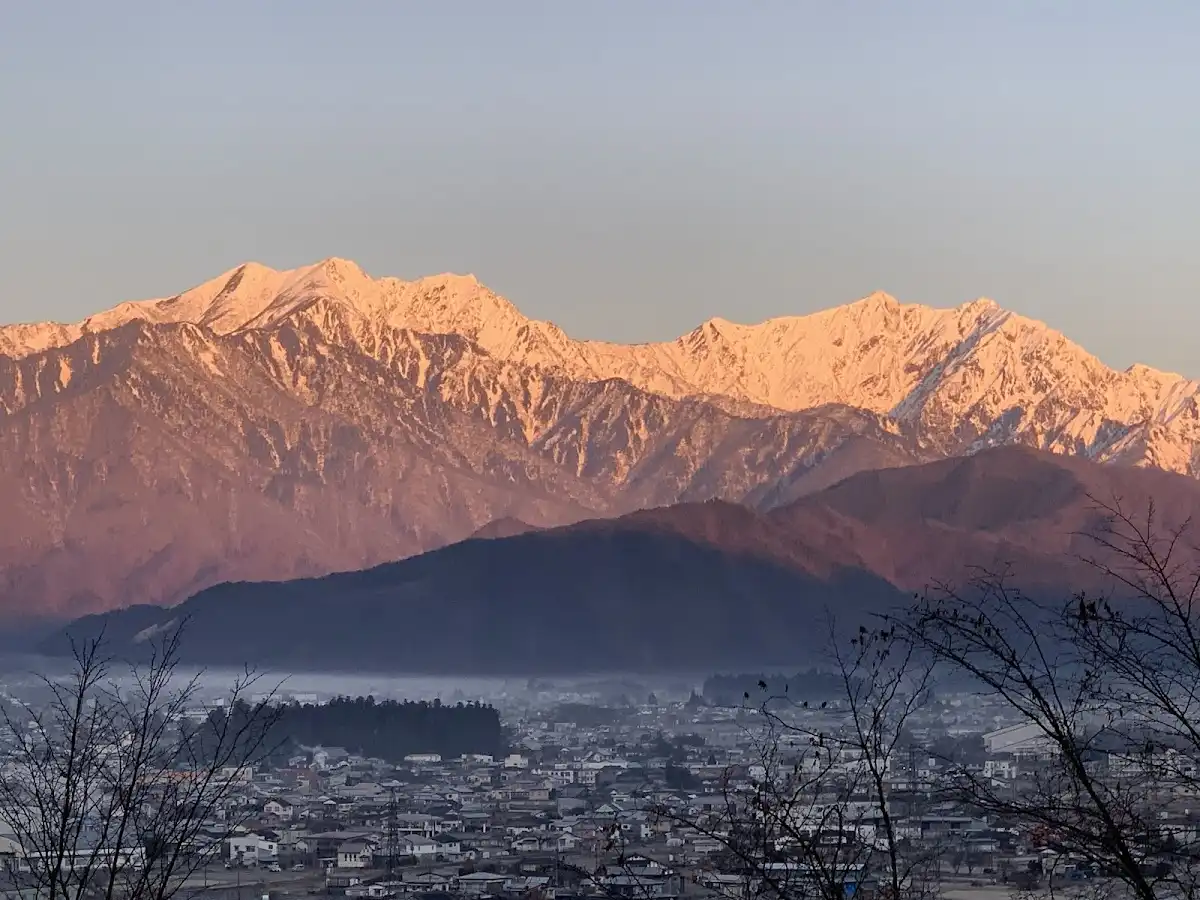
- Kamikochi — A high-mountain valley in Chubu-Sangaku National Park with jaw-dropping peaks, clear rivers and a strict no-cars policy that keeps it peaceful. Hike easy trails from Kappa Bridge to Taisho Pond, watch alpine light change on the Hotaka and Yakedake ridges. Personal favorite — nothing beats an early-morning mist over the Azusa River here.
- Tateyama Kurobe Alpine Route (Murodo & Kurobe Dam) — An engineered mountain passage that mixes giant snow walls, a cliffside cable car and the dramatic Kurobe Dam. It’s one of the rare spots where you move between valleys by trolley, bus, ropeway and walk, with real alpine tundra at Murodo that feels tundra-like and unique to the Japan Alps.
- Kurobe Gorge & Kurobe Gorge Railway — A slow, open-sided train threading a narrow gorge of sheer walls,
- Kamikochi — A high-mountain valley in Chubu-Sangaku National Park with jaw-dropping peaks, clear rivers and a strict no-cars policy that keeps it peaceful. Hike easy trails from Kappa Bridge to Taisho Pond, watch alpine light change on the Hotaka and Yakedake ridges. Personal favorite — nothing beats an early-morning mist over the Azusa River here.
- Tateyama Kurobe Alpine Route (Murodo & Kurobe Dam) — An engineered mountain passage that mixes giant snow walls, a cliffside cable car and the dramatic Kurobe Dam. It’s one of the rare spots where you move between valleys by trolley, bus, ropeway and walk, with real alpine tundra at Murodo that feels tundra-like and unique to the Japan Alps.
- Kurobe Gorge & Kurobe Gorge Railway — A slow, open-sided train threading a narrow gorge of sheer walls, steaming rivers and small cliffside onsen stops like Unazuki. The ride is pure scenery and a proper local way to experience the upper reaches of the Kurobe River without a long mountain trek.
- Gokayama (Ainokura and Suganuma) — Hidden gem: quieter sister villages to Shirakawa-go where gassho-zukuri thatched houses sit in mountain bowls. Much less crowded, you actually get to peer into working homes and fields and feel how mountain communities adapted to heavy snow and steep terrain.
- Kiso Valley — Magome to Tsumago (Nakasendo trail) — Walk the preserved Edo-period post-town route between perfectly kept wooden streets and tea houses; it’s the most authentic stretch of old Japan in the Alps. Short day-hikes between towns, staying in minshuku, and meeting shopkeepers who still run century-old inns make this uniquely regional.
- Norikura Highlands & Mount Norikura — Hidden gem: wide alpine meadows, easy summit approaches and waterfalls (like Kegon-like cascades) reachable by car or bus. Fewer crowds than Kamikochi, plus you can bike or drive high on the Skyline and still feel very alpine without committing to a multi-day trek.
- Daio Wasabi Farm (Azumino) — Hidden gem: expansive wasabi fields irrigated by icy mountain springs, old water wheels and clear channels that smell of fresh greens. You can taste true wasabi paste, wander wooden walkways through the plants and combine it with a visit to nearby Hotaka Shrine and local soba shops for a full foothill experience.
- Matsumoto Castle and Nakamachi — One of Japan’s original “black” castles sitting at the feet of the Northern Alps; the keep and original interiors feel very Edo-period. Pair the castle visit with Nakamachi’s preserved merchant streets and small museums for a cultural contrast to the wild mountains.
- Shirakawa-go (Ogimachi) — The gassho-zukuri village with steep thatched roofs built for heavy snow; seeing these structures up close—especially at dusk when the lights come on—is very different from a normal town visit. It’s busier, yes, but the architecture and the seasonal rhythms (snow in winter, thatch maintenance in summer) are genuinely mountain-culture specific.
- Minami Alps (Southern Alps) — Mount Kita & the Akaishi Range — Rugged, remote high peaks with classic alpine flora, glacier-carved valleys and long multi-day routes that reward with solitude. This is where serious backcountry hiking and mountain hut culture in Japan’s Alps really shows — wild, raw and not easily replicated elsewhere.
Spotted a mistake or missing something? Contact us.

Matsumoto Castle Tour & Samurai Experience

1 Day Tour From Nagano to Matsumoto Castle and Narai-Juku

Matsumoto Discovery - Half Day Walking Tour

Full Day Private Tour To Mount Fuji Assisted By English Chauffeur

Matsumoto Castle Tour & Soba Noodle Experience

Private Electric Bike Tour & Soba Lunch

Handmade Soba Making & Fresh Wasabi Lunch

Matsumoto Castle, Sake & Local Bites Walking Tour

Matsumoto Everything Tour: Castle, Miso, Wasabi, Wine & Ukiyo-e

 Best Backpacking
.jpg) Hi, I’m Johan (Netherlands 🇳🇱), the creator of TakeYourBackpack. Over the past 3 decades, I’ve backpacked through 90+ countries across six continents, gaining extensive experience with independent travel, long-term trips, and overland routes.
Hi, I’m Johan (Netherlands 🇳🇱), the creator of TakeYourBackpack. Over the past 3 decades, I’ve backpacked through 90+ countries across six continents, gaining extensive experience with independent travel, long-term trips, and overland routes.