
- Kumamoto Castle — One of Japan’s great castles: massive stone walls, reconstructed turrets, and a restored Honmaru palace. Even after the 2016 quake damage, walking the grounds gives a real feel for the samurai-era power and the city’s resilience.
- Suizenji Jojuen — A compact, beautifully tended stroll garden that miniaturizes Japan (you’ll see a tiny Mt. Fuji), tea houses, and seasonal plantings. It’s peaceful, photogenic, and an easy slice of classic landscape gardening right in the city.
- Sakuranobaba Josaien — Tourist village built beside the castle where you can sample local food, buy Higo crafts, and visit small museums about castle life. It’s touristy but actually useful for getting local snacks, souvenirs, and samurai-era context in one spot.
- Former Hosokawa Residence (Hosokawa
- Kumamoto Castle — One of Japan’s great castles: massive stone walls, reconstructed turrets, and a restored Honmaru palace. Even after the 2016 quake damage, walking the grounds gives a real feel for the samurai-era power and the city’s resilience.
- Suizenji Jojuen — A compact, beautifully tended stroll garden that miniaturizes Japan (you’ll see a tiny Mt. Fuji), tea houses, and seasonal plantings. It’s peaceful, photogenic, and an easy slice of classic landscape gardening right in the city.
- Sakuranobaba Josaien — Tourist village built beside the castle where you can sample local food, buy Higo crafts, and visit small museums about castle life. It’s touristy but actually useful for getting local snacks, souvenirs, and samurai-era context in one spot.
- Former Hosokawa Residence (Hosokawa Gyobutei) — A preserved daimyo family home with tatami rooms, sliding screens and a quiet walled garden. It’s one of the best places in Kumamoto to see aristocratic domestic architecture up close.
- Kumamoto City Museum — Local archaeology, samurai armor, and exhibits on Kato Kiyomasa and the castle. Small enough to browse in an hour but packed with artifacts that explain the region’s history.
- Fujisaki Hachimangu Shrine — A lively Shinto shrine famous for its festival (the Fujisaki Hachimangu Autumn Festival) and energetic rituals. Visiting outside festival season still rewards you with classic shrine architecture and local worship life.
- Kamitori & Shimotori Shopping Arcades — Two connected covered shopping streets in downtown Kumamoto where locals eat, shop, and hang out. Try kumamoto ramen, quirky sweets, and watch elderly shopkeepers who’ve been there for decades — great for people-watching and cheap eats.
- Honmyoji Temple — Perched on a hill with a dramatic staircase and views over the city, this temple offers quiet walks, historic graves and seasonal flowers. It’s less tourist-packed than the castle but full of atmosphere and local devotion.
- Kumamoto City Zoological and Botanical Gardens (Kumamoto Zoo) — A pleasant, family-friendly spot with a mix of animals and plant collections. Not a massive zoo, but a nice escape if you want greenery and a slow afternoon away from the urban center.
- Kumamoto Prefectural Museum of Art — Good regional art displays including local painters and ceramics (Higo ware). It’s accessible, often features rotating exhibitions, and gives cultural context beyond the city’s samurai history.
Spotted a mistake or missing something? Contact us.

From Kumamoto : Mt.Aso and Takachiho All-inclusive Private Tour

【Multi-Departure】YokaBus Tea Fields Yame and Yanagawa River Boat

Kumamoto : Iconic Statues World of Pirates Adventure Tour

Kumamoto Customized Private Tour in 1 Day with Licensed Guide

Kumamoto Customized Half-Day Tour with Licensed Local Guide

Kumamoto Castle: The Full Story Tour

Discover the Spirit of the Greatest Samurai, Miyamoto Musashi

Kumamoto Private Customizable Full Day Tour

Authentic Japanese Tea Ceremony in an Intimate Setting


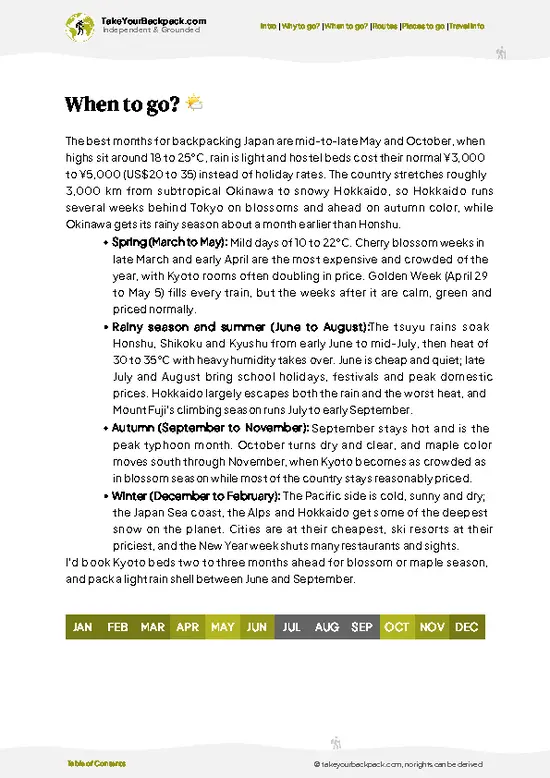
 Best Backpacking

 Hi, I’m Johan (Netherlands 🇳🇱), the creator of TakeYourBackpack. Over the past 3 decades, I’ve backpacked through 90+ countries across six continents, gaining extensive experience with independent travel, long-term trips, and overland routes.