×

Japan🇯🇵 | citiesBeppuhot spring hells, steam baths, mountain backdrop | things to do and best time to go

Explore IseExplore Kagoshima

Backpacking in Beppu
🌟 Highlightcity ranked #13
By Johan Kruseman 🇳🇱 | Updated September 23, 2026

Most people think Beppu is just a sleepy onsen town where you soak once and move on; that’s wrong. It’s a full-on hot-spring industrial zone in Oita Prefecture on Kyushu, where steam literally pours out of drains and hillsides. For backpackers, it’s cheap by Japan standards, easy to navigate, and very safe, but nightlife is mild and the city itself can feel a bit worn. The “Hells” (Jigoku) are touristy but still worth seeing once, and the sand baths are genuinely fun. You’ll meet more travelers in Fukuoka, but Beppu is better for slow days, hostel common rooms, and turning into a relaxed prune.

Discover everything you want to know in the 📖 Japan Travel Guide.


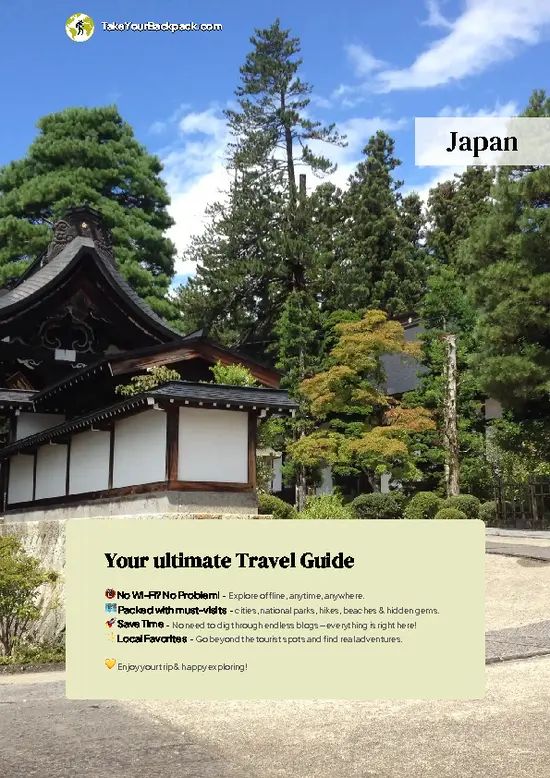
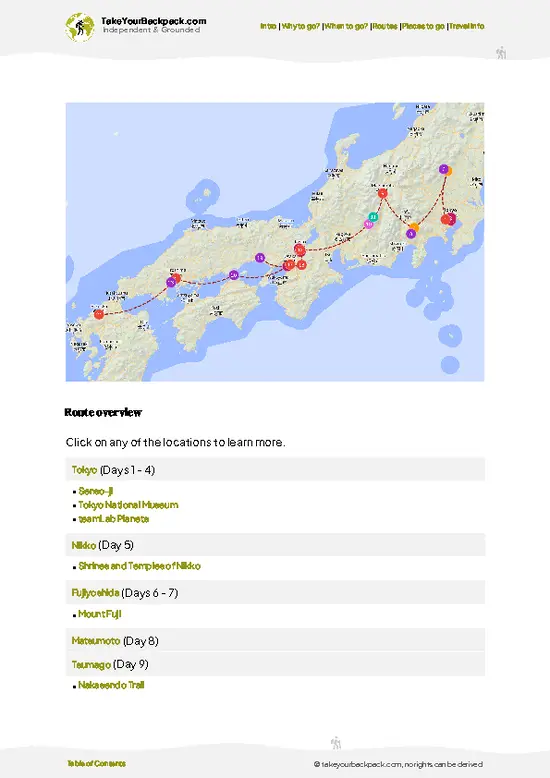
example page 0 from our offline Travel Guide for Japan
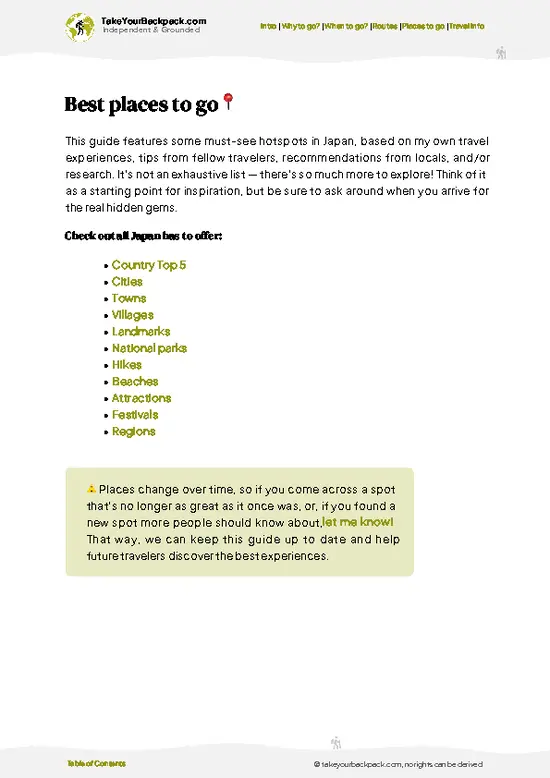
example page 1 from our offline Travel Guide for Japan
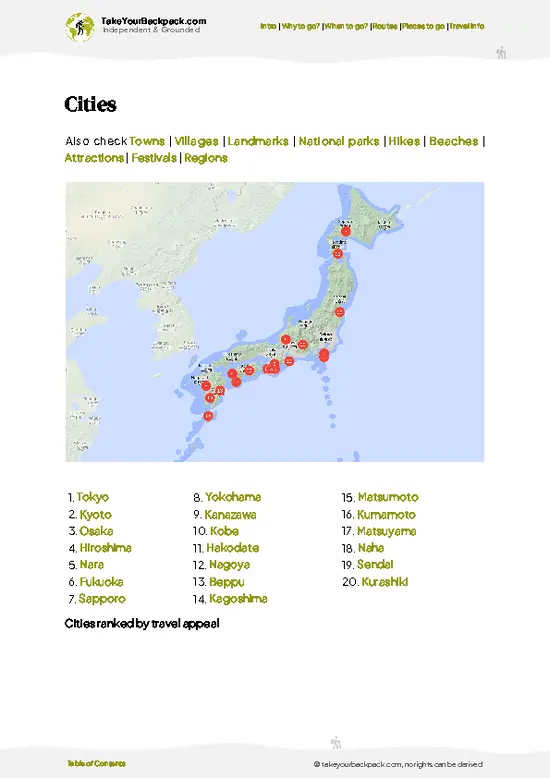
example page 2 from our offline Travel Guide for Japan
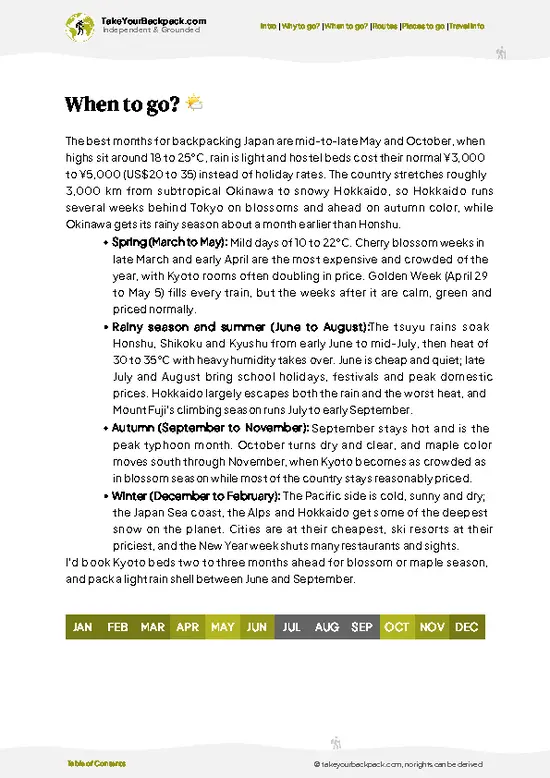
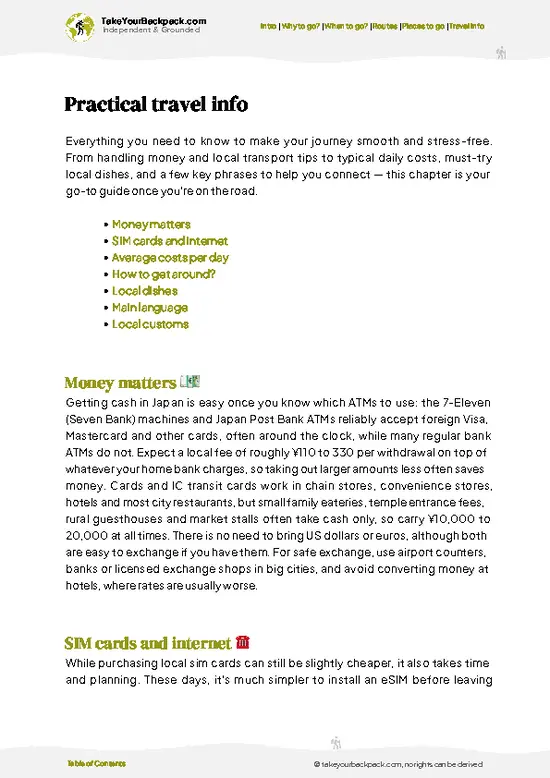
example page 3 from our offline Travel Guide for Japan
example page 4 from our offline Travel Guide for Japan
example page 5 from our offline Travel Guide for Japan
example page 6 from our offline Travel Guide for Japan
example page 7 from our offline Travel Guide for Japan
Loading the map 🌍
CLICK TO FILTER
cities
towns
villages
landmarks
national parks
hikes
beaches
attractions
festivals
regions
SHOW COUNTRY’S BESTSHOW ALL

✨ Why go?
Ranked #13 city in Japan
Why visitors keep coming back

Beppu is a strategic stop for backpackers navigating Japan. Its affordability makes it easy on the wallet, with plenty of hostels that cater to budget travelers. The city’s walkability means you can explore its unique onsen culture without breaking a sweat. Plus, the nightlife offers a laid-back vibe, perfect for unwinding after a day of soaking in hot springs. Beppu also serves as a basecamp for day trips to nearby attractions, giving you the flexibility to explore without the hassle of constant packing. If you’re after a mix of relaxation and convenience, Beppu is worth more than just a quick stop.

💡 HighlightsPlaces and moments you shouldn't skip

  1. Umi Jigoku (Sea Hell) — A cobalt-blue hot spring with a manicured garden, steam viewing platforms and a small footbath; it’s photogenic and the most calming of the “hells” to stroll around and feel Beppu’s geothermal power up close.
  2. Chinoike Jigoku (Blood Pond Hell) — Deep red, iron-rich water that’s been a dramatic local landmark for centuries; it’s raw, memorable and carries a real sense of place you won’t get from photos alone.
  3. Oniishibozu Jigoku — The bubbling mud “shampoo-head” pools; you can watch the rhythmic gurgling, learn why the ground behaves this way, and appreciate the odd but fascinating variety of Beppu’s geothermal activity.
  4. Tatsumaki (Geyser) Jigoku — A naturally erupting hot-water spout you can time to see; it’s a compact, theatrical piece of nature that shows how active
… read more 👉
  1. Umi Jigoku (Sea Hell) — A cobalt-blue hot spring with a manicured garden, steam viewing platforms and a small footbath; it’s photogenic and the most calming of the “hells” to stroll around and feel Beppu’s geothermal power up close.
  2. Chinoike Jigoku (Blood Pond Hell) — Deep red, iron-rich water that’s been a dramatic local landmark for centuries; it’s raw, memorable and carries a real sense of place you won’t get from photos alone.
  3. Oniishibozu Jigoku — The bubbling mud “shampoo-head” pools; you can watch the rhythmic gurgling, learn why the ground behaves this way, and appreciate the odd but fascinating variety of Beppu’s geothermal activity.
  4. Tatsumaki (Geyser) Jigoku — A naturally erupting hot-water spout you can time to see; it’s a compact, theatrical piece of nature that shows how active the area is beneath your feet.
  5. Takegawara Onsen — The historic sand-bath house on the waterfront with Taisho-era tilework; get a proper onsen soak or try the traditional “suna-yu” (sand bath) — a classic Beppu experience and great people-watching.
  6. Beppu Ropeway and Mount Tsurumi — A short cable-car ride to panoramic views over the city, bay and surrounding mountains; in spring and autumn the vistas are spectacular and the crisp mountain air is a nice contrast to the steamy streets below.
  7. Kannawa Onsen district and Jigoku-Mushi stalls — A maze of narrow lanes, public steam vents and little shops where food is cooked by onsen steam; it’s less polished than the main tourist spots and full of atmosphere and genuine local habit.
  8. Myoban Onsen and Yunohana terraces — A neighborhood of small, atmospheric outdoor baths and the whitish mineral “yunohana” crusts on roofs; you’ll see traditional onsen craft and tiny community baths tucked into the hills.
  9. Beppu Tower — The city’s retro skyline marker; the observation deck gives a quick orientation of Beppu’s patchwork of onsen districts and coastline, and the tower itself is a slice of Showa-era city charm.
  10. Beppu Art Museum — A compact art space that mixes regional art, rotating exhibitions and occasional local craft shows; it’s a peaceful, cultural counterpoint to the city’s steam-and-sulphur scene.
Day-trip options just outside Beppu include the postcard-perfect onsen town of Yufuin (my personal favorite), the volcanic landscapes of Mount Aso, and the historic Usa Jingu shrine — all easily reachable and great additions if you’ve got an extra day.
Spotted a mistake or missing something? Contact us.

Things to do in Beppu

Ratings based on Tripadvisor reviews. When you book through this link, you support our work at no extra cost to you.

🏘️ NeighborhoodsWhere things are and how it's laid out

Beppu is a hot spring haven that offers a unique blend of relaxation and adventure. Here’s how its neighborhoods stack up for backpackers:

Kamegawa: This area is your go-to for budget-friendly accommodations. It’s walkable, with a laid-back vibe perfect for short stays. The nightlife is low-key, but you’ll find local eateries that serve up authentic Japanese fare.

Beppu Station Area: The transport hub of the city, this area is ideal for those wanting to explore beyond Beppu. It’s bustling, with shops and restaurants, making it a great spot for longer stays. Expect a mix of nightlife and quiet corners.

Yufuin: Just a short bus ride away, this picturesque area is perfect for a day trip. It’s more upscale, with charming cafes and art galleries. While it’s quieter, the scenic views and hot … read more 👉
Beppu is a hot spring haven that offers a unique blend of relaxation and adventure. Here’s how its neighborhoods stack up for backpackers:

Kamegawa: This area is your go-to for budget-friendly accommodations. It’s walkable, with a laid-back vibe perfect for short stays. The nightlife is low-key, but you’ll find local eateries that serve up authentic Japanese fare.

Beppu Station Area: The transport hub of the city, this area is ideal for those wanting to explore beyond Beppu. It’s bustling, with shops and restaurants, making it a great spot for longer stays. Expect a mix of nightlife and quiet corners.

Yufuin: Just a short bus ride away, this picturesque area is perfect for a day trip. It’s more upscale, with charming cafes and art galleries. While it’s quieter, the scenic views and hot springs are worth the splurge for a memorable experience.

⌛️ 1 dayHow to make the most of one day

Beppu, Japan, is a hot spring haven, where steam rises from the earth and the air is rich with the scent of minerals. It’s a city that invites you to relax and rejuvenate, but there’s more than just onsen baths to explore.

Start your morning in the charming neighborhood of Kamegawa. Grab a breakfast of fresh sushi at a local market, where the fish is so fresh it practically swims onto your plate. Afterward, stroll to the Beppu Hells, a collection of unique hot springs that are more about spectacle than soaking. Don’t miss the vibrant blue water of the Umi Jigoku; it’s a sight that’ll stick with you.

In the afternoon, head to the Beppu Park for a leisurely walk among cherry blossoms, if the season is right. This is a great spot to unwind and people-watch. For a taste of local life, venture … read more 👉
Beppu, Japan, is a hot spring haven, where steam rises from the earth and the air is rich with the scent of minerals. It’s a city that invites you to relax and rejuvenate, but there’s more than just onsen baths to explore.

Start your morning in the charming neighborhood of Kamegawa. Grab a breakfast of fresh sushi at a local market, where the fish is so fresh it practically swims onto your plate. Afterward, stroll to the Beppu Hells, a collection of unique hot springs that are more about spectacle than soaking. Don’t miss the vibrant blue water of the Umi Jigoku; it’s a sight that’ll stick with you.

In the afternoon, head to the Beppu Park for a leisurely walk among cherry blossoms, if the season is right. This is a great spot to unwind and people-watch. For a taste of local life, venture to the less-traveled area of Myoban, known for its traditional ryokans and beautiful scenery. Here, you can find a quaint shop selling handmade onsen bath salts—perfect for a souvenir.

As evening falls, treat yourself to a kaiseki dinner at a local eatery. The multi-course meal showcases seasonal ingredients and is a culinary experience you won’t forget. End your day soaking in an outdoor onsen, where the stars twinkle above, and you can reflect on a day well spent.

🌤️ When to go?Weather, crowds, and seasonal trade-offs

  • Weather: Beppu’s climate is humid subtropical. Summers (June to August) hit 25-33°C (77-91°F) with sticky humidity and frequent rain, while winters (December to February) hover around 5-12°C (41-54°F), mild but damp. Spring and autumn offer the most comfortable weather for hiking and outdoor hot springs.
  • Temperature: Spring (March-May) ranges 10-20°C (50-68°F), perfect for layering. Autumn (September-November) cools from 25°C (77°F) down to 15°C (59°F), crisp and refreshing. Avoid peak summer heat unless you love steamy baths and festivals.
  • Daylight Hours: Longest days are June-July with about 14.5 hours of light, ideal for extended exploration. Winter days shrink to around 10 hours, limiting outdoor time but enhancing evening onsen ambiance.
  • Crowds: Golden Week (late April to early May)
… read more 👉
  • Weather: Beppu’s climate is humid subtropical. Summers (June to August) hit 25-33°C (77-91°F) with sticky humidity and frequent rain, while winters (December to February) hover around 5-12°C (41-54°F), mild but damp. Spring and autumn offer the most comfortable weather for hiking and outdoor hot springs.
  • Temperature: Spring (March-May) ranges 10-20°C (50-68°F), perfect for layering. Autumn (September-November) cools from 25°C (77°F) down to 15°C (59°F), crisp and refreshing. Avoid peak summer heat unless you love steamy baths and festivals.
  • Daylight Hours: Longest days are June-July with about 14.5 hours of light, ideal for extended exploration. Winter days shrink to around 10 hours, limiting outdoor time but enhancing evening onsen ambiance.
  • Crowds: Golden Week (late April to early May) and Obon (mid-August) pack Beppu with domestic tourists, hiking prices and crowding. Shoulder seasons (spring and autumn) offer a quieter, more authentic vibe.
  • Seasonal Activities: Spring brings cherry blossoms and mild hikes; autumn delivers fiery foliage and harvest festivals. Summer hosts lively matsuri (festivals) but expect humidity and crowds. Winter’s quieter, perfect for soaking in hot springs without the rush.
  • Price Fluctuations: Accommodation and transport costs spike during Golden Week and Obon. Booking outside these windows saves money and grants access to better lodging options. Shoulder seasons balance cost and experience well.
Pro-tip: Aim for late March to early May or late September to early November to maximize comfort, avoid crowds, and catch Beppu’s natural and cultural highlights without paying a premium.


source: climatestotravel.comJANJanuary: good for travelingFEBFebruary: good for travelingMARMarch: highly recommended for travelingAPRApril: excellent for travelingMAYMay: highly recommended for travelingJUNJune: fair for travelingJULJuly: fair for travelingAUGAugust: fair for travelingSEPSeptember: highly recommended for travelingOCTOctober: excellent for travelingNOVNovember: highly recommended for travelingDECDecember: good for traveling
when-to-go

✈️ The backpacker research shortcutJapan Travel Guide

An offline-friendly backpacking guide with optimized travel routes, ranked highlights, transport advice, and the best areas to stay.
example page 0 from our offline Travel Guide for Japan
example page 1 from our offline Travel Guide for Japan
example page 2 from our offline Travel Guide for Japan
example page 3 from our offline Travel Guide for Japan
example page 4 from our offline Travel Guide for Japan
example page 5 from our offline Travel Guide for Japan
example page 6 from our offline Travel Guide for Japan
example page 7 from our offline Travel Guide for Japan
The digital guide (475 pages) contains:
✅ 139 highlights, ranked by travel appeal
✅ Optimized 7, 14 & 21-day travel routes
✅ Cities, national parks, landmarks, beaches
✅ How to get around
✅ Offline-friendly for travel without Wi-Fi
👉 Click to see all 30+ guide features

📅 Plan smarter in minutes, not weeks
✅ Month by month travel advice
✅ Festivals & national holidays
✅ Budget expectations

🗺️ Go to the right places, skip the overrated ones
✅ Honest pros & cons of destinations
✅ Top hikes, parks & viewpoints
✅ Lesser-known places most travelers miss
✅ Clear “worth it vs skip it” guidance

🛏️ Travel smoothly without rookie mistakes
✅ Best areas to stay
✅ Transport systems explained simply
✅ Common scams & safety advice
✅ SIM cards, money & practical tips

🌍 Understand the country, not just visit it
✅ Culture & traditions
✅ 52 Essential phrases & customs
✅ Festivals worth planning around
✅ Traveler-friendly historical context
✅ Insights that make places more meaningful

📱 Built for real travel conditions
✅ Fully downloadable PDF
✅ Works completely offline
✅ Optimized for phone use
✅ Useful in remote areas & buses
✅ Everything in one place
Stop searching, start planning
Get instant access to your full guide. 30‑day money-back guarantee.
+ Add another guide for just

By proceeding you agree to our terms.
Sent to your inbox immediately after payment • 100% Secure Checkout
Best Backpacking Travel Advisor 2025 tourism awardBest Backpacking
Travel Advisor
2025
What others say about Take Your Backpack Guides:
⭐⭐⭐⭐⭐
Fantastic, amazing amount of information!
⭐⭐⭐⭐⭐
My goodness this is amazing, it's what I've been looking for hats off too you!
⭐⭐⭐⭐⭐
I think this is absolutely BRILLIANT
⭐⭐⭐⭐
Very complete and informative. It's still missing places, but I gotta to commend you
⭐⭐⭐⭐⭐
This is truly amazing, thank you, can't wait to explore it with my kids!
⭐⭐⭐⭐⭐
Awesome resource, thank you!
⭐⭐⭐⭐⭐
This is amazing! Can't wait to explore the ones I haven't seen
⭐⭐⭐⭐
I love this! Well done, great idea.
⭐⭐⭐⭐⭐
Thanks for taking the time to make this gem!
⭐⭐⭐⭐⭐
This might be the best website I've ever seen.
⭐⭐⭐⭐⭐
Congratulations, and thank you so much for your work; it's incredibly valuable.
⭐⭐⭐⭐
In all seriousness I think you did a great job pointing out the important spots
⭐⭐⭐⭐⭐
10/10 very good
⭐⭐⭐⭐⭐
As someone who's only just starting to visit regularly this is awesome, thank you.
⭐⭐⭐⭐
Thank you very much! I'm going to visit my dad, it's going to be very useful!
⭐⭐⭐⭐⭐
This is really cool! We'll be travelling for the first time and this definitely come in handy.
⭐⭐⭐⭐⭐
You are now our minister of culture, congratulations 👨‍💼
⭐⭐⭐⭐⭐
Just wanted to tell you that this is a pearl! Going to follow your recommendations.
⭐⭐⭐⭐⭐
This is so cool. I'll definitely be using the resource for my travels soon.
⭐⭐⭐⭐⭐
This is very impressive! Good work.
⭐⭐⭐⭐⭐
This is an amazing and informative site. Very well done!

🛏️ Where to stay?Best areas and accommodation options

Beppu’s best backpacker zone centers around the area near Beppu Station and the adjacent Kannawa district. Staying close to Beppu Station means you’re plugged into the city’s transit hub, which is a huge time-saver and keeps transport costs low—no need for pricey taxis or long bus rides. This area is safe, lively, and sprinkled with budget hostels that attract solo travelers and groups alike, making it easy to strike up conversations or find company for hot spring visits.

Kannawa, just a short bus or walk away, offers a more traditional vibe with its famous onsen steam vents and historic bathhouses. … read more 👉
Beppu’s best backpacker zone centers around the area near Beppu Station and the adjacent Kannawa district. Staying close to Beppu Station means you’re plugged into the city’s transit hub, which is a huge time-saver and keeps transport costs low—no need for pricey taxis or long bus rides. This area is safe, lively, and sprinkled with budget hostels that attract solo travelers and groups alike, making it easy to strike up conversations or find company for hot spring visits.

Kannawa, just a short bus or walk away, offers a more traditional vibe with its famous onsen steam vents and historic bathhouses. It’s quieter at night but still social enough, especially around the ryokan and guesthouse scene. Compared to the more residential or resort-heavy parts of Beppu, these neighborhoods balance comfort and affordability without sacrificing the authentic local experience. You’re trading a bit of polished luxury for genuine connection and easy access to the city’s core backpacker pulse.

🚌 Getting aroundTransportation options and practical tips

Beppu moves at its own pace—a curious blend of methodical timetables and a laid-back, almost laissez-faire vibe. It’s not a city where you’ll find the relentless rush of Tokyo or the chaotic pulse of a megacity. Instead, Beppu’s rhythm feels like a slow boil, much like its famous hot springs: steady, predictable, but with moments of spontaneous charm. Here, schedules exist, but they’re flexible enough to let you breathe, wander, and soak in the atmosphere without feeling like you’re racing against the clock. Understanding this flow is your first win. You’re not just navigating transport; you’re syncing with the city’s heartbeat.
  • Walking: Beppu’s compact downtown and hot spring areas are best explored on foot. It’s free, flexible, and lets you stumble upon local shops and street food stalls.
… read more 👉
Beppu moves at its own pace—a curious blend of methodical timetables and a laid-back, almost laissez-faire vibe. It’s not a city where you’ll find the relentless rush of Tokyo or the chaotic pulse of a megacity. Instead, Beppu’s rhythm feels like a slow boil, much like its famous hot springs: steady, predictable, but with moments of spontaneous charm. Here, schedules exist, but they’re flexible enough to let you breathe, wander, and soak in the atmosphere without feeling like you’re racing against the clock. Understanding this flow is your first win. You’re not just navigating transport; you’re syncing with the city’s heartbeat.
  • Walking: Beppu’s compact downtown and hot spring areas are best explored on foot. It’s free, flexible, and lets you stumble upon local shops and street food stalls. Expect to cover 2-3 kilometers comfortably in 30-40 minutes, perfect for spontaneous detours.
  • Beppu City Bus: The backbone of budget transit, these buses run from around 6:00 AM to 9:00 PM. Fares hover around 210-300 yen depending on distance. They’re reliable but can be slow during peak hours. Comfort is basic—think standard city bus seating, no frills.
  • JR Beppu Station Trains: For quick hops to nearby towns like Oita or Yufuin, trains are your best bet. First trains start around 5:30 AM, last ones near 11:00 PM. Tickets cost roughly 300-600 yen. Trains are faster and more comfortable than buses, with reserved seating options on some lines.
  • Taxi: Expensive relative to other options, with a base fare around 600 yen and about 400 yen per additional kilometer. Best for late-night returns or when you’re hauling gear. Comfort is high, but it’s a clear trade-off against your budget.

Mastering Beppu’s transit means balancing your time, money, and comfort like a pro. Walk when you want to soak in the vibe, bus for budget-friendly coverage, train for speed, and taxi when convenience trumps cost. Each choice shifts your experience—know what you’re trading, and you own the city.

👛 Costs (as of 23 September 2026)What things cost and how to budget

Backpacking in Beppu, Japan, offers a fascinating blend of affordability and comfort, but knowing where your money goes helps you play the system smartly.
  • Dorm Accommodation (High Season): Expect to pay around $25 to $35 per night for a bed in a shared dormitory during peak travel months. These are basic but clean hostels, often with communal baths reflecting Beppu’s onsen culture.
  • Dorm Accommodation (Off-Season): Prices drop to about $18 to $25 per night when the crowds thin out. This is your sweet spot for snagging a bargain without sacrificing the essentials.
  • Meals: Budget around $10 to $15 daily if you stick to convenience stores, local noodle shops, or small eateries. Beppu’s street food and casual dining offer filling options without the tourist markup.
  • Local Transport: Single bus
… read more 👉
Backpacking in Beppu, Japan, offers a fascinating blend of affordability and comfort, but knowing where your money goes helps you play the system smartly.
  • Dorm Accommodation (High Season): Expect to pay around $25 to $35 per night for a bed in a shared dormitory during peak travel months. These are basic but clean hostels, often with communal baths reflecting Beppu’s onsen culture.
  • Dorm Accommodation (Off-Season): Prices drop to about $18 to $25 per night when the crowds thin out. This is your sweet spot for snagging a bargain without sacrificing the essentials.
  • Meals: Budget around $10 to $15 daily if you stick to convenience stores, local noodle shops, or small eateries. Beppu’s street food and casual dining offer filling options without the tourist markup.
  • Local Transport: Single bus rides within the city typically cost $1.50 to $2.50. If you plan multiple trips, this adds up quickly, so consider your travel rhythm.
  • City Transport Pass: A one-day bus pass runs about $5 to $7, which is a smart buy if you’re hopping between onsen spots and city attractions frequently.
  • Basic Activities/Entry Fees: Entrance to public hot springs and small museums usually ranges from $3 to $7. Some onsen have higher fees but offer a more authentic experience.
  • Miscellaneous Expenses: Factor in $3 to $5 for snacks, bottled drinks, or small souvenirs. These little costs sneak up but are part of the local flavor.

All told, a practical daily budget for backpacking in Beppu lands between $40 and $60. This range balances comfort and economy, letting you soak in the city’s unique vibe without constant penny-pinching. Knowing when to splurge on a quality onsen visit versus saving on transport or meals turns your trip into a strategic win.


source: visit-oita.jp
⚠️ Prices can change and everyone travels differently, so take this as a rough guide. Hope it helps you plan your adventure!

🚌 Day tripsWhere to go beyond the main area

Beppu is a fantastic launchpad for day trips that blend culture, nature, and adventure. Here’s how to make the most of your time without breaking the bank.

Mount Aso
Just a short train ride away, Mount Aso offers a chance to explore one of the world’s largest active volcanoes. The scenery is breathtaking, with lush green fields and the dramatic caldera. You can hike around the crater or take a scenic drive. Expect to spend around ¥2,000 for transport and snacks. Spring and autumn are ideal for mild weather and stunning views. A common mistake? Underestimating the weather; pack layers, as it can change quickly.


Yufuin
This charming town is a quick bus ride from Beppu and is known for its picturesque streets and hot springs. Stroll through art galleries and quaint shops, then unwind in … read more 👉
Beppu is a fantastic launchpad for day trips that blend culture, nature, and adventure. Here’s how to make the most of your time without breaking the bank.

Mount Aso
Just a short train ride away, Mount Aso offers a chance to explore one of the world’s largest active volcanoes. The scenery is breathtaking, with lush green fields and the dramatic caldera. You can hike around the crater or take a scenic drive. Expect to spend around ¥2,000 for transport and snacks. Spring and autumn are ideal for mild weather and stunning views. A common mistake? Underestimating the weather; pack layers, as it can change quickly.


Yufuin
This charming town is a quick bus ride from Beppu and is known for its picturesque streets and hot springs. Stroll through art galleries and quaint shops, then unwind in an onsen with views of the surrounding mountains. Total costs can be around ¥1,500 for transport and a soak. Visit during the week to avoid crowds. Many first-timers miss the scenic walking paths; don’t just stick to the main streets!


Kintetsu Beppu
For a unique experience, head to Kintetsu Beppu, where you can soak in a variety of themed onsens. It’s a bit off the beaten path, but the quirky settings make it worth the trip. Expect to spend about ¥1,800 for transport and entry. Late afternoon is best to catch the sunset. A common oversight is not checking the onsen hours; plan ahead to maximize your soak time.

🍲 FoodLocal Flavors for Backpackers

In Beppu, food is a vibrant tapestry of flavors, deeply rooted in local traditions. Don’t miss the onsen tamago, eggs slow-cooked in hot spring waters, yielding a creamy texture that’s a delight. Pair it with toriten, crispy chicken tempura, often enjoyed with a tangy dipping sauce.

Street stalls and bustling markets are where the magic happens. Grab a quick bite from vendors serving yakitori skewers, the smoky aroma wafting through the air, or indulge in soba noodles, served cold or hot, depending on the season.

When it comes to drinks, try local sake or a refreshing glass of shochu, a spirit that’s a staple here. Remember, it’s customary to say “kanpai” before sipping, fostering a sense of camaraderie. Enjoy the lively atmosphere; it’s all part of the experience!

🛡️ SafetyStaying Safe: What Travelers Should Know

Beppu is generally safe, but staying aware enhances your experience. Stick to well-lit areas at night, especially around the hot spring districts. Solo travelers should feel comfortable, but keep your belongings close in crowded spots like the train station.

While scams are rare, be cautious of overly friendly locals offering unsolicited help; they might expect a tip. Everyday annoyances can include language barriers, so learning a few basic phrases can go a long way. Carry yourself confidently, and you’ll navigate Beppu like a pro.

FAQCommon questions from travelers

2 to 3 days are sufficient to explore Beppu's main attractions, including its famous hot springs and Jigoku Meguri (Hell Tour). This allows time to visit several hot spring sites and enjoy local cuisine without rushing.
Yes, Beppu is safe for solo backpackers. The city has low crime rates and a friendly atmosphere, with well-maintained public transport and clear signage, making it easy to navigate alone.
Beppu is known for its hot springs, boasting over 2,000 onsen sources and producing the highest volume of hot spring water in Japan. It is especially famous for its Jigoku Meguri, a tour of unique, colorful hot spring 'hells.'
⚠️ Things can change over time, so always validate details locally before you go.

Other Japanese cities near Beppu

Explore more nearby:

  • Nobeoka—river gorge, castle ruins, citrus groves| 80 km away
  • Kumamoto—fortress ruins, Suizenji garden, local sweets| 90 km away
  • Shimonoseki—fish market, Kanmon Strait, pufferfish cuisine| 90 km away

💡 Not sure where to go next?
Create a personalized itinerary for Japan including Beppu and the places that fit your trip.

Generate my itinerary

👉 Discover all cities

Or checkout all Japan has to offer (think cities, towns, villages, national parks, hikes, beaches, festivals)
Country photo of Japan

We 💚 feedbackParting advice and final tips

Beppu’s hot springs are a game-changer. Soaking in those mineral-rich waters feels like a reset for your body and soul. But, be ready for the crowds. It can get busy, especially on weekends. Just know that the experience is worth navigating the hustle. Embrace the energy!

✈️ When did I visit Japan?
As part of my 1.5 year travel around the world trip, I visited Japan in August 2015.

✍️ Help improve this page!
The information on this page is based on my own backpacking experience in Japan, supplemented with up-to-date research and feedback from other travelers. Travel details can change, so if you notice anything outdated or incomplete, feel free to let me know.


🙋‍♂️ Give feedback

👋 Meet the founderWho’s Behind Take Your Backpack?

Johan, backpacker and founder of TakeYourBackpackHi, I’m Johan (Netherlands 🇳🇱), the creator of TakeYourBackpack. Over the past 3 decades, I’ve backpacked through 90+ countries across six continents, gaining extensive experience with independent travel, long-term trips, and overland routes.

This site is built on a combination of firsthand travel experience and carefully curated insights from other backpackers. Many guides are based on places I’ve personally visited, while others bring together tips, observations, and practical advice shared by trusted travelers I’ve met along the way.

The goal is to provide realistic, experience-driven guidance — not generic itineraries — so you can explore destinations with better context, clearer expectations, and more confidence.