v2.webp)
- Saga Castle / Saga Castle History Museum (佐賀城本丸歴史館) — The rebuilt Honmaru compound and museum bring the Nabeshima clan-era history to life: samurai artifacts, displays on domain administration, and a compact castle park that’s easy to explore on foot.
- Saga Castle Park (佐賀城公園) — The moat, stone walls and seasonal trees around the castle are perfect for a relaxed stroll, cherry-blossom viewing in spring, and people-watching near the reconstructed buildings. The park really grounds you in the city’s old layout.
- Saga International Balloon Museum (佐賀バルーンミュージアム) — Interactive exhibits about ballooning, local engineering and the famous Balloon Fiesta; it’s a great rainy-day stop and gives context if you’re in town during the festival.
- Saga International Balloon Fiesta launch area / river plains
- Saga Castle / Saga Castle History Museum (佐賀城本丸歴史館) — The rebuilt Honmaru compound and museum bring the Nabeshima clan-era history to life: samurai artifacts, displays on domain administration, and a compact castle park that’s easy to explore on foot.
- Saga Castle Park (佐賀城公園) — The moat, stone walls and seasonal trees around the castle are perfect for a relaxed stroll, cherry-blossom viewing in spring, and people-watching near the reconstructed buildings. The park really grounds you in the city’s old layout.
- Saga International Balloon Museum (佐賀バルーンミュージアム) — Interactive exhibits about ballooning, local engineering and the famous Balloon Fiesta; it’s a great rainy-day stop and gives context if you’re in town during the festival.
- Saga International Balloon Fiesta launch area / river plains — If you’re in town in late October/early November, seeing the morning mass launches (or visiting the launch fields outside event days) is a memorable, very local spectacle: colorful balloons against wide sky over the river flats.
- Saga Prefectural Museum (佐賀県立博物館) — A solid local-history and archaeology collection that explains Saga’s role in pottery, trade, and modernization; the regional artifacts give depth to what you see around town.
- Saga Prefectural Art Museum (佐賀県立美術館) — Small but well-curated exhibitions, including ceramics and artists connected to Kyushu. It’s a calm place to see how local craft and fine art intersect.
- Saga City History & Folk Museum (local municipal history displays) — Neighborhood-focused exhibits on daily life, festivals, crafts and the city’s modernization. The kind of place that makes sense of sights you’ll pass while walking the streets.
- Station-area shotengai and Ekimae streets — Saga’s shopping arcades and side streets around Saga Station are where you’ll find affordable local eats, small craft shops, and honest izakayas serving Saga beef and seafood—great for people-watching and tasting local life.
- Local food experiences: Saga beef restaurants and markets — Eating Saga beef (in yakiniku, steak, or sukiyaki) and sampling local produce at market stalls are essential. Not a single landmark, but food is one of the clearest ways to read the city’s culture.
- Riverside walks and neighborhood temple/shrine circuit — The small temples, shrines and river promenades scattered through the city aren’t flashy, but they’re where locals unwind—good for a slow afternoon, shrine architecture snapshots, and quiet ceremony observations.
Spotted a mistake or missing something? Contact us.

Karatsu Pottery Making

Karatsu Ceramics Walking Tour: Visit Local Pottery Kilns

Arita: Porcelain Heritage & Historic Kiln Town Walk

Saga Sea Bream Set“Yorokobi”

Become a Local! A Walking Tour based on 'Karatsu Kunchi'
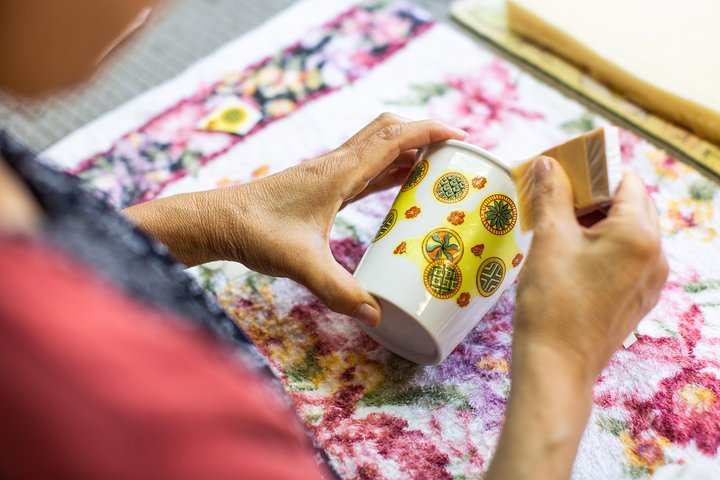
Add Your Own Unique Design to an Arita Porcelain Coffee Mug

Imari: Nabeshima Porcelain & Historic Kiln Village Tour

Exclusive Studio Tour Experience Tableware for World Class Chefs

Arita Ware Private Walking Tour and Ceramics Treasure Hunt


 Best Backpacking
.jpg) Hi, I’m Johan (Netherlands 🇳🇱), the creator of TakeYourBackpack. Over the past 3 decades, I’ve backpacked through 90+ countries across six continents, gaining extensive experience with independent travel, long-term trips, and overland routes.
Hi, I’m Johan (Netherlands 🇳🇱), the creator of TakeYourBackpack. Over the past 3 decades, I’ve backpacked through 90+ countries across six continents, gaining extensive experience with independent travel, long-term trips, and overland routes.