v2.webp)
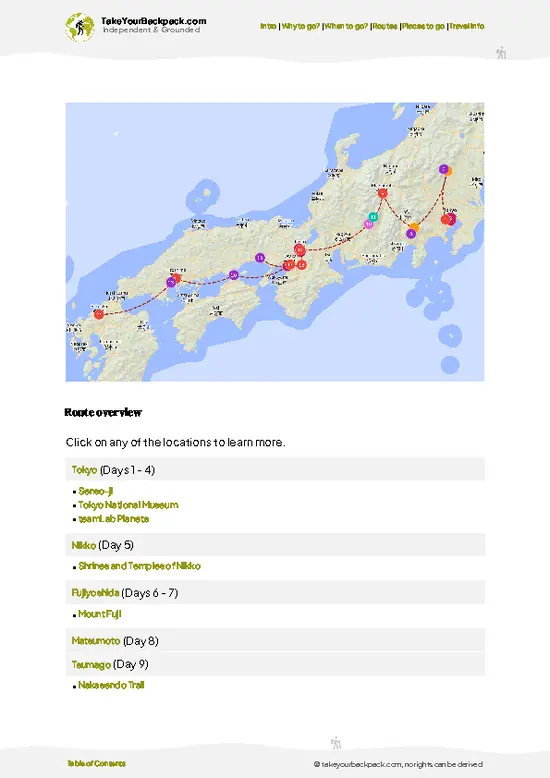
Miyazaki Shrine
The spiritual heart of the city, this Shinto shrine is dedicated to Emperor Jimmu, Japan’s legendary first emperor. The forested grounds feel ancient and alive, especially during the annual Jimmu Festival in October. Free entry. Allow 30-45 minutes for a thoughtful wander, longer if you catch a ceremony.
Aoshima Island & Shrine
Aoshima is a pocket-sized subtropical island ringed by the “Devil’s Washboard”—bizarre, wave-carved rock formations. The shrine itself is a magnet for locals seeking good fortune in love. Reachable by a scenic 15-minute walk from Aoshima Station. Free to roam; budget 1-2 hours, best in the morning before crowds.
Miyazaki Science Center
A retro-futuristic dome with hands-on exhibits and a planetarium that’s a hit with families and science nerds alike. … read more 👉
The spiritual heart of the city, this Shinto shrine is dedicated to Emperor Jimmu, Japan’s legendary first emperor. The forested grounds feel ancient and alive, especially during the annual Jimmu Festival in October. Free entry. Allow 30-45 minutes for a thoughtful wander, longer if you catch a ceremony.
Aoshima Island & Shrine
Aoshima is a pocket-sized subtropical island ringed by the “Devil’s Washboard”—bizarre, wave-carved rock formations. The shrine itself is a magnet for locals seeking good fortune in love. Reachable by a scenic 15-minute walk from Aoshima Station. Free to roam; budget 1-2 hours, best in the morning before crowds.
Miyazaki Science Center
A retro-futuristic dome with hands-on exhibits and a planetarium that’s a hit with families and science nerds alike. … read more 👉
Miyazaki Shrine
The spiritual heart of the city, this Shinto shrine is dedicated to Emperor Jimmu, Japan’s legendary first emperor. The forested grounds feel ancient and alive, especially during the annual Jimmu Festival in October. Free entry. Allow 30-45 minutes for a thoughtful wander, longer if you catch a ceremony.
Aoshima Island & Shrine
Aoshima is a pocket-sized subtropical island ringed by the “Devil’s Washboard”—bizarre, wave-carved rock formations. The shrine itself is a magnet for locals seeking good fortune in love. Reachable by a scenic 15-minute walk from Aoshima Station. Free to roam; budget 1-2 hours, best in the morning before crowds.
Miyazaki Science Center
A retro-futuristic dome with hands-on exhibits and a planetarium that’s a hit with families and science nerds alike. The real draw: the full-scale model of the Apollo 11 command module. Entry around ¥550. Plan for 1-2 hours, especially on a rainy afternoon.
Heiwadai Park (Peace Tower)
A sprawling hilltop park with panoramic city views, cherry blossoms in spring, and the imposing Peace Tower—a controversial but fascinating relic of prewar Japan. Free entry. Best in late March or early April for hanami. Give yourself 1-1.5 hours to explore the park’s quirky “Haniwa Garden” of ancient clay figures.
Miyazaki Prefectural Art Museum
A compact but well-curated collection of Japanese and Western art, including works by local artists. Air-conditioned, quiet, and rarely crowded. Entry about ¥300. 45-60 minutes is enough unless you’re an art completist.
For day trips, the dramatic cliffs of Sun Messe Nichinan (with its Moai statues), Udo Shrine’s cave sanctuary, and the lush Takachiho Gorge are all within striking distance—Takachiho is my personal favorite for its mythic atmosphere and river walks.
The spiritual heart of the city, this Shinto shrine is dedicated to Emperor Jimmu, Japan’s legendary first emperor. The forested grounds feel ancient and alive, especially during the annual Jimmu Festival in October. Free entry. Allow 30-45 minutes for a thoughtful wander, longer if you catch a ceremony.
Aoshima Island & Shrine
Aoshima is a pocket-sized subtropical island ringed by the “Devil’s Washboard”—bizarre, wave-carved rock formations. The shrine itself is a magnet for locals seeking good fortune in love. Reachable by a scenic 15-minute walk from Aoshima Station. Free to roam; budget 1-2 hours, best in the morning before crowds.
Miyazaki Science Center
A retro-futuristic dome with hands-on exhibits and a planetarium that’s a hit with families and science nerds alike. The real draw: the full-scale model of the Apollo 11 command module. Entry around ¥550. Plan for 1-2 hours, especially on a rainy afternoon.
Heiwadai Park (Peace Tower)
A sprawling hilltop park with panoramic city views, cherry blossoms in spring, and the imposing Peace Tower—a controversial but fascinating relic of prewar Japan. Free entry. Best in late March or early April for hanami. Give yourself 1-1.5 hours to explore the park’s quirky “Haniwa Garden” of ancient clay figures.
Miyazaki Prefectural Art Museum
A compact but well-curated collection of Japanese and Western art, including works by local artists. Air-conditioned, quiet, and rarely crowded. Entry about ¥300. 45-60 minutes is enough unless you’re an art completist.
For day trips, the dramatic cliffs of Sun Messe Nichinan (with its Moai statues), Udo Shrine’s cave sanctuary, and the lush Takachiho Gorge are all within striking distance—Takachiho is my personal favorite for its mythic atmosphere and river walks.
Spotted a mistake or missing something? Contact us.

Sakurajima Century Lava Climb Journey with E-bike

Discover the Wonders of Sakurajima Half Day Tour in Kagoshima

Kagoshima Private & Custom Tour with Licensed Guide and Vehicle

Kagoshima Shore Excursion: Custom Car Tour, Licensed Guide

Kagoshima Highlights Private Tour, Sakurajima Volcano and more

Kagoshima Customized Private Tour in 1 Day with Licensed Guide

Kagoshima: Private Custom Tour with Local Guide

Kagoshima Private Tour with Farm Visit & Distillery Experience

Kagoshima Half-Day Tour: Hidden Gems Away from the Crowds


 Best Backpacking
.jpg) Hi, I’m Johan (Netherlands 🇳🇱), the creator of TakeYourBackpack. Over the past 3 decades, I’ve backpacked through 90+ countries across six continents, gaining extensive experience with independent travel, long-term trips, and overland routes.
Hi, I’m Johan (Netherlands 🇳🇱), the creator of TakeYourBackpack. Over the past 3 decades, I’ve backpacked through 90+ countries across six continents, gaining extensive experience with independent travel, long-term trips, and overland routes.