×

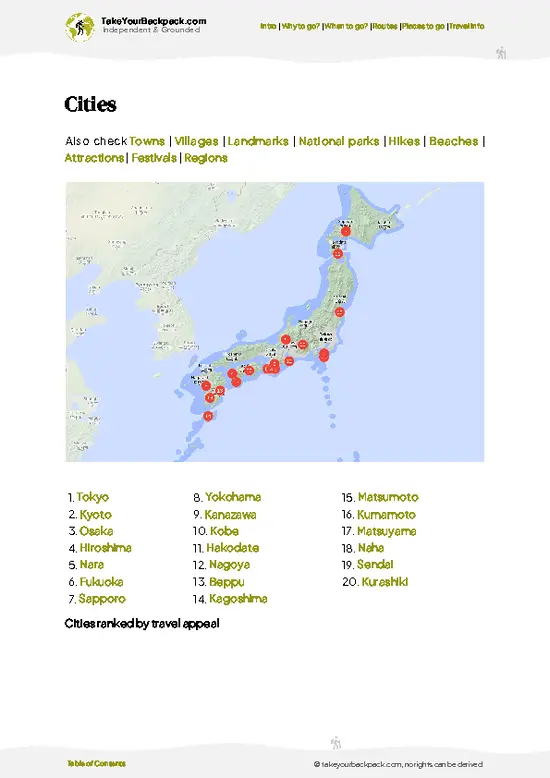
Japan🇯🇵 | citiesSendaitree-lined avenues, Tanabata festival, regional cuisine | things to do and best time to go

Explore KagoshimaExplore Hakodate

Backpacking in Sendai
👍 Recommendedcity ranked #19
By Johan Kruseman 🇳🇱 | Updated September 4, 2026

Most people skip Sendai assuming it’s just a transit hub, but it’s one of the easiest big cities in Japan to eat incredibly well on a backpacker budget. Sitting on the Pacific side of northern Honshu, it’s a green, compact city with castle ruins, Aoba-dori’s broad avenues, and a nightlife strip that feels lively but not chaotic. It’s cheaper and more relaxed than Tokyo, safer than you’ll ever need, easy to navigate by subway and foot, yet quieter on the hostel-social scene than nearby party-heavy spots like Tokyo or Sendai-bound festival towns, so you trade instant backpacker crowds for a more local, slow-burn vibe.

Discover everything you want to know in the 📖 Japan Travel Guide.


Get your Japan guide
140 ranked highlights, routes & tips, works offline (482 pages)
Loading the map 🌍
CLICK TO FILTER
cities
towns
villages
landmarks
national parks
hikes
beaches
attractions
festivals
regions
SHOW COUNTRY’S BESTSHOW ALL

✨ Why go?
Ranked #19 city in Japan
Why visitors keep coming back

Backpackers flock to Sendai for its unique blend of affordability and accessibility. This city serves as a solid basecamp for day trips to nearby attractions, making it easy to explore without the hassle of constant packing. The hostel scene is vibrant, offering budget-friendly options that foster a sense of community. You’ll find delicious food at every corner, from street stalls to cozy izakayas, all without breaking the bank. The city is walkable, allowing you to soak in the local culture as you navigate its streets. Plus, the nightlife is lively yet laid-back, perfect for unwinding after a day of exploration. With easy onward travel options, Sendai can be a pivotal stop or a delightful detour on your journey through Japan.
Want to include Sendai in your Japan route?
Create a personalized Japan itinerary that includes Sendai and the places that fit your trip — based on your travel style, budget, and available time. Get your route in seconds.

Generate my trip

💡 HighlightsKey sights and experiences for travelers

  1. Zuihoden — The ornate mausoleum of Date Masamune with lacquered woodwork, gilding and cedar groves; small, peaceful and rich in samurai-era aesthetics and symbolism.
  2. Aoba Castle (Sendai Castle Ruins / Aobayama Park) — The hilltop stone walls and the iconic equestrian statue of Date Masamune offer sweeping views over Sendai and a good sense of the city’s feudal history without needing a full castle rebuild.
  3. Osaki Hachimangu Shrine — A beautifully preserved Momoyama-period shrine (Important Cultural Property) with intricate carpentry and a compact, atmospheric precinct right in the city.
  4. Sendai City Museum — Compact but focused: Date clan artifacts, samurai armor and local history exhibits that give depth to the sites you see around Aoba Hill and Zuihoden.
  5. Sendai Mediatheque — Kenzo Tange’s
read more 👉
  1. Zuihoden — The ornate mausoleum of Date Masamune with lacquered woodwork, gilding and cedar groves; small, peaceful and rich in samurai-era aesthetics and symbolism.
  2. Aoba Castle (Sendai Castle Ruins / Aobayama Park) — The hilltop stone walls and the iconic equestrian statue of Date Masamune offer sweeping views over Sendai and a good sense of the city’s feudal history without needing a full castle rebuild.
  3. Osaki Hachimangu Shrine — A beautifully preserved Momoyama-period shrine (Important Cultural Property) with intricate carpentry and a compact, atmospheric precinct right in the city.
  4. Sendai City Museum — Compact but focused: Date clan artifacts, samurai armor and local history exhibits that give depth to the sites you see around Aoba Hill and Zuihoden.
  5. Sendai Mediatheque — Kenzo Tange’s glass-and-steel modern public library and cultural center; worth visiting for the airy design, rotating exhibitions and a calm spot to read or recharge.
  6. Jozenji-dori & Kotodai Park — A tree-lined ceremonial boulevard and adjacent park that capture Sendai’s civic heart; great for people-watching, seasonal illumination events and street-level life.
  7. Sendai Asaichi (Morning Market) — Near the station, this bustling market is where locals buy seafood, produce and grilled gyūtan (beef tongue); perfect for cheap, real food and lively local interaction.
  8. Miyagi Museum of Art — A tidy museum with a mix of Japanese and Western works, rotating shows and a pleasant garden — good for rainy days or when you want art with a regional slant.
  9. Uminomori Aquarium — Modern waterfront aquarium showing Tohoku marine life, interactive displays and daily shows; a hands-on way to learn about the regional sea environment.
  10. Sakunami Onsen — A surprising onsen town inside Sendai’s administrative borders: rustic ryokan, local soba and quiet valley walks — a proper hot-spring escape without leaving the city limits.
Matsushima, Yamadera and Shiogama are all excellent day trips just outside Sendai (Matsushima is my personal favorite).
Spotted a mistake or missing something? Contact us.

Things to do near Sendai

Ratings based on Tripadvisor reviews. When you book through this link, you support our work at no extra cost to you.

🏘️ NeighborhoodsKey areas and districts to know

Sendai offers a blend of urban energy and serene nature, making it a fantastic base for backpackers. Here’s a breakdown of key neighborhoods:

Central Sendai: This is the heart of the city, buzzing with shops, eateries, and cultural spots. It’s walkable and well-connected by public transport. Ideal for short stays, you’ll find a mix of budget hostels and mid-range hotels. Nightlife thrives here, with bars and izakayas lining the streets.

Jozenji-dori: Known for its tree-lined avenues, this area is quieter yet still close to the action. Perfect for those seeking a more relaxed vibe, it’s great for longer stays. Cafés and art galleries abound, and you can easily access public transport. Prices here can be a bit higher, but the ambiance is worth it.

Aoba-dori: A bustling thoroughfare, it’s … read more 👉
Sendai offers a blend of urban energy and serene nature, making it a fantastic base for backpackers. Here’s a breakdown of key neighborhoods:

Central Sendai: This is the heart of the city, buzzing with shops, eateries, and cultural spots. It’s walkable and well-connected by public transport. Ideal for short stays, you’ll find a mix of budget hostels and mid-range hotels. Nightlife thrives here, with bars and izakayas lining the streets.

Jozenji-dori: Known for its tree-lined avenues, this area is quieter yet still close to the action. Perfect for those seeking a more relaxed vibe, it’s great for longer stays. Cafés and art galleries abound, and you can easily access public transport. Prices here can be a bit higher, but the ambiance is worth it.

Aoba-dori: A bustling thoroughfare, it’s a mix of shopping and dining. Walkable, with good transport links, it’s suitable for both short and longer visits. Expect a lively atmosphere, especially in the evenings, but it can get busy. Budget options are available, but splurging on a nice meal here is a treat.

⌛️ 1 dayWhat you can realistically do in a day

Sendai, the vibrant capital of Miyagi Prefecture, is a city where modernity meets rich history. Known for its lush greenery and the famous Tanabata Festival, it offers a unique blend of urban life and nature.

Start your day in the Aoba-dori area, where you can grab a hearty breakfast at a local café. Try a bowl of zunda mochi, a sweet treat made from edamame, to fuel your adventures. Afterward, head to the iconic Sendai Castle ruins. The panoramic views of the city from here are breathtaking, and the historical context adds depth to your visit.

In the afternoon, wander through the bustling streets of the Ichibancho shopping district. This area is perfect for picking up unique souvenirs and enjoying street food. Don’t miss the chance to explore the nearby Sendai Mediatheque, an architectural … read more 👉
Sendai, the vibrant capital of Miyagi Prefecture, is a city where modernity meets rich history. Known for its lush greenery and the famous Tanabata Festival, it offers a unique blend of urban life and nature.

Start your day in the Aoba-dori area, where you can grab a hearty breakfast at a local café. Try a bowl of zunda mochi, a sweet treat made from edamame, to fuel your adventures. Afterward, head to the iconic Sendai Castle ruins. The panoramic views of the city from here are breathtaking, and the historical context adds depth to your visit.

In the afternoon, wander through the bustling streets of the Ichibancho shopping district. This area is perfect for picking up unique souvenirs and enjoying street food. Don’t miss the chance to explore the nearby Sendai Mediatheque, an architectural marvel that often hosts art exhibitions. For a less-traveled path, venture to the Osaki Hachimangu Shrine. It’s serene and offers a glimpse into local spiritual life, away from the tourist crowds.

As evening falls, make your way to the Sendai Yatai Mura, a lively food stall village. Sample local delicacies like gyutan (grilled beef tongue) while mingling with locals. This blend of flavors and experiences will leave you feeling connected to the heart of Sendai.
Turn your Sendai visit into an Japan adventure
Build a complete Japan route with Sendai, hidden gems, must-see destinations, and realistic travel times included.

Generate my trip

🌤️ When to go?When to go for the best experience


  • Weather: Spring (April-May) and autumn (October-November) offer mild, dry conditions perfect for hiking and city strolls. Summers can be hot and humid, often above 30°C (86°F), while winters dip below freezing with occasional snow.

  • Temperature: Spring averages 10-20°C (50-68°F), autumn 8-18°C (46-64°F), ideal for layering. Winter chills hover around 0°C (32°F), demanding heavier gear.

  • Daylight Hours: Longer days in late spring and early autumn give you 12-14 hours of light, maximizing exploration time without rushing.

  • Crowds: Golden Week (late April to early May) and autumn foliage weekends draw domestic tourists, hiking prices and crowd levels. Avoid these for a quieter experience.

  • Seasonal Activities: Cherry blossoms bloom in April, while autumn paints the landscape in fiery reds
read more 👉

  • Weather: Spring (April-May) and autumn (October-November) offer mild, dry conditions perfect for hiking and city strolls. Summers can be hot and humid, often above 30°C (86°F), while winters dip below freezing with occasional snow.

  • Temperature: Spring averages 10-20°C (50-68°F), autumn 8-18°C (46-64°F), ideal for layering. Winter chills hover around 0°C (32°F), demanding heavier gear.

  • Daylight Hours: Longer days in late spring and early autumn give you 12-14 hours of light, maximizing exploration time without rushing.

  • Crowds: Golden Week (late April to early May) and autumn foliage weekends draw domestic tourists, hiking prices and crowd levels. Avoid these for a quieter experience.

  • Seasonal Activities: Cherry blossoms bloom in April, while autumn paints the landscape in fiery reds and golds—both prime for photography and local festivals.

  • Price Fluctuations: Accommodation and transport spike during peak cherry blossom and autumn foliage seasons. Booking early or choosing shoulder months can save you significant cash.


Pro-tip: Aim for late April or mid-October to balance weather, daylight, and crowd levels—this is when Sendai rewards you with comfort and value, turning your trip into a strategic win.


source: climatestotravel.comJANJanuary: fair for travelingFEBFebruary: fair for travelingMARMarch: good for travelingAPRApril: excellent for travelingMAYMay: highly recommended for travelingJUNJune: fair for travelingJULJuly: fair for travelingAUGAugust: fair for travelingSEPSeptember: good for travelingOCTOctober: excellent for travelingNOVNovember: highly recommended for travelingDECDecember: fair for traveling
when-to-go

✈️ The backpacker research shortcutJapan Travel Guide

An offline-friendly backpacking guide with optimized travel routes, ranked highlights, transport advice, and the best areas to stay.
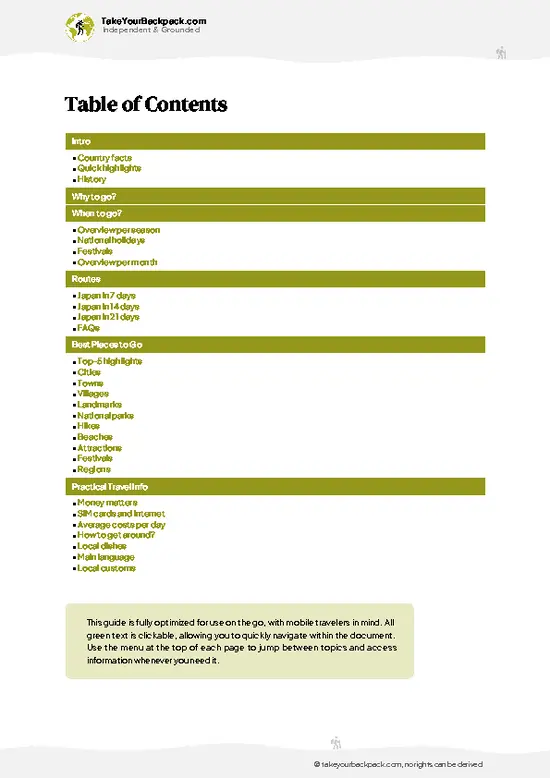
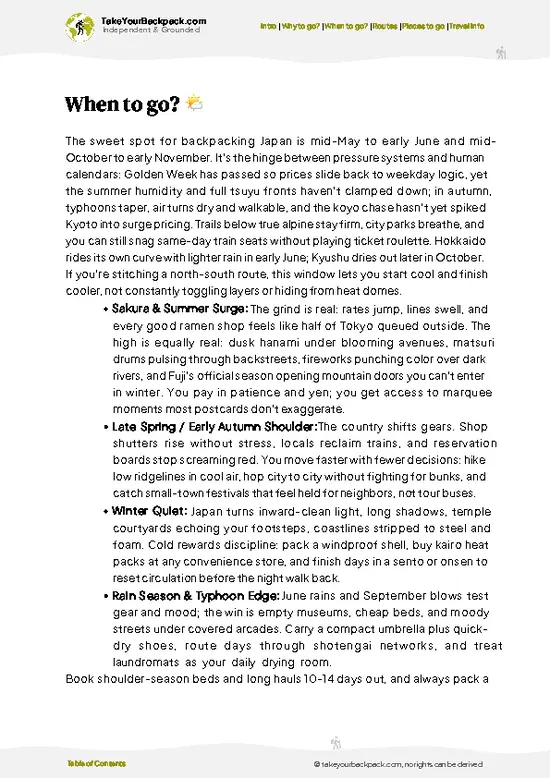
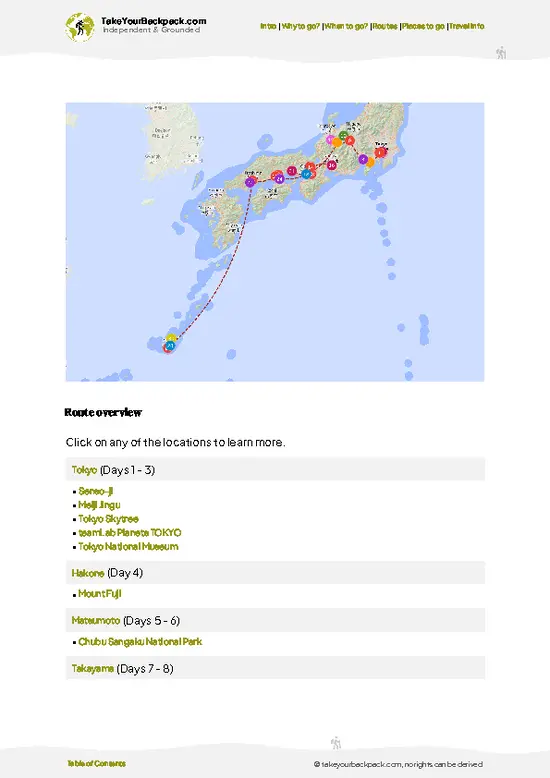
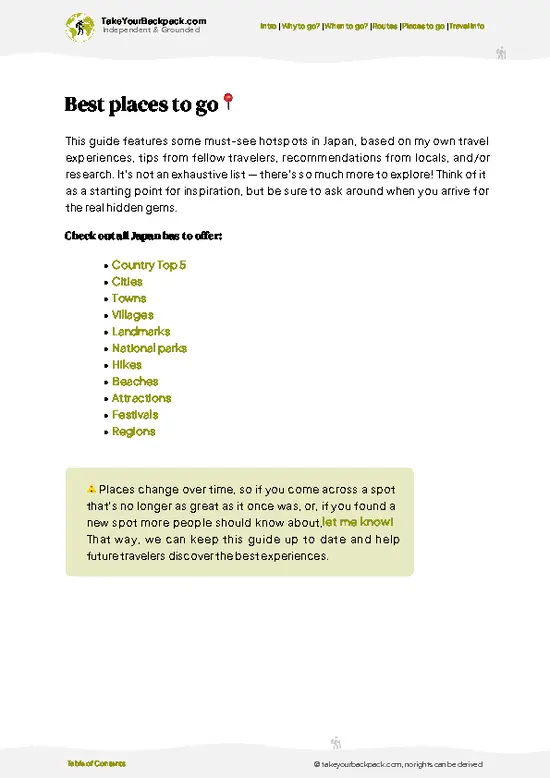
example page 0 from our offline Travel Guide for Japan
example page 1 from our offline Travel Guide for Japan
example page 2 from our offline Travel Guide for Japan
example page 3 from our offline Travel Guide for Japan
example page 4 from our offline Travel Guide for Japan
example page 5 from our offline Travel Guide for Japan
example page 6 from our offline Travel Guide for Japan
example page 7 from our offline Travel Guide for Japan
The digital guide (482 pages) contains:
140 highlights, ranked by travel appeal
Optimized 7, 14 & 21-day travel routes
Cities, national parks, landmarks, beaches
How to get around
Offline-friendly for travel without Wi-Fi
👉 Click to see all 30+ guide features

📅 Plan smarter in minutes, not weeks
Month by month travel advice
Festivals & national holidays
Budget expectations

🗺️ Go to the right places, skip the overrated ones
Honest pros & cons of destinations
Top hikes, parks & viewpoints
Lesser-known places most travelers miss
Clear “worth it vs skip it” guidance

🛏️ Travel smoothly without rookie mistakes
Best areas to stay
Transport systems explained simply
Common scams & safety advice
SIM cards, money & practical tips

🌍 Understand the country, not just visit it
Culture & traditions
52 Essential phrases & customs
Festivals worth planning around
Traveler-friendly historical context
Insights that make places more meaningful

📱 Built for real travel conditions
Fully downloadable PDF
Works completely offline
Optimized for phone use
Useful in remote areas & buses
Everything in one place
Save weeks of stressful planning
Get instant access to your full guide. 30‑day money-back guarantee.
+ Add another guide for just US$7.80

By proceeding you agree to our terms.
Sent to your inbox immediately after payment • 100% Secure Checkout
Best Backpacking Travel Advisor 2025 tourism awardBest Backpacking
Travel Advisor
2025
What others say about Take Your Backpack Guides:
⭐⭐⭐⭐⭐
Fantastic, amazing amount of information!
⭐⭐⭐⭐⭐
My goodness this is amazing, it's what I've been looking for hats off too you!
⭐⭐⭐⭐⭐
I think this is absolutely BRILLIANT
⭐⭐⭐⭐
Very complete and informative. It's still missing places, but I gotta to commend you
⭐⭐⭐⭐⭐
This is truly amazing, thank you, can't wait to explore it with my kids!
⭐⭐⭐⭐⭐
Awesome resource, thank you!
⭐⭐⭐⭐⭐
This is amazing! Can't wait to explore the ones I haven't seen
⭐⭐⭐⭐
I love this! Well done, great idea.
⭐⭐⭐⭐⭐
Thanks for taking the time to make this gem!
⭐⭐⭐⭐⭐
This might be the best website I've ever seen.
⭐⭐⭐⭐⭐
Congratulations, and thank you so much for your work; it's incredibly valuable.
⭐⭐⭐⭐
In all seriousness I think you did a great job pointing out the important spots
⭐⭐⭐⭐⭐
10/10 very good
⭐⭐⭐⭐⭐
As someone who's only just starting to visit regularly this is awesome, thank you.
⭐⭐⭐⭐
Thank you very much! I'm going to visit my dad, it's going to be very useful!
⭐⭐⭐⭐⭐
This is really cool! We'll be travelling for the first time and this definitely come in handy.
⭐⭐⭐⭐⭐
You are now our minister of culture, congratulations 👨‍💼
⭐⭐⭐⭐⭐
Just wanted to tell you that this is a pearl! Going to follow your recommendations.
⭐⭐⭐⭐⭐
This is so cool. I'll definitely be using the resource for my travels soon.
⭐⭐⭐⭐⭐
This is very impressive! Good work.
⭐⭐⭐⭐⭐
This is an amazing and informative site. Very well done!

🛏️ Where to stay?Best areas and accommodation options

Sendai’s best backpacker turf centers around the Aoba Ward, especially near Sendai Station and the Kokubuncho district. Staying close to Sendai Station means you’re plugged into the city’s pulse and transit network—perfect for maximizing time without wasting it on long commutes. It’s safe, clean, and has a steady stream of fellow travelers, making it easy to strike up conversations or find a group for day trips. Kokubuncho, just a short walk away, offers a livelier, more social vibe with bars and eateries where solo travelers can mingle without feeling out of place. Hostels cluster around these … read more 👉
Sendai’s best backpacker turf centers around the Aoba Ward, especially near Sendai Station and the Kokubuncho district. Staying close to Sendai Station means you’re plugged into the city’s pulse and transit network—perfect for maximizing time without wasting it on long commutes. It’s safe, clean, and has a steady stream of fellow travelers, making it easy to strike up conversations or find a group for day trips. Kokubuncho, just a short walk away, offers a livelier, more social vibe with bars and eateries where solo travelers can mingle without feeling out of place. Hostels cluster around these spots, balancing affordability with comfort and access. Other neighborhoods might be quieter or cheaper but often sacrifice convenience or social energy, which can leave you isolated or bogged down in transit. In Sendai, you’re trading a bit of budget for a big boost in experience and connection—smart moves for a trip that sticks.

🚌 Getting aroundHow to get from A to B

Sendai moves with a quiet efficiency that feels both deliberate and relaxed. It’s not a city that rushes you, but it won’t wait around either. The rhythm here is a blend of punctual trains and the easy pace of wide streets where locals stroll with purpose but no panic. You’ll find that timing your moves is less about squeezing every minute and more about syncing with a system that rewards patience and smart choices. This is where your trade-offs come into play: spend a little more for speed and comfort, or save cash by embracing slower, simpler options. The city’s flow invites you to play the game of time versus money with a clear view of what you’re gaining or giving up.


  • Sendai Subway (Tozai and Namboku Lines): Runs from 6:00 AM to midnight, fares start around 210 yen; fast and reliable
read more 👉
Sendai moves with a quiet efficiency that feels both deliberate and relaxed. It’s not a city that rushes you, but it won’t wait around either. The rhythm here is a blend of punctual trains and the easy pace of wide streets where locals stroll with purpose but no panic. You’ll find that timing your moves is less about squeezing every minute and more about syncing with a system that rewards patience and smart choices. This is where your trade-offs come into play: spend a little more for speed and comfort, or save cash by embracing slower, simpler options. The city’s flow invites you to play the game of time versus money with a clear view of what you’re gaining or giving up.


  • Sendai Subway (Tozai and Namboku Lines): Runs from 6:00 AM to midnight, fares start around 210 yen; fast and reliable with clean, air-conditioned cars—ideal for covering longer distances quickly without breaking the bank.

  • JR East Trains (Senseki and Tohoku Lines): Early service begins around 5:30 AM, last trains close to midnight; fares vary but remain affordable for regional travel; perfect if you want to explore beyond the city center with decent comfort and speed.

  • City Buses: Frequent stops throughout Sendai, fares about 210 yen; slower due to traffic but excellent for reaching neighborhoods the subway doesn’t touch; a budget-friendly choice if you’re not pressed for time.

  • Walking: The city center is compact and pedestrian-friendly; zero cost, full control over your pace, and the best way to soak in local life—though it demands time and energy, so plan accordingly.

👛 Costs (as of 4 September 2026)Travel costs and budget guide for Sendai

Backpacking in Sendai offers a clear trade-off between comfort, time, and money, and knowing the daily costs helps you play that game smartly.
  • Dorm Accommodation (High Season): Expect to pay around $25-$35 per night in a shared dorm during peak travel times like spring cherry blossom season or autumn. These places are basic but clean, often with communal kitchens and good Wi-Fi.
  • Dorm Accommodation (Off-Season): In quieter months, prices drop to about $18-$25. You might find fewer crowds and a bit more space, but some hostels may reduce services or close temporarily.
  • Meals: Budget around $10-$15 daily if you stick to convenience stores, local noodle shops, or small eateries. Sendai’s famous beef tongue dishes are a splurge at $15-$25 per meal, so factor that in if you want a taste of local
read more 👉
Backpacking in Sendai offers a clear trade-off between comfort, time, and money, and knowing the daily costs helps you play that game smartly.
  • Dorm Accommodation (High Season): Expect to pay around $25-$35 per night in a shared dorm during peak travel times like spring cherry blossom season or autumn. These places are basic but clean, often with communal kitchens and good Wi-Fi.
  • Dorm Accommodation (Off-Season): In quieter months, prices drop to about $18-$25. You might find fewer crowds and a bit more space, but some hostels may reduce services or close temporarily.
  • Meals: Budget around $10-$15 daily if you stick to convenience stores, local noodle shops, or small eateries. Sendai’s famous beef tongue dishes are a splurge at $15-$25 per meal, so factor that in if you want a taste of local flavor.
  • Local Transport: Single bus or subway rides cost about $1.50-$2.50. Sendai’s public transport is efficient but not extensive, so expect some walking or occasional taxis if you’re tight on time.
  • City Transport Pass: A one-day pass for unlimited rides on buses and subways runs around $5-$7. This is a smart buy if you plan multiple trips in a day, saving both money and hassle.
  • Basic Activities/Entry Fees: Museums and attractions typically charge $3-$7. Some parks and shrines are free, but special exhibitions or guided tours can push costs higher.
  • Miscellaneous Expenses: Budget $3-$7 for things like bottled water, snacks, or small souvenirs. Convenience stores are everywhere, so it’s easy to grab essentials without breaking the bank.

All told, a realistic daily budget for backpacking in Sendai ranges from about $50 on the lean side to $80 if you want a bit more comfort or indulge in local specialties. This range balances the essentials without sacrificing the experience, letting you decide where to save and where to splurge.


source: sentabi.jp
⚠️ Prices can change and everyone travels differently, so take this as a rough guide. Hope it helps you plan your adventure!

🚌 Day tripsEasy escapes and nearby places

Using Sendai as your base opens up a treasure trove of day trips that balance time, money, and comfort. Let’s dive into some standout options.

Matsushima Bay
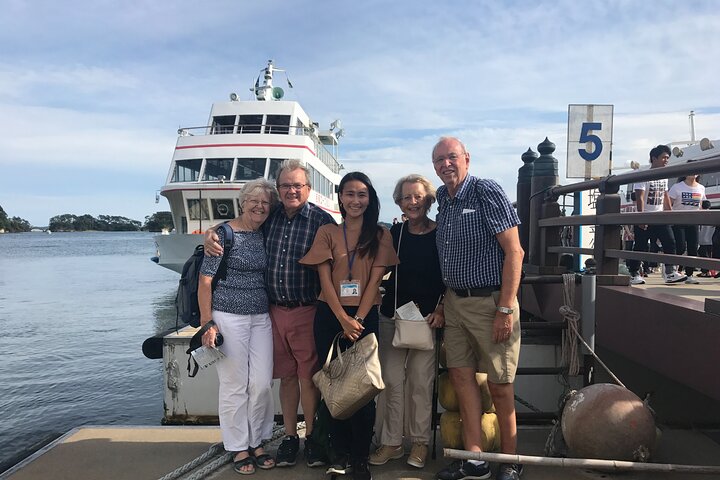
Just a 40-minute train ride from Sendai, Matsushima Bay is famous for its stunning views of over 200 pine-covered islands. You can hop on a boat tour to soak in the scenery, or simply stroll along the waterfront. The area is rich in history, with temples like Zuigan-ji adding a cultural layer to your visit. Expect to spend around ¥1,500 for transport and a boat ride. Spring and autumn are ideal for mild weather and fewer crowds. A common mistake? Skipping the boat tour; it’s the best way to appreciate the bay’s beauty.
👉 Explore Matsushima Bay

Yamadera
A one-hour train ride takes you to Yamadera, a mountain temple complex that … read more 👉
Using Sendai as your base opens up a treasure trove of day trips that balance time, money, and comfort. Let’s dive into some standout options.

Matsushima Bay
Just a 40-minute train ride from Sendai, Matsushima Bay is famous for its stunning views of over 200 pine-covered islands. You can hop on a boat tour to soak in the scenery, or simply stroll along the waterfront. The area is rich in history, with temples like Zuigan-ji adding a cultural layer to your visit. Expect to spend around ¥1,500 for transport and a boat ride. Spring and autumn are ideal for mild weather and fewer crowds. A common mistake? Skipping the boat tour; it’s the best way to appreciate the bay’s beauty.
👉 Explore Matsushima Bay

Yamadera
A one-hour train ride takes you to Yamadera, a mountain temple complex that rewards your effort with breathtaking views. The climb up the 1,000 steps is invigorating, and the serene atmosphere is a perfect escape from city life. Budget about ¥1,200 for the round trip and entrance fee. Visit in late spring or early autumn to catch the foliage at its peak. Many first-timers underestimate the time needed for the climb, so start early!


Akiu Onsen
Only 30 minutes from Sendai, Akiu Onsen is a hot spring town where you can unwind after a day of exploration. The natural hot springs are rejuvenating, and you can find affordable day-use options at ryokans. Expect to spend around ¥2,000 for transport and entry. Winter is particularly cozy, but spring offers beautiful cherry blossoms. A common pitfall is not booking ahead; weekends can get busy!


Shiroishi Castle
About an hour away, Shiroishi Castle is a reconstructed fortress that offers a glimpse into Japan’s feudal past. The castle grounds are lovely for a leisurely walk, and the small museum inside is worth a visit. Total costs will be around ¥1,500 for transport and entry. Spring is ideal for cherry blossoms, while autumn showcases vibrant foliage. First-timers often miss the castle’s historical context; take time to read the exhibits!
Want to know what more Japan offers?
The Japan Travel Guide describes 140 highlights, from cities to national parks, from beaches to hikes

Get the Travel Guide -

🍲 FoodLocal Flavors for Backpackers

In Sendai, the culinary scene is a vibrant tapestry of flavors that beckons you to dive in. Start with gyutan, grilled beef tongue, a local specialty that’s tender and smoky, often served with a side of rice and pickles. The soba noodles here are also a must-try, served hot or cold, and bursting with umami.

Backpackers will find their haven in bustling markets and street stalls, where the air is thick with the aroma of grilled skewers and savory pancakes. Casual eateries dot the streets, offering a cozy atmosphere to savor your meal.

When it comes to drinks, don’t miss out on local sake; it’s a rite of passage. Sip it slowly, and you’ll appreciate the craftsmanship behind each bottle. Remember, it’s customary to pour for others before filling your own glass—this is about connection, not … read more 👉
In Sendai, the culinary scene is a vibrant tapestry of flavors that beckons you to dive in. Start with gyutan, grilled beef tongue, a local specialty that’s tender and smoky, often served with a side of rice and pickles. The soba noodles here are also a must-try, served hot or cold, and bursting with umami.

Backpackers will find their haven in bustling markets and street stalls, where the air is thick with the aroma of grilled skewers and savory pancakes. Casual eateries dot the streets, offering a cozy atmosphere to savor your meal.

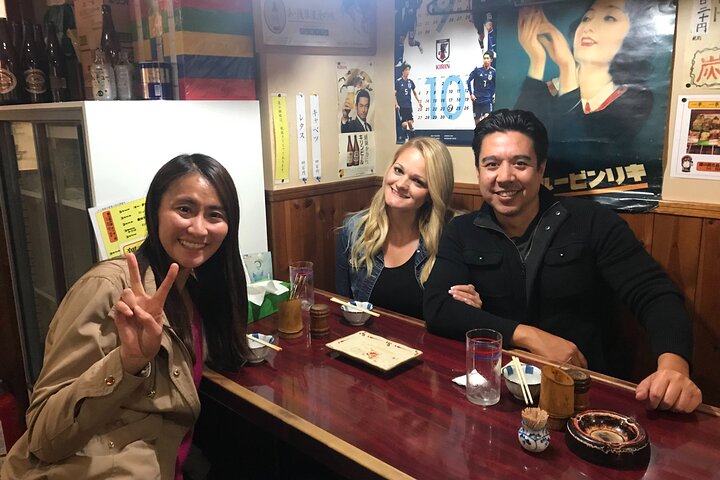
When it comes to drinks, don’t miss out on local sake; it’s a rite of passage. Sip it slowly, and you’ll appreciate the craftsmanship behind each bottle. Remember, it’s customary to pour for others before filling your own glass—this is about connection, not just consumption. Enjoy the communal vibe; it’s all part of the experience.

🛡️ SafetyTraveler Safety Guide

Sendai is generally safe, but like any city, it has its quirks. Stay aware in crowded areas like shopping districts, where pickpockets might lurk. If you’re solo and out at night, stick to well-lit streets and avoid quiet alleys. Most locals are friendly, but be cautious of overly eager vendors in tourist spots; they might push overpriced souvenirs.

Public transport is reliable, but keep an eye on your belongings, especially during rush hours. Carry a small amount of cash, as some places may not accept cards. Overall, trust your instincts and maintain a confident demeanor; that’s your best defense.

FAQFrequently asked questions about Sendai

2 to 3 days are sufficient to explore Sendai. This allows time to visit key sites like the Sendai Castle ruins, Zuihoden Mausoleum, and the nearby Matsushima Bay, which is about 40 minutes away by train.
Yes, Sendai is safe for solo backpackers. The city has low crime rates and a friendly atmosphere, with well-maintained public transport and clear signage, making navigation easy for travelers.
Sendai is known for its Tanabata Festival held every August, its historic sites like Sendai Castle, and local specialties such as gyutan (grilled beef tongue). It is also recognized for its green spaces and proximity to scenic coastal areas.
⚠️ Things can change over time, so always validate details locally before you go.

Other Japanese cities near Sendai

Explore more nearby:

  • Yamagata—hot spring towns, cherry harvest, temple steps| 47 km away
  • Morioka—stone bridges, noodle shops, mountain backdrop| 161 km away
  • Mito—Kairakuen garden, plum blossoms, art museum| 214 km away

💡 Not sure where to go next?
Create a personalized itinerary for Japan including Sendai and the places that fit your trip.

Generate my itinerary

👉 Discover all cities

Or checkout all Japan has to offer (think cities, towns, villages, national parks, hikes, beaches, festivals)
Country photo of Japan

We 💚 feedbackWhat to keep in mind

Sendai’s culinary scene is a treasure. The beef tongue here? A must-try that’ll have you dreaming about your next bite. But be ready for a slower pace; this isn’t a city that rushes. If you’re craving a whirlwind trip, you might feel a bit antsy. Embrace the chill, and let the flavors sink in.

✈️ When did I visit Japan?
As part of my 1.5 year travel around the world trip, I visited Japan in August 2015.

✍️ Help improve this page!
The information on this page is based on my own backpacking experience in Japan, supplemented with up-to-date research and feedback from other travelers. Travel details can change, so if you notice anything outdated or incomplete, feel free to let me know.


🙋‍♂️ Give feedback

👋 Meet the founderWho’s Behind Take Your Backpack?

Johan, backpacker and founder of TakeYourBackpackHi, I’m Johan (Netherlands 🇳🇱), the creator of TakeYourBackpack. Over the past decade, I’ve backpacked through 80+ countries across six continents, gaining extensive experience with independent travel, long-term trips, and overland routes.

This site is built on a combination of firsthand travel experience and carefully curated insights from other backpackers. Many guides are based on places I’ve personally visited, while others bring together tips, observations, and practical advice shared by trusted travelers I’ve met along the way.

The goal is to provide realistic, experience-driven guidance — not generic itineraries — so you can explore destinations with better context, clearer expectations, and more confidence.

Get full Japan guide •
Instant download • 140 highlights • Full Offline guide