×

Japan🇯🇵 | citiesMoriokastone bridges, noodle shops, mountain backdrop | things to do and best time to go

Explore MitoExplore Shimonoseki

Backpacking in Morioka
👀 For curious travelerscity ranked #40
By Johan Kruseman 🇳🇱 | Updated September 23, 2026

Most people skip Morioka, but it quietly has some of the best food-to-price value of any mid-sized Japanese city I’ve hit. Sitting in Iwate Prefecture in northern Tohoku, it’s a compact, walkable base with rivers, a small castle park, and a few low-key historic streets rather than big-ticket sights. It’s calm, safe, and cheap by Japan standards, but nightlife is modest and foreign backpackers are rare, so it feels more like living in Japan than ticking boxes.

Discover everything you want to know in the 📖 Japan Travel Guide.


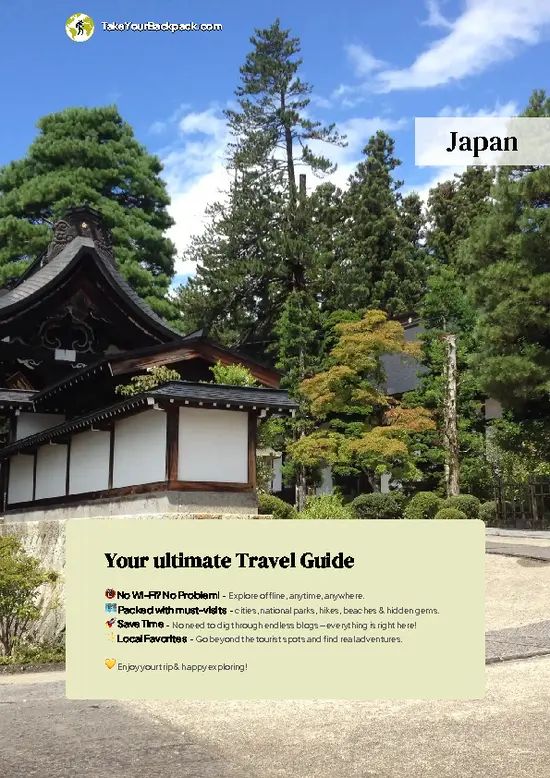
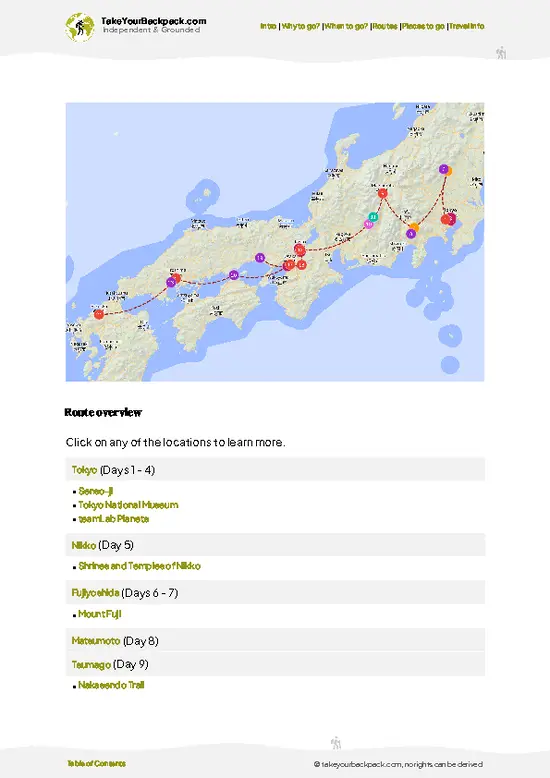
example page 0 from our offline Travel Guide for Japan
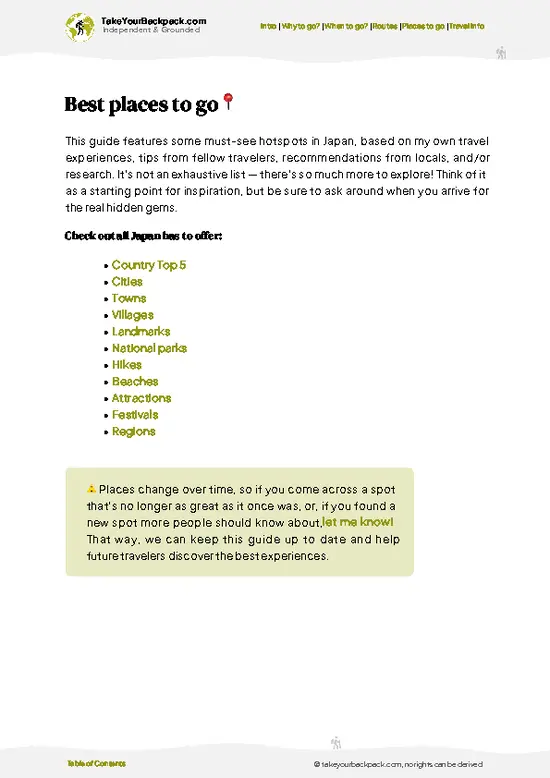
example page 1 from our offline Travel Guide for Japan
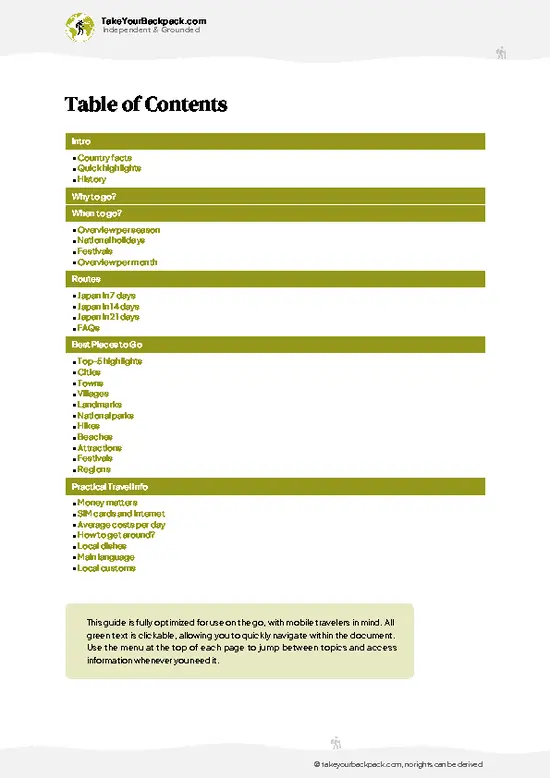
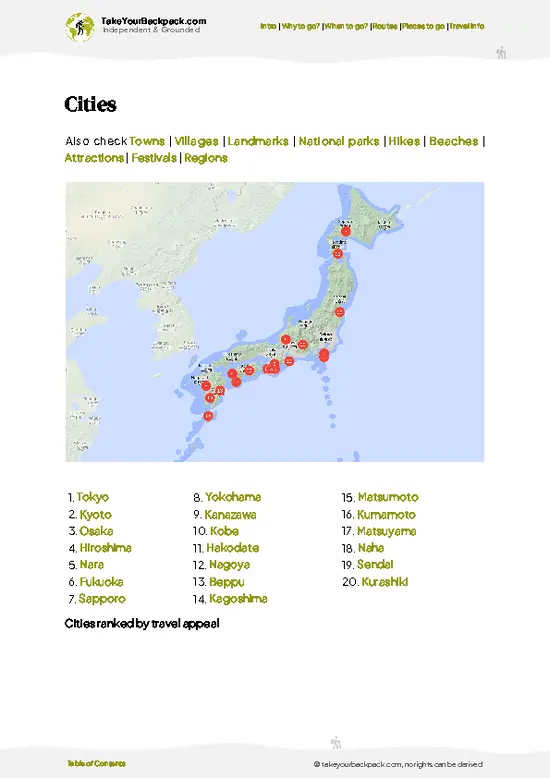
example page 2 from our offline Travel Guide for Japan
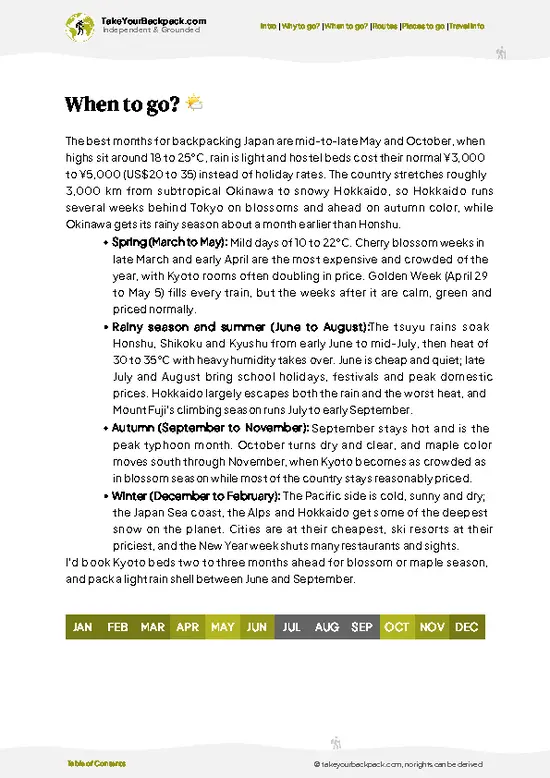
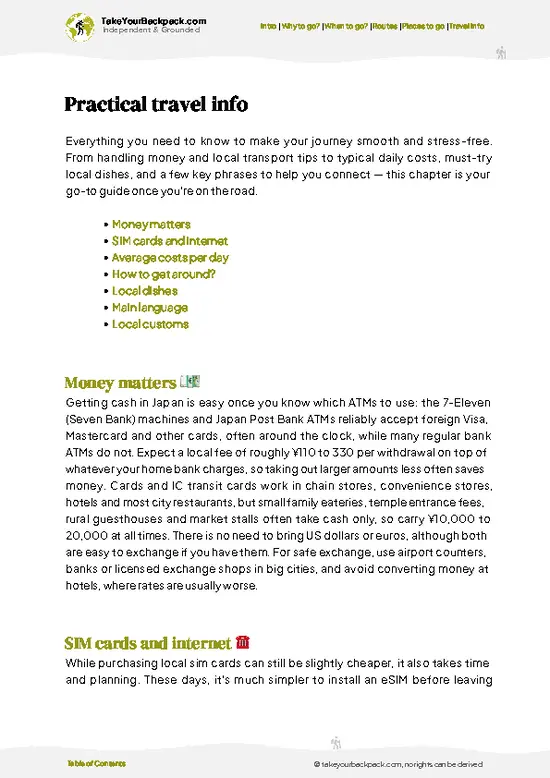
example page 3 from our offline Travel Guide for Japan
example page 4 from our offline Travel Guide for Japan
example page 5 from our offline Travel Guide for Japan
example page 6 from our offline Travel Guide for Japan
example page 7 from our offline Travel Guide for Japan
Loading the map 🌍
CLICK TO FILTER
cities
towns
villages
landmarks
national parks
hikes
beaches
attractions
festivals
regions
SHOW COUNTRY’S BESTSHOW ALL

✨ Why go?
Ranked #40 city in Japan
Why visitors keep coming back

Morioka is a strategic basecamp for backpackers exploring northern Japan. It offers a solid mix of affordable hostels and local eateries, making it easy to stretch your yen while indulging in authentic flavors. The city is walkable, allowing you to soak in the atmosphere without the hassle of public transport. Plus, its nightlife is laid-back yet lively, perfect for unwinding after a day of exploration. With easy onward travel options, Morioka serves as a convenient hub for day trips into the surrounding mountains and hot springs. It’s not just a stop; it’s a smart choice for those seeking a blend of comfort and adventure.

💡 HighlightsTop highlights of Morioka

Morioka Castle Site Park (Iwate Park)
The old castle’s stone walls and broad lawns are the city’s living room. Locals picnic under cherry blossoms in April, and the autumn leaves are a riot. Free entry, open year-round. You can see the best in 45 minutes, but linger for people-watching.

Bank of Iwate Red Brick Building
A Meiji-era architectural flex—red brick, domes, and a whiff of old money. Now a museum, it’s a crash course in Morioka’s modernization. Entry is about ¥300. Worth 30-40 minutes, especially if you like your history tactile.

Morioka Handi-Works Square
Roll up your sleeves: this is hands-on. Try Nambu ironware casting, dyeing, or noodle-making with local artisans. Workshops run ¥500-¥2,000. Allow 1.5-2 hours if you want to make something you’ll actually keep.

Rock-Breaking Cherry … read more 👉
Morioka Castle Site Park (Iwate Park)
The old castle’s stone walls and broad lawns are the city’s living room. Locals picnic under cherry blossoms in April, and the autumn leaves are a riot. Free entry, open year-round. You can see the best in 45 minutes, but linger for people-watching.

Bank of Iwate Red Brick Building
A Meiji-era architectural flex—red brick, domes, and a whiff of old money. Now a museum, it’s a crash course in Morioka’s modernization. Entry is about ¥300. Worth 30-40 minutes, especially if you like your history tactile.

Morioka Handi-Works Square
Roll up your sleeves: this is hands-on. Try Nambu ironware casting, dyeing, or noodle-making with local artisans. Workshops run ¥500-¥2,000. Allow 1.5-2 hours if you want to make something you’ll actually keep.

Rock-Breaking Cherry Tree (Ishiwarizakura)
A cherry tree splitting a granite boulder—nature’s slow-motion magic trick. It’s a quick stop (10 minutes), but in late April, the blossoms draw crowds and cameras. Free, always accessible.

Takuboku Ishikawa Memorial Museum
A poet’s life in artifacts and letters. If you want to feel the pulse of Morioka’s literary soul, this is it. ¥350 entry, 30-45 minutes. Best on a quiet weekday.

Wanko Soba Challenge at Azumaya
Not just a meal—a local rite of passage. Servers keep refilling your tiny bowl until you surrender. Around ¥3,000 for the full experience. Budget an hour, and bring your appetite.

For day trips, Morioka is the launchpad for Hachimantai’s volcanic landscapes, Tono’s folk legends, and the dramatic Geibikei Gorge. Hachimantai’s wild, steaming earth is my personal favorite—pure, elemental Japan.
Spotted a mistake or missing something? Contact us.

Things to do near Morioka

Ratings based on Tripadvisor reviews. When you book through this link, you support our work at no extra cost to you.

🏘️ NeighborhoodsUnderstanding the local layout

Morioka is a charming city that balances tradition and modernity, making it a perfect stop for backpackers.

Center City: This is the heartbeat of Morioka. You’ll find a mix of shops, eateries, and cultural sites. It’s walkable, with easy access to public transport. Ideal for short stays, the nightlife here is vibrant but not overwhelming.

Nakamachi: Known for its quaint streets and local cafes, Nakamachi offers a quieter vibe. It’s great for longer stays if you want to soak in local life. The area is less touristy, making it budget-friendly, but still accessible to the main attractions.

Kawaguchi: A bit further out, this area is perfect for nature lovers. It’s peaceful and offers scenic views. While transport access is decent, it’s better suited for those looking to escape the hustle and enjoy a slower pace.

⌛️ 1 dayHow to make the most of one day

Morioka, Japan, is a charming blend of tradition and modernity, nestled between mountains and rivers. It’s a city where you can savor local delicacies and soak in rich culture without the tourist crowds.

Start your morning at the bustling Morioka Morning Market. Here, vendors offer fresh produce and local specialties like wanko soba—tiny bowls of noodles that keep coming until you say stop. It’s a fun way to engage with locals and fuel up for the day.

Afterward, stroll through the historic Nakajima Park, where cherry blossoms bloom in spring. The serene atmosphere is perfect for a leisurely walk, and you might even spot a few koi in the pond.

In the afternoon, head to the less-traveled district of Iwate Park. It’s home to the Morioka Castle ruins, where you can explore the remnants and … read more 👉
Morioka, Japan, is a charming blend of tradition and modernity, nestled between mountains and rivers. It’s a city where you can savor local delicacies and soak in rich culture without the tourist crowds.

Start your morning at the bustling Morioka Morning Market. Here, vendors offer fresh produce and local specialties like wanko soba—tiny bowls of noodles that keep coming until you say stop. It’s a fun way to engage with locals and fuel up for the day.

Afterward, stroll through the historic Nakajima Park, where cherry blossoms bloom in spring. The serene atmosphere is perfect for a leisurely walk, and you might even spot a few koi in the pond.

In the afternoon, head to the less-traveled district of Iwate Park. It’s home to the Morioka Castle ruins, where you can explore the remnants and enjoy panoramic views of the city.

As evening approaches, make your way to the lively Morioka Station area. Grab dinner at a local izakaya, where you can try grilled fish and sake. The atmosphere is warm and inviting, a perfect end to your day. Morioka may not be on every tourist’s radar, but it’s a place where every moment feels authentic and rewarding.

🌤️ When to go?Weather, crowds, and seasonal trade-offs

  • Topic: Weather and Temperature — Morioka’s best backpacking window is late spring (May-June) and early autumn (September-October). Expect mild temps: 15-25°C (59-77°F) in spring, cooling to 10-20°C (50-68°F) in autumn. Avoid the humid, hot summer months (July-August) hitting 30°C+ (86°F+), and the bitter cold winters dropping below freezing.
  • Topic: Daylight Hours — Spring and autumn offer balanced daylight, roughly 12-14 hours, perfect for maximizing hiking and city exploration without burning out.
  • Topic: Crowds — Peak tourist influx hits summer and cherry blossom season (April), so spring’s tail end and autumn’s start provide a quieter, more authentic vibe.
  • Topic: Seasonal Activities — Spring brings blooming azaleas and fresh greenery; autumn dazzles with fiery foliage. Both seasons
… read more 👉
  • Topic: Weather and Temperature — Morioka’s best backpacking window is late spring (May-June) and early autumn (September-October). Expect mild temps: 15-25°C (59-77°F) in spring, cooling to 10-20°C (50-68°F) in autumn. Avoid the humid, hot summer months (July-August) hitting 30°C+ (86°F+), and the bitter cold winters dropping below freezing.
  • Topic: Daylight Hours — Spring and autumn offer balanced daylight, roughly 12-14 hours, perfect for maximizing hiking and city exploration without burning out.
  • Topic: Crowds — Peak tourist influx hits summer and cherry blossom season (April), so spring’s tail end and autumn’s start provide a quieter, more authentic vibe.
  • Topic: Seasonal Activities — Spring brings blooming azaleas and fresh greenery; autumn dazzles with fiery foliage. Both seasons feature local festivals that add cultural depth without overwhelming crowds.
  • Topic: Price Fluctuations — Accommodation and transport costs spike in summer and during Golden Week (late April-early May). Shoulder seasons offer better deals, letting you stretch your budget without sacrificing experience.
Pro-tip: Aim for early October—cool air, fewer tourists, and vibrant fall colors make it the sweet spot where comfort meets value.


source: climatestotravel.comJANJanuary: below average for travelingFEBFebruary: below average for travelingMARMarch: fair for travelingAPRApril: fair for travelingMAYMay: highly recommended for travelingJUNJune: highly recommended for travelingJULJuly: fair for travelingAUGAugust: fair for travelingSEPSeptember: highly recommended for travelingOCTOctober: excellent for travelingNOVNovember: good for travelingDECDecember: below average for traveling
when-to-go

✈️ The backpacker research shortcutJapan Travel Guide

An offline-friendly backpacking guide with optimized travel routes, ranked highlights, transport advice, and the best areas to stay.
example page 0 from our offline Travel Guide for Japan
example page 1 from our offline Travel Guide for Japan
example page 2 from our offline Travel Guide for Japan
example page 3 from our offline Travel Guide for Japan
example page 4 from our offline Travel Guide for Japan
example page 5 from our offline Travel Guide for Japan
example page 6 from our offline Travel Guide for Japan
example page 7 from our offline Travel Guide for Japan
The digital guide (475 pages) contains:
✅ 139 highlights, ranked by travel appeal
✅ Optimized 7, 14 & 21-day travel routes
✅ Cities, national parks, landmarks, beaches
✅ How to get around
✅ Offline-friendly for travel without Wi-Fi
👉 Click to see all 30+ guide features

📅 Plan smarter in minutes, not weeks
✅ Month by month travel advice
✅ Festivals & national holidays
✅ Budget expectations

🗺️ Go to the right places, skip the overrated ones
✅ Honest pros & cons of destinations
✅ Top hikes, parks & viewpoints
✅ Lesser-known places most travelers miss
✅ Clear “worth it vs skip it” guidance

🛏️ Travel smoothly without rookie mistakes
✅ Best areas to stay
✅ Transport systems explained simply
✅ Common scams & safety advice
✅ SIM cards, money & practical tips

🌍 Understand the country, not just visit it
✅ Culture & traditions
✅ 52 Essential phrases & customs
✅ Festivals worth planning around
✅ Traveler-friendly historical context
✅ Insights that make places more meaningful

📱 Built for real travel conditions
✅ Fully downloadable PDF
✅ Works completely offline
✅ Optimized for phone use
✅ Useful in remote areas & buses
✅ Everything in one place
Stop searching, start planning
Get instant access to your full guide. 30‑day money-back guarantee.
+ Add another guide for just

By proceeding you agree to our terms.
Sent to your inbox immediately after payment • 100% Secure Checkout
Best Backpacking Travel Advisor 2025 tourism awardBest Backpacking
Travel Advisor
2025
What others say about Take Your Backpack Guides:
⭐⭐⭐⭐⭐
Fantastic, amazing amount of information!
⭐⭐⭐⭐⭐
My goodness this is amazing, it's what I've been looking for hats off too you!
⭐⭐⭐⭐⭐
I think this is absolutely BRILLIANT
⭐⭐⭐⭐
Very complete and informative. It's still missing places, but I gotta to commend you
⭐⭐⭐⭐⭐
This is truly amazing, thank you, can't wait to explore it with my kids!
⭐⭐⭐⭐⭐
Awesome resource, thank you!
⭐⭐⭐⭐⭐
This is amazing! Can't wait to explore the ones I haven't seen
⭐⭐⭐⭐
I love this! Well done, great idea.
⭐⭐⭐⭐⭐
Thanks for taking the time to make this gem!
⭐⭐⭐⭐⭐
This might be the best website I've ever seen.
⭐⭐⭐⭐⭐
Congratulations, and thank you so much for your work; it's incredibly valuable.
⭐⭐⭐⭐
In all seriousness I think you did a great job pointing out the important spots
⭐⭐⭐⭐⭐
10/10 very good
⭐⭐⭐⭐⭐
As someone who's only just starting to visit regularly this is awesome, thank you.
⭐⭐⭐⭐
Thank you very much! I'm going to visit my dad, it's going to be very useful!
⭐⭐⭐⭐⭐
This is really cool! We'll be travelling for the first time and this definitely come in handy.
⭐⭐⭐⭐⭐
You are now our minister of culture, congratulations 👨‍💼
⭐⭐⭐⭐⭐
Just wanted to tell you that this is a pearl! Going to follow your recommendations.
⭐⭐⭐⭐⭐
This is so cool. I'll definitely be using the resource for my travels soon.
⭐⭐⭐⭐⭐
This is very impressive! Good work.
⭐⭐⭐⭐⭐
This is an amazing and informative site. Very well done!

🛏️ Where to stay?Where staying makes the most sense

Morioka’s sweet spot for backpackers is the area around Morioka Station. It’s the city’s pulse—safe, easy to navigate, and packed with budget-friendly hostels that attract solo travelers and small groups alike. Staying here means you’re plugged into the social scene without sacrificing convenience; you can grab a quick bite, hop on buses, or stroll to local markets without hassle. Compared to the quieter residential neighborhoods, this zone buzzes just enough to keep you connected but not overwhelmed. If you want to stretch your yen while meeting fellow adventurers, Morioka Station’s vicinity is your strategic basecamp.

🚌 Getting aroundHow to get from A to B

Morioka moves with a quiet rhythm, more a gentle pulse than a frantic beat. It’s not a city where you’ll find yourself racing against the clock or squeezed into sardine-packed trains. Instead, the flow here leans on a balance between punctuality and a relaxed pace, where locals know the schedules but aren’t slaves to them. Your choices in transit will shape how much time you spend soaking in the city’s character versus just moving through it.
  • Walking: Morioka’s compact downtown makes walking the top choice for budget travelers. It costs nothing, keeps you flexible, and lets you catch the small details—like local shops and street food stalls—that buses and trains miss.
  • IGR Iwate Galaxy Railway: Runs roughly from 5:30 AM to midnight, with fares starting around 200 yen. It’s reliable and comfortable,
… read more 👉
Morioka moves with a quiet rhythm, more a gentle pulse than a frantic beat. It’s not a city where you’ll find yourself racing against the clock or squeezed into sardine-packed trains. Instead, the flow here leans on a balance between punctuality and a relaxed pace, where locals know the schedules but aren’t slaves to them. Your choices in transit will shape how much time you spend soaking in the city’s character versus just moving through it.
  • Walking: Morioka’s compact downtown makes walking the top choice for budget travelers. It costs nothing, keeps you flexible, and lets you catch the small details—like local shops and street food stalls—that buses and trains miss.
  • IGR Iwate Galaxy Railway: Runs roughly from 5:30 AM to midnight, with fares starting around 200 yen. It’s reliable and comfortable, perfect for hopping between Morioka and nearby towns without breaking the bank or wasting time.
  • City Bus: Operates from about 6 AM to 10 PM, with a flat fare near 200 yen. Slower than trains but covers routes trains don’t, so it’s a trade-off between time and reach. Expect modest comfort and occasional crowding during rush hours.
  • Taxi: Expensive compared to public transit, starting at about 600 yen for short rides. Offers door-to-door convenience and comfort, but it’s a clear sacrifice in money for time and ease—best for late-night returns or heavy luggage.

👛 Costs (as of 23 September 2026)Money, prices, and spending tips

Backpacking in Morioka, Japan, offers a clear trade-off map between time, money, and comfort, and knowing the daily costs helps you play that game smartly.
  • Dorm Accommodation (High Season): Expect to pay around $25 to $35 per night in shared dorms during peak travel months. These are basic but clean, often with communal bathrooms and minimal extras.
  • Dorm Accommodation (Off-Season): Prices drop to about $18 to $25 per night. Off-season means quieter hostels and a better chance to negotiate a slightly lower rate if you stay longer.
  • Meals: Budget about $10 to $15 daily if you stick to convenience stores, local noodle shops, or small eateries. Morioka’s famous wanko soba can be a splurge but still affordable around $15 to $20 for a full meal experience.
  • Local Transport: Single bus rides within
… read more 👉
Backpacking in Morioka, Japan, offers a clear trade-off map between time, money, and comfort, and knowing the daily costs helps you play that game smartly.
  • Dorm Accommodation (High Season): Expect to pay around $25 to $35 per night in shared dorms during peak travel months. These are basic but clean, often with communal bathrooms and minimal extras.
  • Dorm Accommodation (Off-Season): Prices drop to about $18 to $25 per night. Off-season means quieter hostels and a better chance to negotiate a slightly lower rate if you stay longer.
  • Meals: Budget about $10 to $15 daily if you stick to convenience stores, local noodle shops, or small eateries. Morioka’s famous wanko soba can be a splurge but still affordable around $15 to $20 for a full meal experience.
  • Local Transport: Single bus rides within Morioka cost roughly $1.50 to $2.50. Walking is often the best choice for central areas, saving money and giving you more time to soak in the city’s vibe.
  • City Transport Pass: A day pass for buses runs about $5 to $7, ideal if you plan multiple trips across the city in a day, especially to reach spots like Morioka Castle or local museums.
  • Basic Activities/Entry Fees: Museums and cultural sites typically charge between $3 and $7. Morioka’s parks and shrines are mostly free, offering value without spending a dime.
  • Miscellaneous Expenses: Budget $5 to $10 for things like bottled water, snacks, or small souvenirs. Morioka has local markets where you can find affordable treats and crafts.

Total daily costs for a backpacker in Morioka generally fall between $50 and $75, depending on season and your choices around transport and meals. This range balances comfort and economy, letting you experience the city without feeling pinched or missing out on key local flavors.


source: city.morioka.iwate.jp
⚠️ Prices can change and everyone travels differently, so take this as a rough guide. Hope it helps you plan your adventure!

🚌 Day tripsShort trips worth adding

Morioka is a fantastic base for day trips, offering a blend of culture, nature, and local flavor. Here are some standout options.

Geibikei Gorge
A boat ride through Geibikei Gorge is a serene escape. The limestone cliffs tower above as you glide along the Satetsu River. It’s about an hour from Morioka, and the round-trip fare is around ¥2,500. Spring and autumn are ideal for the stunning foliage. First-timers often underestimate the weather; dress in layers to stay comfortable.


Hachimantai
Just under two hours away, Hachimantai is a hiker’s paradise. The trails here lead to breathtaking views and volcanic landscapes. Expect to spend around ¥1,000 on transport and entry fees. Late spring is perfect for wildflowers, while autumn showcases vibrant colors. A common mistake is not checking … read more 👉
Morioka is a fantastic base for day trips, offering a blend of culture, nature, and local flavor. Here are some standout options.

Geibikei Gorge
A boat ride through Geibikei Gorge is a serene escape. The limestone cliffs tower above as you glide along the Satetsu River. It’s about an hour from Morioka, and the round-trip fare is around ¥2,500. Spring and autumn are ideal for the stunning foliage. First-timers often underestimate the weather; dress in layers to stay comfortable.


Hachimantai
Just under two hours away, Hachimantai is a hiker’s paradise. The trails here lead to breathtaking views and volcanic landscapes. Expect to spend around ¥1,000 on transport and entry fees. Late spring is perfect for wildflowers, while autumn showcases vibrant colors. A common mistake is not checking trail conditions; some paths can be closed in winter.


Shizukuishi
Famous for its hot springs, Shizukuishi is only 30 minutes from Morioka. You can soak in an onsen for about ¥1,500, making it a budget-friendly treat. Winter is magical here, with snow-covered landscapes. Many miss out on the local cuisine; don’t skip the soba noodles!

🍲 FoodLocal Flavors for Backpackers

Morioka is a culinary playground for backpackers. Dive into wanko soba, a fun, competitive way to enjoy tiny bowls of soba noodles. The challenge? Keep eating until you can’t anymore. Don’t miss Morioka reimen, cold noodles served with a tangy broth—perfect for hot days.

Street vendors and local markets buzz with life, offering yakitori skewers and kakigori (shaved ice) that cool you down. Grab a seat at a casual izakaya to soak in the lively atmosphere, where sharing dishes is the norm.

Remember, slurping your noodles is a compliment here—embrace it! This isn’t just food; it’s a chance to connect with the heart of Morioka.

🛡️ SafetyTraveler Safety Guide

Morioka is generally safe, but staying aware enhances your experience. Stick to well-lit areas at night, especially around the station and popular districts. Solo travelers should feel comfortable, yet it’s wise to avoid quiet backstreets after dark.

While scams are rare, be cautious of overly friendly locals offering unsolicited help; they may expect something in return. Everyday annoyances include occasional language barriers, so a translation app can be your best friend. Carry yourself confidently, and you’ll navigate the city like a pro.

FAQFrequently asked questions about Morioka

2 to 3 days are sufficient to explore Morioka. This allows time to visit key sites like Morioka Castle Ruins Park, the Iwate Museum of Art, and enjoy local cuisine. Day trips to nearby attractions like Hachimantai are also feasible within this timeframe.
Yes, Morioka is safe for solo backpackers. The city has low crime rates and a friendly, welcoming atmosphere. Basic precautions like avoiding poorly lit areas at night are enough to stay safe.
Morioka is known for its traditional soba noodles, especially wanko soba, a unique eating style where small bowls are served continuously. It is also famous for its historic sites such as Morioka Castle Ruins and the scenic Kitakami River.
⚠️ Things can change over time, so always validate details locally before you go.

Other Japanese cities near Morioka

Explore more nearby:

  • Aomori—Nebuta floats, apple orchards, northern bay| 129 km away
  • Sendai—tree-lined avenues, Tanabata festival, regional cuisine| 161 km away
  • Yamagata—hot spring towns, cherry harvest, temple steps| 177 km away

💡 Not sure where to go next?
Create a personalized itinerary for Japan including Morioka and the places that fit your trip.

Generate my itinerary

👉 Discover all cities

Or checkout all Japan has to offer (think cities, towns, villages, national parks, hikes, beaches, festivals)
Country photo of Japan

We 💚 feedbackKey takeaways before you go

Morioka’s charm lies in its rich history and the warmth of its locals. You’ll savor the regional cuisine, especially the famous wanko soba. Just know that public transport can be a bit sparse, so plan your routes wisely to avoid frustration.

✈️ When did I visit Japan?
As part of my 1.5 year travel around the world trip, I visited Japan in August 2015.

✍️ Help improve this page!
The information on this page is based on my own backpacking experience in Japan, supplemented with up-to-date research and feedback from other travelers. Travel details can change, so if you notice anything outdated or incomplete, feel free to let me know.


🙋‍♂️ Give feedback

👋 Meet the founderWho’s Behind Take Your Backpack?

Johan, backpacker and founder of TakeYourBackpackHi, I’m Johan (Netherlands 🇳🇱), the creator of TakeYourBackpack. Over the past 3 decades, I’ve backpacked through 90+ countries across six continents, gaining extensive experience with independent travel, long-term trips, and overland routes.

This site is built on a combination of firsthand travel experience and carefully curated insights from other backpackers. Many guides are based on places I’ve personally visited, while others bring together tips, observations, and practical advice shared by trusted travelers I’ve met along the way.

The goal is to provide realistic, experience-driven guidance — not generic itineraries — so you can explore destinations with better context, clearer expectations, and more confidence.