×

Japan🇯🇵 | festivalsSetsubunbean throwing, demon masks, temple rituals | things to do and best time to go

Explore ObonExplore Jidai Matsuri

Backpacking in Setsubun
By Johan Kruseman 🇳🇱 | Updated October 15, 2026

Most people realize too late that Setsubun is basically a free front-row pass to Japan’s winter temple life, without the crush or cost of peak cherry blossom season. It happens all over Japan, but the big, high-energy rituals cluster around Kyoto, Osaka, and Tokyo’s major temples and shrines. Setsubun is a one-day, early-February “chase out bad luck” festival: priests and local celebs throw roasted soybeans, crowds shout, taiko drums pound, and people scramble for good-luck packets like it’s a mosh pit with manners. The crowd skews local and mixed-age, which keeps it from feeling like a backpacker circus, and the vibe is playful chaos rather than solemn. I like it because you can roll up with a daypack, spend almost nothing, and still walk away feeling like you just hacked your way into Japan’s spiritual backstage.

Discover everything you want to know in the 📖 Japan Travel Guide.


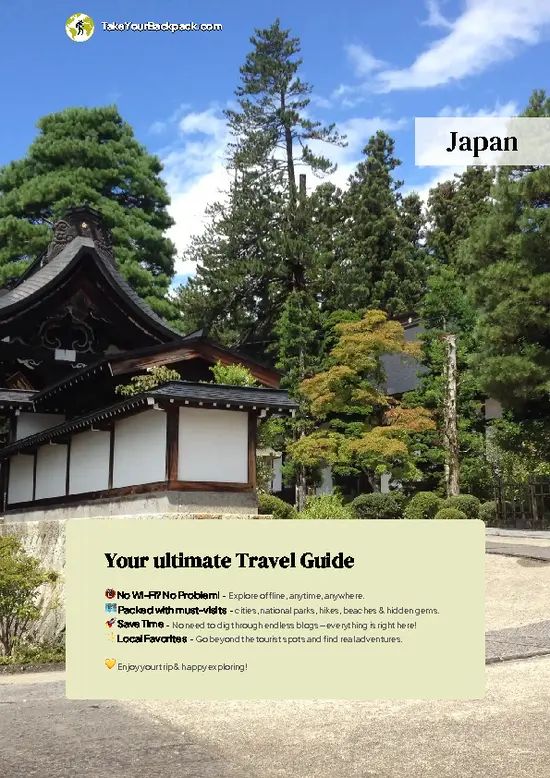
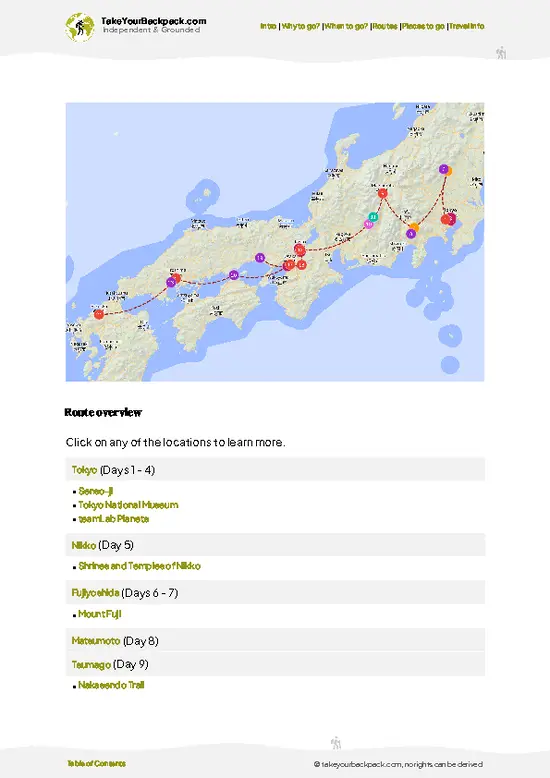
example page 0 from our offline Travel Guide for Japan
example page 1 from our offline Travel Guide for Japan
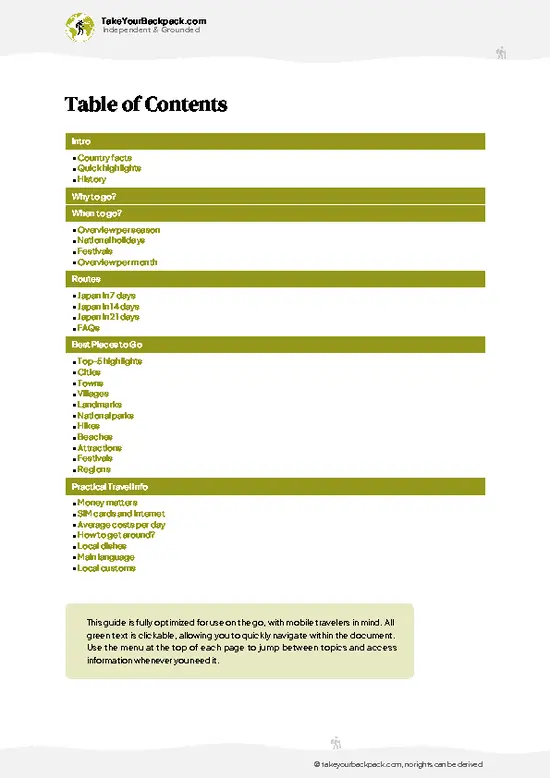
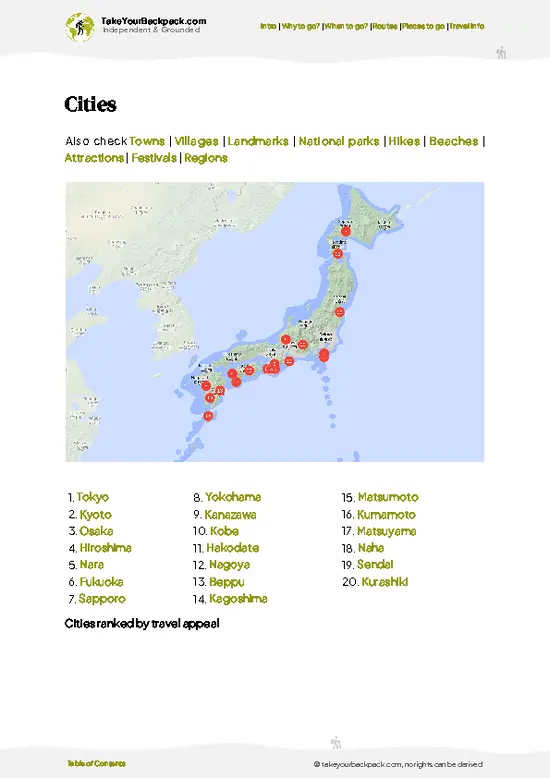
example page 2 from our offline Travel Guide for Japan
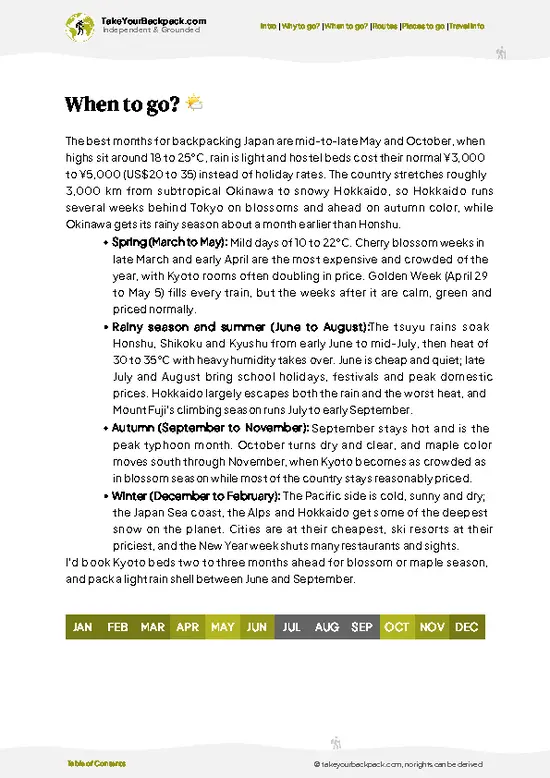
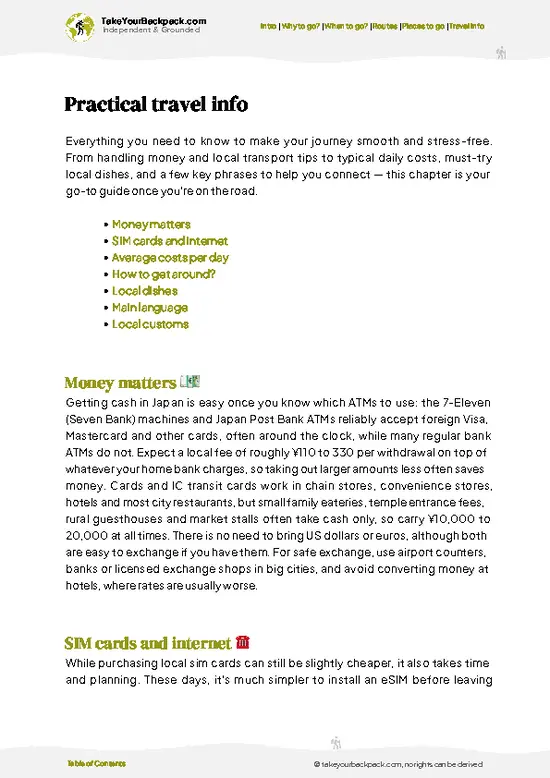
example page 3 from our offline Travel Guide for Japan
example page 4 from our offline Travel Guide for Japan
example page 5 from our offline Travel Guide for Japan
example page 6 from our offline Travel Guide for Japan
example page 7 from our offline Travel Guide for Japan
Loading the map 🌍
CLICK TO FILTER
cities
towns
villages
landmarks
national parks
hikes
beaches
attractions
festivals
regions
SHOW COUNTRY’S BESTSHOW ALL

✨ Why go?
Ranked #99 festival in Japan
What makes this festival worth celebrating

Backpackers flock to Japan for Setsubun because it’s a whirlwind of social energy and temporary community. This festival isn’t just an event; it’s a chance to dive into cultural immersion. You’ll toss roasted soybeans to chase away evil spirits, and the laughter of locals will fuel your spirit. Plus, it’s often more affordable than other major festivals, letting you save cash for the experiences that truly matter. Planning your route around Setsubun seamlessly fits into longer travel plans, transforming your journey into a vibrant tapestry of shared joy and authentic connection. Don’t miss it!

💡 HighlightsTop highlights of Setsubun

  1. Mamemaki (bean-throwing ceremonies) — People shout “Oni wa soto! Fuku wa uchi!” and toss roasted soybeans to drive out demons and invite luck; it’s loud, physical, and very social — priests, locals, and sometimes celebrities stand on temple platforms and fling handfuls of beans while the crowd scrambles to catch them. (Personal favorite: the chaotic, hands-in-the-air energy of a local mamemaki.)
  2. Eho-maki (eating the lucky sushi roll) — A quiet, slightly odd ritual where you eat an uncut long sushi roll in silence while facing the year’s auspicious direction; the focus and the tradition of not speaking make it feel intentionally ritualistic, and shops sell endless creative variations for every budget.
  3. Oni parades, masks, and theatrical exorcisms — Costumed demons, dramatic makeup, and staged
… read more 👉
  1. Mamemaki (bean-throwing ceremonies) — People shout “Oni wa soto! Fuku wa uchi!” and toss roasted soybeans to drive out demons and invite luck; it’s loud, physical, and very social — priests, locals, and sometimes celebrities stand on temple platforms and fling handfuls of beans while the crowd scrambles to catch them. (Personal favorite: the chaotic, hands-in-the-air energy of a local mamemaki.)
  2. Eho-maki (eating the lucky sushi roll) — A quiet, slightly odd ritual where you eat an uncut long sushi roll in silence while facing the year’s auspicious direction; the focus and the tradition of not speaking make it feel intentionally ritualistic, and shops sell endless creative variations for every budget.
  3. Oni parades, masks, and theatrical exorcisms — Costumed demons, dramatic makeup, and staged exorcism dances give the festival a theatrical, slightly spooky vibe; kids love wearing oni masks and small communities often put on local folk performances you won’t find in guidebooks.
  4. Shrine and temple purification rites and lucky talismans — Formal blessings, prayers, and distribution of omamori or fukuzasa (lucky bamboo) make the spiritual side tangible; you can join a simple purification ritual or buy a tiny talisman to take the season’s luck home with you.
  5. Street stalls, seasonal foods, and neighborhood atmosphere — Outside the big ceremonies you’ll find stalls selling roasted beans, sweet treats, and Setsubun editions of local food; the mix of families, kids in masks, and old-school shrine vendors gives the festival a cozy, lived-in feeling that’s best experienced on foot.
Spotted a mistake or missing something? Contact us.

🌤️ When to go?When is the celebration of Setsubun?

  • Weather: Setsubun falls in early February, smack in the middle of Japan’s winter chill. Expect crisp air, often hovering around 5°C (41°F), so layer up to stay nimble without overheating.
  • Temperature: Days can be cold but manageable, with lows dipping near freezing at night. This sharp contrast means packing versatile gear to keep your energy high during outdoor rituals.
  • Daylight Hours: Short winter days limit sightseeing time—roughly 10 hours of daylight—so plan your festival visits and side explorations efficiently to maximize every sunlit moment.
  • Crowds: Setsubun draws locals and tourists alike, but it’s not a crush-fest like cherry blossom season. Arriving early or targeting smaller temples can keep you ahead of the crowd surge.
  • Seasonal Activities: This festival kicks off the spring
… read more 👉
  • Weather: Setsubun falls in early February, smack in the middle of Japan’s winter chill. Expect crisp air, often hovering around 5°C (41°F), so layer up to stay nimble without overheating.
  • Temperature: Days can be cold but manageable, with lows dipping near freezing at night. This sharp contrast means packing versatile gear to keep your energy high during outdoor rituals.
  • Daylight Hours: Short winter days limit sightseeing time—roughly 10 hours of daylight—so plan your festival visits and side explorations efficiently to maximize every sunlit moment.
  • Crowds: Setsubun draws locals and tourists alike, but it’s not a crush-fest like cherry blossom season. Arriving early or targeting smaller temples can keep you ahead of the crowd surge.
  • Seasonal Activities: This festival kicks off the spring season, so you’ll catch early signs of renewal—plum blossoms and fresh market produce—adding layers to your cultural experience.
  • Price Fluctuations: Winter rates generally keep accommodation and transport affordable, but prices spike slightly around Setsubun events, so book lodging well in advance to lock in deals.
Pro-tip: Time your visit for mid-morning to catch the bean-throwing ceremonies before the crowds swell and the cold bites harder—energy conserved, experience maximized.


source: climatestotravel.comJANJanuary: not recommended for travelingFEBFebruary: excellent for travelingMARMarch: not recommended for travelingAPRApril: not recommended for travelingMAYMay: not recommended for travelingJUNJune: not recommended for travelingJULJuly: not recommended for travelingAUGAugust: not recommended for travelingSEPSeptember: not recommended for travelingOCTOctober: not recommended for travelingNOVNovember: not recommended for travelingDECDecember: not recommended for traveling

✈️ The backpacker research shortcutJapan Travel Guide

An offline-friendly backpacking guide with optimized travel routes, ranked highlights, transport advice, and the best areas to stay.
example page 0 from our offline Travel Guide for Japan
example page 1 from our offline Travel Guide for Japan
example page 2 from our offline Travel Guide for Japan
example page 3 from our offline Travel Guide for Japan
example page 4 from our offline Travel Guide for Japan
example page 5 from our offline Travel Guide for Japan
example page 6 from our offline Travel Guide for Japan
example page 7 from our offline Travel Guide for Japan
The digital guide (475 pages) contains:
✅ 139 highlights, ranked by travel appeal
✅ Optimized 7, 14 & 21-day travel routes
✅ Cities, national parks, landmarks, beaches
✅ How to get around
✅ Offline-friendly for travel without Wi-Fi
👉 Click to see all 30+ guide features

📅 Plan smarter in minutes, not weeks
✅ Month by month travel advice
✅ Festivals & national holidays
✅ Budget expectations

🗺️ Go to the right places, skip the overrated ones
✅ Honest pros & cons of destinations
✅ Top hikes, parks & viewpoints
✅ Lesser-known places most travelers miss
✅ Clear “worth it vs skip it” guidance

🛏️ Travel smoothly without rookie mistakes
✅ Best areas to stay
✅ Transport systems explained simply
✅ Common scams & safety advice
✅ SIM cards, money & practical tips

🌍 Understand the country, not just visit it
✅ Culture & traditions
✅ 52 Essential phrases & customs
✅ Festivals worth planning around
✅ Traveler-friendly historical context
✅ Insights that make places more meaningful

📱 Built for real travel conditions
✅ Fully downloadable PDF
✅ Works completely offline
✅ Optimized for phone use
✅ Useful in remote areas & buses
✅ Everything in one place
Stop searching, start planning
Get instant access to your full guide. 30‑day money-back guarantee.
+ Add another guide for just

By proceeding you agree to our terms.
Sent to your inbox immediately after payment • 100% Secure Checkout
Best Backpacking Travel Advisor 2025 tourism awardBest Backpacking
Travel Advisor
2025
What others say about Take Your Backpack Guides:
⭐⭐⭐⭐⭐
Fantastic, amazing amount of information!
⭐⭐⭐⭐⭐
My goodness this is amazing, it's what I've been looking for hats off too you!
⭐⭐⭐⭐⭐
I think this is absolutely BRILLIANT
⭐⭐⭐⭐
Very complete and informative. It's still missing places, but I gotta to commend you
⭐⭐⭐⭐⭐
This is truly amazing, thank you, can't wait to explore it with my kids!
⭐⭐⭐⭐⭐
Awesome resource, thank you!
⭐⭐⭐⭐⭐
This is amazing! Can't wait to explore the ones I haven't seen
⭐⭐⭐⭐
I love this! Well done, great idea.
⭐⭐⭐⭐⭐
Thanks for taking the time to make this gem!
⭐⭐⭐⭐⭐
This might be the best website I've ever seen.
⭐⭐⭐⭐⭐
Congratulations, and thank you so much for your work; it's incredibly valuable.
⭐⭐⭐⭐
In all seriousness I think you did a great job pointing out the important spots
⭐⭐⭐⭐⭐
10/10 very good
⭐⭐⭐⭐⭐
As someone who's only just starting to visit regularly this is awesome, thank you.
⭐⭐⭐⭐
Thank you very much! I'm going to visit my dad, it's going to be very useful!
⭐⭐⭐⭐⭐
This is really cool! We'll be travelling for the first time and this definitely come in handy.
⭐⭐⭐⭐⭐
You are now our minister of culture, congratulations 👨‍💼
⭐⭐⭐⭐⭐
Just wanted to tell you that this is a pearl! Going to follow your recommendations.
⭐⭐⭐⭐⭐
This is so cool. I'll definitely be using the resource for my travels soon.
⭐⭐⭐⭐⭐
This is very impressive! Good work.
⭐⭐⭐⭐⭐
This is an amazing and informative site. Very well done!

🛏️ Where to stay?Choosing the right base

For the Setsubun festival, dive into the heart of Kyoto. The Gion district buzzes with energy, offering a mix of traditional charm and modern social spots. You’ll find budget-friendly hostels where fellow travelers gather, swapping stories over shared meals.

Head to the Sanjo area for a vibrant atmosphere, close to temples and shrines. It’s a hub for backpackers, with easy access to public transport.

Don’t overlook the Pontocho alley, where you can soak in the festive spirit and grab affordable eats. Staying in these areas not only keeps you safe but also fuels your adventure with camaraderie and cultural immersion.

👛 Costs (as of 15 October 2026)How expensive it really is

The Setsubun festival in Japan is a vibrant celebration, but navigating costs can be tricky. Here’s a breakdown to keep your budget in check while you soak in the atmosphere.
  • Festival Tickets: Entry to the main events is often free, especially at temples. However, if you want to participate in special ceremonies or activities, expect to pay around €10-€30 ($11-$33). Some temples may charge for premium experiences, so check ahead.
  • Accommodation: Prices vary widely. Budget hostels start at about €20-€40 ($22-$44) per night. Mid-range hotels can range from €70-€150 ($77-$165). Book early to avoid inflated prices during peak festival times.
  • Local Transport: Public transport is efficient. A single train or bus ride costs around €2-€5 ($2.20-$5.50). If you plan to hop around, consider a day pass for
… read more 👉
The Setsubun festival in Japan is a vibrant celebration, but navigating costs can be tricky. Here’s a breakdown to keep your budget in check while you soak in the atmosphere.
  • Festival Tickets: Entry to the main events is often free, especially at temples. However, if you want to participate in special ceremonies or activities, expect to pay around €10-€30 ($11-$33). Some temples may charge for premium experiences, so check ahead.
  • Accommodation: Prices vary widely. Budget hostels start at about €20-€40 ($22-$44) per night. Mid-range hotels can range from €70-€150 ($77-$165). Book early to avoid inflated prices during peak festival times.
  • Local Transport: Public transport is efficient. A single train or bus ride costs around €2-€5 ($2.20-$5.50). If you plan to hop around, consider a day pass for €10-€15 ($11-$16.50). Taxis are available but can add up quickly, so use them sparingly.
  • Food & Drinks: Street food is a highlight. Budget about €5-€15 ($5.50-$16.50) per meal if you stick to stalls. Restaurants will set you back €15-€30 ($16.50-$33) for a decent meal. Don’t forget to try the traditional ehomaki sushi during the festival!
  • Miscellaneous Expenses: This includes souvenirs, snacks, and unexpected costs. Set aside around €20-€50 ($22-$55) for extras. It’s easy to get caught up in the excitement and want to bring home a piece of the festival.

Stay sharp and plan ahead. This way, you’ll have the energy and funds to dive into the heart of Setsubun without any surprises.


source: japan.travel
⚠️ Prices can change and everyone travels differently, so take this as a rough guide. Hope it helps you plan your adventure!

🍲 FoodLocal Cuisine & Drinks

At the Setsubun festival, food and drink pulse with local flavor. Dive into ehomaki, a thick sushi roll packed with fresh ingredients, traditionally eaten whole for good luck. Don’t miss the grilled fish skewers sizzling over open flames, filling the air with mouthwatering aromas.

Wash it down with warm sake or sweet amazake, a rice-based drink that’s both comforting and energizing.

Expect lines at popular stalls, so be patient and embrace the buzz. Cash is king here; many vendors don’t take cards. Sharing is common, so grab a few dishes and swap bites with friends. This festival isn’t just about eating; it’s about savoring the spirit of the season.

FAQTraveler FAQ

Setsubun takes place annually on February 3rd, marking the day before the beginning of spring in the traditional Japanese calendar. The festival events typically last for one day, though some temples and shrines may hold related activities for a few days around this date.
Attending Setsubun events is generally free, especially at public shrines and temples where the main rituals like bean throwing are held. However, some special events or temple areas might charge a small entrance fee, usually around 300 to 500 yen.
No, you do not need tickets in advance to attend most Setsubun events, as they are open to the public and held outdoors or in temple grounds. For popular temples like Senso-ji in Tokyo, arriving early is recommended to avoid crowds, but advance tickets are not required.
⚠️ Things can change over time, so always validate details locally before you go.

Other Japanese festivals near Setsubun

Explore more nearby:


💡 Not sure where to go next?
Create a personalized itinerary for Japan including Setsubun and the places that fit your trip.

Generate my itinerary

👉 Discover all festivals

Or checkout all Japan has to offer (think cities, towns, villages, national parks, hikes, beaches, festivals)
Country photo of Japan

We 💚 feedbackSumming up the experience

Setsubun is a blast. Tossing beans to chase away bad luck while soaking in the vibrant energy of locals is a thrill. Just be ready for crowds; they can be intense. Arrive early to snag a good spot and keep your energy for the fun moments ahead.

✈️ When did I visit Japan?
As part of my 1.5 year travel around the world trip, I visited Japan in August 2015.

✍️ Help improve this page!
The information on this page is based on my own backpacking experience in Japan, supplemented with up-to-date research and feedback from other travelers. Travel details can change, so if you notice anything outdated or incomplete, feel free to let me know.


🙋‍♂️ Give feedback

👋 Meet the founderWho’s Behind Take Your Backpack?

Johan, backpacker and founder of TakeYourBackpackHi, I’m Johan (Netherlands 🇳🇱), the creator of TakeYourBackpack. Over the past 3 decades, I’ve backpacked through 90+ countries across six continents, gaining extensive experience with independent travel, long-term trips, and overland routes.

This site is built on a combination of firsthand travel experience and carefully curated insights from other backpackers. Many guides are based on places I’ve personally visited, while others bring together tips, observations, and practical advice shared by trusted travelers I’ve met along the way.

The goal is to provide realistic, experience-driven guidance — not generic itineraries — so you can explore destinations with better context, clearer expectations, and more confidence.