v2.webp)


1. Traditional Dance Spectacle
Forget the sanitized, two-minute “cultural show” you’ve seen at airport hotels. The Bomas of Kenya delivers a full-throttle, sweat-and-drums performance that’s as much athletic competition as it is art. You’ll see Maasai warriors leaping higher than you thought humanly possible, Samburu dancers spinning with beaded collars that blur into rainbows, and the thunderous, hypnotic drumming of the Luhya. The energy in the main auditorium is contagious—locals cheer, kids try to mimic the moves, and you’ll feel your pulse sync with the beat. It’s not just a show; it’s a living, breathing celebration of Kenya’s diversity, and it’s performed by people who actually grew up with these traditions.
2. Village Recon: The “Bomas” Walkabout
This isn’t a theme park with plastic … read more 👉
Forget the sanitized, two-minute “cultural show” you’ve seen at airport hotels. The Bomas of Kenya delivers a full-throttle, sweat-and-drums performance that’s as much athletic competition as it is art. You’ll see Maasai warriors leaping higher than you thought humanly possible, Samburu dancers spinning with beaded collars that blur into rainbows, and the thunderous, hypnotic drumming of the Luhya. The energy in the main auditorium is contagious—locals cheer, kids try to mimic the moves, and you’ll feel your pulse sync with the beat. It’s not just a show; it’s a living, breathing celebration of Kenya’s diversity, and it’s performed by people who actually grew up with these traditions.
2. Village Recon: The “Bomas” Walkabout
This isn’t a theme park with plastic … read more 👉
1. Traditional Dance Spectacle
Forget the sanitized, two-minute “cultural show” you’ve seen at airport hotels. The Bomas of Kenya delivers a full-throttle, sweat-and-drums performance that’s as much athletic competition as it is art. You’ll see Maasai warriors leaping higher than you thought humanly possible, Samburu dancers spinning with beaded collars that blur into rainbows, and the thunderous, hypnotic drumming of the Luhya. The energy in the main auditorium is contagious—locals cheer, kids try to mimic the moves, and you’ll feel your pulse sync with the beat. It’s not just a show; it’s a living, breathing celebration of Kenya’s diversity, and it’s performed by people who actually grew up with these traditions.
2. Village Recon: The “Bomas” Walkabout
This isn’t a theme park with plastic huts. The outdoor section is a walk-through encyclopedia of Kenya’s rural architecture. Each “boma” (homestead) is built by artisans from the actual communities they represent—Luo, Kalenjin, Kikuyu, and more. You’ll see the logic behind circular mud huts, the practical genius of cow-dung floors, and the defensive layouts designed to keep out both lions and nosy neighbors. Step inside, and you’ll smell the earth, feel the coolness, and realize these aren’t relics—they’re blueprints for survival. Skip the urge to rush; the details (like the Maasai’s cattle enclosures or the Swahili coastal courtyards) are where the real stories live.
3. Drumming Workshops (If You Dare)
Most visitors watch from the sidelines, but if you’re game, you can join a drumming session. This isn’t a sanitized, “clap along” moment. The instructors are actual performers, and they’ll push you to find rhythm in your bones. You’ll fumble, sweat, and probably laugh at yourself, but you’ll walk away with a new respect for the stamina and skill behind those thunderous beats. It’s a rare chance to cross the invisible line between spectator and participant.
4. The Food Court: Real Kenyan Staples, No Apologies
You won’t find Instagrammable lattes or “fusion” cuisine here. The cafeteria serves up ugali, sukuma wiki, nyama choma, and chapati—no-frills, working-class Kenyan food. It’s not fancy, but it’s honest. Grab a plate, eat with your hands, and taste what fuels the dancers you just watched. If you’re used to bland tourist buffets, this is a wake-up call for your taste buds.
5. The Crowd Factor: Local Families, Not Just Tourists
Here’s the twist: Bomas isn’t just for out-of-towners. On weekends, Nairobi families pile in for a day out. You’ll see grandparents explaining traditions to grandkids, school groups practicing their own dances in the parking lot, and a cross-section of Kenyan society that’s refreshingly real. The energy is communal, not staged. If you want to see how culture is actually lived—not just performed—this is your window.
Forget the sanitized, two-minute “cultural show” you’ve seen at airport hotels. The Bomas of Kenya delivers a full-throttle, sweat-and-drums performance that’s as much athletic competition as it is art. You’ll see Maasai warriors leaping higher than you thought humanly possible, Samburu dancers spinning with beaded collars that blur into rainbows, and the thunderous, hypnotic drumming of the Luhya. The energy in the main auditorium is contagious—locals cheer, kids try to mimic the moves, and you’ll feel your pulse sync with the beat. It’s not just a show; it’s a living, breathing celebration of Kenya’s diversity, and it’s performed by people who actually grew up with these traditions.
2. Village Recon: The “Bomas” Walkabout
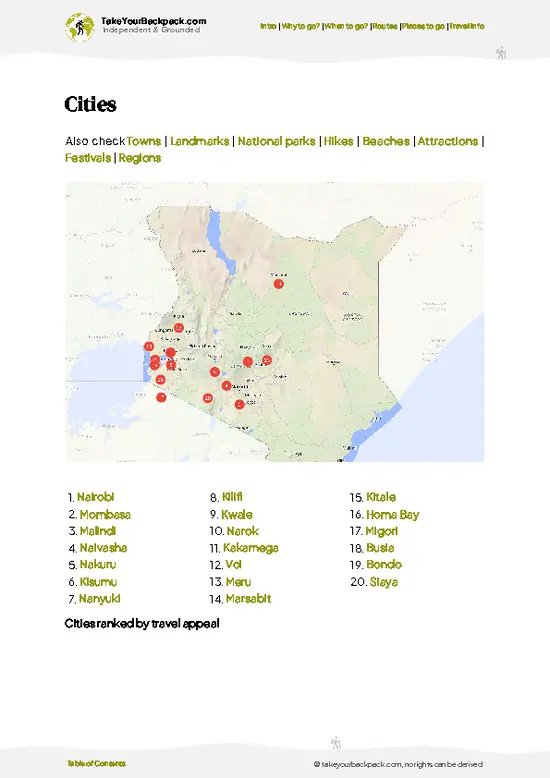
This isn’t a theme park with plastic huts. The outdoor section is a walk-through encyclopedia of Kenya’s rural architecture. Each “boma” (homestead) is built by artisans from the actual communities they represent—Luo, Kalenjin, Kikuyu, and more. You’ll see the logic behind circular mud huts, the practical genius of cow-dung floors, and the defensive layouts designed to keep out both lions and nosy neighbors. Step inside, and you’ll smell the earth, feel the coolness, and realize these aren’t relics—they’re blueprints for survival. Skip the urge to rush; the details (like the Maasai’s cattle enclosures or the Swahili coastal courtyards) are where the real stories live.
3. Drumming Workshops (If You Dare)
Most visitors watch from the sidelines, but if you’re game, you can join a drumming session. This isn’t a sanitized, “clap along” moment. The instructors are actual performers, and they’ll push you to find rhythm in your bones. You’ll fumble, sweat, and probably laugh at yourself, but you’ll walk away with a new respect for the stamina and skill behind those thunderous beats. It’s a rare chance to cross the invisible line between spectator and participant.
4. The Food Court: Real Kenyan Staples, No Apologies
You won’t find Instagrammable lattes or “fusion” cuisine here. The cafeteria serves up ugali, sukuma wiki, nyama choma, and chapati—no-frills, working-class Kenyan food. It’s not fancy, but it’s honest. Grab a plate, eat with your hands, and taste what fuels the dancers you just watched. If you’re used to bland tourist buffets, this is a wake-up call for your taste buds.
5. The Crowd Factor: Local Families, Not Just Tourists
Here’s the twist: Bomas isn’t just for out-of-towners. On weekends, Nairobi families pile in for a day out. You’ll see grandparents explaining traditions to grandkids, school groups practicing their own dances in the parking lot, and a cross-section of Kenyan society that’s refreshingly real. The energy is communal, not staged. If you want to see how culture is actually lived—not just performed—this is your window.
Spotted a mistake or missing something? Contact us.

Nairobi park, Elephants , Girraffe center & Dances

Nairobi City Excursion

Nairobi 3 Museums and Bomas of Kenya day tour.

Giraffe Centre and Bomas of Kenya Full-Day Tour from Nairobi

Bomas half day tour from Nairobi

Nairobi Bomas Cultural Dance Show & Dinner Carnivore Restaurant

Giraffe Center Karen Blixen Beads Center and Bomas of Kenya

Maasai Market Nairobi 4WD Tour Experience

Kaboma Cultural Dancers Kobe Beads Factory & Maasai Market


 Best Backpacking
.jpg) Hi, I’m Johan (Netherlands 🇳🇱), the creator of TakeYourBackpack. Over the past 3 decades, I’ve backpacked through 90+ countries across six continents, gaining extensive experience with independent travel, long-term trips, and overland routes.
Hi, I’m Johan (Netherlands 🇳🇱), the creator of TakeYourBackpack. Over the past 3 decades, I’ve backpacked through 90+ countries across six continents, gaining extensive experience with independent travel, long-term trips, and overland routes.