×

Kenya🇰🇪 | attractionsDavid Sheldrick Wildlife Trust Elephant Nurseryorphaned elephants, conservation project, bottle feeding | things to do and best time to go

Explore Serengeti MigrationExplore Giraffe Centre

Backpacking in David Sheldrick Wildlife Trust Elephant Nursery
🏆 Top pickattraction ranked #1
By Johan Kruseman 🇳🇱 | Updated May 3, 2026

Forget the Instagram fantasy of bottle-feeding baby elephants in a serene Kenyan wilderness—David Sheldrick Wildlife Trust Elephant Nursery is not your personal petting zoo, and you’re not getting a Disney moment. The nursery sits on the edge of Nairobi National Park, barely a half-hour from the city’s chaos, and it’s as much about conservation grit as it is about cuteness overload. Here’s the real deal: you’ll share your hour-long visit with a crowd of camera-wielding tourists, all craning for a glimpse as rescued orphans barrel in for their midday milk. It’s not cheap by backpacker standards, and you’ll need to book ahead—spontaneity isn’t on the menu. But if you can look past the crowds and the strict rules, you’ll witness a raw, hopeful side of Kenya’s fight for its wildlife. It’s not the wildest or most remote experience in the country, but it’s a masterclass in real-world conservation, and the emotional punch hits harder than any safari snapshot.

Discover everything you want to know in the 📖 Kenya Travel Guide.


Get your Kenya guide
114 ranked highlights, routes & tips, works offline (429 pages)
Loading the map 🌍
CLICK TO FILTER
cities
towns
landmarks
national parks
hikes
beaches
attractions
festivals
regions
SHOW COUNTRY’S BESTSHOW ALL

✨ Why go?
Ranked #1 attraction in Kenya
Why visitors keep coming back

The David Sheldrick Wildlife Trust Elephant Nursery is not your typical wildlife stop where you just snap a photo and move on. Yes, it’s famous—almost everyone’s heard of it, and yes, it can get crowded, especially during the daily public viewing hour. But here’s the real deal: this place is a frontline battleground in Kenya’s fight against elephant poaching and habitat loss. You’re not just watching cute baby elephants; you’re witnessing a critical rescue and rehabilitation operation that gives these orphans a second chance at life. That’s a heavy, powerful experience that goes beyond the Instagram gloss.

Backpackers make time here because it’s a rare chance to connect with conservation on a deeply personal level. The stories behind each elephant—how they were found, the trauma they’ve endured—add … read more 👉
The David Sheldrick Wildlife Trust Elephant Nursery is not your typical wildlife stop where you just snap a photo and move on. Yes, it’s famous—almost everyone’s heard of it, and yes, it can get crowded, especially during the daily public viewing hour. But here’s the real deal: this place is a frontline battleground in Kenya’s fight against elephant poaching and habitat loss. You’re not just watching cute baby elephants; you’re witnessing a critical rescue and rehabilitation operation that gives these orphans a second chance at life. That’s a heavy, powerful experience that goes beyond the Instagram gloss.

Backpackers make time here because it’s a rare chance to connect with conservation on a deeply personal level. The stories behind each elephant—how they were found, the trauma they’ve endured—add a layer of emotional gravity that no safari game drive can match. It’s a milestone on the Kenya route because it grounds your trip in real-world impact, reminding you why this country’s wildlife matters beyond the postcard. The effort-to-reward ratio is high: a short visit packed with meaning, education, and a genuine sense of hope. Skip it, and you miss a crucial chapter in Kenya’s wildlife story.
Want to include David Sheldrick Wildlife Trust Elephant Nursery in your Kenya route?
Create a personalized Kenya itinerary that includes David Sheldrick Wildlife Trust Elephant Nursery and the places that fit your trip — based on your travel style, budget, and available time. Get your route in seconds.

Generate my trip

💡 HighlightsMust-see experiences and standout moments

1. The Morning Bottle-Feeding Frenzy
Forget the Instagram fantasy of a tranquil, private elephant encounter. The reality is a single, tightly scheduled hour—usually 11 a.m.—when a crowd gathers along a rope barrier, cameras at the ready. But here’s the real magic: dozens of orphaned baby elephants stampede in from the bush, ears flapping, trunks swinging, and make a beeline for their keepers holding giant milk bottles. It’s a spectacle of organized chaos, equal parts adorable and awe-inspiring. You’ll see the pecking order in action—some calves jostle for the first bottle, others hang back, all under the watchful eye of keepers who know each animal’s quirks. The noise, the dust, the sheer energy—this is not a sanitized zoo show. It’s a glimpse into the daily hustle of survival and care.


2.read more 👉
1. The Morning Bottle-Feeding Frenzy
Forget the Instagram fantasy of a tranquil, private elephant encounter. The reality is a single, tightly scheduled hour—usually 11 a.m.—when a crowd gathers along a rope barrier, cameras at the ready. But here’s the real magic: dozens of orphaned baby elephants stampede in from the bush, ears flapping, trunks swinging, and make a beeline for their keepers holding giant milk bottles. It’s a spectacle of organized chaos, equal parts adorable and awe-inspiring. You’ll see the pecking order in action—some calves jostle for the first bottle, others hang back, all under the watchful eye of keepers who know each animal’s quirks. The noise, the dust, the sheer energy—this is not a sanitized zoo show. It’s a glimpse into the daily hustle of survival and care.


2. Keeper Storytime: The Real-Life Soap Opera
While the elephants guzzle their milk, the keepers narrate each orphan’s backstory over a loudspeaker. This isn’t sugarcoated. You’ll hear about rescues from poaching, drought, and human-wildlife conflict. Some stories are gut-punches, others are unexpectedly funny (like the calf who tried to sneak into the kitchen tent). The keepers’ candor and affection for their charges cut through the tourist gloss. You leave understanding that every elephant here is a survivor, not a prop.


3. Mud Bath Mayhem
After the bottles, the real show begins: mud, water, and pure elephant joy. Calves flop, roll, and spray themselves (and sometimes the crowd) with trunkfuls of red earth and water. There’s no choreography—just unfiltered play. The mud bath is a sensory overload: the slap of wet skin, the squeals, the smell of earth and elephant. It’s the closest you’ll get to seeing wild behavior in a semi-wild setting, and it’s impossible not to laugh out loud.


4. Keeper-Elephant Bond: The Quiet Moments
If you watch closely, you’ll catch the subtle, unscripted interactions between keepers and elephants—gentle trunk touches, whispered encouragement, the way a calf leans into a familiar hand. These are the moments that don’t make it onto postcards but reveal the heart of the Trust’s work: deep, daily relationships built on trust and patience. It’s a reminder that conservation is as much about people as it is about animals.


5. Adoption Program: A Chance to Go Beyond Spectator
Here’s the part most visitors miss: you can foster an elephant, and it’s not just a feel-good gimmick. Your adoption fee directly funds milk, medicine, and round-the-clock care. You’ll get updates on your chosen calf’s progress—sometimes with photos of milestones or setbacks. It’s a way to stay connected to the real, ongoing story long after you leave Nairobi. If you want your visit to matter, this is how you do it.
Spotted a mistake or missing something? Contact us.

Things to do around David Sheldrick Wildlife Trust Elephant Nursery

Ratings based on Tripadvisor reviews. When you book through this link, you support our work at no extra cost to you.

🌤️ When to go?Seasonal considerations and timing


  • Weather: The best time to visit the David Sheldrick Wildlife Trust Elephant Nursery is during Kenya’s dry seasons, from late June to October and January to February. These months mean less mud and easier wildlife spotting, but expect some dust and strong sun.

  • Temperature: Daytime temps hover around 20-27°C (68-81°F) in dry months, which is comfortable for walking and watching the elephants. The wet season (March-May) cools things down slightly but brings heavy rains that can disrupt visits.

  • Daylight Hours: Kenya enjoys roughly 12 hours of daylight year-round, but visiting in the dry season means clearer skies and more reliable daylight for the nursery’s 11 am to 12 pm public viewing.

  • Crowds: Peak tourist months (July-August and December) pack the nursery with visitors, turning the
read more 👉

  • Weather: The best time to visit the David Sheldrick Wildlife Trust Elephant Nursery is during Kenya’s dry seasons, from late June to October and January to February. These months mean less mud and easier wildlife spotting, but expect some dust and strong sun.

  • Temperature: Daytime temps hover around 20-27°C (68-81°F) in dry months, which is comfortable for walking and watching the elephants. The wet season (March-May) cools things down slightly but brings heavy rains that can disrupt visits.

  • Daylight Hours: Kenya enjoys roughly 12 hours of daylight year-round, but visiting in the dry season means clearer skies and more reliable daylight for the nursery’s 11 am to 12 pm public viewing.

  • Crowds: Peak tourist months (July-August and December) pack the nursery with visitors, turning the intimate elephant experience into a bit of a zoo. Shoulder months like June and September offer a quieter vibe.

  • Seasonal Activities: The nursery’s core activity—watching baby elephants being fed and playing—runs year-round, but dry months make the surrounding Nairobi National Park more accessible for additional wildlife spotting.

  • Price Fluctuations: Entry fees stay steady, but flights and accommodation spike during peak seasons. Budget travelers should aim for shoulder months to avoid inflated costs without sacrificing the experience.


Pro-tip: Visit early in the dry season, like June, to dodge crowds, enjoy pleasant weather, and catch the nursery at its most active and accessible.


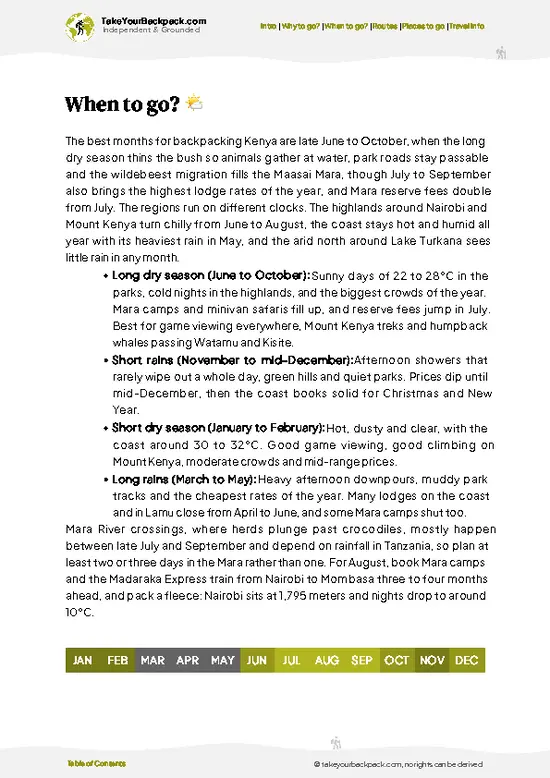
source: climatestotravel.comJANJanuary: excellent for travelingFEBFebruary: excellent for travelingMARMarch: fair for travelingAPRApril: below average for travelingMAYMay: fair for travelingJUNJune: highly recommended for travelingJULJuly: good for travelingAUGAugust: good for travelingSEPSeptember: highly recommended for travelingOCTOctober: excellent for travelingNOVNovember: good for travelingDECDecember: good for traveling
kenya-attraction-david-sheldrick-wildlife-trust-elephant-nursery v1
© Google |

✈️ The backpacker research shortcutKenya Travel Guide

An offline-friendly backpacking guide with optimized travel routes, ranked highlights, transport advice, and the best areas to stay.
example page 0 from our offline Travel Guide for Kenya
example page 1 from our offline Travel Guide for Kenya
example page 2 from our offline Travel Guide for Kenya
example page 3 from our offline Travel Guide for Kenya
example page 4 from our offline Travel Guide for Kenya
example page 5 from our offline Travel Guide for Kenya
example page 6 from our offline Travel Guide for Kenya
example page 7 from our offline Travel Guide for Kenya
The digital guide (429 pages) contains:
114 highlights, ranked by travel appeal
Optimized 7, 14 & 21-day travel routes
Cities, national parks, landmarks, beaches
How to get around
Offline-friendly for travel without Wi-Fi
👉 Click to see all 30+ guide features

📅 Plan smarter in minutes, not weeks
Month by month travel advice
Festivals & national holidays
Budget expectations

🗺️ Go to the right places, skip the overrated ones
Honest pros & cons of destinations
Top hikes, parks & viewpoints
Lesser-known places most travelers miss
Clear “worth it vs skip it” guidance

🛏️ Travel smoothly without rookie mistakes
Best areas to stay
Transport systems explained simply
Common scams & safety advice
SIM cards, money & practical tips

🌍 Understand the country, not just visit it
Culture & traditions
52 Essential phrases & customs
Festivals worth planning around
Traveler-friendly historical context
Insights that make places more meaningful

📱 Built for real travel conditions
Fully downloadable PDF
Works completely offline
Optimized for phone use
Useful in remote areas & buses
Everything in one place
Save weeks of stressful planning
Get instant access to your full guide. 30‑day money-back guarantee.


By proceeding you agree to our terms.
Sent to your inbox immediately after payment • 100% Secure Checkout
Best Backpacking Travel Advisor 2025 tourism awardBest Backpacking
Travel Advisor
2025
What others say about Take Your Backpack Guides:
⭐⭐⭐⭐⭐
Fantastic, amazing amount of information!
⭐⭐⭐⭐⭐
My goodness this is amazing, it's what I've been looking for hats off too you!
⭐⭐⭐⭐⭐
I think this is absolutely BRILLIANT
⭐⭐⭐⭐
Very complete and informative. It's still missing places, but I gotta to commend you
⭐⭐⭐⭐⭐
This is truly amazing, thank you, can't wait to explore it with my kids!
⭐⭐⭐⭐⭐
Awesome resource, thank you!
⭐⭐⭐⭐⭐
This is amazing! Can't wait to explore the ones I haven't seen
⭐⭐⭐⭐
I love this! Well done, great idea.
⭐⭐⭐⭐⭐
Thanks for taking the time to make this gem!
⭐⭐⭐⭐⭐
This might be the best website I've ever seen.
⭐⭐⭐⭐⭐
Congratulations, and thank you so much for your work; it's incredibly valuable.
⭐⭐⭐⭐
In all seriousness I think you did a great job pointing out the important spots
⭐⭐⭐⭐⭐
10/10 very good
⭐⭐⭐⭐⭐
As someone who's only just starting to visit regularly this is awesome, thank you.
⭐⭐⭐⭐
Thank you very much! I'm going to visit my dad, it's going to be very useful!
⭐⭐⭐⭐⭐
This is really cool! We'll be travelling for the first time and this definitely come in handy.
⭐⭐⭐⭐⭐
You are now our minister of culture, congratulations 👨‍💼
⭐⭐⭐⭐⭐
Just wanted to tell you that this is a pearl! Going to follow your recommendations.
⭐⭐⭐⭐⭐
This is so cool. I'll definitely be using the resource for my travels soon.
⭐⭐⭐⭐⭐
This is very impressive! Good work.
⭐⭐⭐⭐⭐
This is an amazing and informative site. Very well done!

🛏️ Where to stay?Where staying makes the most sense

The David Sheldrick Wildlife Trust Elephant Nursery is a must-see, but let’s cut through the Instagram gloss: it’s busy, and it’s not exactly a budget-free zone. The nursery itself is a short, controlled visit—usually an hour or less—and it draws a steady stream of tourists, especially mid-morning when the baby elephants come out to play. So, if you’re chasing solitude or a deep wilderness vibe, you won’t find it here. What you will find is a chance to witness genuine conservation in action, and that’s worth the crowds.

Now, where to stay? Forget the pricey lodges inside Nairobi National Park; … read more 👉
The David Sheldrick Wildlife Trust Elephant Nursery is a must-see, but let’s cut through the Instagram gloss: it’s busy, and it’s not exactly a budget-free zone. The nursery itself is a short, controlled visit—usually an hour or less—and it draws a steady stream of tourists, especially mid-morning when the baby elephants come out to play. So, if you’re chasing solitude or a deep wilderness vibe, you won’t find it here. What you will find is a chance to witness genuine conservation in action, and that’s worth the crowds.

Now, where to stay? Forget the pricey lodges inside Nairobi National Park; they’re out of reach for most backpackers and don’t offer the social scene you want. Instead, focus on the neighborhoods just outside the park’s gates—places like Langata and Karen. These areas strike a solid balance: safe, accessible, and packed with guesthouses and budget-friendly hostels that attract solo travelers and small groups. You’ll find a mix of backpackers and expats, which means good chances to swap stories over a cold drink after a day with the elephants.

Public transport is limited, so staying close to the nursery means you can grab a quick matatu or taxi without the hassle of Nairobi’s infamous traffic. Plus, these neighborhoods have local markets and eateries where you can get authentic Kenyan food without the tourist markup. It’s not luxury, but it’s real, it’s social, and it’s the best base for anyone serious about experiencing the David Sheldrick Wildlife Trust without selling a kidney.

👛 Costs (as of 2 September 2025)Typical daily expenses

As of June 2023, the minimum donation for visiting the David Sheldrick Wildlife Trust Elephant Nursery is €15 per adult (12 years and above) and €5 per child (under 12 years). Payments are accepted in cash upon arrival. Additionally, visitors must pay an entry fee to Nairobi National Park, which is €40 per adult and €20 per child. These fees support the care and rehabilitation of orphaned elephants and other wildlife conservation programs.

source: sheldrickwildlifetrust.org
⚠️ Prices can change and everyone travels differently, so take this as a rough guide. Hope it helps you plan your adventure!

Other Kenyan attractions near David Sheldrick Wildlife Trust Elephant Nursery

Explore more nearby:


💡 Not sure where to go next?
Create a personalized itinerary for Kenya including David Sheldrick Wildlife Trust Elephant Nursery and the places that fit your trip.

Generate my itinerary

👉 Discover all attractions

Or checkout all Kenya has to offer (think cities, towns, villages, national parks, hikes, beaches, festivals)
Country photo of Kenya

We 💚 feedbackKey takeaways before you go

Visiting the David Sheldrick Wildlife Trust Elephant Nursery isn’t some quiet, off-the-beaten-path moment—it’s a well-oiled, popular stop with crowds snapping photos like it’s a celebrity meet-and-greet. But here’s the kicker: behind the buzz, you get to witness genuine rescue and rehabilitation work that actually saves lives. The surprise? Seeing these baby elephants’ personalities shine through—their clumsy play, their trust in humans—it’s raw and real, not just a photo op. Just don’t expect solitude; come ready to share the space and soak in the impact.

✍️ Help improve this page!
The information on this page is based on in-depth research, insights shared by experienced travelers, and feedback from the local travel community in Kenya. While every effort is made to keep the information accurate and current, conditions can change — so if you spot anything incorrect or outdated, please get in touch.


🙋‍♂️ Give feedback

👋 Meet the founderWho’s Behind Take Your Backpack?

Johan, backpacker and founder of TakeYourBackpackHi, I’m Johan (Netherlands 🇳🇱), the creator of TakeYourBackpack. Over the past decade, I’ve backpacked through 80+ countries across six continents, gaining extensive experience with independent travel, long-term trips, and overland routes.

This site is built on a combination of firsthand travel experience and carefully curated insights from other backpackers. Many guides are based on places I’ve personally visited, while others bring together tips, observations, and practical advice shared by trusted travelers I’ve met along the way.

The goal is to provide realistic, experience-driven guidance — not generic itineraries — so you can explore destinations with better context, clearer expectations, and more confidence.

Get full Kenya guide •
Instant download • 114 highlights • Full Offline guide