v2.webp)
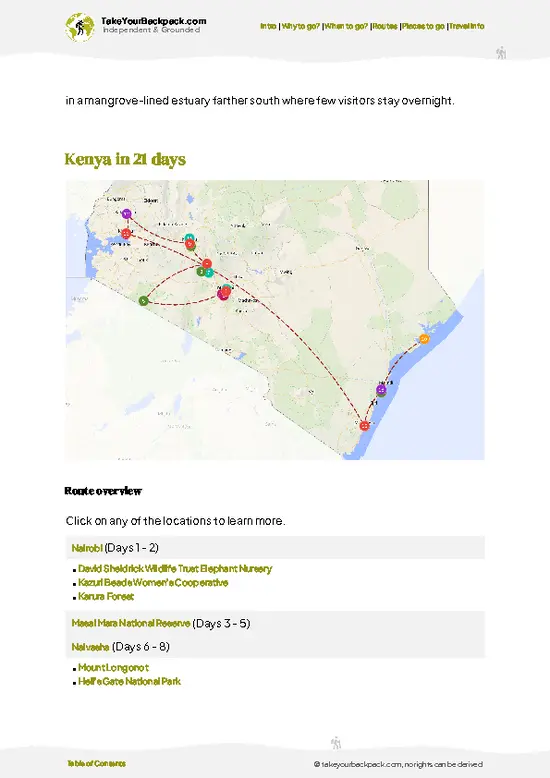
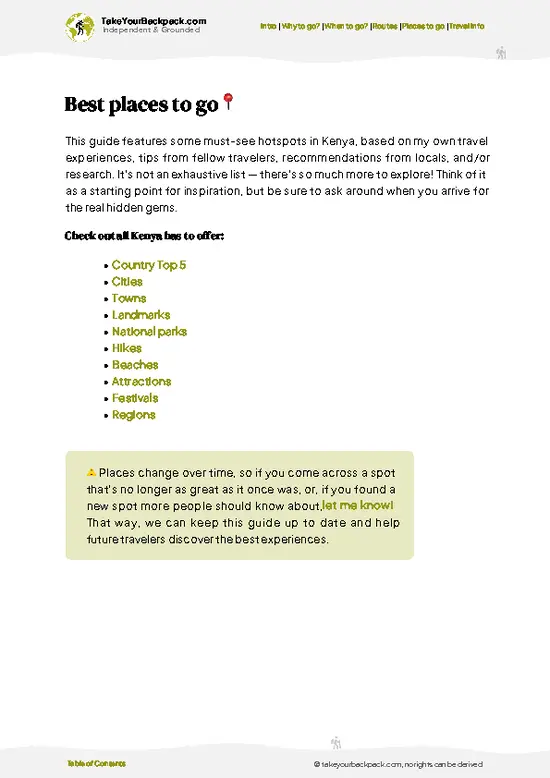
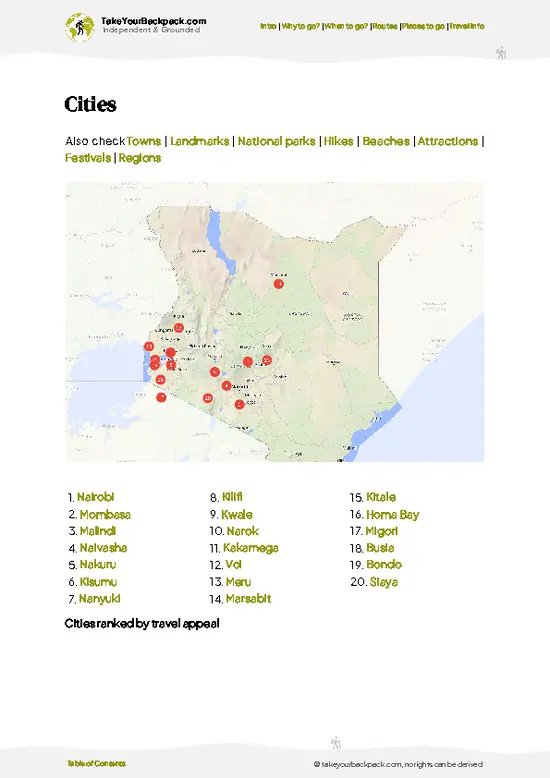
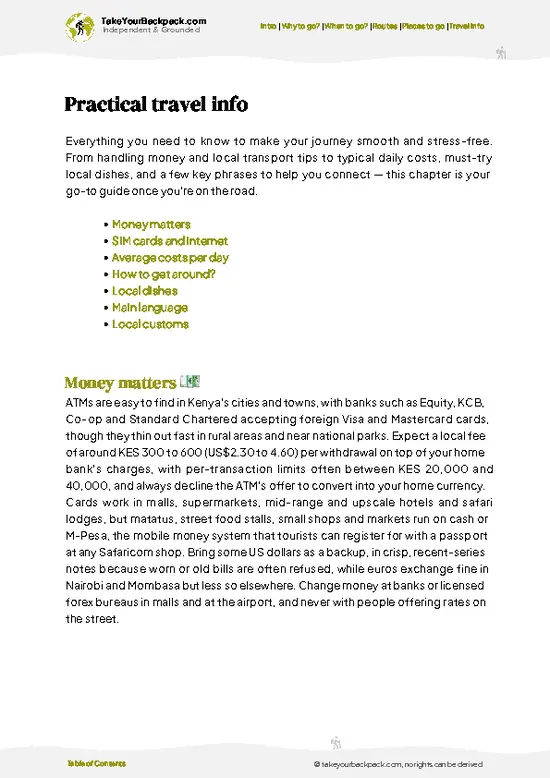
The Hall of Kenya
Skip the generic “history of mankind” spiel you’ll find in every capital city museum. Here, you get a crash course in Kenya’s wild, messy, and sometimes hilarious journey from pre-colonial kingdoms to the present. The dioramas are old-school, but the artifacts are the real deal—think ceremonial regalia from actual Maasai elders, not the sanitized stuff you see in airport gift shops. You’ll walk out with a sense of how Kenya’s patchwork of cultures actually fits together, and why that matters more than any Instagrammable mural in the lobby.
The Hominid Vault
This is not your average “bones behind glass” situation. The Hominid Vault is the closest you’ll get to time travel without a DeLorean. You’re face-to-face with the skulls of our ancestors—actual fossils, not replicas—including … read more 👉
Skip the generic “history of mankind” spiel you’ll find in every capital city museum. Here, you get a crash course in Kenya’s wild, messy, and sometimes hilarious journey from pre-colonial kingdoms to the present. The dioramas are old-school, but the artifacts are the real deal—think ceremonial regalia from actual Maasai elders, not the sanitized stuff you see in airport gift shops. You’ll walk out with a sense of how Kenya’s patchwork of cultures actually fits together, and why that matters more than any Instagrammable mural in the lobby.
The Hominid Vault
This is not your average “bones behind glass” situation. The Hominid Vault is the closest you’ll get to time travel without a DeLorean. You’re face-to-face with the skulls of our ancestors—actual fossils, not replicas—including … read more 👉
The Hall of Kenya
Skip the generic “history of mankind” spiel you’ll find in every capital city museum. Here, you get a crash course in Kenya’s wild, messy, and sometimes hilarious journey from pre-colonial kingdoms to the present. The dioramas are old-school, but the artifacts are the real deal—think ceremonial regalia from actual Maasai elders, not the sanitized stuff you see in airport gift shops. You’ll walk out with a sense of how Kenya’s patchwork of cultures actually fits together, and why that matters more than any Instagrammable mural in the lobby.
The Hominid Vault
This is not your average “bones behind glass” situation. The Hominid Vault is the closest you’ll get to time travel without a DeLorean. You’re face-to-face with the skulls of our ancestors—actual fossils, not replicas—including the famous Turkana Boy. The security is tight, the lighting is moody, and the science is world-class. If you’ve ever wanted to see the literal face of early humanity, this is the place. It’s humbling, a little eerie, and absolutely worth elbowing past the school groups.
Joy Adamson Gallery
Forget the “Born Free” movie posters. Joy Adamson’s original paintings of Kenya’s wildlife are here, and they’re raw, detailed, and sometimes a little weird. She painted animals the way you’d see them in the bush—scruffy, unpredictable, and full of personality. This isn’t just art; it’s a love letter to Kenya’s wild side, minus the Disney filter. If you want to understand why conservation here is a blood sport, not a hashtag, spend some time in this gallery.
The Snake Park
Yes, it’s touristy. Yes, the cages are old. But if you want to see a puff adder up close—or watch a black mamba move like a living whip—this is your chance. The Snake Park is attached to the museum, and it’s a crash course in why you should always check your boots before hiking in Kenya. The handlers are fearless, the snakes are very much alive, and the vibe is more “local science fair” than “corporate zoo.” It’s weirdly thrilling, especially if you’re traveling with kids or anyone who thinks they’re brave.
Ethnographic Galleries
This is where the museum stops pretending to be neutral. You’ll see beadwork, weapons, musical instruments, and ceremonial masks from Kenya’s dozens of ethnic groups—some of it beautiful, some of it unsettling. The labels don’t sugarcoat the colonial hangover or the ongoing culture clashes. If you want to understand Kenya beyond the safari clichés, this is the room where the real stories live.
Outdoor Sculpture Garden
Most people miss this, which is a mistake. The garden is scattered with contemporary Kenyan sculptures—some abstract, some political, some just plain odd. It’s a quiet spot to decompress after the sensory overload inside. If you want a selfie that doesn’t look like every other tourist’s, this is your backdrop. And if you’re lucky, you’ll catch a local artist working on something new, happy to talk shop if you’re genuinely interested.
Skip the generic “history of mankind” spiel you’ll find in every capital city museum. Here, you get a crash course in Kenya’s wild, messy, and sometimes hilarious journey from pre-colonial kingdoms to the present. The dioramas are old-school, but the artifacts are the real deal—think ceremonial regalia from actual Maasai elders, not the sanitized stuff you see in airport gift shops. You’ll walk out with a sense of how Kenya’s patchwork of cultures actually fits together, and why that matters more than any Instagrammable mural in the lobby.
The Hominid Vault
This is not your average “bones behind glass” situation. The Hominid Vault is the closest you’ll get to time travel without a DeLorean. You’re face-to-face with the skulls of our ancestors—actual fossils, not replicas—including the famous Turkana Boy. The security is tight, the lighting is moody, and the science is world-class. If you’ve ever wanted to see the literal face of early humanity, this is the place. It’s humbling, a little eerie, and absolutely worth elbowing past the school groups.
Joy Adamson Gallery
Forget the “Born Free” movie posters. Joy Adamson’s original paintings of Kenya’s wildlife are here, and they’re raw, detailed, and sometimes a little weird. She painted animals the way you’d see them in the bush—scruffy, unpredictable, and full of personality. This isn’t just art; it’s a love letter to Kenya’s wild side, minus the Disney filter. If you want to understand why conservation here is a blood sport, not a hashtag, spend some time in this gallery.
The Snake Park
Yes, it’s touristy. Yes, the cages are old. But if you want to see a puff adder up close—or watch a black mamba move like a living whip—this is your chance. The Snake Park is attached to the museum, and it’s a crash course in why you should always check your boots before hiking in Kenya. The handlers are fearless, the snakes are very much alive, and the vibe is more “local science fair” than “corporate zoo.” It’s weirdly thrilling, especially if you’re traveling with kids or anyone who thinks they’re brave.
Ethnographic Galleries
This is where the museum stops pretending to be neutral. You’ll see beadwork, weapons, musical instruments, and ceremonial masks from Kenya’s dozens of ethnic groups—some of it beautiful, some of it unsettling. The labels don’t sugarcoat the colonial hangover or the ongoing culture clashes. If you want to understand Kenya beyond the safari clichés, this is the room where the real stories live.
Outdoor Sculpture Garden
Most people miss this, which is a mistake. The garden is scattered with contemporary Kenyan sculptures—some abstract, some political, some just plain odd. It’s a quiet spot to decompress after the sensory overload inside. If you want a selfie that doesn’t look like every other tourist’s, this is your backdrop. And if you’re lucky, you’ll catch a local artist working on something new, happy to talk shop if you’re genuinely interested.
Spotted a mistake or missing something? Contact us.

3 days Masai Mara on Private 4x4 Land Cruiser

Masai Mara 3 Days Tour Safari Private 4WD Landcruiser

Nairobi Park Wildlife Safari

6 Days Masai Mara, Lake Nakuru and Amboseli Budget Group Safari

5 Days Maasai mara, Lake Nakuru, samburu private lodge safari

4 Days great of Maasai Mara Lake Nakuru joining safari

Masai Mara 3 Days Luxury Tented Safari

Nairobi National Park, Elephant Orphanage and Giraffe Center Tour

3 Day Maasai Mara Safari from Nairobi with Big Five Game Drives


 Best Backpacking
.jpg) Hi, I’m Johan (Netherlands 🇳🇱), the creator of TakeYourBackpack. Over the past 3 decades, I’ve backpacked through 90+ countries across six continents, gaining extensive experience with independent travel, long-term trips, and overland routes.
Hi, I’m Johan (Netherlands 🇳🇱), the creator of TakeYourBackpack. Over the past 3 decades, I’ve backpacked through 90+ countries across six continents, gaining extensive experience with independent travel, long-term trips, and overland routes.