×

Kenya🇰🇪 | attractionsKitale Museumnatural history, ethnobotany trail, regional artifacts | things to do and best time to go

Explore Kisumu MuseumExplore National Museums of Kenya Headquarters & Gallery

Backpacking in Kitale Museum
👌 Worth visitingattraction ranked #16
By Johan Kruseman 🇳🇱 | Updated June 5, 2026

Here’s what nobody tells you: Kitale Museum is one of the rare places in Kenya where you can actually slow down and have a conversation with a curator—without elbowing through a crowd or paying a premium for “exclusive access.” Tucked away in the agricultural heartland of western Kenya, Kitale sits far from the safari circuit and Nairobi’s urban sprawl. The museum itself is a time capsule of colonial-era oddities, tribal artifacts, and a surprisingly wild backyard—think snakes, tortoises, and a forest trail that feels more like a biology field trip than a tourist attraction. It’s not flashy, and you won’t find Instagrammers lining up for the perfect shot. That’s the point. Entry is cheap, the vibe is unhurried, and the staff actually seem happy to talk shop. If you’re chasing adrenaline or big-ticket wildlife, you’ll be underwhelmed. But if you want to understand Kenya’s patchwork of cultures and see how history lives outside the spotlight, Kitale Museum quietly delivers.

Discover everything you want to know in the 📖 Kenya Travel Guide.


Get your Kenya guide
114 ranked highlights, routes & tips, works offline (429 pages)
Loading the map 🌍
CLICK TO FILTER
cities
towns
landmarks
national parks
hikes
beaches
attractions
festivals
regions
SHOW COUNTRY’S BESTSHOW ALL

✨ Why go?
Ranked #16 attraction in Kenya
What sets this place apart

Kitale Museum doesn’t show up on every backpacker’s radar, and that’s exactly why it’s worth your time. Forget the polished, overcrowded tourist spots—this place offers a raw, unfiltered look at Kenya’s cultural backbone. It’s not just a building with artifacts; it’s a living archive of the region’s diverse tribes, their crafts, and their stories. The historical depth here is real—think ancient tools, traditional clothing, and art that’s been passed down for generations, all under one roof.

Yes, it’s modest, and yes, it’s off the beaten path compared to Nairobi’s bigger museums, but that’s the point. The effort-to-reward ratio is high because you’re not just ticking a box; you’re stepping into a space where local history breathes. For backpackers trekking through western Kenya, Kitale Museum … read more 👉
Kitale Museum doesn’t show up on every backpacker’s radar, and that’s exactly why it’s worth your time. Forget the polished, overcrowded tourist spots—this place offers a raw, unfiltered look at Kenya’s cultural backbone. It’s not just a building with artifacts; it’s a living archive of the region’s diverse tribes, their crafts, and their stories. The historical depth here is real—think ancient tools, traditional clothing, and art that’s been passed down for generations, all under one roof.

Yes, it’s modest, and yes, it’s off the beaten path compared to Nairobi’s bigger museums, but that’s the point. The effort-to-reward ratio is high because you’re not just ticking a box; you’re stepping into a space where local history breathes. For backpackers trekking through western Kenya, Kitale Museum is a major milestone—a cultural pit stop that grounds your journey in something authentic before you hit the wild landscapes or bustling markets. It’s a place where you can slow down, absorb, and connect with Kenya beyond the safari clichés. If you want to understand the country’s soul, this is where you start.
Want to include Kitale Museum in your Kenya route?
Create a personalized Kenya itinerary that includes Kitale Museum and the places that fit your trip — based on your travel style, budget, and available time. Get your route in seconds.

Generate my trip

💡 HighlightsKey sights and experiences for travelers

1. The Taxidermy Hall: Africa’s Animal Kingdom, Up Close
Forget the glassy-eyed, faded displays you might expect from a small-town museum. Kitale’s taxidermy hall is a crash course in East African wildlife, minus the safari price tag. You’ll find lions, leopards, and antelope posed with a kind of wild dignity—some of these specimens date back to the museum’s colonial roots, and yes, the taxidermy is old-school, but that’s part of the charm. It’s a rare chance to eyeball the region’s big game at arm’s length, and the staff don’t hover or rush you along. If you want to study the claws on a serval or the horns of a hartebeest, nobody’s stopping you. It’s a little weird, a little retro, and absolutely fascinating.


2. The Ethnographic Collection: Real Tools, Real Stories
This isn’t a sanitized, … read more 👉
1. The Taxidermy Hall: Africa’s Animal Kingdom, Up Close
Forget the glassy-eyed, faded displays you might expect from a small-town museum. Kitale’s taxidermy hall is a crash course in East African wildlife, minus the safari price tag. You’ll find lions, leopards, and antelope posed with a kind of wild dignity—some of these specimens date back to the museum’s colonial roots, and yes, the taxidermy is old-school, but that’s part of the charm. It’s a rare chance to eyeball the region’s big game at arm’s length, and the staff don’t hover or rush you along. If you want to study the claws on a serval or the horns of a hartebeest, nobody’s stopping you. It’s a little weird, a little retro, and absolutely fascinating.


2. The Ethnographic Collection: Real Tools, Real Stories
This isn’t a sanitized, “tribal chic” display for tourists. Kitale Museum’s ethnographic wing is a hands-on, no-nonsense look at the everyday objects that built Western Kenya. Expect battered gourds, iron-smithing tools, and musical instruments that have actually seen use. The labels are blunt and sometimes sparse, but that’s what makes it real. You’re not getting a curated fantasy—you’re seeing the gear that local families used to farm, cook, and celebrate. If you want to understand the region’s soul, skip the Instagrammable murals and spend time here.


3. The Living Snake Park: Adrenaline, Minus the Safari Jeep
Here’s where Kitale Museum throws a curveball. Out back, you’ll find a collection of live snakes—puff adders, cobras, and pythons—kept in open-air enclosures that are just secure enough to keep your heart rate up. This isn’t a polished zoo; it’s raw, a little rough around the edges, and all the better for it. The keepers know their stuff and will talk you through the quirks and dangers of each species if you show genuine interest. It’s a rare, up-close look at creatures most people only see in nightmares or textbooks. If you’re squeamish, steel yourself. If you’re curious, this is pure gold.


4. The Nature Trail: Wild Kenya, No Filter
Most visitors skip the museum’s nature trail, which is a rookie mistake. This isn’t a manicured city park—it’s a slice of indigenous forest, tangled and alive, with birds, monkeys, and the occasional bushbuck. The path is uneven, the signage is minimal, and that’s exactly the point. You’re not being shepherded; you’re exploring. If you want a taste of Kenya’s wild side without leaving town, this is your shortcut. Bring sturdy shoes and a sense of adventure.


5. The Colonial-Era Homestead: History You Can Touch
Kitale Museum’s original farmhouse is still standing, and it’s not roped off or prettied up for photos. Step inside and you’ll find creaky floors, battered furniture, and the kind of lived-in atmosphere that makes history feel personal. This is where the museum’s founder, Colonel Stoneham, actually lived. It’s not glamorous, but it’s real—an unvarnished window into the colonial past, with all its contradictions. If you want to understand how Kenya’s settler history still echoes today, start here.
Spotted a mistake or missing something? Contact us.

🌤️ When to go?Choosing the right time of year


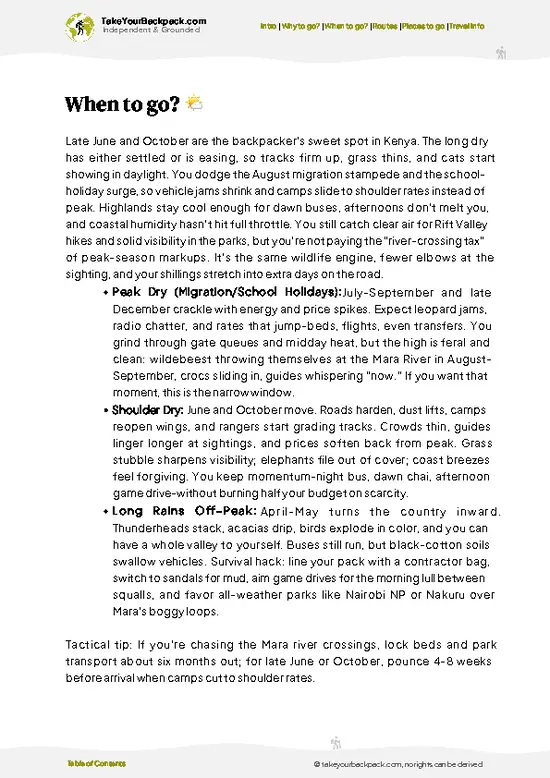
  • Weather: Kitale experiences two rainy seasons—long rains from March to May and short rains in October and November. These months bring heavy showers that can turn dirt paths into mud traps, making exploration less enjoyable. The dry months, especially June to September, offer clearer skies and easier trekking conditions.

  • Temperature: Daytime temperatures hover around 20-25°C (68-77°F) year-round, but nights can dip to 10°C (50°F) during the dry season. The cool mornings and evenings in the dry months are perfect for museum visits without the discomfort of humidity or heat.

  • Daylight Hours: Daylight remains fairly consistent throughout the year, roughly 12 hours daily. However, during the rainy season, overcast skies can make days feel shorter and dimmer, which might cut into your sightseeing
read more 👉

  • Weather: Kitale experiences two rainy seasons—long rains from March to May and short rains in October and November. These months bring heavy showers that can turn dirt paths into mud traps, making exploration less enjoyable. The dry months, especially June to September, offer clearer skies and easier trekking conditions.

  • Temperature: Daytime temperatures hover around 20-25°C (68-77°F) year-round, but nights can dip to 10°C (50°F) during the dry season. The cool mornings and evenings in the dry months are perfect for museum visits without the discomfort of humidity or heat.

  • Daylight Hours: Daylight remains fairly consistent throughout the year, roughly 12 hours daily. However, during the rainy season, overcast skies can make days feel shorter and dimmer, which might cut into your sightseeing time.

  • Crowds: Kitale Museum is off the typical tourist radar, so crowds are minimal year-round. However, local school holidays in July and December can bring in more Kenyan families, adding a lively but manageable buzz.

  • Seasonal Activities: The dry season aligns with local cultural festivals and agricultural fairs in the region, offering a richer context to your visit. These events usually happen between June and September, providing a chance to see the community’s living heritage alongside the museum’s exhibits.

  • Price Fluctuations: Entry fees remain stable year-round, but accommodation and transport costs can spike slightly during the dry season when more travelers visit. Booking ahead during June to September can save you some cash and stress.


Pro-tip: Aim for the dry months of June to September to dodge mud, catch local festivals, and enjoy cooler, more comfortable days—this is when Kitale Museum truly comes alive beyond the exhibits.


source: climatestotravel.comJANJanuary: good for travelingFEBFebruary: good for travelingMARMarch: fair for travelingAPRApril: fair for travelingMAYMay: fair for travelingJUNJune: excellent for travelingJULJuly: excellent for travelingAUGAugust: excellent for travelingSEPSeptember: excellent for travelingOCTOctober: fair for travelingNOVNovember: fair for travelingDECDecember: good for traveling
when-to-go

✈️ The backpacker research shortcutKenya Travel Guide

An offline-friendly backpacking guide with optimized travel routes, ranked highlights, transport advice, and the best areas to stay.
example page 0 from our offline Travel Guide for Kenya
example page 1 from our offline Travel Guide for Kenya
example page 2 from our offline Travel Guide for Kenya
example page 3 from our offline Travel Guide for Kenya
example page 4 from our offline Travel Guide for Kenya
example page 5 from our offline Travel Guide for Kenya
example page 6 from our offline Travel Guide for Kenya
example page 7 from our offline Travel Guide for Kenya
The digital guide (429 pages) contains:
114 highlights, ranked by travel appeal
Optimized 7, 14 & 21-day travel routes
Cities, national parks, landmarks, beaches
How to get around
Offline-friendly for travel without Wi-Fi
👉 Click to see all 30+ guide features

📅 Plan smarter in minutes, not weeks
Month by month travel advice
Festivals & national holidays
Budget expectations

🗺️ Go to the right places, skip the overrated ones
Honest pros & cons of destinations
Top hikes, parks & viewpoints
Lesser-known places most travelers miss
Clear “worth it vs skip it” guidance

🛏️ Travel smoothly without rookie mistakes
Best areas to stay
Transport systems explained simply
Common scams & safety advice
SIM cards, money & practical tips

🌍 Understand the country, not just visit it
Culture & traditions
52 Essential phrases & customs
Festivals worth planning around
Traveler-friendly historical context
Insights that make places more meaningful

📱 Built for real travel conditions
Fully downloadable PDF
Works completely offline
Optimized for phone use
Useful in remote areas & buses
Everything in one place
Save weeks of stressful planning
Get instant access to your full guide. 30‑day money-back guarantee.


By proceeding you agree to our terms.
Sent to your inbox immediately after payment • 100% Secure Checkout
Best Backpacking Travel Advisor 2025 tourism awardBest Backpacking
Travel Advisor
2025
What others say about Take Your Backpack Guides:
⭐⭐⭐⭐⭐
Fantastic, amazing amount of information!
⭐⭐⭐⭐⭐
My goodness this is amazing, it's what I've been looking for hats off too you!
⭐⭐⭐⭐⭐
I think this is absolutely BRILLIANT
⭐⭐⭐⭐
Very complete and informative. It's still missing places, but I gotta to commend you
⭐⭐⭐⭐⭐
This is truly amazing, thank you, can't wait to explore it with my kids!
⭐⭐⭐⭐⭐
Awesome resource, thank you!
⭐⭐⭐⭐⭐
This is amazing! Can't wait to explore the ones I haven't seen
⭐⭐⭐⭐
I love this! Well done, great idea.
⭐⭐⭐⭐⭐
Thanks for taking the time to make this gem!
⭐⭐⭐⭐⭐
This might be the best website I've ever seen.
⭐⭐⭐⭐⭐
Congratulations, and thank you so much for your work; it's incredibly valuable.
⭐⭐⭐⭐
In all seriousness I think you did a great job pointing out the important spots
⭐⭐⭐⭐⭐
10/10 very good
⭐⭐⭐⭐⭐
As someone who's only just starting to visit regularly this is awesome, thank you.
⭐⭐⭐⭐
Thank you very much! I'm going to visit my dad, it's going to be very useful!
⭐⭐⭐⭐⭐
This is really cool! We'll be travelling for the first time and this definitely come in handy.
⭐⭐⭐⭐⭐
You are now our minister of culture, congratulations 👨‍💼
⭐⭐⭐⭐⭐
Just wanted to tell you that this is a pearl! Going to follow your recommendations.
⭐⭐⭐⭐⭐
This is so cool. I'll definitely be using the resource for my travels soon.
⭐⭐⭐⭐⭐
This is very impressive! Good work.
⭐⭐⭐⭐⭐
This is an amazing and informative site. Very well done!

🛏️ Where to stay?How to pick the right area

Kitale Museum sits in a town that’s not exactly a backpacker magnet, so don’t expect a buzzing hostel scene or a nightlife that goes till dawn. The reality is, Kitale is a quiet, working town with a straightforward vibe. That means your best bet is to stay close to the town center, where safety is better and you’ll find a handful of guesthouses and budget lodges that cater to travelers who want simple, clean, and secure digs without the tourist fluff.

The areas around the main market and along the main roads leading to the museum are your sweet spots. These spots put you within walking distance … read more 👉
Kitale Museum sits in a town that’s not exactly a backpacker magnet, so don’t expect a buzzing hostel scene or a nightlife that goes till dawn. The reality is, Kitale is a quiet, working town with a straightforward vibe. That means your best bet is to stay close to the town center, where safety is better and you’ll find a handful of guesthouses and budget lodges that cater to travelers who want simple, clean, and secure digs without the tourist fluff.

The areas around the main market and along the main roads leading to the museum are your sweet spots. These spots put you within walking distance of the museum and local eateries where you can grab authentic Kenyan meals without the inflated prices you’d find in more touristy hubs. You’ll also find locals and occasional travelers here, which makes it easier to strike up conversations and get real tips on what to see beyond the museum.

Don’t expect a social hostel vibe like in Nairobi or Mombasa. Kitale’s charm is quieter, more grounded. If you’re a solo backpacker craving connection, your best move is to engage with local guides or join small group tours from town. That’s where the real stories and unexpected friendships happen—not in a crowded dorm room, but in the shared experience of exploring this off-the-radar slice of Kenya.

👛 Costs (as of 6 October 2025)What things cost and how to budget

As of the most recent estimates, the entrance fee for Kitale Museum is KSh 400 for adults and KSh 200 for children aged 3 to 16 years. Additional costs may include guided tours or special exhibits, which can vary.

source: museums.or.ke
⚠️ Prices can change and everyone travels differently, so take this as a rough guide. Hope it helps you plan your adventure!

Other Kenyan attractions near Kitale Museum

Explore more nearby:


💡 Not sure where to go next?
Create a personalized itinerary for Kenya including Kitale Museum and the places that fit your trip.

Generate my itinerary

👉 Discover all attractions

Or checkout all Kenya has to offer (think cities, towns, villages, national parks, hikes, beaches, festivals)
Country photo of Kenya

We 💚 feedbackKey takeaways before you go

Kitale Museum isn’t going to wow you with crowds or flashy exhibits. It’s quiet, a bit rough around the edges, and definitely off the beaten path. But that’s exactly why it’s worth your time. The real magic is in the way it captures local history and culture without the tourist gloss—authentic, raw, and surprisingly intimate. Don’t expect polished displays; expect stories that stick with you long after you leave. If you want a genuine connection to Kenya’s past without the noise, this is your spot.

✍️ Help improve this page!
The information on this page is based on in-depth research, insights shared by experienced travelers, and feedback from the local travel community in Kenya. While every effort is made to keep the information accurate and current, conditions can change — so if you spot anything incorrect or outdated, please get in touch.


🙋‍♂️ Give feedback

👋 Meet the founderWho’s Behind Take Your Backpack?

Johan, backpacker and founder of TakeYourBackpackHi, I’m Johan (Netherlands 🇳🇱), the creator of TakeYourBackpack. Over the past decade, I’ve backpacked through 80+ countries across six continents, gaining extensive experience with independent travel, long-term trips, and overland routes.

This site is built on a combination of firsthand travel experience and carefully curated insights from other backpackers. Many guides are based on places I’ve personally visited, while others bring together tips, observations, and practical advice shared by trusted travelers I’ve met along the way.

The goal is to provide realistic, experience-driven guidance — not generic itineraries — so you can explore destinations with better context, clearer expectations, and more confidence.

Get full Kenya guide •
Instant download • 114 highlights • Full Offline guide