v2.webp)
The Hall of Kenya’s Prehistory
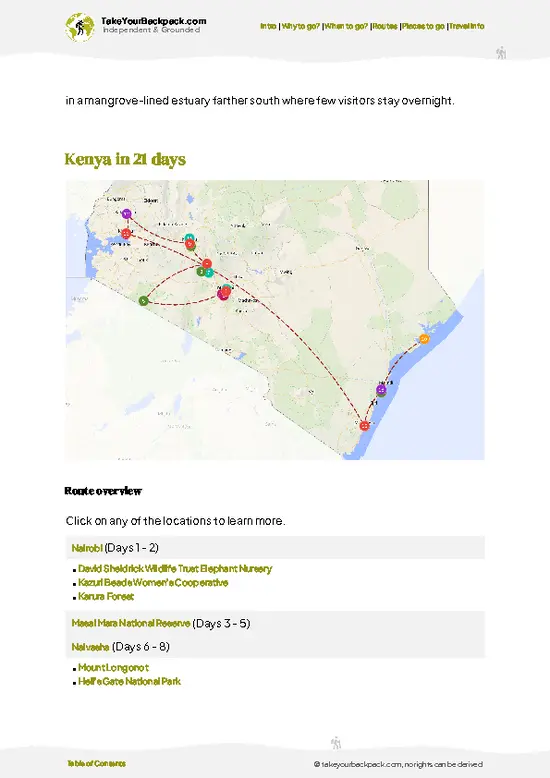
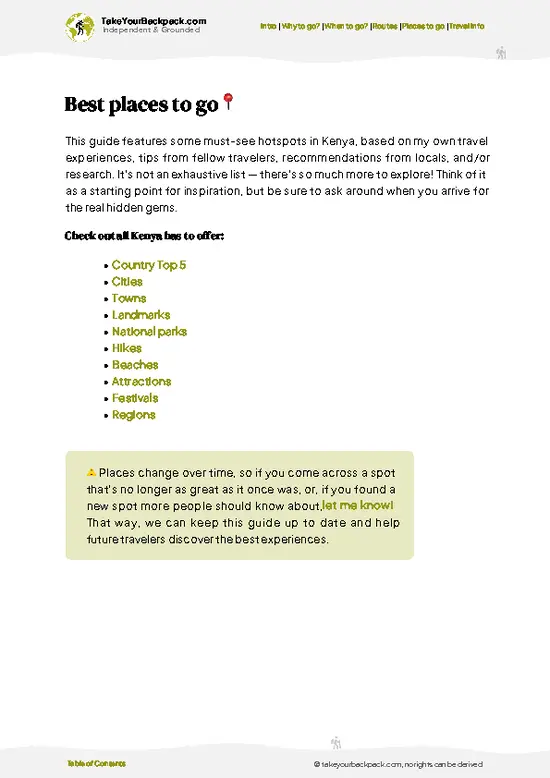
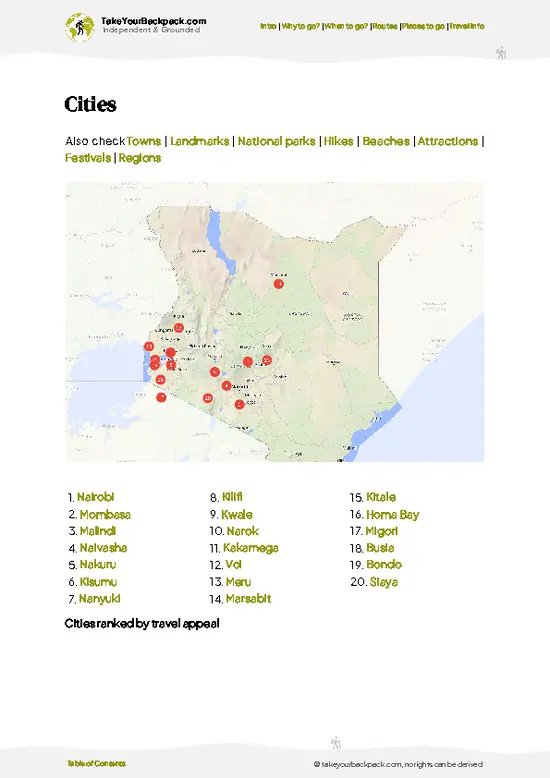
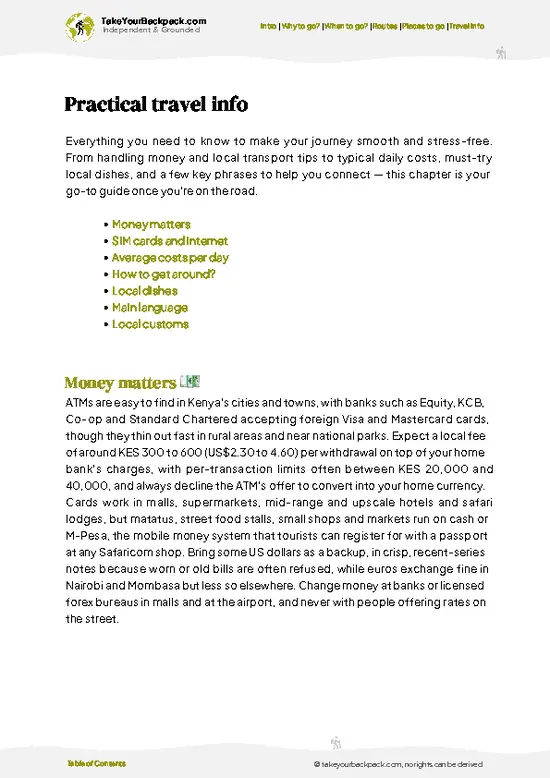
Let’s cut through the Instagram fog: you’re not coming here for a selfie with a dusty diorama. You’re coming to stand face-to-face with the bones of humanity’s ancestors. The museum’s collection of early hominid fossils—think Turkana Boy, the most complete early human skeleton ever found—makes this one of the world’s heavyweight sites for anyone even vaguely interested in where we come from. No, you won’t have the place to yourself (school groups are a given), but the thrill of seeing the real deal, not a replica, is worth elbowing through a crowd or two.
The Hall of Mammals
This isn’t your average taxidermy parade. The Hall of Mammals is a time capsule of East African wildlife, with full-size lions, elephants, and rhinos posed in scenes that are more David … read more 👉
Let’s cut through the Instagram fog: you’re not coming here for a selfie with a dusty diorama. You’re coming to stand face-to-face with the bones of humanity’s ancestors. The museum’s collection of early hominid fossils—think Turkana Boy, the most complete early human skeleton ever found—makes this one of the world’s heavyweight sites for anyone even vaguely interested in where we come from. No, you won’t have the place to yourself (school groups are a given), but the thrill of seeing the real deal, not a replica, is worth elbowing through a crowd or two.
The Hall of Mammals
This isn’t your average taxidermy parade. The Hall of Mammals is a time capsule of East African wildlife, with full-size lions, elephants, and rhinos posed in scenes that are more David … read more 👉
The Hall of Kenya’s Prehistory
Let’s cut through the Instagram fog: you’re not coming here for a selfie with a dusty diorama. You’re coming to stand face-to-face with the bones of humanity’s ancestors. The museum’s collection of early hominid fossils—think Turkana Boy, the most complete early human skeleton ever found—makes this one of the world’s heavyweight sites for anyone even vaguely interested in where we come from. No, you won’t have the place to yourself (school groups are a given), but the thrill of seeing the real deal, not a replica, is worth elbowing through a crowd or two.
The Hall of Mammals
This isn’t your average taxidermy parade. The Hall of Mammals is a time capsule of East African wildlife, with full-size lions, elephants, and rhinos posed in scenes that are more David Attenborough than dusty Victorian. The displays are old-school, but there’s a certain retro charm in seeing a lion up close without a telephoto lens or a safari price tag. It’s a crash course in Kenya’s biodiversity, and a reminder that the real magic of the country isn’t just in the savannahs—it’s in the stories behind each species.
The Snake Park
Yes, it’s a little kitschy. Yes, you’ll see more selfie sticks than snakes on some days. But if you want a jolt of adrenaline, the Snake Park delivers. Live cobras, puff adders, and pythons—plus crocodiles and turtles—are housed in surprisingly well-kept enclosures. The staff are passionate and will happily (sometimes a little too happily) bring out a python for you to touch. It’s a hit with kids, but adults get a kick out of it too, especially if you’re the type who likes your museums with a side of danger.
The Joy Adamson Gallery
Forget the sanitized version of “Born Free” you’ve seen on streaming. Joy Adamson’s original paintings—especially her portraits of Kenya’s indigenous peoples—are raw, detailed, and deeply personal. This gallery is a quiet, contemplative space that feels worlds away from the busier halls. It’s a rare chance to see the intersection of art, conservation, and colonial history, all through the eyes of someone who lived it.
Ethnographic Galleries
Skip the generic “tribal” souvenirs outside and head straight for the real thing. The ethnographic exhibits here are dense, sometimes overwhelming, but absolutely packed with artifacts: Maasai beadwork, Swahili furniture, ceremonial masks, and musical instruments that actually saw use. There’s no sugar-coating of history—expect to see both the beauty and the brutality of Kenya’s past. If you want to understand the country beyond the safari clichés, this is where you start.
The Botanical Gardens
Most people breeze past the gardens on their way to the main halls, but that’s a rookie mistake. The grounds are a living museum of indigenous Kenyan plants, from medicinal herbs to towering fig trees. It’s the best place to decompress after the sensory overload inside. Bring a snack, find a shady bench, and watch the city’s birdlife do its thing. If you’re lucky, you’ll catch a local school group getting a lesson in botany—proof that the museum’s magic isn’t just locked behind glass.
Let’s cut through the Instagram fog: you’re not coming here for a selfie with a dusty diorama. You’re coming to stand face-to-face with the bones of humanity’s ancestors. The museum’s collection of early hominid fossils—think Turkana Boy, the most complete early human skeleton ever found—makes this one of the world’s heavyweight sites for anyone even vaguely interested in where we come from. No, you won’t have the place to yourself (school groups are a given), but the thrill of seeing the real deal, not a replica, is worth elbowing through a crowd or two.
The Hall of Mammals
This isn’t your average taxidermy parade. The Hall of Mammals is a time capsule of East African wildlife, with full-size lions, elephants, and rhinos posed in scenes that are more David Attenborough than dusty Victorian. The displays are old-school, but there’s a certain retro charm in seeing a lion up close without a telephoto lens or a safari price tag. It’s a crash course in Kenya’s biodiversity, and a reminder that the real magic of the country isn’t just in the savannahs—it’s in the stories behind each species.
The Snake Park
Yes, it’s a little kitschy. Yes, you’ll see more selfie sticks than snakes on some days. But if you want a jolt of adrenaline, the Snake Park delivers. Live cobras, puff adders, and pythons—plus crocodiles and turtles—are housed in surprisingly well-kept enclosures. The staff are passionate and will happily (sometimes a little too happily) bring out a python for you to touch. It’s a hit with kids, but adults get a kick out of it too, especially if you’re the type who likes your museums with a side of danger.
The Joy Adamson Gallery
Forget the sanitized version of “Born Free” you’ve seen on streaming. Joy Adamson’s original paintings—especially her portraits of Kenya’s indigenous peoples—are raw, detailed, and deeply personal. This gallery is a quiet, contemplative space that feels worlds away from the busier halls. It’s a rare chance to see the intersection of art, conservation, and colonial history, all through the eyes of someone who lived it.
Ethnographic Galleries
Skip the generic “tribal” souvenirs outside and head straight for the real thing. The ethnographic exhibits here are dense, sometimes overwhelming, but absolutely packed with artifacts: Maasai beadwork, Swahili furniture, ceremonial masks, and musical instruments that actually saw use. There’s no sugar-coating of history—expect to see both the beauty and the brutality of Kenya’s past. If you want to understand the country beyond the safari clichés, this is where you start.
The Botanical Gardens
Most people breeze past the gardens on their way to the main halls, but that’s a rookie mistake. The grounds are a living museum of indigenous Kenyan plants, from medicinal herbs to towering fig trees. It’s the best place to decompress after the sensory overload inside. Bring a snack, find a shady bench, and watch the city’s birdlife do its thing. If you’re lucky, you’ll catch a local school group getting a lesson in botany—proof that the museum’s magic isn’t just locked behind glass.
Spotted a mistake or missing something? Contact us.

3 days Masai Mara on Private 4x4 Land Cruiser

Masai Mara 3 Days Tour Safari Private 4WD Landcruiser

Nairobi Park Wildlife Safari

6 Days Masai Mara, Lake Nakuru and Amboseli Budget Group Safari

5 Days Maasai mara, Lake Nakuru, samburu private lodge safari

4 Days great of Maasai Mara Lake Nakuru joining safari

Masai Mara 3 Days Luxury Tented Safari

Nairobi National Park, Elephant Orphanage and Giraffe Center Tour

3 Day Maasai Mara Safari from Nairobi with Big Five Game Drives


 Best Backpacking
.jpg) Hi, I’m Johan (Netherlands 🇳🇱), the creator of TakeYourBackpack. Over the past 3 decades, I’ve backpacked through 90+ countries across six continents, gaining extensive experience with independent travel, long-term trips, and overland routes.
Hi, I’m Johan (Netherlands 🇳🇱), the creator of TakeYourBackpack. Over the past 3 decades, I’ve backpacked through 90+ countries across six continents, gaining extensive experience with independent travel, long-term trips, and overland routes.