×

Kenya🇰🇪 | attractionsMamba Village Crocodile Farmcrocodile enclosures, reptile feeding, guided tours | things to do and best time to go

Explore Bombolulu Workshops and Cultural CentreExplore Lamu Museum

Backpacking in Mamba Village Crocodile Farm
👌 Worth visitingattraction ranked #14
By Johan Kruseman 🇳🇱 | Updated October 15, 2026

Let’s get real: most people hit Mamba Village Crocodile Farm because they want that “I held a baby croc!” photo for their feed. But if you’re backpacking Kenya, skip the Instagram checklist and look for the real story under the scales. Mamba Village sits in Nairobi’s Karen suburb—a world away from the chaos of downtown, but also a bit of a tourist conveyor belt. Yes, you’ll see hundreds of crocodiles, some the size of canoes, and maybe catch a feeding frenzy that’s more primal than any wildlife doc. But here’s the truth: the real magic is watching local guides riff on croc lore, or chatting with Kenyan families who treat this as a weekend outing, not a bucket-list badge. It’s not the Serengeti, and it won’t give you the goosebumps of a Maasai Mara dawn, but it’s accessible, cheap by Nairobi standards, and delivers a weird, slightly kitschy adrenaline hit. Crowds? Always. Soul? If you look past the selfie sticks, you’ll find it.

Discover everything you want to know in the 📖 Kenya Travel Guide.


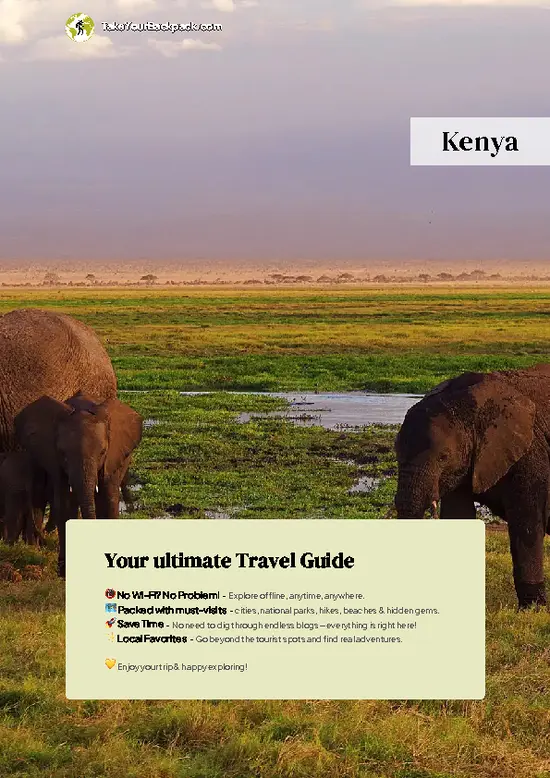
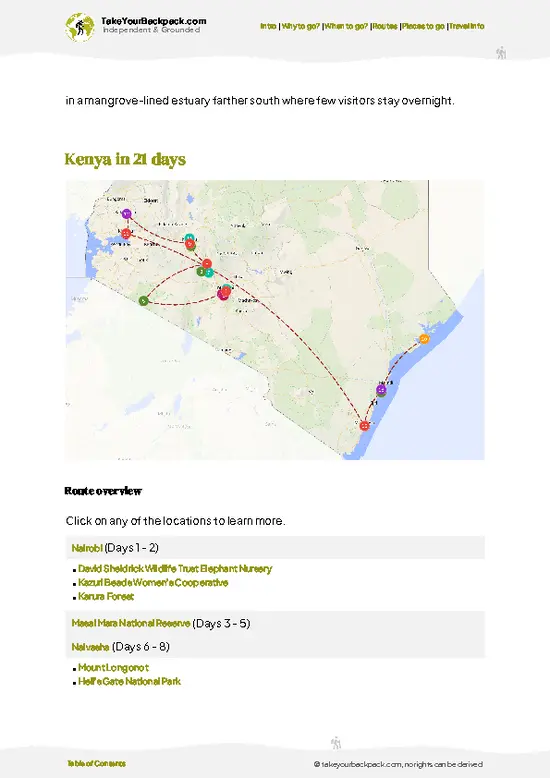
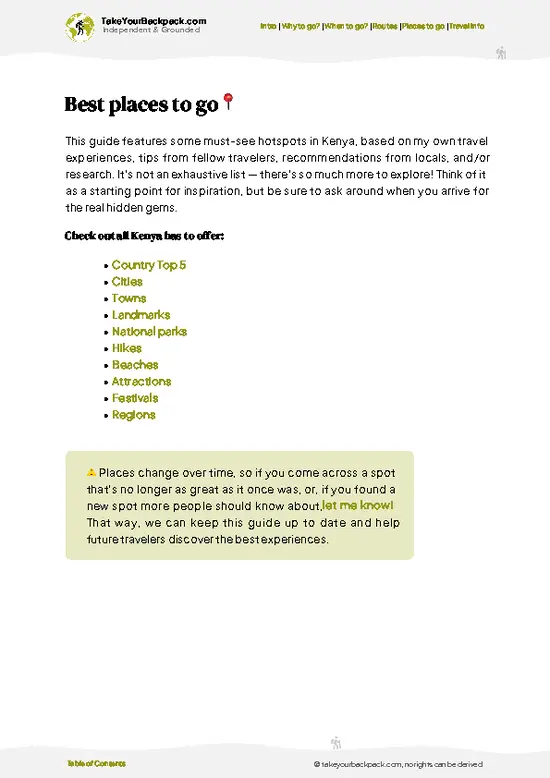
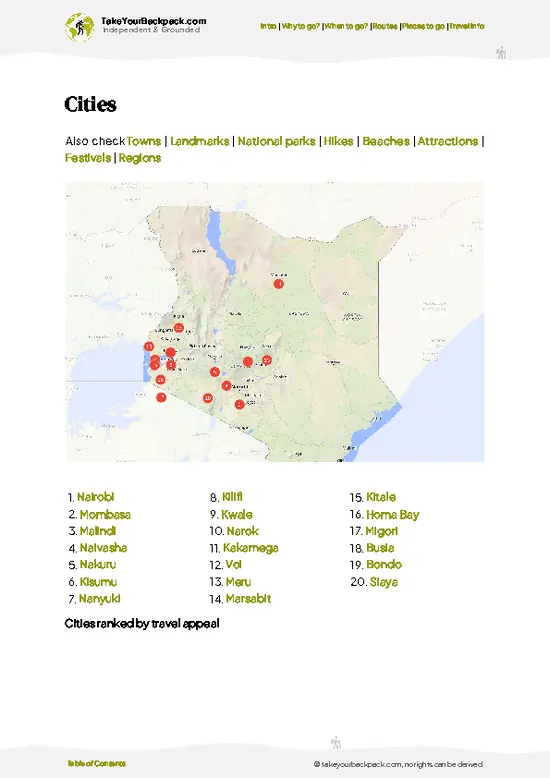
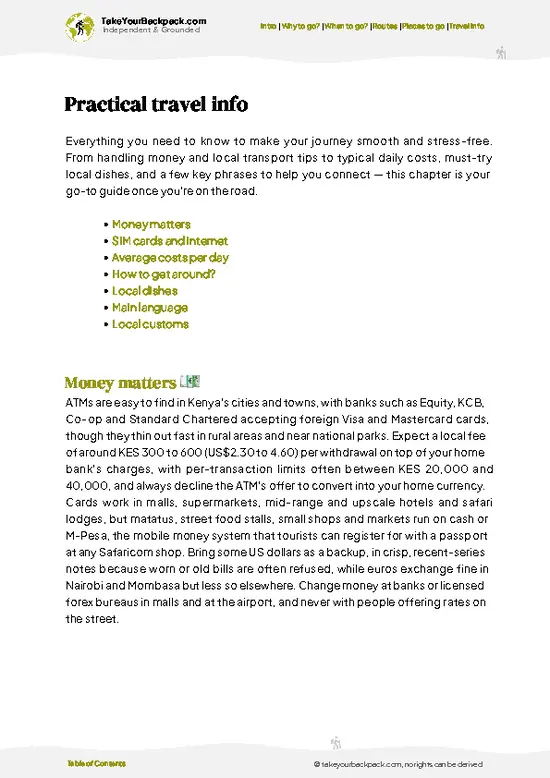
example page 0 from our offline Travel Guide for Kenya
example page 1 from our offline Travel Guide for Kenya
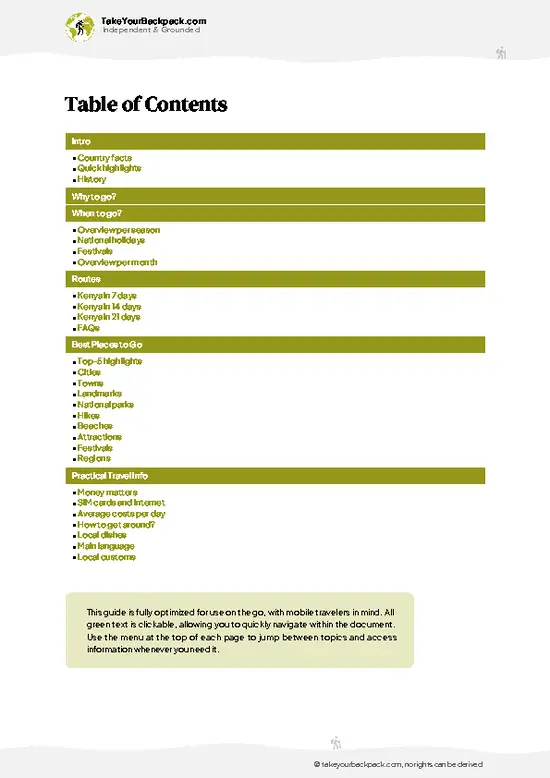
example page 2 from our offline Travel Guide for Kenya
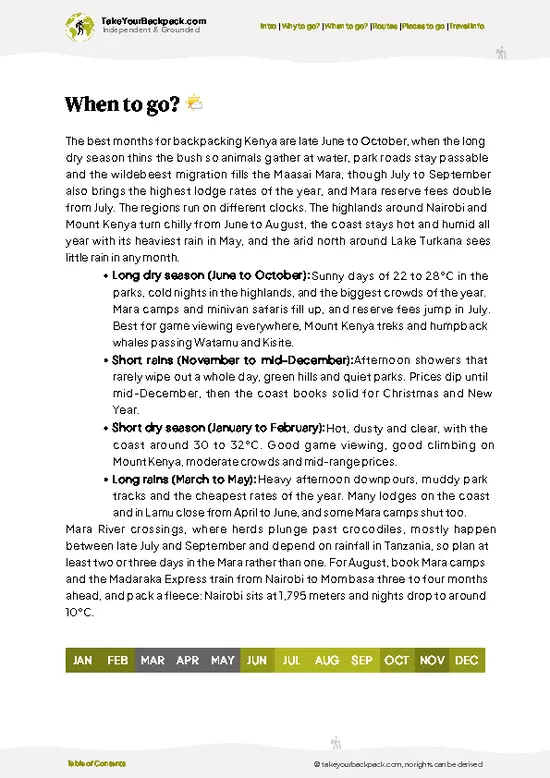
example page 3 from our offline Travel Guide for Kenya
example page 4 from our offline Travel Guide for Kenya
example page 5 from our offline Travel Guide for Kenya
example page 6 from our offline Travel Guide for Kenya
example page 7 from our offline Travel Guide for Kenya
Loading the map 🌍
CLICK TO FILTER
cities
towns
landmarks
national parks
hikes
beaches
attractions
festivals
regions
SHOW COUNTRY’S BESTSHOW ALL

✨ Why go?
Ranked #14 attraction in Kenya
What makes this attraction worth visiting

Mamba Village Crocodile Farm in Kenya isn’t your typical wildlife stop where you snap a quick selfie and move on. Yes, it’s crowded—especially with tourists chasing the “big croc” shot—but that’s because it’s earned its stripes as an iconic destination. This place isn’t just about gawking at reptiles; it’s a deep dive into Kenya’s complex relationship with these ancient predators. The farm’s cultural significance runs deep, showcasing how local communities have coexisted with crocodiles for generations, blending respect, fear, and survival.

Forget the sanitized zoo vibe. Here, you get raw, hands-on encounters that spike your adrenaline—feeding time is not for the faint-hearted. It’s a high effort-to-reward ratio experience: you’ll leave with stories that outshine any polished tourist trap. … read more 👉
Mamba Village Crocodile Farm in Kenya isn’t your typical wildlife stop where you snap a quick selfie and move on. Yes, it’s crowded—especially with tourists chasing the “big croc” shot—but that’s because it’s earned its stripes as an iconic destination. This place isn’t just about gawking at reptiles; it’s a deep dive into Kenya’s complex relationship with these ancient predators. The farm’s cultural significance runs deep, showcasing how local communities have coexisted with crocodiles for generations, blending respect, fear, and survival.

Forget the sanitized zoo vibe. Here, you get raw, hands-on encounters that spike your adrenaline—feeding time is not for the faint-hearted. It’s a high effort-to-reward ratio experience: you’ll leave with stories that outshine any polished tourist trap. Plus, it’s a crucial milestone on the Kenyan coastal route, bridging the gap between beach escapes and inland safaris. The farm’s historical roots trace back decades, offering a glimpse into conservation efforts that often go unnoticed but are vital for the species’ survival.

If you’re serious about understanding Kenya beyond the postcards, Mamba Village is a must-stop. It’s gritty, it’s real, and it’s packed with lessons you won’t find in guidebooks.

💡 HighlightsThe experiences that define the visit

1. Crocodile Feeding Frenzy
Forget the sanitized zoo experience. Here, you’re close enough to feel the splash when a two-meter croc launches for its lunch. The staff don’t just toss in a chicken leg and call it a day—they whip up a spectacle, slapping the water and coaxing the biggest beasts to lunge and snap. It’s raw, it’s loud, and it’s a reminder that these animals are not here for your Instagram grid—they’re here to eat. If you’ve only seen crocodiles loafing in the sun, this is a wake-up call.


2. Up-Close Croc Encounters
Yes, you can hold a baby crocodile. No, it’s not as cute as it sounds. The handlers will show you how to grip it (mouth taped, obviously), and you’ll feel the muscle under that prehistoric skin. It’s a quick, slightly nerve-wracking photo op, but it’s also a rare chance … read more 👉
1. Crocodile Feeding Frenzy
Forget the sanitized zoo experience. Here, you’re close enough to feel the splash when a two-meter croc launches for its lunch. The staff don’t just toss in a chicken leg and call it a day—they whip up a spectacle, slapping the water and coaxing the biggest beasts to lunge and snap. It’s raw, it’s loud, and it’s a reminder that these animals are not here for your Instagram grid—they’re here to eat. If you’ve only seen crocodiles loafing in the sun, this is a wake-up call.


2. Up-Close Croc Encounters
Yes, you can hold a baby crocodile. No, it’s not as cute as it sounds. The handlers will show you how to grip it (mouth taped, obviously), and you’ll feel the muscle under that prehistoric skin. It’s a quick, slightly nerve-wracking photo op, but it’s also a rare chance to actually feel the power of a creature that’s survived since the dinosaurs. If you’re used to “interactive” meaning “press a button,” this is a whole different league.


3. The Giant Croc “Big Daddy”
Every croc farm claims to have a monster, but Mamba’s “Big Daddy” is the real deal. He’s over a century old and tips the scales at nearly a ton. Seeing him up close, jaws agape, you realize why locals spin legends about these animals. He’s not just big—he’s a living fossil, and the staff treat him with the kind of wary respect you’d give a loaded cannon. If you want a story that’ll make your friends’ eyes widen, this is it.


4. Snake Park Detour
The crocs get top billing, but don’t skip the snake park. It’s not a sideshow—it’s a crash course in East African reptiles. Puff adders, cobras, and pythons are all here, and the guides don’t sugarcoat the danger. You’ll learn which ones to avoid in the bush, and which are more bark than bite. It’s educational, but it’s also a little bit of a thrill—especially when you realize just how many of these species live nearby.


5. Camel and Horse Rides (for the Young or Young-at-Heart)
This isn’t a “safari lite” gimmick. The short rides on camels and horses are a nod to local culture and a break from the reptile overload. Kids love it, but I’ve seen plenty of adults grinning like fools as they wobble around the grounds. It’s not the main event, but it rounds out the experience and gives you a taste of Kenya’s broader animal traditions.


6. Swamp Walks and Croc Nursery
If you want to see the full croc life cycle, the nursery is where it gets real. Rows of eggs, tiny hatchlings, and juveniles in various stages of “cute but deadly.” The staff explain the breeding process, and you’ll get a sense of just how much work goes into keeping these ancient predators alive. It’s not glamorous, but it’s fascinating—and a side of wildlife conservation you rarely see up close.
Spotted a mistake or missing something? Contact us.

🌤️ When to go?Choosing the right time of year

  • Weather: The best time to visit Mamba Village Crocodile Farm is during Kenya’s dry season, from June to October. Expect less mud and fewer mosquitoes, making it easier to explore without constantly swatting bugs. The wet season, from March to May, can turn paths slippery and limit your time outdoors.
  • Temperature: Daytime temps hover around 25-30°C (77-86°F) during the dry months, which is warm but manageable. The wet season can feel hotter and more humid, pushing temps closer to 32°C (90°F), which can sap your energy quickly.
  • Daylight Hours: Kenya enjoys roughly 12 hours of daylight year-round, but from June to August, the sun rises around 7 AM and sets by 6 PM, giving you a solid window to explore without rushing.
  • Crowds: Peak tourist season overlaps with the dry months, so expect more
… read more 👉
  • Weather: The best time to visit Mamba Village Crocodile Farm is during Kenya’s dry season, from June to October. Expect less mud and fewer mosquitoes, making it easier to explore without constantly swatting bugs. The wet season, from March to May, can turn paths slippery and limit your time outdoors.
  • Temperature: Daytime temps hover around 25-30°C (77-86°F) during the dry months, which is warm but manageable. The wet season can feel hotter and more humid, pushing temps closer to 32°C (90°F), which can sap your energy quickly.
  • Daylight Hours: Kenya enjoys roughly 12 hours of daylight year-round, but from June to August, the sun rises around 7 AM and sets by 6 PM, giving you a solid window to explore without rushing.
  • Crowds: Peak tourist season overlaps with the dry months, so expect more visitors between July and August. If you want fewer people, aim for June or September when the weather is still good but the crowds thin out.
  • Seasonal Activities: Crocodile feeding demonstrations and guided tours run year-round, but during the dry season, animals are more active and visible. The wet season might see some closures or limited access due to flooding.
  • Price Fluctuations: Entrance fees and local transport costs tend to spike during July and August. Visiting in the shoulder months like June or September can save you a few bucks without sacrificing the experience.
Pro-tip: Visit early in the morning during the dry season to catch the crocs at their most lively and avoid the midday heat and crowds.


source: climatestotravel.comJANJanuary: good for travelingFEBFebruary: good for travelingMARMarch: fair for travelingAPRApril: fair for travelingMAYMay: fair for travelingJUNJune: excellent for travelingJULJuly: highly recommended for travelingAUGAugust: highly recommended for travelingSEPSeptember: excellent for travelingOCTOctober: excellent for travelingNOVNovember: good for travelingDECDecember: good for traveling
when-to-go

✈️ The backpacker research shortcutKenya Travel Guide

An offline-friendly backpacking guide with optimized travel routes, ranked highlights, transport advice, and the best areas to stay.
example page 0 from our offline Travel Guide for Kenya
example page 1 from our offline Travel Guide for Kenya
example page 2 from our offline Travel Guide for Kenya
example page 3 from our offline Travel Guide for Kenya
example page 4 from our offline Travel Guide for Kenya
example page 5 from our offline Travel Guide for Kenya
example page 6 from our offline Travel Guide for Kenya
example page 7 from our offline Travel Guide for Kenya
The digital guide (365 pages) contains:
✅ 96 highlights, ranked by travel appeal
✅ Optimized 7, 14 & 21-day travel routes
✅ Cities, national parks, landmarks, beaches
✅ How to get around
✅ Offline-friendly for travel without Wi-Fi
👉 Click to see all 30+ guide features

📅 Plan smarter in minutes, not weeks
✅ Month by month travel advice
✅ Festivals & national holidays
✅ Budget expectations

🗺️ Go to the right places, skip the overrated ones
✅ Honest pros & cons of destinations
✅ Top hikes, parks & viewpoints
✅ Lesser-known places most travelers miss
✅ Clear “worth it vs skip it” guidance

🛏️ Travel smoothly without rookie mistakes
✅ Best areas to stay
✅ Transport systems explained simply
✅ Common scams & safety advice
✅ SIM cards, money & practical tips

🌍 Understand the country, not just visit it
✅ Culture & traditions
✅ 52 Essential phrases & customs
✅ Festivals worth planning around
✅ Traveler-friendly historical context
✅ Insights that make places more meaningful

📱 Built for real travel conditions
✅ Fully downloadable PDF
✅ Works completely offline
✅ Optimized for phone use
✅ Useful in remote areas & buses
✅ Everything in one place
Stop searching, start planning
Get instant access to your full guide. 30‑day money-back guarantee.
+ Add another guide for just

By proceeding you agree to our terms.
Sent to your inbox immediately after payment • 100% Secure Checkout
Best Backpacking Travel Advisor 2025 tourism awardBest Backpacking
Travel Advisor
2025
What others say about Take Your Backpack Guides:
⭐⭐⭐⭐⭐
Fantastic, amazing amount of information!
⭐⭐⭐⭐⭐
My goodness this is amazing, it's what I've been looking for hats off too you!
⭐⭐⭐⭐⭐
I think this is absolutely BRILLIANT
⭐⭐⭐⭐
Very complete and informative. It's still missing places, but I gotta to commend you
⭐⭐⭐⭐⭐
This is truly amazing, thank you, can't wait to explore it with my kids!
⭐⭐⭐⭐⭐
Awesome resource, thank you!
⭐⭐⭐⭐⭐
This is amazing! Can't wait to explore the ones I haven't seen
⭐⭐⭐⭐
I love this! Well done, great idea.
⭐⭐⭐⭐⭐
Thanks for taking the time to make this gem!
⭐⭐⭐⭐⭐
This might be the best website I've ever seen.
⭐⭐⭐⭐⭐
Congratulations, and thank you so much for your work; it's incredibly valuable.
⭐⭐⭐⭐
In all seriousness I think you did a great job pointing out the important spots
⭐⭐⭐⭐⭐
10/10 very good
⭐⭐⭐⭐⭐
As someone who's only just starting to visit regularly this is awesome, thank you.
⭐⭐⭐⭐
Thank you very much! I'm going to visit my dad, it's going to be very useful!
⭐⭐⭐⭐⭐
This is really cool! We'll be travelling for the first time and this definitely come in handy.
⭐⭐⭐⭐⭐
You are now our minister of culture, congratulations 👨‍💼
⭐⭐⭐⭐⭐
Just wanted to tell you that this is a pearl! Going to follow your recommendations.
⭐⭐⭐⭐⭐
This is so cool. I'll definitely be using the resource for my travels soon.
⭐⭐⭐⭐⭐
This is very impressive! Good work.
⭐⭐⭐⭐⭐
This is an amazing and informative site. Very well done!

🛏️ Where to stay?Where staying makes the most sense

If you’re heading to Mamba Village Crocodile Farm in Kenya, brace yourself: this isn’t some off-the-grid sanctuary where you’ll have the place to yourself. It’s a well-known spot, and yes, it attracts a steady stream of tourists. Crowds can be a thing, especially midday when tour groups roll in. Costs? Entrance fees and guided tours aren’t going to break the bank, but don’t expect a free-for-all adventure either. The real magic isn’t just in the crocodiles—they’re impressive, no doubt—but in the vibe around the farm and where you choose to stay.

Skip the pricey lodges and instead zero in on the … read more 👉
If you’re heading to Mamba Village Crocodile Farm in Kenya, brace yourself: this isn’t some off-the-grid sanctuary where you’ll have the place to yourself. It’s a well-known spot, and yes, it attracts a steady stream of tourists. Crowds can be a thing, especially midday when tour groups roll in. Costs? Entrance fees and guided tours aren’t going to break the bank, but don’t expect a free-for-all adventure either. The real magic isn’t just in the crocodiles—they’re impressive, no doubt—but in the vibe around the farm and where you choose to stay.

Skip the pricey lodges and instead zero in on the areas around Mombasa’s south coast, particularly around Nyali and Bamburi. These neighborhoods are backpacker gold because they strike the perfect balance: safe enough to roam solo, buzzing with other travelers, and loaded with budget-friendly guesthouses and hostels. You’ll find a social scene that’s low-key but lively—think beach bars where you can swap stories over a cold Tusker, not overcrowded party zones.

Plus, staying here means you’re close enough for a quick tuk-tuk ride to the farm, but far enough to avoid the tourist crush. You get the authentic coastal Kenya experience—local markets, street food stalls, and the kind of laid-back energy that makes you want to linger. This is where the real connection happens, not just a quick photo op with a croc.

👛 Costs (as of 15 October 2026)Travel costs and budget guide for Mamba Village Crocodile Farm

As of the most recent estimates, the entrance fee for Mamba Village Crocodile Farm in Mombasa, Kenya, is approximately KES 350 for adults and KES 200 for children. Additional activities such as boat rides are available for KES 100 for adults and KES 50 for children. Please note that these prices are subject to change, and it's advisable to check the official website for the most current information.

source: mambavillagecentre.co.ke
⚠️ Prices can change and everyone travels differently, so take this as a rough guide. Hope it helps you plan your adventure!

FAQCommon questions from travelers

Plan for about 1 to 2 hours to visit Mamba Village Crocodile Farm, enough time to see the crocodiles, other animals, and the small museum on site.
Yes, Mamba Village Crocodile Farm is worth the entrance fee, which is around 500 Kenyan Shillings for adults. It offers a unique experience with close-up views of crocodiles and educational exhibits, making it good value for animal lovers.
Mamba Village Crocodile Farm is located near Mombasa, about 10 kilometers from the city center. You can get there by taxi or matatu (shared minibus) from Mombasa; the farm is well-signposted and accessible by road.
⚠️ Things can change over time, so always validate details locally before you go.

Other Kenyan attractions near Mamba Village Crocodile Farm

Explore more nearby:


💡 Not sure where to go next?
Create a personalized itinerary for Kenya including Mamba Village Crocodile Farm and the places that fit your trip.

Generate my itinerary

👉 Discover all attractions

Or checkout all Kenya has to offer (think cities, towns, villages, national parks, hikes, beaches, festivals)
Country photo of Kenya

We 💚 feedbackParting advice and final tips

Mamba Village Crocodile Farm isn’t your polished safari postcard. It’s gritty, a bit chaotic, and yes, it gets busy with tourists snapping selfies like there’s no tomorrow. But here’s the kicker—the real magic is in how close you get to these prehistoric beasts, and the raw, unfiltered way the guides share their stories. It’s not just about crocs; it’s about respect for a creature that’s survived millennia. If you’re after something glossy and quiet, skip it. But if you want a pulse on Kenya’s wild edge, this place delivers.

✍️ Help improve this page!
The information on this page is based on in-depth research, insights shared by experienced travelers, and feedback from the local travel community in Kenya. While every effort is made to keep the information accurate and current, conditions can change — so if you spot anything incorrect or outdated, please get in touch.


🙋‍♂️ Give feedback

👋 Meet the founderWho’s Behind Take Your Backpack?

Johan, backpacker and founder of TakeYourBackpackHi, I’m Johan (Netherlands 🇳🇱), the creator of TakeYourBackpack. Over the past 3 decades, I’ve backpacked through 90+ countries across six continents, gaining extensive experience with independent travel, long-term trips, and overland routes.

This site is built on a combination of firsthand travel experience and carefully curated insights from other backpackers. Many guides are based on places I’ve personally visited, while others bring together tips, observations, and practical advice shared by trusted travelers I’ve met along the way.

The goal is to provide realistic, experience-driven guidance — not generic itineraries — so you can explore destinations with better context, clearer expectations, and more confidence.