×

Kenya🇰🇪 | attractionsFort Jesus Museum
Portuguese fort, coastal defense, archaeological finds | things to do and best time to go

Explore Maasai MarketExplore Bombolulu Workshops and Cultural Centre

Backpacking in Fort Jesus Museum
🏆 Top pickattraction ranked #3
By Johan Kruseman 🇳🇱 | Updated May 2, 2026

Your skin prickles in the thick, salty air as you run your fingers over the pockmarked coral walls—bullet scars from centuries-old battles. The echo of your footsteps bounces off stone corridors, mixing with the distant shouts from Mombasa’s Old Town just beyond the ramparts. This is Fort Jesus Museum, perched right on the edge of the Indian Ocean in coastal Kenya, where the city’s chaos meets the slow, relentless pulse of history.

Let’s cut through the brochure gloss: Fort Jesus is not some empty relic. It’s a fortress that’s seen more drama than most soap operas—Portuguese, Omani, British, all fighting for this chunk of coastline. Yes, you’ll dodge tour groups and selfie sticks, especially midday. Entry isn’t dirt cheap, but it’s not bank-breaking either, and you get real value for your shillings. The payoff? You’re standing inside a UNESCO World Heritage site that actually feels alive, not embalmed. Compared to Kenya’s safari circuit or the Maasai Mara’s spectacle, Fort Jesus hits you with raw, layered history and a jolt of adrenaline—if you let your imagination off the leash.

Discover everything you want to know in the 📖 Kenya Travel Guide.
Loading the map 🌍
CLICK TO FILTER
city
town
unique site
national park
hike
beach
attraction
festival
region
SHOW COUNTRY‘S BESTSHOW ALL

✨ Why go?
Ranked #3 attraction in Kenya
What makes it a must-see attraction

Fort Jesus Museum in Kenya is not some Instagram backdrop where you snap a quick selfie and move on. Yes, it’s crowded—especially during peak tourist seasons—and the entry fee isn’t dirt cheap by local standards. But here’s the deal: this fortress is a living relic of East Africa’s tangled history, a place where Portuguese colonial ambition, Swahili culture, and centuries of trade collide in stone and story. Backpackers who make the trek aren’t just ticking off a checklist; they’re stepping into a time capsule that reveals the brutal and brilliant layers of Kenya’s coastal past.

The museum’s strategic location overlooking Mombasa’s harbor isn’t just scenic—it’s a reminder of why this fort was fought over for centuries. Inside, the exhibits don’t sugarcoat the harsh realities of empire, resistance, … read more 👉
Fort Jesus Museum in Kenya is not some Instagram backdrop where you snap a quick selfie and move on. Yes, it’s crowded—especially during peak tourist seasons—and the entry fee isn’t dirt cheap by local standards. But here’s the deal: this fortress is a living relic of East Africa’s tangled history, a place where Portuguese colonial ambition, Swahili culture, and centuries of trade collide in stone and story. Backpackers who make the trek aren’t just ticking off a checklist; they’re stepping into a time capsule that reveals the brutal and brilliant layers of Kenya’s coastal past.

The museum’s strategic location overlooking Mombasa’s harbor isn’t just scenic—it’s a reminder of why this fort was fought over for centuries. Inside, the exhibits don’t sugarcoat the harsh realities of empire, resistance, and cultural fusion. It’s raw history, not sanitized tourist fluff. For anyone trekking the Kenyan coast or weaving through East Africa, Fort Jesus is a milestone that anchors your journey in real-world context. The effort to get here pays off with a deep, adrenaline-fueled appreciation for how history shapes the present. Skip it, and you miss the backbone of coastal Kenya’s story.
Get the complete Travel Guide for Kenya
Everything organized for offline planning — routes, highlights, costs & tips

See what’s inside 👉

Get the Travel Guide -

💡 HighlightsEssential experiences to have while visiting Fort Jesus Museum

The Ramparts and Cannon Emplacements
Forget the Instagram shot of you gazing pensively over the Indian Ocean—this is where the real action happened. The ramparts are thick, battered, and pockmarked by centuries of siege. You can still see the original Portuguese cannons, some rusted, some almost cartoonishly oversized, all pointed out to sea. Stand here and you’re not just looking at a wall; you’re standing in the crosshairs of four centuries of naval ambition, piracy, and colonial chess games. The view is a bonus, but the real thrill is knowing you’re walking the same battlements that once decided the fate of East Africa’s coast.


The Omani-Arabic Inscriptions and Architecture
Most people snap a photo of the fort’s imposing exterior and miss the subtle, almost hidden Arabic calligraphy carved … read more 👉
The Ramparts and Cannon Emplacements
Forget the Instagram shot of you gazing pensively over the Indian Ocean—this is where the real action happened. The ramparts are thick, battered, and pockmarked by centuries of siege. You can still see the original Portuguese cannons, some rusted, some almost cartoonishly oversized, all pointed out to sea. Stand here and you’re not just looking at a wall; you’re standing in the crosshairs of four centuries of naval ambition, piracy, and colonial chess games. The view is a bonus, but the real thrill is knowing you’re walking the same battlements that once decided the fate of East Africa’s coast.


The Omani-Arabic Inscriptions and Architecture
Most people snap a photo of the fort’s imposing exterior and miss the subtle, almost hidden Arabic calligraphy carved into the coral stone. These inscriptions are not just decorative—they’re the receipts of conquest. When the Omanis took the fort from the Portuguese, they left their mark everywhere: in the arches, the doorways, and the intricate latticework. This is where you see the fort’s split personality—part European fortress, part Swahili-Arab palace. It’s a living lesson in how cultures collide, merge, and leave their fingerprints on history.


The Torture Room and Prison Cells
This isn’t a sanitized, Disney-fied dungeon. The prison cells are cramped, airless, and still carry the chill of real suffering. The so-called “torture room” is a blunt reminder that empires are built on more than just trade and treaties. You’ll see iron shackles and graffiti scratched into the walls by desperate hands. It’s uncomfortable, and that’s the point. If you want the real story—not the postcard version—spend a few minutes here. It’s a gut-check, and it makes the fort’s beauty feel earned, not just inherited.


The Museum’s Swahili Coast Artifacts
Most people breeze through the museum rooms, but if you slow down, you’ll find a treasure trove of objects that tell the story of Mombasa’s place in the world. There are Chinese porcelain shards, Portuguese muskets, Omani daggers, and Swahili jewelry—all evidence of a city that was never provincial. The artifacts are not just relics; they’re proof that Mombasa was a global crossroads long before the word “globalization” existed. If you want to understand why everyone wanted this fort, the answer is in these display cases.


The Secret Escape Tunnel
Yes, there’s an actual escape tunnel, and no, it’s not just a tourist gimmick. This narrow, claustrophobic passage was carved as a last-ditch exit to the sea. It’s not always open, but if you get a chance to peer inside, do it. It’s the kind of detail that Instagram never shows: the raw, desperate ingenuity of people under siege. It’s a reminder that history isn’t just about grand battles—it’s about survival, cunning, and the will to live another day.
Spotted a mistake or missing something? Contact us.

🌤️ When to go?Best time to visit Fort Jesus Museum


  • Weather: The best time to visit Fort Jesus Museum is during Kenya’s dry seasons, primarily from June to October and January to February. These months offer minimal rain, making it easier to explore the outdoor fortress without soggy shoes or sudden downpours.

  • Temperature: Expect daytime highs around 28-32°C (82-90°F) during the dry season, which is warm but manageable with shade and water. The wet season months, especially April and May, bring cooler temps around 24-27°C (75-81°F) but come with heavy rains that can dampen your visit.

  • Daylight Hours: Kenya sits near the equator, so daylight is consistent year-round—roughly 12 hours daily. This means you don’t have to rush; you’ll have plenty of daylight to soak in the museum’s history no matter when you go.

  • Crowds: Tourist numbers
read more 👉

  • Weather: The best time to visit Fort Jesus Museum is during Kenya’s dry seasons, primarily from June to October and January to February. These months offer minimal rain, making it easier to explore the outdoor fortress without soggy shoes or sudden downpours.

  • Temperature: Expect daytime highs around 28-32°C (82-90°F) during the dry season, which is warm but manageable with shade and water. The wet season months, especially April and May, bring cooler temps around 24-27°C (75-81°F) but come with heavy rains that can dampen your visit.

  • Daylight Hours: Kenya sits near the equator, so daylight is consistent year-round—roughly 12 hours daily. This means you don’t have to rush; you’ll have plenty of daylight to soak in the museum’s history no matter when you go.

  • Crowds: Tourist numbers peak during the dry months, especially July and August, when international travelers flock to Mombasa. If you want fewer people around the fortress, aim for the shoulder months like June or September.

  • Seasonal Activities: The dry season aligns with cultural festivals and local events in Mombasa, adding layers to your visit beyond the museum walls. The wet season is quieter but can offer a more intimate experience with locals.

  • Price Fluctuations: Entrance fees and accommodation prices tend to rise during the high season (June to October). Visiting in the low season (March to May) can save you money but expect some trade-offs with weather and accessibility.


Pro-tip: For the best balance of weather, crowds, and cost, plan your visit to Fort Jesus Museum in late June or early September—dry enough to explore comfortably, but with fewer tourists and better deals.


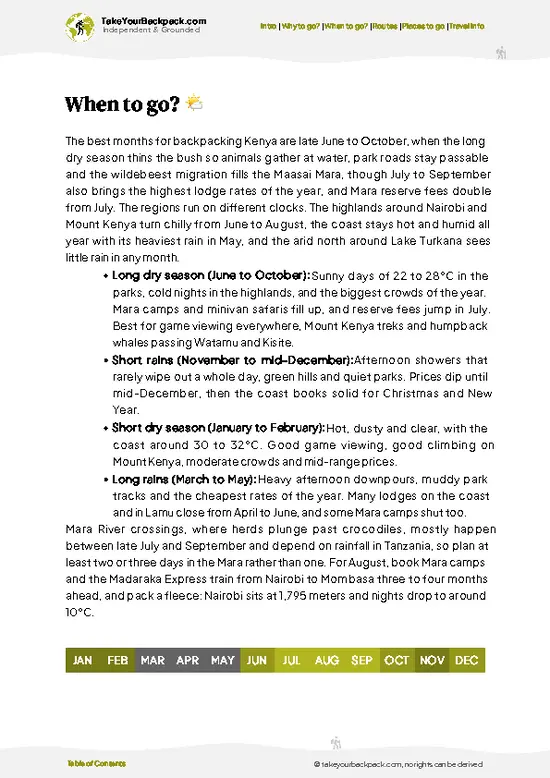
source: climatestotravel.comJANJanuary: excellent for travelingFEBFebruary: excellent for travelingMARMarch: good for travelingAPRApril: fair for travelingMAYMay: fair for travelingJUNJune: highly recommended for travelingJULJuly: highly recommended for travelingAUGAugust: highly recommended for travelingSEPSeptember: highly recommended for travelingOCTOctober: highly recommended for travelingNOVNovember: good for travelingDECDecember: good for traveling
kenya-attraction-fort-jesus-museum
© Google |

✈️ The backpacker research shortcutKenya Travel Guide

An offline-friendly backpacking guide with optimized travel routes, ranked highlights, transport advice, and the best areas to stay.
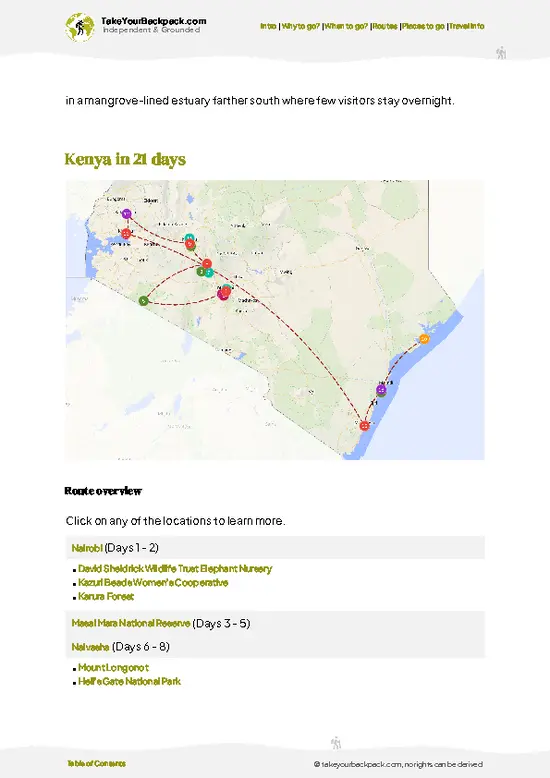
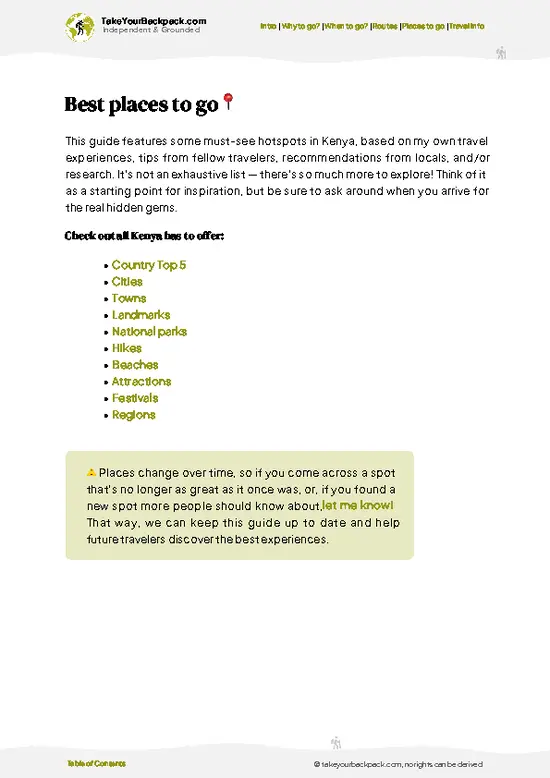
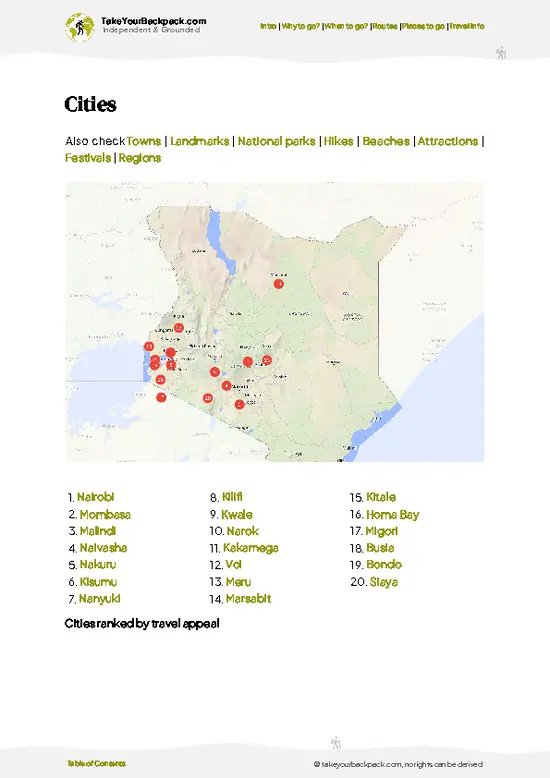
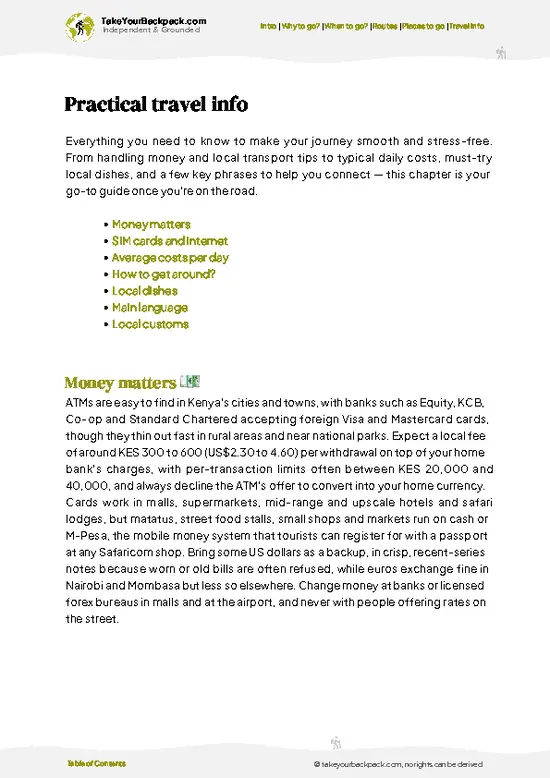
example page 0 from our offline Travel Guide for Kenyaexample page 1 from our offline Travel Guide for Kenyaexample page 2 from our offline Travel Guide for Kenyaexample page 3 from our offline Travel Guide for Kenyaexample page 4 from our offline Travel Guide for Kenyaexample page 5 from our offline Travel Guide for Kenya
The digital guide (370 pages) contains:
114 highlights, ranked by travel appeal
Optimized 7, 14 & 21-day travel routes
Best neighborhoods to stay
How to get around
Offline-friendly for travel without Wi-Fi
👉 See all 30+ guide features

📅 Plan smarter in minutes, not weeks
Month by month travel advice
Festivals & national holidays
Budget expectations

🗺️ Go to the right places, skip the overrated ones
Honest pros & cons of destinations
Top hikes, parks & viewpoints
Lesser-known places most travelers miss
Clear “worth it vs skip it” guidance

🛏️ Travel smoothly without rookie mistakes
Best areas to stay
Transport systems explained simply
Common scams & safety advice
SIM cards, money & practical tips

🌍 Understand the country, not just visit it
Culture & traditions
52 Essential phrases & customs
Festivals worth planning around
Traveler-friendly historical context
Insights that make places more meaningful

📱 Built for real travel conditions
Fully downloadable PDF
Works completely offline
Optimized for phone use
Useful in remote areas & buses
Everything in one place
Save weeks of stressful planning
Get instant access to the full guide directly. 30-day money-back guarantee.


Sent to your inbox immediately after payment • 100% Secure Checkout
Best Backpacking Travel Advisor 2025 tourism awardBest Backpacking
Travel Advisor
2025
What others say about Take Your Backpack Guides:
⭐⭐⭐⭐⭐
Fantastic, amazing amount of information!
⭐⭐⭐⭐⭐
My goodness this is amazing, it's what I've been looking for hats off too you!
⭐⭐⭐⭐⭐
I think this is absolutely BRILLIANT
⭐⭐⭐⭐
Very complete and informative. It's still missing places, but I gotta to commend you
⭐⭐⭐⭐⭐
This is truly amazing, thank you, can't wait to explore it with my kids!
⭐⭐⭐⭐⭐
Awesome resource, thank you!
⭐⭐⭐⭐⭐
This is amazing! Can't wait to explore the ones I haven't seen
⭐⭐⭐⭐
I love this! Well done, great idea.
⭐⭐⭐⭐⭐
Thanks for taking the time to make this gem!
⭐⭐⭐⭐⭐
This might be the best website I've ever seen.
⭐⭐⭐⭐⭐
Congratulations, and thank you so much for your work; it's incredibly valuable.
⭐⭐⭐⭐
In all seriousness I think you did a great job pointing out the important spots
⭐⭐⭐⭐⭐
10/10 very good
⭐⭐⭐⭐⭐
As someone who's only just starting to visit regularly this is awesome, thank you.
⭐⭐⭐⭐
Thank you very much! I'm going to visit my dad, it's going to be very useful!
⭐⭐⭐⭐⭐
This is really cool! We'll be travelling for the first time and this definitely come in handy.
⭐⭐⭐⭐⭐
You are now our minister of culture, congratulations 👨‍💼
⭐⭐⭐⭐⭐
Just wanted to tell you that this is a pearl! Going to follow your recommendations.
⭐⭐⭐⭐⭐
This is so cool. I'll definitely be using the resource for my travels soon.
⭐⭐⭐⭐⭐
This is very impressive! Good work.
⭐⭐⭐⭐⭐
This is an amazing and informative site. Very well done!

🛏️ Where to stay?Best areas and accommodation options

If you’re heading to Fort Jesus Museum in Mombasa, brace yourself for the reality: this spot draws crowds, especially midday when tour groups swarm the fort’s walls. It’s not some secret hideaway where you’ll have the place to yourself. The entrance fee isn’t a steal either, but that’s part of the deal for a site that’s a UNESCO World Heritage treasure with centuries of history packed into its coral stone walls.

Now, where to crash? Forget the tourist-heavy beach resorts miles away. The real backpacker vibe is in the Old Town area, just a short walk from Fort Jesus. This neighborhood is a maze … read more 👉
If you’re heading to Fort Jesus Museum in Mombasa, brace yourself for the reality: this spot draws crowds, especially midday when tour groups swarm the fort’s walls. It’s not some secret hideaway where you’ll have the place to yourself. The entrance fee isn’t a steal either, but that’s part of the deal for a site that’s a UNESCO World Heritage treasure with centuries of history packed into its coral stone walls.

Now, where to crash? Forget the tourist-heavy beach resorts miles away. The real backpacker vibe is in the Old Town area, just a short walk from Fort Jesus. This neighborhood is a maze of narrow streets, buzzing markets, and street food stalls that serve up authentic Swahili flavors without the inflated prices you’ll find in the tourist zones. It’s safe enough if you stick to the main roads and keep your wits about you after dark. Plus, Old Town is where you’ll meet other travelers who are here for the culture, not just the Instagram shot.

Another solid option is the Makadara district, a bit further out but known for affordable guesthouses and a more local feel. It’s less polished but more real, with easy access to public transport if you want to explore beyond the fort.

Bottom line: Stay close to Fort Jesus in Old Town or Makadara if you want safety, social scenes, and a genuine taste of Mombasa life without blowing your budget. Skip the flashy beachfront hotels unless you’re ready to pay for the postcard.

👛 Costs (as of 2 October 2025)Money, prices, and spending tips

As of the most recent estimates, the entrance fee for Fort Jesus Museum in Mombasa, Kenya, is as follows: Non-resident adults: KES 1,200 (approximately €10); Non-resident children: KES 600 (approximately €5). Additional costs may include guided tours, which are highly recommended to enhance your experience. The museum is open daily from 8:00 AM to 6:00 PM, including public holidays.

source: museums.or.ke
⚠️ Prices can change and everyone travels differently, so take this as a rough guide. Hope it helps you plan your adventure!

Other Kenyan attractions near Fort Jesus Museum

Explore more nearby:


👉 Discover all attractions

Or checkout all Kenya has to offer (think cities, towns, villages, national parks, hikes, beaches, festivals)
Country photo of Kenya
film
0
0
0a
David Sheldrick Wildlife Trust Elephant Nursery
film
1
1
1a
Giraffe Centre
film
2
2
2a
Lamu Museum
film
3
3
3a
Karen Blixen Museum
film
4
4
4a
Nairobi National Museum
film
5
5
5a
Gede Ruins Museum
film
6
6
6a
Lamu Fort
film
7
7
7a
Bomas of Kenya

We 💚 feedbackFinal thoughts on visiting Fort Jesus Museum

Fort Jesus Museum isn’t some quiet, untouched relic—expect crowds, especially midday, and a ticket price that feels a bit steep for Kenya. But here’s the kicker: once you push past the tourist buzz, the fort’s walls tell a raw story of clashing empires and survival that hits deeper than any glossy postcard. The real magic is in the details—the weathered Portuguese cannons, the intricate Swahili architecture, and the way the ocean breeze carries centuries of history. Go early, soak it in, and skip the selfie frenzy.

✍️ Help improve this page!
The information on this page is based on in-depth research, insights shared by experienced travelers, and feedback from the local travel community in Kenya. While every effort is made to keep the information accurate and current, conditions can change — so if you spot anything incorrect or outdated, please get in touch.


🙋‍♂️ Give feedback

👋 Meet the founderWho’s Behind Take Your Backpack?

Johan, backpacker and founder of TakeYourBackpackHi, I’m Johan (Netherlands 🇳🇱), the creator of TakeYourBackpack. Over the past decade, I’ve backpacked through 80+ countries across six continents, gaining extensive experience with independent travel, long-term trips, and overland routes.

This site is built on a combination of firsthand travel experience and carefully curated insights from other backpackers. Many guides are based on places I’ve personally visited, while others bring together tips, observations, and practical advice shared by trusted travelers I’ve met along the way.

The goal is to provide realistic, experience-driven guidance — not generic itineraries — so you can explore destinations with better context, clearer expectations, and more confidence.

Get Full Country Guide |
Instant download • 114 highlights • Full Offline guide