×

Laos🇱🇦 | citiesSavannakhetFrench-era architecture, dinosaur museum, riverside promenade | things to do and best time to go

Explore PakseExplore Vientiane

Backpacking in Savannakhet
👌 Worth visitingcity ranked #3
By Johan Kruseman 🇳🇱 | Updated June 6, 2026

Everyone talks about Savannakhet as a visa-run stop, but the stamp in your passport is the least interesting thing happening here; what matters more is how you use this slow, Mekong-side city to reset your pace, your budget, and your expectations of Laos. Sitting in southern Laos, roughly halfway between Vientiane and Pakse, Savannakhet is low-drama and low-pressure: colonial-era shophouses, a sleepy riverfront, a couple of small but decent museums, and Wat Xayaphoum giving you just enough “sightseeing” to justify a day or two. It’s cheap, safe, and easy to navigate, but buses can be slow and connections thinner than in Vientiane or Pakse. Nightlife is modest—think beer by the river, not big parties—so meeting other travelers takes more effort, usually around a few guesthouses and cafés. The vibe is mellow and slightly worn, better for reflection and writing your journal than chasing big-ticket attractions.

Discover everything you want to know in the 📖 Laos Travel Guide.


Get your Laos guide
80 ranked highlights, routes & tips, works offline (313 pages)
Loading the map 🌍
CLICK TO FILTER
cities
towns
villages
landmarks
national parks
hikes
beaches
attractions
festivals
regions
SHOW COUNTRY’S BESTSHOW ALL

✨ Why go?
Ranked #3 city in Laos
The unique appeal for travelers

Savannakhet is a strategic stop for backpackers weaving through Laos. It’s not just a place to rest; it’s a basecamp for day trips that unlock the region’s charm. The city offers a blend of affordable hostels and local eateries, making it easy to stretch your budget while indulging in authentic flavors. You can stroll through the walkable streets, soaking in the laid-back vibe, which is a refreshing change from busier tourist hubs.

Nightlife here is low-key but engaging, with a few bars where you can unwind and swap stories with fellow travelers. The ease of onward travel is another plus; whether you’re heading to Vietnam or deeper into Laos, connections are straightforward.

Savannakhet may not have the flashiest attractions, but it’s a high-value stop that allows you to recharge while … read more 👉
Savannakhet is a strategic stop for backpackers weaving through Laos. It’s not just a place to rest; it’s a basecamp for day trips that unlock the region’s charm. The city offers a blend of affordable hostels and local eateries, making it easy to stretch your budget while indulging in authentic flavors. You can stroll through the walkable streets, soaking in the laid-back vibe, which is a refreshing change from busier tourist hubs.

Nightlife here is low-key but engaging, with a few bars where you can unwind and swap stories with fellow travelers. The ease of onward travel is another plus; whether you’re heading to Vietnam or deeper into Laos, connections are straightforward.

Savannakhet may not have the flashiest attractions, but it’s a high-value stop that allows you to recharge while still feeling the pulse of local life. If you’re after a genuine experience without the tourist trap feel, this city fits the bill perfectly.
Want to include Savannakhet in your Laos route?
Create a personalized Laos itinerary that includes Savannakhet and the places that fit your trip — based on your travel style, budget, and available time. Get your route in seconds.

Generate my trip

💡 HighlightsTop highlights of Savannakhet

That Ing Hang Stupa
The spiritual heart of Savannakhet, this centuries-old Buddhist stupa draws both pilgrims and the simply curious. The stupa’s weathered, lichen-dappled surface tells its own story, and the surrounding grounds hum with local life—especially during festivals. Visit in the cool early morning for a quieter, more contemplative experience. Entry is free, but a small donation is appreciated. Expect to spend 30-45 minutes if you linger and soak up the atmosphere.


St. Teresa’s Catholic Church
A relic of French colonial days, this church stands out with its faded pastel façade and creaking wooden pews. It’s not just a photo stop—the church is still in use, and if you catch a service, you’ll hear hymns in Lao and French. The best time to visit is late afternoon, when the sunlight … read more 👉
That Ing Hang Stupa
The spiritual heart of Savannakhet, this centuries-old Buddhist stupa draws both pilgrims and the simply curious. The stupa’s weathered, lichen-dappled surface tells its own story, and the surrounding grounds hum with local life—especially during festivals. Visit in the cool early morning for a quieter, more contemplative experience. Entry is free, but a small donation is appreciated. Expect to spend 30-45 minutes if you linger and soak up the atmosphere.


St. Teresa’s Catholic Church
A relic of French colonial days, this church stands out with its faded pastel façade and creaking wooden pews. It’s not just a photo stop—the church is still in use, and if you catch a service, you’ll hear hymns in Lao and French. The best time to visit is late afternoon, when the sunlight slants through stained glass and the city’s heat has mellowed. Entry is free. Allow 20-30 minutes, or longer if you want to sit and reflect.


Dinosaur Museum (Savannakhet Provincial Museum)
This isn’t your average dusty provincial museum. Real dinosaur bones, unearthed from the region’s red earth, share space with local history exhibits. The displays are quirky, sometimes charmingly low-tech, but the fossils are the real deal. Open during standard business hours; best visited midday to escape the heat. Entry is around 10,000 kip. Budget 45-60 minutes if you’re a detail-hound, less if you just want to see the bones.


Old French Quarter
Not a single site, but a living neighborhood. The grid of crumbling colonial shophouses, faded signage, and slow-moving bicycles feels like a film set—except it’s real life. Wander at your own pace, ideally in the early evening when the air cools and street food carts roll out. Free to explore, but bring small bills for snacks or a cold drink. Give yourself 30-60 minutes, or more if you’re a photographer or people-watcher.


Talat Yen Plaza (Night Market)
This is where Savannakhet’s pulse is loudest. The night market isn’t huge, but it’s packed with grilled meats, sticky rice, and the kind of smoky, savory aromas that make you forget about jet lag. Locals outnumber tourists here. Go after sunset for the full effect. No entry fee; street food dishes run 10,000-20,000 kip. Plan for 45-90 minutes, depending on your appetite and curiosity.


Wat Sainyaphum
The city’s oldest active monastery, Wat Sainyaphum is a working temple, not a museum piece. Monks chant at dawn and dusk, and the grounds are dotted with intricate naga statues and murals. Visit at sunrise for a peaceful start, or late afternoon for golden light. Entry is free, but modest dress is required. 20-40 minutes is enough for most, but linger if you want to watch daily rituals.


Savannakhet’s city core is compact, so you can trade time for depth—walk everywhere, or rent a bike for a few dollars a day. If you want to stretch your legs further, the That Phon Stupa, Dong Natad Forest, and the old Lao Bao border market are all within easy day-trip range and offer a different slice of southern Laos.
Spotted a mistake or missing something? Contact us.

🏘️ NeighborhoodsNeighborhood guide to Savannakhet

Savannakhet offers a unique blend of culture and accessibility, making it a strategic stop for backpackers. Here’s how the neighborhoods stack up:

City Center: This is the heartbeat of Savannakhet. You’ll find a mix of budget guesthouses and local eateries. The vibe is lively, especially in the evenings when street food stalls come alive. Walkability is high, with most attractions within a short stroll. Perfect for short stays, but if you linger, the noise might wear on you.

Riverside: A tranquil escape along the Mekong. This area is ideal for those seeking peace and picturesque views. Guesthouses here are slightly pricier, but the ambiance is worth it. You can enjoy leisurely walks by the river, and it’s a great spot for sunset. It’s quieter at night, making it suitable for longer stays … read more 👉
Savannakhet offers a unique blend of culture and accessibility, making it a strategic stop for backpackers. Here’s how the neighborhoods stack up:

City Center: This is the heartbeat of Savannakhet. You’ll find a mix of budget guesthouses and local eateries. The vibe is lively, especially in the evenings when street food stalls come alive. Walkability is high, with most attractions within a short stroll. Perfect for short stays, but if you linger, the noise might wear on you.

Riverside: A tranquil escape along the Mekong. This area is ideal for those seeking peace and picturesque views. Guesthouses here are slightly pricier, but the ambiance is worth it. You can enjoy leisurely walks by the river, and it’s a great spot for sunset. It’s quieter at night, making it suitable for longer stays if you prefer a slower pace.

Old Quarter: Rich in history, this neighborhood is a treasure trove of colonial architecture. It’s less touristy, offering a more authentic experience. Costs are moderate, and you can easily navigate on foot. Nightlife is minimal, but you’ll find cozy cafes for evening relaxation. Great for those wanting to immerse themselves in local culture for a few days.

Market District: Bustling and vibrant, this area is where you’ll find the local market scene. Prices are low, and the energy is palpable. While it’s not the most walkable, it’s a hub for transport options. Ideal for short visits to soak in the local flavor, but not the best for peace and quiet.

⌛️ 1 dayA smart one-day plan

Savannakhet, Laos, is a city where the echoes of French colonial architecture meet the gentle flow of the Mekong River. It’s a place that invites you to slow down and soak in the local culture, making it perfect for a one-day adventure.

Start your morning at the lively morning market in the heart of the city. Here, the aroma of grilled meats and fresh herbs fills the air. Grab a bowl of khao piak sen, a comforting noodle soup that will fuel your exploration. After breakfast, stroll along the riverfront promenade, where you can watch fishermen casting their nets and locals enjoying their morning routines.

In the afternoon, head to the historic district, particularly around the iconic That Ing Hang Stupa. This sacred site is not just a stunning piece of architecture; it’s a hub of local … read more 👉
Savannakhet, Laos, is a city where the echoes of French colonial architecture meet the gentle flow of the Mekong River. It’s a place that invites you to slow down and soak in the local culture, making it perfect for a one-day adventure.

Start your morning at the lively morning market in the heart of the city. Here, the aroma of grilled meats and fresh herbs fills the air. Grab a bowl of khao piak sen, a comforting noodle soup that will fuel your exploration. After breakfast, stroll along the riverfront promenade, where you can watch fishermen casting their nets and locals enjoying their morning routines.

In the afternoon, head to the historic district, particularly around the iconic That Ing Hang Stupa. This sacred site is not just a stunning piece of architecture; it’s a hub of local spirituality. Spend some time here, absorbing the atmosphere and perhaps chatting with monks who are often open to sharing their insights. For a unique twist, venture to the nearby Savannakhet Dinosaur Museum. It’s a bit off the beaten path, but the quirky exhibits and local enthusiasm make it a delightful stop.

As the sun begins to set, make your way to the bustling streets of the city center. Here, you’ll find a variety of street food stalls. Try some grilled fish or spicy papaya salad while mingling with locals. For a more relaxed vibe, find a riverside café to sip on a cold Beerlao as the day winds down.

In Savannakhet, every moment is a chance to connect with the rhythm of life. You’ll leave not just with memories, but with a deeper understanding of this charming city.
Turn your Savannakhet visit into an Laos adventure
Build a complete Laos route with Savannakhet, hidden gems, must-see destinations, and realistic travel times included.

Generate my trip

🌤️ When to go?Weather, crowds, and seasonal trade-offs


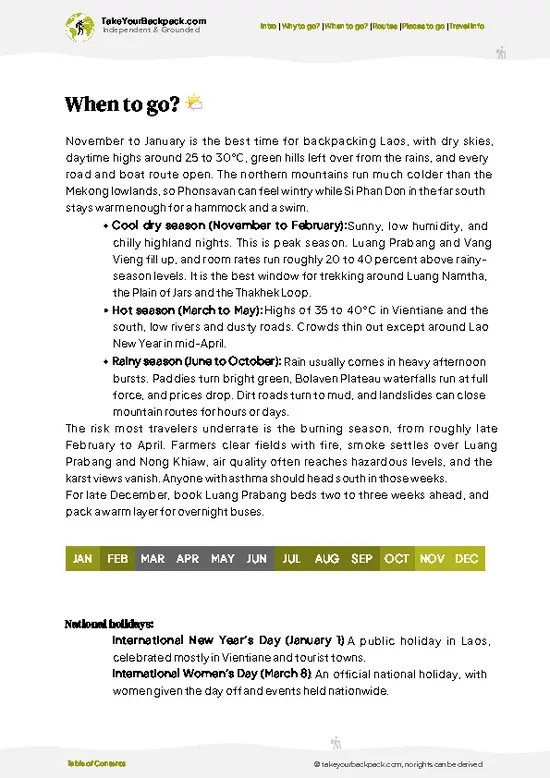
  • Topic: Weather – Savannakhet’s dry season from November to February offers clear skies and minimal rain, making it ideal for trekking and exploring. The wet season (May to October) brings heavy rains that can turn dirt roads into mud traps, slowing travel and dampening plans.

  • Topic: Temperature – During the dry season, daytime highs hover around 25-30°C (77-86°F), with cooler nights dropping to 15-20°C (59-68°F). The wet season heats up to 30-35°C (86-95°F), paired with high humidity that can sap your energy fast.

  • Topic: Daylight Hours – Daylight remains fairly consistent year-round, roughly 11-12 hours daily. This steady rhythm means you can plan activities without worrying about drastic shifts in sunset times.

  • Topic: Crowds – Tourist numbers peak in the dry season, especially December
read more 👉

  • Topic: Weather – Savannakhet’s dry season from November to February offers clear skies and minimal rain, making it ideal for trekking and exploring. The wet season (May to October) brings heavy rains that can turn dirt roads into mud traps, slowing travel and dampening plans.

  • Topic: Temperature – During the dry season, daytime highs hover around 25-30°C (77-86°F), with cooler nights dropping to 15-20°C (59-68°F). The wet season heats up to 30-35°C (86-95°F), paired with high humidity that can sap your energy fast.

  • Topic: Daylight Hours – Daylight remains fairly consistent year-round, roughly 11-12 hours daily. This steady rhythm means you can plan activities without worrying about drastic shifts in sunset times.

  • Topic: Crowds – Tourist numbers peak in the dry season, especially December and January, when Southeast Asia’s backpacker trail buzzes. Expect more guesthouse competition and busier local markets.

  • Topic: Seasonal Activities – The dry months align with festivals like That Phanom Festival nearby, adding cultural depth. The wet season’s lush greenery is a draw for nature lovers but comes with logistical headaches.

  • Topic: Price Fluctuations – Accommodation and transport costs spike during the dry season’s peak months. The wet season offers bargains but at the expense of comfort and accessibility.


Pro-tip: Target the shoulder months of November or February to balance pleasant weather, manageable crowds, and better prices—your sweet spot for a savvy Savannakhet visit.


source: climatestotravel.comJANJanuary: highly recommended for travelingFEBFebruary: excellent for travelingMARMarch: good for travelingAPRApril: fair for travelingMAYMay: fair for travelingJUNJune: fair for travelingJULJuly: fair for travelingAUGAugust: fair for travelingSEPSeptember: fair for travelingOCTOctober: fair for travelingNOVNovember: excellent for travelingDECDecember: highly recommended for traveling
laos-city-savannakhet
© Google |

✈️ The backpacker research shortcutLaos Travel Guide

An offline-friendly backpacking guide with optimized travel routes, ranked highlights, transport advice, and the best areas to stay.
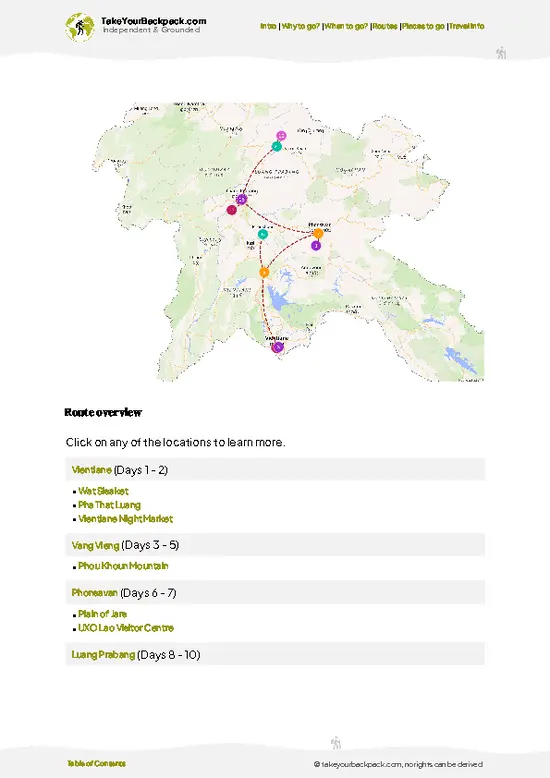
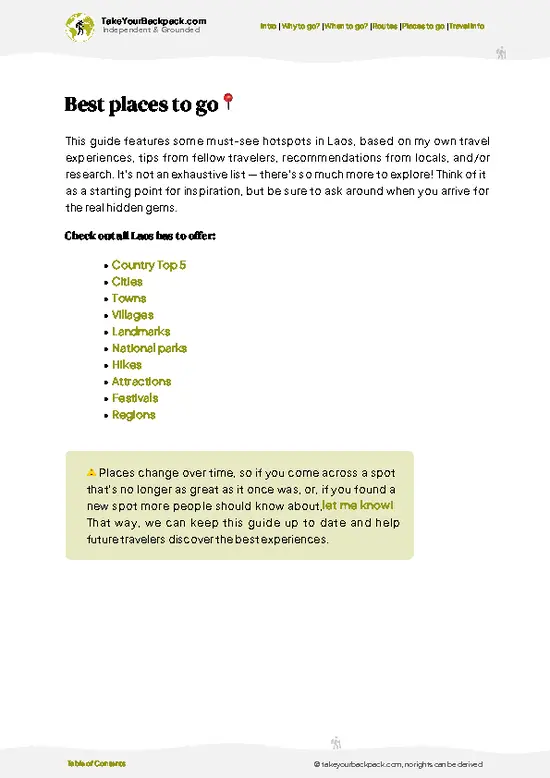
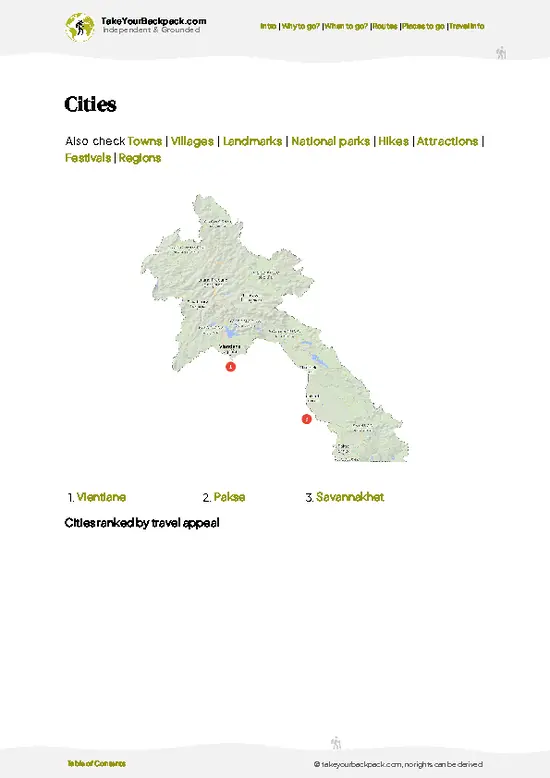
example page 0 from our offline Travel Guide for Laos
example page 1 from our offline Travel Guide for Laos
example page 2 from our offline Travel Guide for Laos
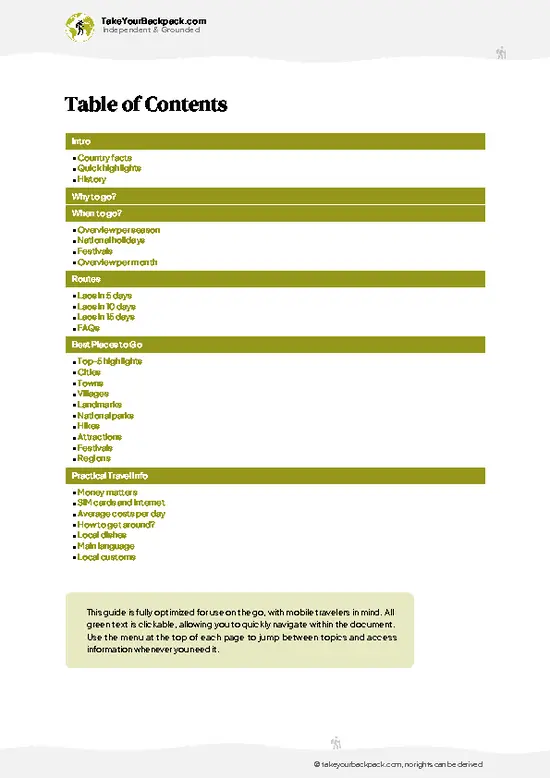
example page 3 from our offline Travel Guide for Laos
example page 4 from our offline Travel Guide for Laos
example page 5 from our offline Travel Guide for Laos
example page 6 from our offline Travel Guide for Laos
example page 7 from our offline Travel Guide for Laos
The digital guide (313 pages) contains:
80 highlights, ranked by travel appeal
Optimized 5, 10 & 15-day travel routes
Cities, national parks, landmarks, beaches
How to get around
Offline-friendly for travel without Wi-Fi
👉 Click to see all 30+ guide features

📅 Plan smarter in minutes, not weeks
Month by month travel advice
Festivals & national holidays
Budget expectations

🗺️ Go to the right places, skip the overrated ones
Honest pros & cons of destinations
Top hikes, parks & viewpoints
Lesser-known places most travelers miss
Clear “worth it vs skip it” guidance

🛏️ Travel smoothly without rookie mistakes
Best areas to stay
Transport systems explained simply
Common scams & safety advice
SIM cards, money & practical tips

🌍 Understand the country, not just visit it
Culture & traditions
52 Essential phrases & customs
Festivals worth planning around
Traveler-friendly historical context
Insights that make places more meaningful

📱 Built for real travel conditions
Fully downloadable PDF
Works completely offline
Optimized for phone use
Useful in remote areas & buses
Everything in one place
Save weeks of stressful planning
Get instant access to your full guide. 30‑day money-back guarantee.


By proceeding you agree to our terms.
Sent to your inbox immediately after payment • 100% Secure Checkout
Best Backpacking Travel Advisor 2025 tourism awardBest Backpacking
Travel Advisor
2025
What others say about Take Your Backpack Guides:
⭐⭐⭐⭐⭐
Fantastic, amazing amount of information!
⭐⭐⭐⭐⭐
My goodness this is amazing, it's what I've been looking for hats off too you!
⭐⭐⭐⭐⭐
I think this is absolutely BRILLIANT
⭐⭐⭐⭐
Very complete and informative. It's still missing places, but I gotta to commend you
⭐⭐⭐⭐⭐
This is truly amazing, thank you, can't wait to explore it with my kids!
⭐⭐⭐⭐⭐
Awesome resource, thank you!
⭐⭐⭐⭐⭐
This is amazing! Can't wait to explore the ones I haven't seen
⭐⭐⭐⭐
I love this! Well done, great idea.
⭐⭐⭐⭐⭐
Thanks for taking the time to make this gem!
⭐⭐⭐⭐⭐
This might be the best website I've ever seen.
⭐⭐⭐⭐⭐
Congratulations, and thank you so much for your work; it's incredibly valuable.
⭐⭐⭐⭐
In all seriousness I think you did a great job pointing out the important spots
⭐⭐⭐⭐⭐
10/10 very good
⭐⭐⭐⭐⭐
As someone who's only just starting to visit regularly this is awesome, thank you.
⭐⭐⭐⭐
Thank you very much! I'm going to visit my dad, it's going to be very useful!
⭐⭐⭐⭐⭐
This is really cool! We'll be travelling for the first time and this definitely come in handy.
⭐⭐⭐⭐⭐
You are now our minister of culture, congratulations 👨‍💼
⭐⭐⭐⭐⭐
Just wanted to tell you that this is a pearl! Going to follow your recommendations.
⭐⭐⭐⭐⭐
This is so cool. I'll definitely be using the resource for my travels soon.
⭐⭐⭐⭐⭐
This is very impressive! Good work.
⭐⭐⭐⭐⭐
This is an amazing and informative site. Very well done!

🛏️ Where to stay?Best areas to stay in Laos

In Savannakhet, the sweet spot for backpackers is the area around the Mekong Riverfront and the adjacent Old Town district. This zone nails the balance between safety, social buzz, and budget-friendly options. Staying near the river means you’re steps away from lively night markets, street food stalls, and a handful of hostels where solo travelers naturally gravitate. The vibe here is relaxed but engaging—think easy conversations over a cold Beerlao, not the chaotic party scenes you find in bigger cities.

Compared to the quieter, more residential neighborhoods inland, the riverfront area offers … read more 👉
In Savannakhet, the sweet spot for backpackers is the area around the Mekong Riverfront and the adjacent Old Town district. This zone nails the balance between safety, social buzz, and budget-friendly options. Staying near the river means you’re steps away from lively night markets, street food stalls, and a handful of hostels where solo travelers naturally gravitate. The vibe here is relaxed but engaging—think easy conversations over a cold Beerlao, not the chaotic party scenes you find in bigger cities.

Compared to the quieter, more residential neighborhoods inland, the riverfront area offers a clear advantage: it’s compact and walkable, so you save time and money on transport. Hostels here tend to be small, cozy, and social hubs rather than sprawling dormitory factories, which means you’re more likely to meet fellow travelers without sacrificing comfort.

If you stray too far from this core, you’ll find fewer budget options and less of that communal energy that makes backpacking fun. The Old Town’s colonial architecture and local eateries add character without hiking up costs or forcing you into tourist traps. In short, this area lets you maximize your experience by cutting down on travel hassle and boosting your chances of connecting with others—all while keeping your wallet intact.

🚌 Getting aroundGetting around like a local

Savannakhet moves at its own pace, a blend of laid-back river town rhythm and bursts of market hustle. It’s not a city where you’ll find strict timetables etched in stone; instead, it’s a place where intuition and local cues guide your timing. The flow here is more about catching the right moment than racing against the clock. If you’re chasing efficiency, you’ll need to read the subtle signals—like when a tuk-tuk driver finally decides to roll or when the slow boat is ready to shove off. This isn’t a place for rigid schedules, but for savvy travelers who can balance patience with smart choices, the payoff is a trip that feels both authentic and well-managed.


  • Walking: The ultimate budget move. Savannakhet’s town center is compact enough to explore on foot, letting you soak in street life
read more 👉
Savannakhet moves at its own pace, a blend of laid-back river town rhythm and bursts of market hustle. It’s not a city where you’ll find strict timetables etched in stone; instead, it’s a place where intuition and local cues guide your timing. The flow here is more about catching the right moment than racing against the clock. If you’re chasing efficiency, you’ll need to read the subtle signals—like when a tuk-tuk driver finally decides to roll or when the slow boat is ready to shove off. This isn’t a place for rigid schedules, but for savvy travelers who can balance patience with smart choices, the payoff is a trip that feels both authentic and well-managed.


  • Walking: The ultimate budget move. Savannakhet’s town center is compact enough to explore on foot, letting you soak in street life without spending a kip. It’s free, flexible, and perfect for spontaneous detours, but not ideal if you’re hauling heavy gear or pressed for time.


  • Tuk-Tuk: The go-to for short hops and quick errands. Prices hover around 10,000–20,000 kip per ride, negotiable if you’re savvy. Tuk-tuks don’t run on a fixed schedule—they leave when full or when the driver feels like it, so expect some waiting. Comfortable enough for a few kilometers, but bumpy roads and open sides mean you’re trading comfort for speed and local flavor.


  • Songthaew (Shared Pickup Truck): A budget-friendly middle ground between tuk-tuks and buses. Songthaews run routes between the town center and outskirts or nearby villages, usually starting early morning until late afternoon. Fares are cheap, around 15,000 kip, and while they’re slower and less comfortable than private taxis, they offer a genuine local experience. Timing is flexible but expect waits and occasional detours for other passengers.


  • Local Bus: For longer distances, like heading to the border or neighboring towns, local buses are the most economical choice. They run on rough schedules—usually early morning departures—but delays are common. Tickets cost between 20,000 and 40,000 kip depending on distance. These buses are basic, often crowded, and slow, so you’re sacrificing comfort and punctuality for price.


  • Motorbike Rental: If you want full control over your schedule and routes, renting a motorbike is a smart investment. Daily rates start around 80,000 kip. It’s faster than public transport and lets you explore beyond the town’s limits, but it demands confidence and caution on uneven roads. Comfort is minimal, but freedom is maximized.


Savannakhet’s transit options form a clear trade-off triangle: you can save money by walking or hopping on shared rides, but you’ll sacrifice speed and sometimes comfort. Opting for private tuk-tuks or motorbikes buys you flexibility and time but at a higher cost. Understanding this balance lets you tailor your travel style—whether you want to stretch your budget or carve out more comfort and control—turning the city’s flow into a game you’re set to win.

👛 Costs (as of 18 April 2026)What things cost and how to budget

Backpacking in Savannakhet, Laos, offers a clear trade-off between cost and comfort, with prices that let you stretch your budget or indulge a bit without breaking the bank.
  • Dorm Accommodation (High Season): Expect to pay around $6 to $10 per night. This is when demand peaks, so prices edge up slightly, but you still get basic, clean dorms with fan or AC options.
  • Dorm Accommodation (Off-Season): Prices drop to about $4 to $7 per night. Fewer travelers mean better deals, and you can often negotiate a lower rate for longer stays.
  • Meals: Street food and local eateries dominate here. A typical meal costs between $1.50 and $3.50. If you opt for a mix of street food and occasional sit-down meals, budget around $6 to $10 daily for food.
  • Local Transport: Tuk-tuks and motorbike taxis rule the streets.
read more 👉
Backpacking in Savannakhet, Laos, offers a clear trade-off between cost and comfort, with prices that let you stretch your budget or indulge a bit without breaking the bank.
  • Dorm Accommodation (High Season): Expect to pay around $6 to $10 per night. This is when demand peaks, so prices edge up slightly, but you still get basic, clean dorms with fan or AC options.
  • Dorm Accommodation (Off-Season): Prices drop to about $4 to $7 per night. Fewer travelers mean better deals, and you can often negotiate a lower rate for longer stays.
  • Meals: Street food and local eateries dominate here. A typical meal costs between $1.50 and $3.50. If you opt for a mix of street food and occasional sit-down meals, budget around $6 to $10 daily for food.
  • Local Transport: Tuk-tuks and motorbike taxis rule the streets. Short rides usually cost $1 to $2. For getting around town multiple times a day, set aside about $3 to $5.
  • City Transport Pass: Savannakhet doesn’t have a formal city transport pass system. Instead, rely on individual tuk-tuk rides or renting a bicycle for about $3 to $5 per day.
  • Basic Activities/Entry Fees: Visiting local temples, museums, or small attractions typically costs $1 to $3 per site. Budget around $5 to $8 daily if you plan to explore actively.
  • Miscellaneous Expenses: This covers bottled water, snacks, occasional coffee, or small souvenirs. Around $2 to $4 daily is a reasonable buffer.

Savannakhet’s daily backpacking budget ranges roughly from $20 on the lean side to about $35 if you want a bit more comfort and activity. The key trade-off here is between spending on accommodation and how much you want to move around or explore. Knowing this lets you tailor your trip precisely—whether you’re pinching pennies or splurging smartly.


source: tourismlaos.org
⚠️ Prices can change and everyone travels differently, so take this as a rough guide. Hope it helps you plan your adventure!

🚌 Day tripsExploring the surroundings

Savannakhet, Laos, is a backpacker’s dream base for day trips, offering a blend of culture, nature, and adventure without breaking the bank. Here are some standout options that make the most of your time and money.

**Buddha Park**
Just a short 30-minute ride from Savannakhet, this quirky park is home to over 200 Buddhist and Hindu statues, including a massive reclining Buddha. The surreal atmosphere invites you to wander and reflect, making it a perfect spot for some unique photos. Entry is free, but you might want to budget for a drink at the nearby café. The best time to visit is early morning to avoid the heat and crowds. A common mistake? Rushing through without taking the time to soak in the bizarre artistry.


**Dong Natad National Park**
About an hour’s drive from Savannakhet, … read more 👉
Savannakhet, Laos, is a backpacker’s dream base for day trips, offering a blend of culture, nature, and adventure without breaking the bank. Here are some standout options that make the most of your time and money.

**Buddha Park**
Just a short 30-minute ride from Savannakhet, this quirky park is home to over 200 Buddhist and Hindu statues, including a massive reclining Buddha. The surreal atmosphere invites you to wander and reflect, making it a perfect spot for some unique photos. Entry is free, but you might want to budget for a drink at the nearby café. The best time to visit is early morning to avoid the heat and crowds. A common mistake? Rushing through without taking the time to soak in the bizarre artistry.


**Dong Natad National Park**
About an hour’s drive from Savannakhet, this park is a haven for nature lovers. With lush forests and cascading waterfalls, it’s ideal for hiking and picnicking. The entrance fee is minimal, around $2, and you can easily spend a full day exploring the trails. The rainy season (May to October) brings vibrant greenery, but be cautious of slippery paths. Many first-timers underestimate the park’s size and miss out on hidden trails.


**Thakhek Loop**
While the full loop is a multi-day adventure, you can tackle a segment in a day. Rent a motorbike for around $5 and head out to explore stunning limestone karsts and rural villages. The ride can take about 3-4 hours round trip, depending on how many stops you make. Budget for gas and snacks, and don’t forget your camera. The dry season (November to February) offers the best riding conditions. A common pitfall is not checking your bike before you leave; a flat tire can ruin your day.
👉 Explore Thakhek Loop

**Savan-Seno Market**
For a taste of local life, spend a few hours at this bustling market, just 10 minutes from the city center. Here, you can sample street food, shop for handmade crafts, and soak in the vibrant atmosphere. Bring around $5 for snacks and small purchases. The market is most lively in the morning, so plan to arrive early. First-timers often miss the best food stalls tucked away in corners, so keep your eyes peeled.
Want to know what more Laos offers?
The Laos Travel Guide describes 80 highlights, from cities to national parks, from beaches to hikes

Get the Travel Guide -

🍲 FoodWhat to Eat & Drink

In Savannakhet, **food** is a vibrant tapestry of flavors that tells the story of the region. You can’t miss trying **Larb**, a zesty minced meat salad that packs a punch with lime and herbs. Pair it with **sticky rice**, a staple that’s not just a side but a way of life here. The locals often eat it with their hands, so dive in and embrace the experience.

Street food stalls are where the magic happens. The **night market** buzzes with sizzling sounds and enticing aromas. Grab a bowl of **Pho**, the fragrant noodle soup that warms the soul, or sample **Khao Piak Sen**, a comforting rice noodle soup that’s perfect for any time of day.

When it comes to drinks, don’t overlook **Lao Beer**. It’s a local favorite, often enjoyed in the company of friends at casual bars or along the Mekong River. … read more 👉
In Savannakhet, **food** is a vibrant tapestry of flavors that tells the story of the region. You can’t miss trying **Larb**, a zesty minced meat salad that packs a punch with lime and herbs. Pair it with **sticky rice**, a staple that’s not just a side but a way of life here. The locals often eat it with their hands, so dive in and embrace the experience.

Street food stalls are where the magic happens. The **night market** buzzes with sizzling sounds and enticing aromas. Grab a bowl of **Pho**, the fragrant noodle soup that warms the soul, or sample **Khao Piak Sen**, a comforting rice noodle soup that’s perfect for any time of day.

When it comes to drinks, don’t overlook **Lao Beer**. It’s a local favorite, often enjoyed in the company of friends at casual bars or along the Mekong River. You’ll find people gathering to share stories and laughter, a true reflection of the community spirit.

Etiquette is simple: be respectful and friendly. If you’re invited to share a meal, it’s customary to accept. This isn’t just about food; it’s about connection. So, savor each bite and sip, and let the flavors of Savannakhet enrich your journey.

🛡️ SafetySafety Tips and Common Scams in Savannakhet

Savannakhet is generally safe, but a few smart habits can enhance your experience. Stick to well-lit areas at night, especially around the riverfront. While solo travel is common, keep your wits about you. Trust your instincts; if something feels off, it probably is.

Scams are rare, but watch for the occasional overzealous tuk-tuk driver. Agree on a fare before hopping in to avoid surprises. Street vendors can be persistent, but a polite “no, thank you” usually does the trick.

Be mindful of your belongings in crowded areas, especially near markets. Pickpocketing isn’t rampant, but it can happen. Carry your bag close and avoid flashy displays of wealth.

Overall, a calm demeanor and awareness of your surroundings will keep you in the clear. Embrace the local vibe, and you’ll find Savannakhet to be a welcoming place.

Other Laotian cities near Savannakhet

Explore more nearby:

  • Pakse—Mekong confluence, market bustle, Bolaven Plateau gateway| 197 km away
  • Champasak—Wat Phou ruins, Mekong views, colonial villas| 220 km away
  • Vientiane—Laotian temples, riverside sunset, diplomatic quarter| 275 km away

💡 Not sure where to go next?
Create a personalized itinerary for Laos including Savannakhet and the places that fit your trip.

Generate my itinerary

👉 Discover all cities

Or checkout all Laos has to offer (think cities, towns, villages, national parks, hikes, beaches, festivals)
Country photo of Laos

We 💚 feedbackParting advice and final tips

Savannakhet has this laid-back vibe that feels like a secret you’ve stumbled upon. The best surprise? The local food scene—don’t miss the street vendors serving up steaming bowls of pho that’ll make your taste buds dance. But a heads-up: the heat can be relentless, so plan your outdoor adventures for early morning or late afternoon. Embrace the slower pace, and you’ll find the charm in every corner. It’s a place where time feels like it’s on your side.

✍️ Help improve this page!
The information on this page is based on in-depth research, insights shared by experienced travelers, and feedback from the local travel community in Laos. While every effort is made to keep the information accurate and current, conditions can change — so if you spot anything incorrect or outdated, please get in touch.


🙋‍♂️ Give feedback

👋 Meet the founderWho’s Behind Take Your Backpack?

Johan, backpacker and founder of TakeYourBackpackHi, I’m Johan (Netherlands 🇳🇱), the creator of TakeYourBackpack. Over the past decade, I’ve backpacked through 80+ countries across six continents, gaining extensive experience with independent travel, long-term trips, and overland routes.

This site is built on a combination of firsthand travel experience and carefully curated insights from other backpackers. Many guides are based on places I’ve personally visited, while others bring together tips, observations, and practical advice shared by trusted travelers I’ve met along the way.

The goal is to provide realistic, experience-driven guidance — not generic itineraries — so you can explore destinations with better context, clearer expectations, and more confidence.

Get full Laos guide •
Instant download • 80 highlights • Full Offline guide