×

Laos🇱🇦 | citiesPakseMekong confluence, market bustle, Bolaven Plateau gateway | things to do and best time to go

Explore ChampasakExplore Savannakhet

Backpacking in Pakse
🌟 Highlightcity ranked #2
By Johan Kruseman 🇳🇱 | Updated June 17, 2026

Pakse is not for anyone chasing a picture-perfect old town, wild party scene, or big-city buzz; you’ll be bored if you need constant stimulation on your doorstep. But for backpackers who treat cities as launchpads, Pakse quietly earns its place. Down in southern Laos, near the Thai and Cambodian borders, it’s the main springboard for the Bolaven Plateau loop and the 4,000 Islands, with a compact center that’s easy to navigate on foot or by cheap tuk-tuk. The town itself is low-rise and a bit scruffy, with a few French-era buildings, Wat Luang, a riverside promenade, and a modest night market that’s more local hangout than spectacle. It’s safe, relaxed, and cheaper than Vientiane or Luang Prabang, but also less social; you meet other travelers mostly through motorbike rentals, hostels, and tour offices. The vibe: functional, calm, slightly sleepy—logistics first, charm second.

Discover everything you want to know in the 📖 Laos Travel Guide.


Get your Laos guide
80 ranked highlights, routes & tips, works offline (313 pages)
Loading the map 🌍
CLICK TO FILTER
cities
towns
villages
landmarks
national parks
hikes
beaches
attractions
festivals
regions
SHOW COUNTRY’S BESTSHOW ALL

✨ Why go?
Ranked #2 city in Laos
What sets this place apart

Pakse is a strategic basecamp for backpackers navigating southern Laos. It’s not just a stopover; it’s a launchpad for day trips into stunning landscapes. The city’s walkability makes it easy to explore local markets and street food stalls, where you can savor authentic Laotian dishes without breaking the bank.

Accommodations range from budget-friendly hostels to cozy guesthouses, catering to every traveler’s comfort level. This variety allows you to choose how much you want to spend, balancing money and comfort effectively.

The nightlife here is laid-back but vibrant, with a mix of local bars and cafes where you can unwind after a day of adventure. Plus, the easy onward travel options mean you can seamlessly continue your journey, whether you’re heading to the Bolaven Plateau or crossing … read more 👉
Pakse is a strategic basecamp for backpackers navigating southern Laos. It’s not just a stopover; it’s a launchpad for day trips into stunning landscapes. The city’s walkability makes it easy to explore local markets and street food stalls, where you can savor authentic Laotian dishes without breaking the bank.

Accommodations range from budget-friendly hostels to cozy guesthouses, catering to every traveler’s comfort level. This variety allows you to choose how much you want to spend, balancing money and comfort effectively.

The nightlife here is laid-back but vibrant, with a mix of local bars and cafes where you can unwind after a day of adventure. Plus, the easy onward travel options mean you can seamlessly continue your journey, whether you’re heading to the Bolaven Plateau or crossing into Thailand.

In essence, Pakse offers a blend of highlights and practicalities that make it a worthwhile stop. If you’re looking for a place that combines adventure with a sense of community, this city fits the bill perfectly. It’s not just a pit stop; it’s part of the journey.
Want to include Pakse in your Laos route?
Create a personalized Laos itinerary that includes Pakse and the places that fit your trip — based on your travel style, budget, and available time. Get your route in seconds.

Generate my trip

💡 HighlightsTop highlights of Pakse

  • Pakse Central Market (Talat Pakse) — The beating heart of the city: a chaotic, colorful market where you can watch locals shop, try fresh Mekong fish, buy Lao textiles and pick up cheap travel supplies. Great for people-watching and cheap, honest food.
  • Pakse Night Market (riverside night stalls) — Evening food stalls and handicraft vendors set up along the Mekong. It’s low-key, safe, and the place to sample local snacks, buy hand-stitched Lao silk items, and soak up riverfront nightlife without the tourist circus.
  • Mekong Riverfront Promenade — Walk the bank where the Xe Don meets the Mekong, watch the sunset, take a short boat trip, or catch a simple sunset cruise. The views and riverside life tell you more about Pakse than any brochure.
  • Wat Luang (the city’s main wat) — The most prominent
read more 👉
  • Pakse Central Market (Talat Pakse) — The beating heart of the city: a chaotic, colorful market where you can watch locals shop, try fresh Mekong fish, buy Lao textiles and pick up cheap travel supplies. Great for people-watching and cheap, honest food.
  • Pakse Night Market (riverside night stalls) — Evening food stalls and handicraft vendors set up along the Mekong. It’s low-key, safe, and the place to sample local snacks, buy hand-stitched Lao silk items, and soak up riverfront nightlife without the tourist circus.
  • Mekong Riverfront Promenade — Walk the bank where the Xe Don meets the Mekong, watch the sunset, take a short boat trip, or catch a simple sunset cruise. The views and riverside life tell you more about Pakse than any brochure.
  • Wat Luang (the city’s main wat) — The most prominent Buddhist temple in town: ornate stupas, calm courtyards and morning alms scenes. Visiting early gives you a real sense of local religious rhythm and good photo light without being a spectacle.
  • Neighborhood wats walking circuit — A short self-guided loop through smaller, less touristy temples scattered across town. These quiet spots reveal daily devotion, local murals, and temple life—great for slow wandering and small discoveries.
  • Champasak Provincial Museum — A compact local museum with exhibits on Champasak history, tribal cultures and regional archaeology. It’s not flashy, but the context it gives (before you head to Wat Phou or the plateau) is surprisingly useful.
  • Old French-colonial quarter — The riverside streets still have a handful of faded colonial façades, government buildings and ironwork balconies. Walk this area to feel the city’s colonial-era layers and find a decent café or two tucked among the buildings.
  • Pakse Cathedral (Sacred Heart / local Catholic church) — A reminder of the city’s multi-faith history and a calm, photogenic spot to see Catholic architecture blended with local details. Services and the grounds are usually accessible to visitors.
  • Old rail/bus station building and transportation hub — The small, slightly decaying station area is a real traveler’s set piece: bustling ticket counters, old signage, and quick access to regional buses—handy for people-watching and planning your next move.
  • Local coffee stalls and bean market (gateway to Bolaven coffee) — Pakse is the trade crossroads for Bolaven Plateau coffee. Visit the traders, roadside roasters and cafés to taste freshly roasted Lao coffee and learn how the region’s famous beans move through the city.
A few real, visitable highlights just outside Pakse that make perfect day trips include the UNESCO site Wat Phou, the waterfalls and coffee farms of the Bolaven Plateau (like Tad Fane), and the 4,000 Islands area (Si Phan Don) around Don Det/Don Khon.
Spotted a mistake or missing something? Contact us.

Things to do in Pakse

Ratings based on Tripadvisor reviews. When you book through this link, you support our work at no extra cost to you.

🏘️ NeighborhoodsKey areas and districts to know

Pakse is a gateway to adventure in southern Laos, blending laid-back charm with practical access to stunning landscapes. Here’s how the neighborhoods stack up for backpackers:

City Center
This is where the action is. The vibe is lively, with plenty of cafes and street food stalls. Costs are moderate, making it easy to find budget-friendly accommodations. Walkability is high; you can explore markets and temples on foot. Nightlife is casual, with bars that cater to both early birds and night owls. Perfect for short stays, but longer-term travelers will find it convenient for day trips.

Champasak
A bit quieter, this area offers a more relaxed atmosphere. It’s slightly more expensive but worth it for the cultural experiences. You’ll find beautiful temples and the Mekong River nearby. Walkability … read more 👉
Pakse is a gateway to adventure in southern Laos, blending laid-back charm with practical access to stunning landscapes. Here’s how the neighborhoods stack up for backpackers:

City Center
This is where the action is. The vibe is lively, with plenty of cafes and street food stalls. Costs are moderate, making it easy to find budget-friendly accommodations. Walkability is high; you can explore markets and temples on foot. Nightlife is casual, with bars that cater to both early birds and night owls. Perfect for short stays, but longer-term travelers will find it convenient for day trips.

Champasak
A bit quieter, this area offers a more relaxed atmosphere. It’s slightly more expensive but worth it for the cultural experiences. You’ll find beautiful temples and the Mekong River nearby. Walkability is decent, but you might need a bike or tuk-tuk for longer distances. Ideal for those seeking a peaceful retreat after a day of exploring. Great for longer stays if you want to soak in the local culture.

Bolaven Plateau
This is the adventure hub. Known for its waterfalls and coffee plantations, it’s a bit further out, so expect to spend more time commuting. Costs can vary, but you’ll find some budget options. The vibe is nature-focused, perfect for hiking and exploring. Not as walkable, but the scenery makes up for it. Best for longer stays if you want to dive deep into outdoor activities.

Wat Phu
A UNESCO site, this area is steeped in history. It’s quieter, with a more reflective atmosphere. Costs can be higher due to its significance, but the experience is unique. Walkability is limited, so plan for transport. Ideal for short visits focused on cultural immersion.

⌛️ 1 dayWhat you can realistically do in a day

Pakse, Laos, is a charming city that serves as a gateway to the Bolaven Plateau and the 4,000 Islands. It’s a blend of French colonial architecture, vibrant markets, and the Mekong River’s serene beauty. You can feel the pulse of local life here, making it an ideal spot for a day of exploration.

Start your morning at the bustling Dao Heuang Market. This isn’t just a place to grab breakfast; it’s a sensory overload of colors and sounds. Try a bowl of khao piak sen, a comforting noodle soup that will fuel your adventures. As you sip your coffee, take in the local hustle—vendors selling everything from fresh produce to handmade crafts.

After breakfast, stroll along the Mekong Riverfront. The riverbanks are lined with palm trees and offer a peaceful escape. Head towards Wat Phu Salao, a temple … read more 👉
Pakse, Laos, is a charming city that serves as a gateway to the Bolaven Plateau and the 4,000 Islands. It’s a blend of French colonial architecture, vibrant markets, and the Mekong River’s serene beauty. You can feel the pulse of local life here, making it an ideal spot for a day of exploration.

Start your morning at the bustling Dao Heuang Market. This isn’t just a place to grab breakfast; it’s a sensory overload of colors and sounds. Try a bowl of khao piak sen, a comforting noodle soup that will fuel your adventures. As you sip your coffee, take in the local hustle—vendors selling everything from fresh produce to handmade crafts.

After breakfast, stroll along the Mekong Riverfront. The riverbanks are lined with palm trees and offer a peaceful escape. Head towards Wat Phu Salao, a temple perched on a hill. The climb is worth it for the panoramic views of the city and the river. The temple itself is less touristy, allowing for a more intimate experience with the local culture.

In the afternoon, explore the historic district. Check out the old French colonial buildings, like the former governor’s mansion. This area has a laid-back vibe, perfect for wandering. Don’t miss the chance to visit the lesser-known Wat Luang, a temple that often flies under the radar but showcases stunning architecture and local devotion.

As evening approaches, make your way to the night market along the river. Here, you can sample local street food—grilled meats, sticky rice, and fresh fruit shakes. Grab a seat at one of the riverside stalls and watch the sunset paint the sky.

Pakse may not be on everyone’s radar, but its blend of culture, food, and scenic beauty makes it a high-value stop. Embrace the rhythm of the city, and you’ll leave with a sense of connection and discovery.
Turn your Pakse visit into an Laos adventure
Build a complete Laos route with Pakse, hidden gems, must-see destinations, and realistic travel times included.

Generate my trip

🌤️ When to go?Seasonal considerations and timing


  • Weather: Pakse’s climate is dominated by a tropical monsoon pattern. The dry season from November to April offers clear skies and minimal rain, making it ideal for trekking and exploring waterfalls. The wet season, May to October, floods trails and roads but paints the landscape lush and green.

  • Temperature: Expect daytime highs around 28-35°C (82-95°F) in the dry season, which is warm but manageable with shade and hydration. The wet season cools slightly but humidity spikes, pushing discomfort levels higher despite lower temps.

  • Daylight Hours: Daylight remains fairly consistent year-round, roughly 11 to 12 hours daily. This steadiness means you can plan hikes and excursions without worrying about drastic shifts in sunset times.

  • Crowds: Tourist numbers peak during the dry season, especially
read more 👉

  • Weather: Pakse’s climate is dominated by a tropical monsoon pattern. The dry season from November to April offers clear skies and minimal rain, making it ideal for trekking and exploring waterfalls. The wet season, May to October, floods trails and roads but paints the landscape lush and green.

  • Temperature: Expect daytime highs around 28-35°C (82-95°F) in the dry season, which is warm but manageable with shade and hydration. The wet season cools slightly but humidity spikes, pushing discomfort levels higher despite lower temps.

  • Daylight Hours: Daylight remains fairly consistent year-round, roughly 11 to 12 hours daily. This steadiness means you can plan hikes and excursions without worrying about drastic shifts in sunset times.

  • Crowds: Tourist numbers peak during the dry season, especially December and January, when Southeast Asian travelers flock to escape colder climates. This means more competition for budget accommodations and busier sites.

  • Seasonal Activities: The dry season unlocks outdoor adventures like Bolaven Plateau treks and river cruises. The wet season, while trickier for hiking, is prime for witnessing powerful waterfalls and vibrant rice paddies in full growth.

  • Price Fluctuations: Accommodation and transport costs rise during the dry season’s peak months. The wet season offers significant savings but demands flexibility due to occasional travel disruptions.


Pro-tip: Target the shoulder months of November or April to balance dry weather, fewer crowds, and better prices—maximizing comfort and value without sacrificing experience.


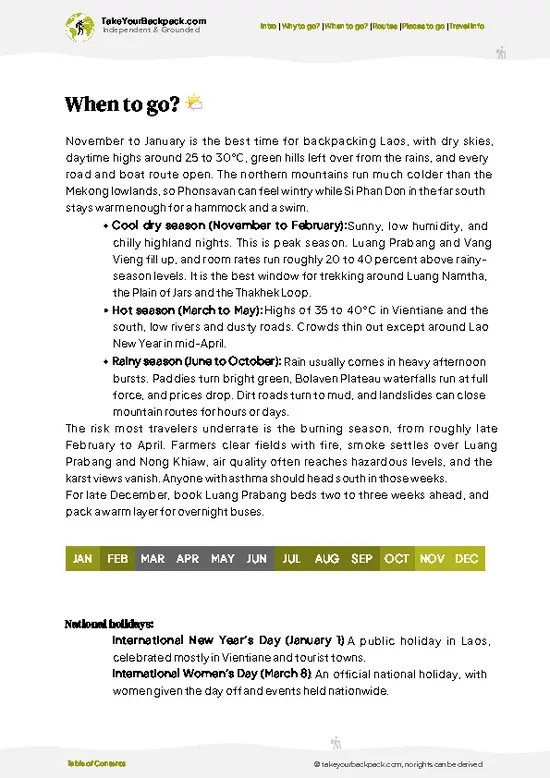
source: climatestotravel.comJANJanuary: highly recommended for travelingFEBFebruary: highly recommended for travelingMARMarch: highly recommended for travelingAPRApril: highly recommended for travelingMAYMay: fair for travelingJUNJune: fair for travelingJULJuly: fair for travelingAUGAugust: fair for travelingSEPSeptember: fair for travelingOCTOctober: fair for travelingNOVNovember: highly recommended for travelingDECDecember: highly recommended for traveling
when-to-go

✈️ The backpacker research shortcutLaos Travel Guide

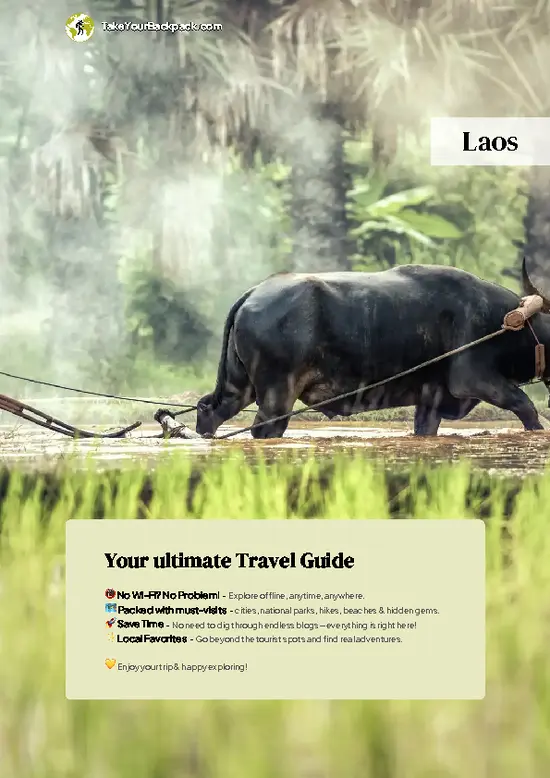
An offline-friendly backpacking guide with optimized travel routes, ranked highlights, transport advice, and the best areas to stay.
example page 0 from our offline Travel Guide for Laos
example page 1 from our offline Travel Guide for Laos
example page 2 from our offline Travel Guide for Laos
example page 3 from our offline Travel Guide for Laos
example page 4 from our offline Travel Guide for Laos
example page 5 from our offline Travel Guide for Laos
example page 6 from our offline Travel Guide for Laos
example page 7 from our offline Travel Guide for Laos
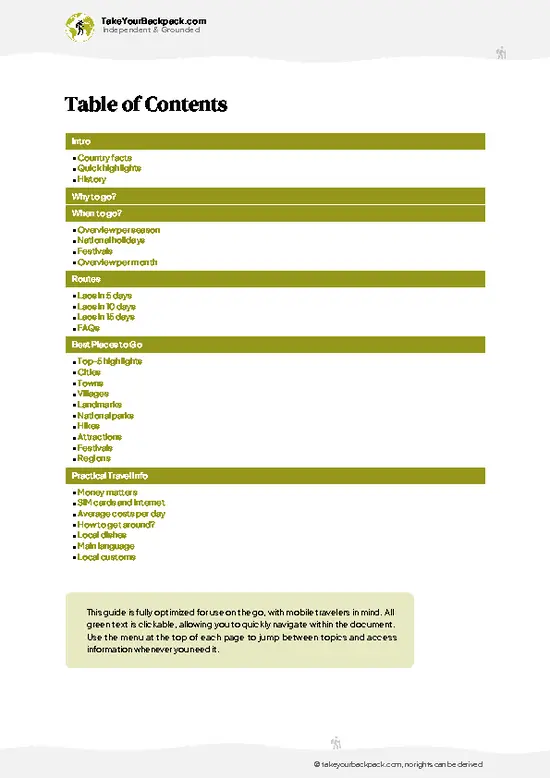
The digital guide (313 pages) contains:
80 highlights, ranked by travel appeal
Optimized 5, 10 & 15-day travel routes
Cities, national parks, landmarks, beaches
How to get around
Offline-friendly for travel without Wi-Fi
👉 Click to see all 30+ guide features

📅 Plan smarter in minutes, not weeks
Month by month travel advice
Festivals & national holidays
Budget expectations

🗺️ Go to the right places, skip the overrated ones
Honest pros & cons of destinations
Top hikes, parks & viewpoints
Lesser-known places most travelers miss
Clear “worth it vs skip it” guidance

🛏️ Travel smoothly without rookie mistakes
Best areas to stay
Transport systems explained simply
Common scams & safety advice
SIM cards, money & practical tips

🌍 Understand the country, not just visit it
Culture & traditions
52 Essential phrases & customs
Festivals worth planning around
Traveler-friendly historical context
Insights that make places more meaningful

📱 Built for real travel conditions
Fully downloadable PDF
Works completely offline
Optimized for phone use
Useful in remote areas & buses
Everything in one place
Save weeks of stressful planning
Get instant access to your full guide. 30‑day money-back guarantee.


By proceeding you agree to our terms.
Sent to your inbox immediately after payment • 100% Secure Checkout
Best Backpacking Travel Advisor 2025 tourism awardBest Backpacking
Travel Advisor
2025
What others say about Take Your Backpack Guides:
⭐⭐⭐⭐⭐
Fantastic, amazing amount of information!
⭐⭐⭐⭐⭐
My goodness this is amazing, it's what I've been looking for hats off too you!
⭐⭐⭐⭐⭐
I think this is absolutely BRILLIANT
⭐⭐⭐⭐
Very complete and informative. It's still missing places, but I gotta to commend you
⭐⭐⭐⭐⭐
This is truly amazing, thank you, can't wait to explore it with my kids!
⭐⭐⭐⭐⭐
Awesome resource, thank you!
⭐⭐⭐⭐⭐
This is amazing! Can't wait to explore the ones I haven't seen
⭐⭐⭐⭐
I love this! Well done, great idea.
⭐⭐⭐⭐⭐
Thanks for taking the time to make this gem!
⭐⭐⭐⭐⭐
This might be the best website I've ever seen.
⭐⭐⭐⭐⭐
Congratulations, and thank you so much for your work; it's incredibly valuable.
⭐⭐⭐⭐
In all seriousness I think you did a great job pointing out the important spots
⭐⭐⭐⭐⭐
10/10 very good
⭐⭐⭐⭐⭐
As someone who's only just starting to visit regularly this is awesome, thank you.
⭐⭐⭐⭐
Thank you very much! I'm going to visit my dad, it's going to be very useful!
⭐⭐⭐⭐⭐
This is really cool! We'll be travelling for the first time and this definitely come in handy.
⭐⭐⭐⭐⭐
You are now our minister of culture, congratulations 👨‍💼
⭐⭐⭐⭐⭐
Just wanted to tell you that this is a pearl! Going to follow your recommendations.
⭐⭐⭐⭐⭐
This is so cool. I'll definitely be using the resource for my travels soon.
⭐⭐⭐⭐⭐
This is very impressive! Good work.
⭐⭐⭐⭐⭐
This is an amazing and informative site. Very well done!

🛏️ Where to stay?Best areas to stay in Laos

In Pakse, the backpacker sweet spot is the area around the riverside and the central market district. This zone nails the balance between safety, social buzz, and budget-friendly options. Staying near the Mekong Riverfront means you’re steps away from lively night markets, street food stalls, and a handful of hostels that cater to solo travelers and groups alike. The vibe here is relaxed but alive—think easy conversations over cold Beerlao and spontaneous plans for day trips to nearby waterfalls or the Bolaven Plateau.

Compared to the quieter, more residential neighborhoods on the city’s outskirts, … read more 👉
In Pakse, the backpacker sweet spot is the area around the riverside and the central market district. This zone nails the balance between safety, social buzz, and budget-friendly options. Staying near the Mekong Riverfront means you’re steps away from lively night markets, street food stalls, and a handful of hostels that cater to solo travelers and groups alike. The vibe here is relaxed but alive—think easy conversations over cold Beerlao and spontaneous plans for day trips to nearby waterfalls or the Bolaven Plateau.

Compared to the quieter, more residential neighborhoods on the city’s outskirts, this central cluster offers a clear advantage: you’re plugged into the pulse of Pakse without sacrificing security or comfort. The streets are well-lit, and the presence of other backpackers creates a natural safety net. Hostels here tend to have communal spaces that encourage mingling, which is gold for solo travelers looking to swap stories or find a travel buddy.

If you stray too far from this hub, you’ll save a few kip but lose the social engine that makes backpacking in Pakse memorable. The trade-off is clear: central means convenience and connection, while outlying areas lean toward solitude and a quieter night’s sleep. For most backpackers, the riverside and market district hit the sweet spot where time, money, and comfort align.

🚌 Getting aroundMoving around without the hassle

Pakse moves at its own rhythm—neither a frantic rush nor a laid-back drift. It’s a city where schedules exist but bend to local intuition, where the flow of people and vehicles feels like a dance between order and improvisation. You won’t find strict timetables etched in stone, but you’ll notice patterns if you pay attention. The key to mastering Pakse’s transit is understanding the trade-offs between time, money, and comfort. Each choice you make here is a strategic move in a game where saving a few kip might cost you an hour, or a bit of comfort might shave off travel time. Let’s break down the essentials for getting around without blowing your budget.


  • Walking: The ultimate zero-cost option and the best way to soak in Pakse’s street life. The city center is compact, so most key spots
read more 👉
Pakse moves at its own rhythm—neither a frantic rush nor a laid-back drift. It’s a city where schedules exist but bend to local intuition, where the flow of people and vehicles feels like a dance between order and improvisation. You won’t find strict timetables etched in stone, but you’ll notice patterns if you pay attention. The key to mastering Pakse’s transit is understanding the trade-offs between time, money, and comfort. Each choice you make here is a strategic move in a game where saving a few kip might cost you an hour, or a bit of comfort might shave off travel time. Let’s break down the essentials for getting around without blowing your budget.


  • Walking: The ultimate zero-cost option and the best way to soak in Pakse’s street life. The city center is compact, so most key spots are within a 20-30 minute stroll. Walking costs you time and energy but rewards you with unexpected discoveries and no waiting around.


  • Local Songthaews (Shared Pickup Trucks): These are the backbone of Pakse’s budget transit. They run roughly from 6 AM to 7 PM, with fares around 5,000-10,000 kip depending on distance. They’re slow and stop frequently, but they’re cheap and give you a real feel for local life. Comfort is minimal—expect open-air seating and occasional dust—but the price and experience make up for it.


  • Motorbike Taxis: Available all day and night, these are your fastest option for short hops around town. Prices start at about 10,000 kip, negotiable if you’re savvy. They offer speed and flexibility but at the cost of safety and comfort—no doors, no suspension, just the wind and the driver’s skill. Great for when time is tight and you’re traveling light.


  • Regular Taxis: Less common and pricier, usually starting at 50,000 kip for short rides. They provide more comfort and protection from the elements but are not the go-to for budget travelers. Use them if you’re carrying heavy gear or traveling late at night when other options dry up.


  • Intercity Buses: If you’re heading out of Pakse, buses leave from the main station starting early morning until late afternoon. Tickets range from 30,000 to 70,000 kip depending on destination. They’re slower than private cars but much cheaper. Comfort varies—expect basic seats and occasional stops. Ideal for budget travelers with flexible schedules.


Understanding these options lets you play the system like a pro. Want to save money? Walk or hop on a songthaew. Need speed? Motorbike taxis are your ace. Craving comfort? Taxis or private cars will cost you but spare your back. The real win is balancing these trade-offs to fit your style and schedule, turning Pakse’s transit from a hassle into a strategic advantage.

👛 Costs (as of 24 April 2026)Travel costs and budget guide for Pakse

Backpacking in Pakse, Laos, offers a clear trade-off between cost and comfort, with prices that reward savvy choices without breaking the bank.
  • Dorm Accommodation (High Season): Expect to pay around $6 to $10 per night. High season pushes prices up slightly due to demand, but options remain basic and clean, often with fan cooling rather than air conditioning.
  • Dorm Accommodation (Off-Season): Prices drop to about $4 to $7 per night. The quieter months mean better deals and sometimes more negotiation power, though some places may close or reduce services.
  • Meals: Street food and local eateries dominate the scene. Budget about $3 to $6 per day if you stick to simple dishes like noodle soups, grilled meats, and fresh fruit. Western-style meals or restaurants will push this higher, around $7
read more 👉
Backpacking in Pakse, Laos, offers a clear trade-off between cost and comfort, with prices that reward savvy choices without breaking the bank.
  • Dorm Accommodation (High Season): Expect to pay around $6 to $10 per night. High season pushes prices up slightly due to demand, but options remain basic and clean, often with fan cooling rather than air conditioning.
  • Dorm Accommodation (Off-Season): Prices drop to about $4 to $7 per night. The quieter months mean better deals and sometimes more negotiation power, though some places may close or reduce services.
  • Meals: Street food and local eateries dominate the scene. Budget about $3 to $6 per day if you stick to simple dishes like noodle soups, grilled meats, and fresh fruit. Western-style meals or restaurants will push this higher, around $7 to $12.
  • Local Transport: Tuk-tuks and motorbike taxis are the norm. Short rides cost roughly $1 to $2, with occasional longer trips up to $4. Renting a motorbike for a day runs about $7 to $10, giving you freedom but adding responsibility.
  • City Transport Pass: Pakse doesn’t have a formal city transport pass system. Budget travelers rely on individual tuk-tuk rides or motorbike rentals, so no fixed pass cost applies here.
  • Basic Activities/Entry Fees: Most local temples and markets are free or ask for a small donation. Paid entries to attractions like waterfalls or museums range from $1 to $5, making it easy to fit a few into your daily budget.
  • Miscellaneous Expenses: This includes bottled water, snacks, SIM cards, and occasional laundry. Allocate about $2 to $5 daily, depending on your habits and needs.

Total daily costs for backpacking in Pakse generally fall between $15 and $30. This range balances basic comfort with the freedom to explore, letting you decide where to save and where to splurge for a richer experience.


source: tourismlaos.org
⚠️ Prices can change and everyone travels differently, so take this as a rough guide. Hope it helps you plan your adventure!

🚌 Day tripsExploring the surroundings

Pakse, Laos, is a backpacker’s dream base for day trips, offering a mix of culture, nature, and adventure without breaking the bank. Here are some standout options that pack a punch.

Bolaven Plateau
This trip is a must for coffee lovers and waterfall chasers. The Bolaven Plateau is a scenic drive dotted with coffee plantations and stunning waterfalls like Tad Fane and Tad Yuang. Expect about a two-hour ride from Pakse, and you’ll be rewarded with lush landscapes and the chance to sample some of the best coffee in the region. Budget around $10 for transportation and a few extra bucks for coffee tastings. The dry season, from November to April, is ideal for clear views and pleasant weather. A common mistake? Underestimating the time needed to explore the waterfalls; plan for a full day to … read more 👉
Pakse, Laos, is a backpacker’s dream base for day trips, offering a mix of culture, nature, and adventure without breaking the bank. Here are some standout options that pack a punch.

Bolaven Plateau
This trip is a must for coffee lovers and waterfall chasers. The Bolaven Plateau is a scenic drive dotted with coffee plantations and stunning waterfalls like Tad Fane and Tad Yuang. Expect about a two-hour ride from Pakse, and you’ll be rewarded with lush landscapes and the chance to sample some of the best coffee in the region. Budget around $10 for transportation and a few extra bucks for coffee tastings. The dry season, from November to April, is ideal for clear views and pleasant weather. A common mistake? Underestimating the time needed to explore the waterfalls; plan for a full day to soak it all in.
👉 Explore Bolaven Plateau

Wat Phu
This ancient Khmer temple complex is a UNESCO World Heritage site that rivals Angkor Wat in its own right. Just a 45-minute drive from Pakse, Wat Phu offers a glimpse into Laos’s rich history and stunning views of the surrounding plains. Entry is about $2, making it a budget-friendly option. The best time to visit is early morning to avoid the heat and crowds. Many first-timers miss the small museum nearby, which provides valuable context about the site’s significance.
👉 Explore Wat Phu

Si Phan Don (Four Thousand Islands)
A bit further afield, but worth every minute of the three-hour journey, Si Phan Don is a laid-back archipelago perfect for unwinding. You can rent a bike to explore Don Khon and Don Det, where you’ll find charming guesthouses and the chance to spot rare Irrawaddy dolphins. Expect to spend around $15 for transport and bike rental. The best time to visit is during the dry season, when the islands are at their most accessible. A common pitfall? Rushing through; take your time to soak in the relaxed vibe.
👉 Explore Si Phan Don

Tad Lo Waterfall
Just an hour and a half from Pakse, Tad Lo is a beautiful spot for swimming and picnicking. The falls are less commercialized than others, giving you a more authentic experience. Bring a packed lunch, as food options are limited. The total cost for transport and a meal can be around $10. The rainy season can make the area muddy and less enjoyable, so aim for the dry months. Many travelers overlook the nearby village, which offers a glimpse into local life.
👉 Explore Tad Lo Waterfall
Want to know what more Laos offers?
The Laos Travel Guide describes 80 highlights, from cities to national parks, from beaches to hikes

Get the Travel Guide -

🍲 FoodLocal Flavors for Backpackers

In Pakse, the **food scene** is a vibrant tapestry of flavors that beckons you to dive in. Start with **larb**, a zesty minced meat salad that dances with herbs and lime. It’s a staple here, often served with sticky rice, which you’ll find yourself reaching for again and again. Don’t miss **khao soi**, a rich coconut curry noodle dish that warms you from the inside out, perfect after a day of exploring.

Street food is where the magic happens. Vendors line the bustling markets, their grills sizzling with skewers of marinated meats and fresh veggies. The aroma of **papaya salad** being pounded to perfection fills the air, a must-try for its spicy kick and crunch. Grab a seat at a nearby stall, and you’ll likely share your meal with locals, who are always eager to chat and share their favorite … read more 👉
In Pakse, the **food scene** is a vibrant tapestry of flavors that beckons you to dive in. Start with **larb**, a zesty minced meat salad that dances with herbs and lime. It’s a staple here, often served with sticky rice, which you’ll find yourself reaching for again and again. Don’t miss **khao soi**, a rich coconut curry noodle dish that warms you from the inside out, perfect after a day of exploring.

Street food is where the magic happens. Vendors line the bustling markets, their grills sizzling with skewers of marinated meats and fresh veggies. The aroma of **papaya salad** being pounded to perfection fills the air, a must-try for its spicy kick and crunch. Grab a seat at a nearby stall, and you’ll likely share your meal with locals, who are always eager to chat and share their favorite dishes.

As for drinks, **Lao beer** is a rite of passage. Sip it while watching the sunset over the Mekong, or try a refreshing **sugarcane juice** from a street vendor. Remember, it’s customary to toast with “sok dee!” before taking a sip. Embrace the communal vibe; meals are often shared, and it’s all about connection. In Pakse, every bite and sip tells a story, inviting you to savor the moment.

🛡️ SafetyScams, Hazards, and Annoyances

Pakse is generally safe for backpackers, but a few situational awareness tips can enhance your experience. Stick to well-lit areas at night, especially if you’re solo. The riverside promenade is lively, but quieter streets can feel a bit isolated after dark.

When it comes to scams, the most common involves tuk-tuk drivers. They might quote inflated prices or suggest “special” tours that aren’t worth your time. Always negotiate before hopping in, and consider using ride-hailing apps if available.

Watch for the occasional overzealous vendor at markets. They can be persistent, but a polite “no, thank you” usually does the trick.

Keep your belongings secure, especially in crowded areas. A crossbody bag can be a smart choice. Overall, with a bit of mindfulness and a friendly demeanor, you’ll … read more 👉
Pakse is generally safe for backpackers, but a few situational awareness tips can enhance your experience. Stick to well-lit areas at night, especially if you’re solo. The riverside promenade is lively, but quieter streets can feel a bit isolated after dark.

When it comes to scams, the most common involves tuk-tuk drivers. They might quote inflated prices or suggest “special” tours that aren’t worth your time. Always negotiate before hopping in, and consider using ride-hailing apps if available.

Watch for the occasional overzealous vendor at markets. They can be persistent, but a polite “no, thank you” usually does the trick.

Keep your belongings secure, especially in crowded areas. A crossbody bag can be a smart choice. Overall, with a bit of mindfulness and a friendly demeanor, you’ll navigate Pakse smoothly and enjoy its laid-back charm.

Other Laotian cities near Pakse

Explore more nearby:

  • Champasak—Wat Phou ruins, Mekong views, colonial villas| 24 km away
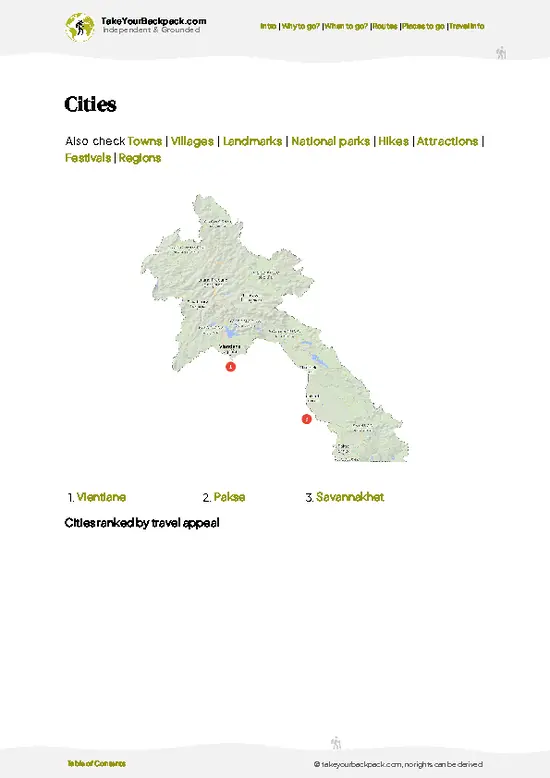
  • Savannakhet—French-era architecture, dinosaur museum, riverside promenade| 197 km away
  • Vientiane—Laotian temples, riverside sunset, diplomatic quarter| 465 km away

💡 Not sure where to go next?
Create a personalized itinerary for Laos including Pakse and the places that fit your trip.

Generate my itinerary

👉 Discover all cities

Or checkout all Laos has to offer (think cities, towns, villages, national parks, hikes, beaches, festivals)
Country photo of Laos

We 💚 feedbackWhat to keep in mind

Pakse has this laid-back vibe that feels like a secret only a few know. The best surprise? The coffee culture—try the local brew; it’s rich and smooth, a true delight. But a heads-up: the roads can be bumpy, especially if you’re venturing to the Bolaven Plateau. Embrace the jolts; they’re part of the adventure. Just remember, the slower pace here lets you soak in the beauty, so don’t rush. Enjoy the journey as much as the destination.

✍️ Help improve this page!
The information on this page is based on in-depth research, insights shared by experienced travelers, and feedback from the local travel community in Laos. While every effort is made to keep the information accurate and current, conditions can change — so if you spot anything incorrect or outdated, please get in touch.


🙋‍♂️ Give feedback

👋 Meet the founderWho’s Behind Take Your Backpack?

Johan, backpacker and founder of TakeYourBackpackHi, I’m Johan (Netherlands 🇳🇱), the creator of TakeYourBackpack. Over the past decade, I’ve backpacked through 80+ countries across six continents, gaining extensive experience with independent travel, long-term trips, and overland routes.

This site is built on a combination of firsthand travel experience and carefully curated insights from other backpackers. Many guides are based on places I’ve personally visited, while others bring together tips, observations, and practical advice shared by trusted travelers I’ve met along the way.

The goal is to provide realistic, experience-driven guidance — not generic itineraries — so you can explore destinations with better context, clearer expectations, and more confidence.

Get full Laos guide •
Instant download • 80 highlights • Full Offline guide