
1. The Bomb Display Room
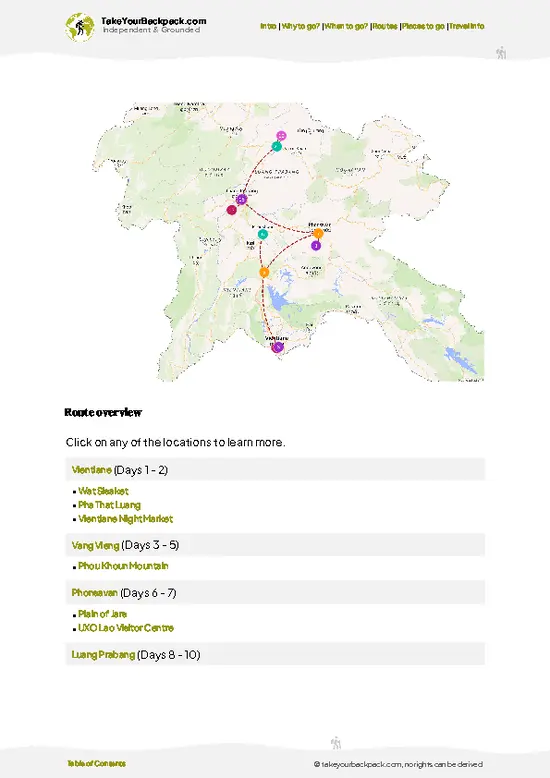
You walk in and the first thing you see isn’t a glossy infographic—it’s a floor-to-ceiling wall of rusted bomb casings, cluster munitions, and the kind of hardware that makes your stomach drop. This isn’t a museum trying to shock you for effect; it’s a raw, physical reminder that Laos is the most bombed country per capita on earth. You can touch the metal. You can see the size of the cluster bombs that still litter the countryside. It’s not entertainment, but it’s unforgettable in a way no Instagram filter can fake.
2. Survivor Testimonies (Audio & Video)
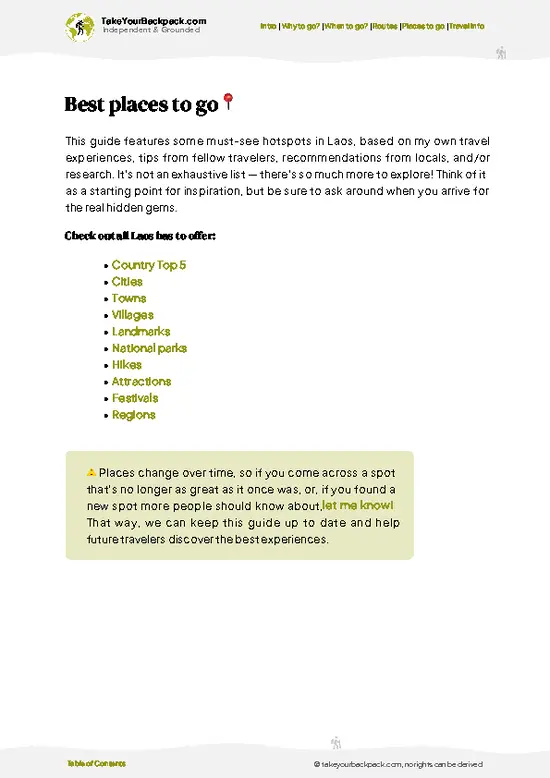
Forget the sanitized, distant stories you get in most war museums. Here, you sit in a small room and listen to real survivors—farmers, children, mothers—describe what it’s like to live with the threat of unexploded … read more 👉
1. The Bomb Display Room
You walk in and the first thing you see isn’t a glossy infographic—it’s a floor-to-ceiling wall of rusted bomb casings, cluster munitions, and the kind of hardware that makes your stomach drop. This isn’t a museum trying to shock you for effect; it’s a raw, physical reminder that Laos is the most bombed country per capita on earth. You can touch the metal. You can see the size of the cluster bombs that still litter the countryside. It’s not entertainment, but it’s unforgettable in a way no Instagram filter can fake.
2. Survivor Testimonies (Audio & Video)
Forget the sanitized, distant stories you get in most war museums. Here, you sit in a small room and listen to real survivors—farmers, children, mothers—describe what it’s like to live with the threat of unexploded ordnance (UXO) every single day. The voices are local, the stories are unscripted, and the impact is immediate. You’ll never look at a rice field the same way again.
3. The UXO Clearance Tools Exhibit
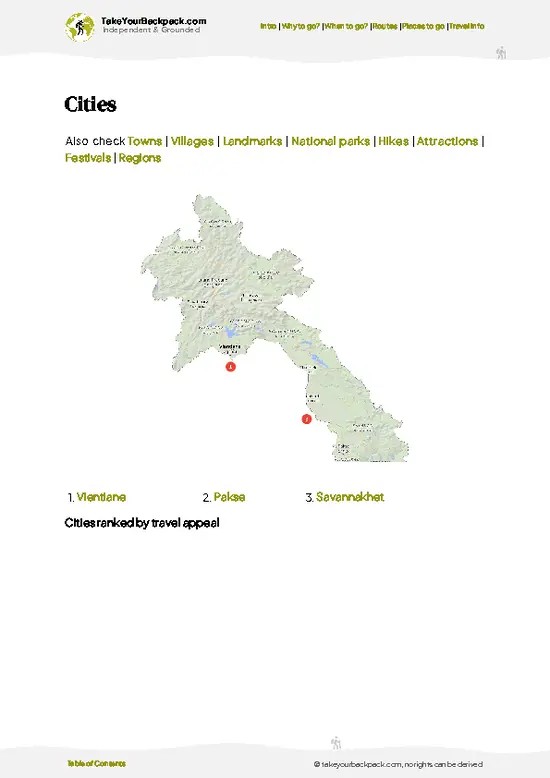
This is where the MacGyver-level ingenuity of local de-miners comes alive. See the actual tools—some high-tech, some shockingly basic—used to clear bombs from villages and fields. There’s a gritty, hands-on feel to this section. It’s not about heroics; it’s about survival, and the daily grind of making land safe for kids to play and farmers to plant.
4. The Interactive Map of Bomb Sites
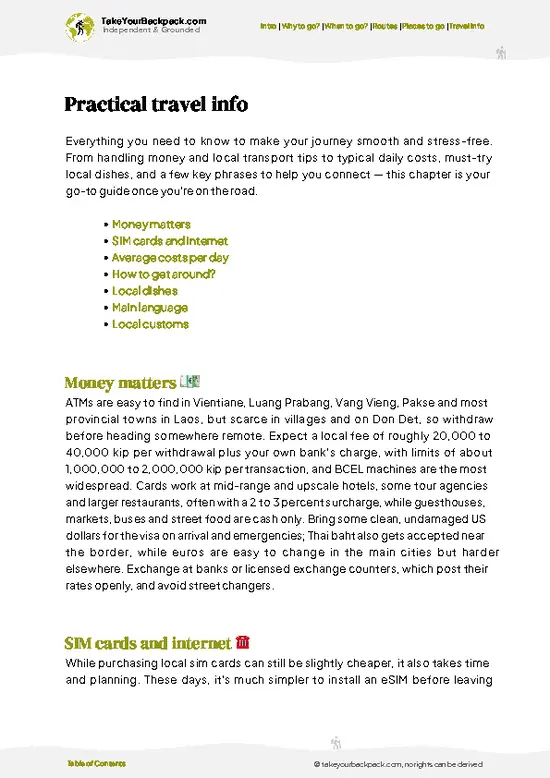
A digital map lights up with thousands of red dots—each one a bombing site. You can zoom in on specific provinces, see the scale of devastation, and realize just how much of Laos is still off-limits because of buried explosives. It’s the kind of visual that sticks with you long after you leave, and it’s a reality check for anyone who thinks Southeast Asia is just about temples and waterfalls.
5. The Volunteer and Donation Wall
This isn’t a guilt trip; it’s a call to action. The wall lists real projects, real needs, and real outcomes—showing exactly where donations go and how volunteers have made a difference. It’s practical, transparent, and refreshingly free of the usual charity platitudes. If you want to help, you’ll know exactly how. If you don’t, you’ll at least leave with your eyes open.
Spotted a mistake or missing something? Contact us.

 Best Backpacking
 Hi, I’m Johan (Netherlands 🇳🇱), the creator of TakeYourBackpack. Over the past 3 decades, I’ve backpacked through 90+ countries across six continents, gaining extensive experience with independent travel, long-term trips, and overland routes.