v2.webp)
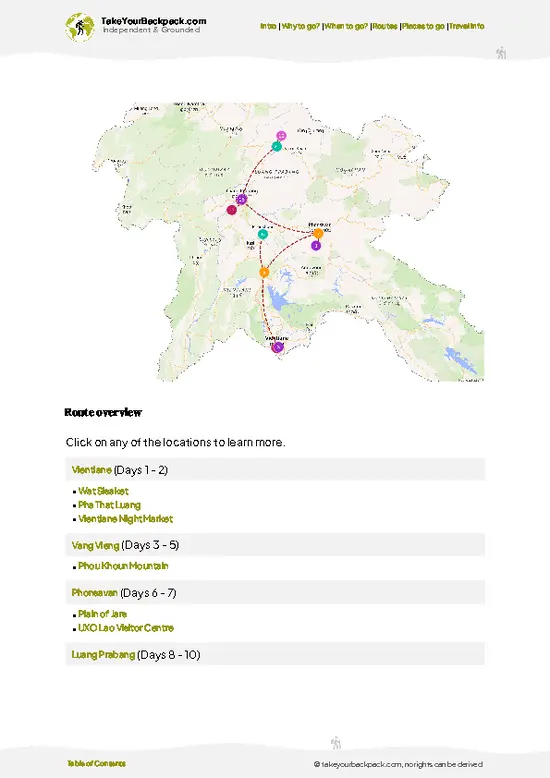
The Bomb Casing Wall
You walk in and—bam—there’s a wall lined with real bomb casings. Not replicas. These are the actual shells that once rained down on Laos, now stacked like a brutal monument to the country’s status as the most heavily bombed nation per capita on earth. It’s not pretty, but it’s unforgettable. The sheer number is a gut punch, and it instantly shreds any romantic notions you had about “off-the-beaten-path” Laos. This is the real history, and it’s staring you in the face.
First-Person Survivor Stories
Forget the dry museum plaques. Here, you get raw, personal accounts from survivors and bomb disposal experts. Some are written, some are on video, and all of them are unfiltered. You’ll hear about kids mistaking cluster bombs for toys, farmers losing limbs, and the daily reality … read more 👉
You walk in and—bam—there’s a wall lined with real bomb casings. Not replicas. These are the actual shells that once rained down on Laos, now stacked like a brutal monument to the country’s status as the most heavily bombed nation per capita on earth. It’s not pretty, but it’s unforgettable. The sheer number is a gut punch, and it instantly shreds any romantic notions you had about “off-the-beaten-path” Laos. This is the real history, and it’s staring you in the face.
First-Person Survivor Stories
Forget the dry museum plaques. Here, you get raw, personal accounts from survivors and bomb disposal experts. Some are written, some are on video, and all of them are unfiltered. You’ll hear about kids mistaking cluster bombs for toys, farmers losing limbs, and the daily reality … read more 👉
The Bomb Casing Wall
You walk in and—bam—there’s a wall lined with real bomb casings. Not replicas. These are the actual shells that once rained down on Laos, now stacked like a brutal monument to the country’s status as the most heavily bombed nation per capita on earth. It’s not pretty, but it’s unforgettable. The sheer number is a gut punch, and it instantly shreds any romantic notions you had about “off-the-beaten-path” Laos. This is the real history, and it’s staring you in the face.
First-Person Survivor Stories
Forget the dry museum plaques. Here, you get raw, personal accounts from survivors and bomb disposal experts. Some are written, some are on video, and all of them are unfiltered. You’ll hear about kids mistaking cluster bombs for toys, farmers losing limbs, and the daily reality of living with unexploded ordnance. It’s not sanitized for tourists. It’s honest, sometimes graphic, and absolutely necessary.
UXO Clearance Equipment Up Close
You can actually see and touch the gear used by the bomb disposal teams—protective suits, detectors, and the tools that keep these modern-day heroes alive. This isn’t some distant war relic behind glass. It’s the stuff that’s still in use, and the staff will talk you through how it works. Suddenly, the danger feels real and current, not just a chapter in a history book.
Interactive Cluster Bomb Display
There’s a hands-on model of a cluster bomb, and it’s not there for shock value. You get to see exactly how these insidious devices work—how they scatter, how they’re disguised, and why they’re so deadly decades after being dropped. It’s the kind of thing that sticks with you long after you leave, especially when you realize how many are still out there.
Documentary Screening Room
A small, unassuming room plays short documentaries on a loop. These aren’t Hollywood productions—they’re gritty, real, and sometimes hard to watch. But they give you context: the Cold War, the Secret War, and the ongoing struggle to clear the land. If you want to understand Laos beyond the waterfalls and temples, this is where you start.
You walk in and—bam—there’s a wall lined with real bomb casings. Not replicas. These are the actual shells that once rained down on Laos, now stacked like a brutal monument to the country’s status as the most heavily bombed nation per capita on earth. It’s not pretty, but it’s unforgettable. The sheer number is a gut punch, and it instantly shreds any romantic notions you had about “off-the-beaten-path” Laos. This is the real history, and it’s staring you in the face.
First-Person Survivor Stories
Forget the dry museum plaques. Here, you get raw, personal accounts from survivors and bomb disposal experts. Some are written, some are on video, and all of them are unfiltered. You’ll hear about kids mistaking cluster bombs for toys, farmers losing limbs, and the daily reality of living with unexploded ordnance. It’s not sanitized for tourists. It’s honest, sometimes graphic, and absolutely necessary.
UXO Clearance Equipment Up Close
You can actually see and touch the gear used by the bomb disposal teams—protective suits, detectors, and the tools that keep these modern-day heroes alive. This isn’t some distant war relic behind glass. It’s the stuff that’s still in use, and the staff will talk you through how it works. Suddenly, the danger feels real and current, not just a chapter in a history book.
Interactive Cluster Bomb Display
There’s a hands-on model of a cluster bomb, and it’s not there for shock value. You get to see exactly how these insidious devices work—how they scatter, how they’re disguised, and why they’re so deadly decades after being dropped. It’s the kind of thing that sticks with you long after you leave, especially when you realize how many are still out there.
Documentary Screening Room
A small, unassuming room plays short documentaries on a loop. These aren’t Hollywood productions—they’re gritty, real, and sometimes hard to watch. But they give you context: the Cold War, the Secret War, and the ongoing struggle to clear the land. If you want to understand Laos beyond the waterfalls and temples, this is where you start.
Spotted a mistake or missing something? Contact us.

Laos Buffalo Dairy Tours Interact, Learn and Taste Fresh Flavors

Luang Prabang: Craft Your Own Aroma Candle in Heritage Home

Evening Bamboo weaving & Cooking classes join-in

Pony Riding in Luang Prabang

Home-cooked dinner & Baci ceremony with Villagers in Ban Nasang

Luang Prabang Mekong Sunset Cruise and Hot Pot Dinner

Luang Prabang: Kuang Si Waterfall & Rice Farm Tour

Luang Prabang Cuisine & Culture: The Hungry Tuk Tuk

Luang Prabang Foodie Walking Tour and Monk Blessing


 Best Backpacking
.jpg) Hi, I’m Johan (Netherlands 🇳🇱), the creator of TakeYourBackpack. Over the past 3 decades, I’ve backpacked through 90+ countries across six continents, gaining extensive experience with independent travel, long-term trips, and overland routes.
Hi, I’m Johan (Netherlands 🇳🇱), the creator of TakeYourBackpack. Over the past 3 decades, I’ve backpacked through 90+ countries across six continents, gaining extensive experience with independent travel, long-term trips, and overland routes.