v2.webp)
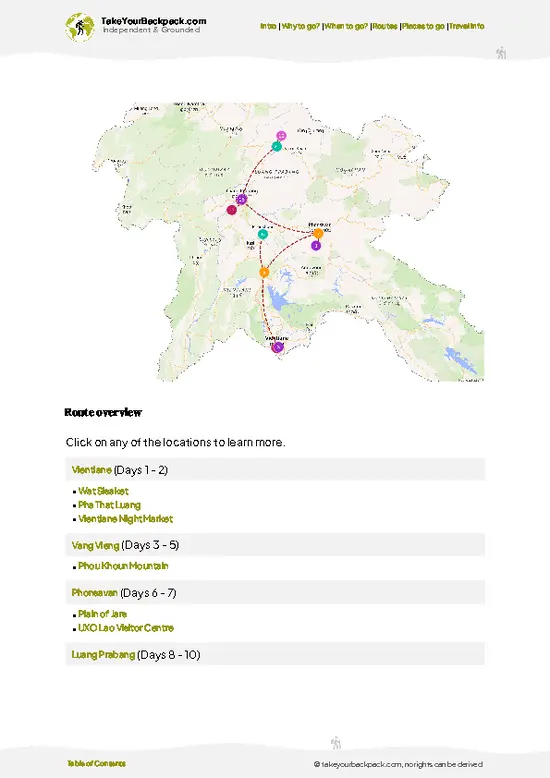
Sim Tree of Life Mosaic
Forget the endless parade of gold Buddhas—this is the wall that stops you in your tracks. The Sim’s rear façade explodes with a glass mosaic tree, roots and branches sprawling across deep red plaster. It’s not just pretty; it’s storytelling in color, a visual map of Buddhist cosmology, and a rare example of Lao artisanship that hasn’t been scrubbed clean for tourists. Stand close and you’ll spot birds, animals, and mythic creatures tucked into the branches. The mosaic glints differently as the sun shifts—catch it in the late afternoon for the full effect, when the crowds thin and the colors burn brightest.
Funeral Carriage Hall (Haw Tai Pha Sai-Nyaat)
Most temples hide their death rituals. Not here. This side hall houses a 12-meter gilded funeral chariot, complete … read more 👉
Forget the endless parade of gold Buddhas—this is the wall that stops you in your tracks. The Sim’s rear façade explodes with a glass mosaic tree, roots and branches sprawling across deep red plaster. It’s not just pretty; it’s storytelling in color, a visual map of Buddhist cosmology, and a rare example of Lao artisanship that hasn’t been scrubbed clean for tourists. Stand close and you’ll spot birds, animals, and mythic creatures tucked into the branches. The mosaic glints differently as the sun shifts—catch it in the late afternoon for the full effect, when the crowds thin and the colors burn brightest.
Funeral Carriage Hall (Haw Tai Pha Sai-Nyaat)
Most temples hide their death rituals. Not here. This side hall houses a 12-meter gilded funeral chariot, complete … read more 👉
Sim Tree of Life Mosaic
Forget the endless parade of gold Buddhas—this is the wall that stops you in your tracks. The Sim’s rear façade explodes with a glass mosaic tree, roots and branches sprawling across deep red plaster. It’s not just pretty; it’s storytelling in color, a visual map of Buddhist cosmology, and a rare example of Lao artisanship that hasn’t been scrubbed clean for tourists. Stand close and you’ll spot birds, animals, and mythic creatures tucked into the branches. The mosaic glints differently as the sun shifts—catch it in the late afternoon for the full effect, when the crowds thin and the colors burn brightest.
Funeral Carriage Hall (Haw Tai Pha Sai-Nyaat)
Most temples hide their death rituals. Not here. This side hall houses a 12-meter gilded funeral chariot, complete with naga-headed dragons and enough gold leaf to blind a monk. It’s not just for show: this is the real deal, used for royal cremations. The scale is audacious, the craftsmanship wild. Peer inside and you’ll see ancient urns and ceremonial regalia, all displayed with a kind of casual reverence that feels more honest than most museum glass cases. If you want a dose of the macabre with your spirituality, this is where the temple drops its polite mask.
Low-Slung Roofs and Golden Nagas
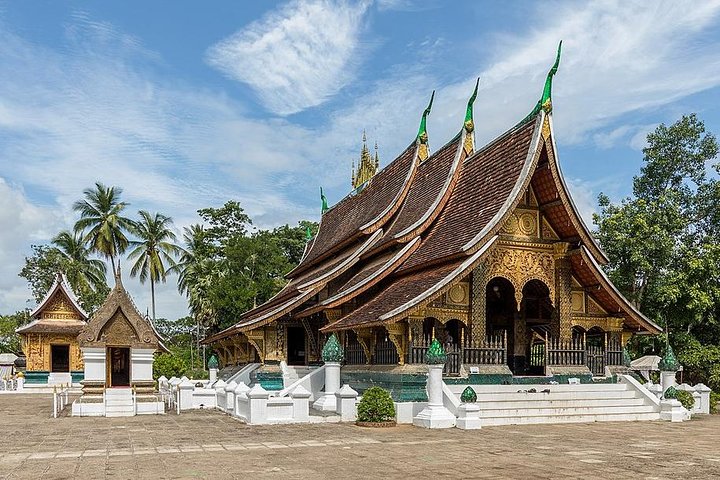
The architecture here is a flex. The main sim’s triple-tiered roof sweeps almost to the ground, a design you won’t find in Thailand or Cambodia. It’s both practical (shade, rain) and theatrical—those swooping eaves make the whole building feel like it’s crouching, ready to spring. Look up at the roof ends: golden nagas (mythic serpents) coil and glare, a reminder that Lao Buddhism is tangled up with animist beliefs. This is not a sterile, cookie-cutter temple; it’s a living, breathing hybrid.
Morning Monk Procession
Skip the Instagrammed alms-giving circus in town and come here at sunrise. The monks of Wat Xieng Thong actually live and train on-site, and their morning procession is quieter, less performative. You’ll hear the soft shuffle of bare feet, the low murmur of chants, and—if you’re lucky—the clatter of a novice dropping his bowl. It’s a rare chance to witness monastic life without the tourist zoo vibe.
Secret Courtyards and Ancient Stupas
Most visitors snap a photo at the main hall and bolt. Rookie move. Wander the back courtyards and you’ll find weathered stupas, crumbling guardian statues, and the odd local paying respects. These corners feel almost abandoned, especially in the midday heat. The patina is real—lichen, moss, and centuries of candle smoke. This is where the temple’s age hits you: not as a museum piece, but as a place that’s survived wars, floods, and waves of backpackers.
Forget the endless parade of gold Buddhas—this is the wall that stops you in your tracks. The Sim’s rear façade explodes with a glass mosaic tree, roots and branches sprawling across deep red plaster. It’s not just pretty; it’s storytelling in color, a visual map of Buddhist cosmology, and a rare example of Lao artisanship that hasn’t been scrubbed clean for tourists. Stand close and you’ll spot birds, animals, and mythic creatures tucked into the branches. The mosaic glints differently as the sun shifts—catch it in the late afternoon for the full effect, when the crowds thin and the colors burn brightest.
Funeral Carriage Hall (Haw Tai Pha Sai-Nyaat)
Most temples hide their death rituals. Not here. This side hall houses a 12-meter gilded funeral chariot, complete with naga-headed dragons and enough gold leaf to blind a monk. It’s not just for show: this is the real deal, used for royal cremations. The scale is audacious, the craftsmanship wild. Peer inside and you’ll see ancient urns and ceremonial regalia, all displayed with a kind of casual reverence that feels more honest than most museum glass cases. If you want a dose of the macabre with your spirituality, this is where the temple drops its polite mask.
Low-Slung Roofs and Golden Nagas
The architecture here is a flex. The main sim’s triple-tiered roof sweeps almost to the ground, a design you won’t find in Thailand or Cambodia. It’s both practical (shade, rain) and theatrical—those swooping eaves make the whole building feel like it’s crouching, ready to spring. Look up at the roof ends: golden nagas (mythic serpents) coil and glare, a reminder that Lao Buddhism is tangled up with animist beliefs. This is not a sterile, cookie-cutter temple; it’s a living, breathing hybrid.
Morning Monk Procession
Skip the Instagrammed alms-giving circus in town and come here at sunrise. The monks of Wat Xieng Thong actually live and train on-site, and their morning procession is quieter, less performative. You’ll hear the soft shuffle of bare feet, the low murmur of chants, and—if you’re lucky—the clatter of a novice dropping his bowl. It’s a rare chance to witness monastic life without the tourist zoo vibe.
Secret Courtyards and Ancient Stupas
Most visitors snap a photo at the main hall and bolt. Rookie move. Wander the back courtyards and you’ll find weathered stupas, crumbling guardian statues, and the odd local paying respects. These corners feel almost abandoned, especially in the midday heat. The patina is real—lichen, moss, and centuries of candle smoke. This is where the temple’s age hits you: not as a museum piece, but as a place that’s survived wars, floods, and waves of backpackers.
Spotted a mistake or missing something? Contact us.

Luang Prabang City Tour & Kuang Si Waterfalls

Luang Prabang Evening Food Tour by Tuk-Tuk

Small Group Half Day Luang Prabang city tour
Private Luang Prabang City Tour

Full-Day Luang Prabang Highlights Tour Including Kuangsi Waterfall

Luang Prabang World Heritage, Pak Ou Caves, River Sunset Cruise

Private Luang Prabang City Tour

Private Guided Tour to Luang Prabang from Chanh

Luang Prabang Temples, Royal Palace & Night Market Private Tour


 Best Backpacking
.jpg) Hi, I’m Johan (Netherlands 🇳🇱), the creator of TakeYourBackpack. Over the past 3 decades, I’ve backpacked through 90+ countries across six continents, gaining extensive experience with independent travel, long-term trips, and overland routes.
Hi, I’m Johan (Netherlands 🇳🇱), the creator of TakeYourBackpack. Over the past 3 decades, I’ve backpacked through 90+ countries across six continents, gaining extensive experience with independent travel, long-term trips, and overland routes.