v2.webp)
The Temple of Jupiter: The Colossal Core
Forget the Instagram wide shots—standing at the base of these pillars, you feel like a Lego minifig in a world built for titans. Six columns remain, each nearly 22 meters tall, and they’re not just big—they’re audacious. The scale is so outrageous it borders on absurd, and that’s the point: this was Rome flexing on the world. The platform itself is built from some of the largest stones ever quarried by humans. You don’t just see history here; you feel the ambition and ego that powered an empire. No photo can capture the vertigo of looking up at these monsters.
The Temple of Bacchus: The Best-Preserved Roman Temple on Earth
This isn’t a crumbling relic—it’s a full-on architectural time machine. Walk inside and you’re wrapped in shadow and stone, with … read more 👉
Forget the Instagram wide shots—standing at the base of these pillars, you feel like a Lego minifig in a world built for titans. Six columns remain, each nearly 22 meters tall, and they’re not just big—they’re audacious. The scale is so outrageous it borders on absurd, and that’s the point: this was Rome flexing on the world. The platform itself is built from some of the largest stones ever quarried by humans. You don’t just see history here; you feel the ambition and ego that powered an empire. No photo can capture the vertigo of looking up at these monsters.
The Temple of Bacchus: The Best-Preserved Roman Temple on Earth
This isn’t a crumbling relic—it’s a full-on architectural time machine. Walk inside and you’re wrapped in shadow and stone, with … read more 👉
The Temple of Jupiter: The Colossal Core
Forget the Instagram wide shots—standing at the base of these pillars, you feel like a Lego minifig in a world built for titans. Six columns remain, each nearly 22 meters tall, and they’re not just big—they’re audacious. The scale is so outrageous it borders on absurd, and that’s the point: this was Rome flexing on the world. The platform itself is built from some of the largest stones ever quarried by humans. You don’t just see history here; you feel the ambition and ego that powered an empire. No photo can capture the vertigo of looking up at these monsters.
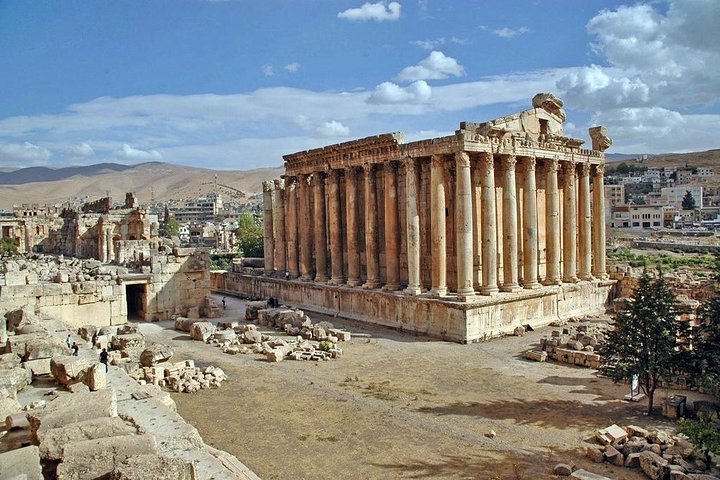
The Temple of Bacchus: The Best-Preserved Roman Temple on Earth
This isn’t a crumbling relic—it’s a full-on architectural time machine. Walk inside and you’re wrapped in shadow and stone, with carvings so crisp you half-expect a toga-clad priest to step out from behind a column. The scale is intimate compared to Jupiter, but the detail is wild: Medusa heads, grapevines, and mythic scenes everywhere you look. The acoustics are so sharp you can hear your own footsteps echo. If you want to know what Roman grandeur felt like, this is the closest you’ll get outside of a Marvel movie budget.
The Trilithon: The Megalithic Mystery
Three stones, each weighing upwards of 800 tons, form part of the Temple of Jupiter’s podium. No, that’s not a typo. Archaeologists still argue about how these monsters were moved and set in place. You can walk right up and touch them—no velvet ropes, no glass cases. It’s a rare chance to confront the limits of ancient engineering with your own hands. Theories range from lost technology to sheer brute force, but standing there, you realize the real story is human obsession with pushing boundaries.
The Propylaea and Grand Staircase: The Imperial Entrance
Most visitors rush past the entrance, but slow down. The Propylaea is a ceremonial gateway that sets the tone: you’re not just entering ruins, you’re crossing into a space built for spectacle. The staircase is battered but still dramatic, and you can almost hear the clatter of sandals and the murmur of ancient crowds. It’s a reminder that Baalbek wasn’t just a temple complex—it was a stage for power, politics, and performance.
The Underground Passages: The Backstage Pass
Duck into the subterranean corridors beneath the temples and you’ll find a different world—cool, shadowy, and a little eerie. These passages were the arteries of the complex, used by priests and workers to move unseen. They’re not always open, but if you get the chance, go. It’s the raw, unpolished side of Baalbek, stripped of grandeur but heavy with the ghosts of daily life and ritual.
The Baalbek Festival: Ruins That Rock
If you time it right, you can catch the annual Baalbek International Festival—live music and performances staged right inside the ruins. It’s not every day you get to watch a world-class concert with 2,000 years of history as your backdrop. The acoustics are surreal, the vibe electric, and for a few nights, the stones come alive. This is Baalbek as living theater, not just a museum.
Forget the Instagram wide shots—standing at the base of these pillars, you feel like a Lego minifig in a world built for titans. Six columns remain, each nearly 22 meters tall, and they’re not just big—they’re audacious. The scale is so outrageous it borders on absurd, and that’s the point: this was Rome flexing on the world. The platform itself is built from some of the largest stones ever quarried by humans. You don’t just see history here; you feel the ambition and ego that powered an empire. No photo can capture the vertigo of looking up at these monsters.
The Temple of Bacchus: The Best-Preserved Roman Temple on Earth
This isn’t a crumbling relic—it’s a full-on architectural time machine. Walk inside and you’re wrapped in shadow and stone, with carvings so crisp you half-expect a toga-clad priest to step out from behind a column. The scale is intimate compared to Jupiter, but the detail is wild: Medusa heads, grapevines, and mythic scenes everywhere you look. The acoustics are so sharp you can hear your own footsteps echo. If you want to know what Roman grandeur felt like, this is the closest you’ll get outside of a Marvel movie budget.
The Trilithon: The Megalithic Mystery
Three stones, each weighing upwards of 800 tons, form part of the Temple of Jupiter’s podium. No, that’s not a typo. Archaeologists still argue about how these monsters were moved and set in place. You can walk right up and touch them—no velvet ropes, no glass cases. It’s a rare chance to confront the limits of ancient engineering with your own hands. Theories range from lost technology to sheer brute force, but standing there, you realize the real story is human obsession with pushing boundaries.
The Propylaea and Grand Staircase: The Imperial Entrance
Most visitors rush past the entrance, but slow down. The Propylaea is a ceremonial gateway that sets the tone: you’re not just entering ruins, you’re crossing into a space built for spectacle. The staircase is battered but still dramatic, and you can almost hear the clatter of sandals and the murmur of ancient crowds. It’s a reminder that Baalbek wasn’t just a temple complex—it was a stage for power, politics, and performance.
The Underground Passages: The Backstage Pass
Duck into the subterranean corridors beneath the temples and you’ll find a different world—cool, shadowy, and a little eerie. These passages were the arteries of the complex, used by priests and workers to move unseen. They’re not always open, but if you get the chance, go. It’s the raw, unpolished side of Baalbek, stripped of grandeur but heavy with the ghosts of daily life and ritual.
The Baalbek Festival: Ruins That Rock
If you time it right, you can catch the annual Baalbek International Festival—live music and performances staged right inside the ruins. It’s not every day you get to watch a world-class concert with 2,000 years of history as your backdrop. The acoustics are surreal, the vibe electric, and for a few nights, the stones come alive. This is Baalbek as living theater, not just a museum.
Spotted a mistake or missing something? Contact us.

Guided Small-Group Tour to Baalbek, Anjar and Ksara with Lunch

Private Baalbek, Anjar & Ksara Winery Day Trip from Beirut

Lebanon tour Baalbek Temples & Ksara Caves Winery, pick-up+Guide

Anjar, Baalbek & Ksara Winery Small-Group Tour | Lunch Included
Private Baalbek City Tour

PRIVATE Tour of Baalbek Temples, Umayyad Anjar & Ksara Winery

Private Baalbek, Ksara Winery & Chouf Cedars | Guided Tour

Private Byblos & Baalbek Tour from Beirut | Tickets Included

Private Jeita Grotto, Baalbek & Ksara Winery | Guided Tour



 Best Backpacking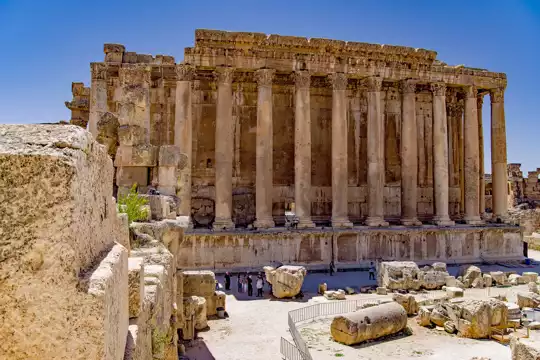
.jpg) Hi, I’m Johan (Netherlands 🇳🇱), the creator of TakeYourBackpack. Over the past decade, I’ve backpacked through 80+ countries across six continents, gaining extensive experience with independent travel, long-term trips, and overland routes.
Hi, I’m Johan (Netherlands 🇳🇱), the creator of TakeYourBackpack. Over the past decade, I’ve backpacked through 80+ countries across six continents, gaining extensive experience with independent travel, long-term trips, and overland routes.