v2.webp)
The Crusader Castle’s Rooftop Ramparts
Forget the Instagram drone shots—climbing the battered limestone stairs to the top of Byblos Castle is the real deal. You’re not just getting a view; you’re standing where Crusader knights once scanned the horizon for sails and invaders. The Mediterranean isn’t a backdrop here; it’s a living, breathing blue expanse that’s been both a highway and a battlefield for millennia. The wind up top is sharp, the stones are rough, and the city below is a patchwork of eras. It’s not polished, and that’s the point. You feel the weight of history in your knees and your chest.
The Ancient Phoenician Ruins
Most people come for the castle, but the real magic is underfoot. Byblos is one of the world’s oldest continuously inhabited cities, and the archaeological site sprawls … read more 👉
Forget the Instagram drone shots—climbing the battered limestone stairs to the top of Byblos Castle is the real deal. You’re not just getting a view; you’re standing where Crusader knights once scanned the horizon for sails and invaders. The Mediterranean isn’t a backdrop here; it’s a living, breathing blue expanse that’s been both a highway and a battlefield for millennia. The wind up top is sharp, the stones are rough, and the city below is a patchwork of eras. It’s not polished, and that’s the point. You feel the weight of history in your knees and your chest.
The Ancient Phoenician Ruins
Most people come for the castle, but the real magic is underfoot. Byblos is one of the world’s oldest continuously inhabited cities, and the archaeological site sprawls … read more 👉
The Crusader Castle’s Rooftop Ramparts
Forget the Instagram drone shots—climbing the battered limestone stairs to the top of Byblos Castle is the real deal. You’re not just getting a view; you’re standing where Crusader knights once scanned the horizon for sails and invaders. The Mediterranean isn’t a backdrop here; it’s a living, breathing blue expanse that’s been both a highway and a battlefield for millennia. The wind up top is sharp, the stones are rough, and the city below is a patchwork of eras. It’s not polished, and that’s the point. You feel the weight of history in your knees and your chest.
The Ancient Phoenician Ruins
Most people come for the castle, but the real magic is underfoot. Byblos is one of the world’s oldest continuously inhabited cities, and the archaeological site sprawls with layers of civilization. You’ll walk past toppled columns, crumbling temples, and the remnants of a city that traded with Egypt before Rome was even a rumor. The Temple of the Obelisks is a highlight—dozens of stubby stone markers, mysterious and oddly modern, scattered across a sunbaked courtyard. There’s no velvet rope, no glass case. You can run your fingers over 4,000 years of ambition and collapse.
The Roman Theater
It’s tiny, and that’s what makes it memorable. This isn’t the Colosseum; it’s a semicircle of worn stone seats facing the sea, intimate and battered by centuries of salt air. Sit down, close your eyes, and you can almost hear the echo of ancient applause—or the modern sound of a Lebanese teenager blasting Fairuz from a phone. The theater is a reminder that entertainment and spectacle are as old as the city itself.
The Crusader Moat and Drawbridge
The moat isn’t filled with water anymore, but it’s deep and dramatic, and the drawbridge is a rare survivor. Walk across it and you’re literally crossing centuries. The engineering is simple but effective—no Disney-fied fantasy, just raw, functional defense. It’s a tactile lesson in medieval paranoia and ingenuity.
The Byblos Site Museum
Small, often overlooked, and absolutely worth your time. The museum is packed with artifacts pulled straight from the dirt outside: Phoenician figurines, ancient jewelry, and cuneiform tablets that look like they belong in a Bond villain’s lair. The labels are hit-or-miss, but the objects themselves are the real storytellers. This is where you get the context that Instagram can’t deliver.
The Harbor at Sunset
Yes, it’s crowded. Yes, the restaurants are overpriced. But there’s a reason people linger here. The fishing boats are battered but still working, the air smells like salt and diesel, and the sun drops straight into the sea with a kind of theatrical finality. Skip the tourist menus and just walk the quay. This is the living city, not a museum piece.
Forget the Instagram drone shots—climbing the battered limestone stairs to the top of Byblos Castle is the real deal. You’re not just getting a view; you’re standing where Crusader knights once scanned the horizon for sails and invaders. The Mediterranean isn’t a backdrop here; it’s a living, breathing blue expanse that’s been both a highway and a battlefield for millennia. The wind up top is sharp, the stones are rough, and the city below is a patchwork of eras. It’s not polished, and that’s the point. You feel the weight of history in your knees and your chest.
The Ancient Phoenician Ruins
Most people come for the castle, but the real magic is underfoot. Byblos is one of the world’s oldest continuously inhabited cities, and the archaeological site sprawls with layers of civilization. You’ll walk past toppled columns, crumbling temples, and the remnants of a city that traded with Egypt before Rome was even a rumor. The Temple of the Obelisks is a highlight—dozens of stubby stone markers, mysterious and oddly modern, scattered across a sunbaked courtyard. There’s no velvet rope, no glass case. You can run your fingers over 4,000 years of ambition and collapse.
The Roman Theater
It’s tiny, and that’s what makes it memorable. This isn’t the Colosseum; it’s a semicircle of worn stone seats facing the sea, intimate and battered by centuries of salt air. Sit down, close your eyes, and you can almost hear the echo of ancient applause—or the modern sound of a Lebanese teenager blasting Fairuz from a phone. The theater is a reminder that entertainment and spectacle are as old as the city itself.
The Crusader Moat and Drawbridge
The moat isn’t filled with water anymore, but it’s deep and dramatic, and the drawbridge is a rare survivor. Walk across it and you’re literally crossing centuries. The engineering is simple but effective—no Disney-fied fantasy, just raw, functional defense. It’s a tactile lesson in medieval paranoia and ingenuity.
The Byblos Site Museum
Small, often overlooked, and absolutely worth your time. The museum is packed with artifacts pulled straight from the dirt outside: Phoenician figurines, ancient jewelry, and cuneiform tablets that look like they belong in a Bond villain’s lair. The labels are hit-or-miss, but the objects themselves are the real storytellers. This is where you get the context that Instagram can’t deliver.
The Harbor at Sunset
Yes, it’s crowded. Yes, the restaurants are overpriced. But there’s a reason people linger here. The fishing boats are battered but still working, the air smells like salt and diesel, and the sun drops straight into the sea with a kind of theatrical finality. Skip the tourist menus and just walk the quay. This is the living city, not a museum piece.
Spotted a mistake or missing something? Contact us.








 Best Backpacking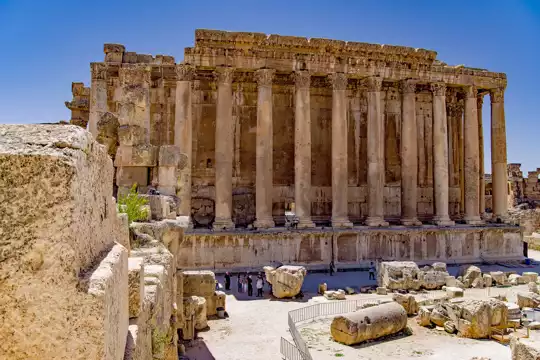
.jpg) Hi, I’m Johan (Netherlands 🇳🇱), the creator of TakeYourBackpack. Over the past decade, I’ve backpacked through 80+ countries across six continents, gaining extensive experience with independent travel, long-term trips, and overland routes.
Hi, I’m Johan (Netherlands 🇳🇱), the creator of TakeYourBackpack. Over the past decade, I’ve backpacked through 80+ countries across six continents, gaining extensive experience with independent travel, long-term trips, and overland routes.