v2.webp)
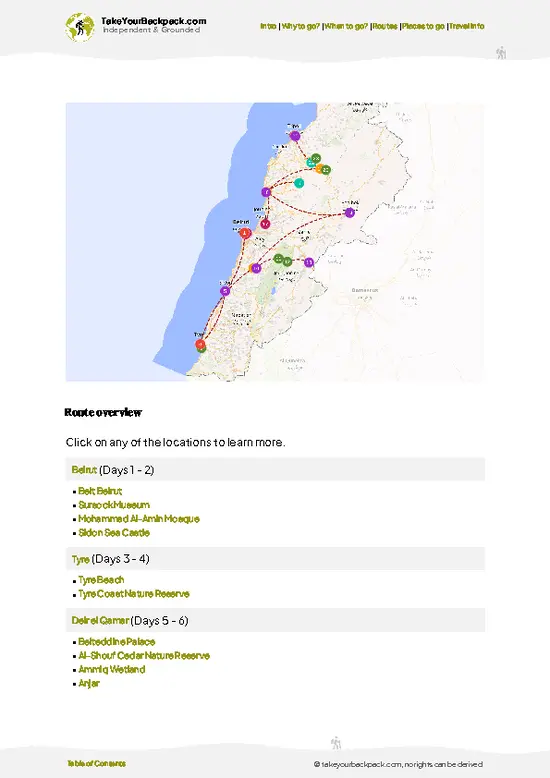
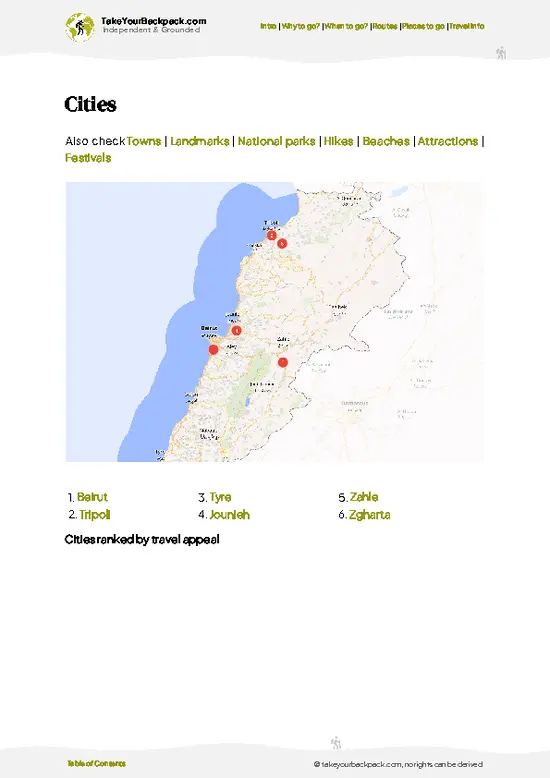
- Citadel of Raymond de Saint-Gilles (Qala’at Sanjil) — The big medieval fortress that dominates Tripoli’s skyline; climb the ramparts for layered views of the old city, the port and the jumble of Mamluk buildings below, and to actually feel the city’s Crusader/Mamluk history under your feet.
- Tripoli Old Souks (the covered Mamluk market quarter) — A dense maze of narrow alleys, workshops and traditional storefronts where you can still see craftsmen, smell spices and buy local sweets; visiting here is the best way to experience the day-to-day pulse of historic Tripoli.
- Mansouri Great Mosque (Jami’ al-Mansouri) — A major Mamluk-era mosque with striking stonework, carved minbar and a calm courtyard; it’s a quiet architectural anchor in the old city and helps explain why Tripoli was a medieval
- Citadel of Raymond de Saint-Gilles (Qala’at Sanjil) — The big medieval fortress that dominates Tripoli’s skyline; climb the ramparts for layered views of the old city, the port and the jumble of Mamluk buildings below, and to actually feel the city’s Crusader/Mamluk history under your feet.
- Tripoli Old Souks (the covered Mamluk market quarter) — A dense maze of narrow alleys, workshops and traditional storefronts where you can still see craftsmen, smell spices and buy local sweets; visiting here is the best way to experience the day-to-day pulse of historic Tripoli.
- Mansouri Great Mosque (Jami’ al-Mansouri) — A major Mamluk-era mosque with striking stonework, carved minbar and a calm courtyard; it’s a quiet architectural anchor in the old city and helps explain why Tripoli was a medieval cultural hub.
- Taynal Mosque — Smaller and less touristy than the Mansouri but rich in detail: elegant Mamluk-era arches, ornate stone decoration and a peaceful atmosphere — perfect if you want authentic historic architecture without the crowds.
- Khan al-Saboun (the Soap Khan) and nearby soap workshops — Tripoli is famous for traditional olive-oil soap; this former caravanserai turned cluster of soap shops and small manufacturers is where you can watch production, sniff raw scents and buy real local soap (not the touristy stuff).
- Traditional public baths (historic hammams in the old city) — Several Ottoman/Mamluk-era hammams remain; even if you don’t bathe, their tiled chambers and vaulted steam rooms are atmospheric, plus some are still functioning if you want a cheap, local spa experience.
- Khan al-Khayyatin and other khans (old caravan inns) — These restored/standing khans give a clear sense of Tripoli’s role as a mercantile crossroads; many now house cafes, workshops or small museums, and wandering them shows a side of the city beyond mosques and towers.
- Al-Tell Clock Tower & municipal square — The Ottoman-era clock tower sits at a busy crossroads and is an easy local landmark; the surrounding streets are great for people-watching, grabbing street food and getting oriented in the old city.
- Rashid Karami International Fair (Niemeyer complex) — The haunting modernist ruins designed by Oscar Niemeyer on Tripoli’s outskirts are unique in Lebanon: an unfinished, sculptural fairground that’s great for photography and for seeing a different, 20th-century layer of the city’s story.
- Beit al-Makassib / traditional Ottoman houses and restored mansions — Scattered through the old quarters are beautifully carved wooden mashrabiyas, painted ceilings and restored family houses (some open as guesthouses or small museums) that show how wealthy urban life looked in Tripoli decades ago.
Spotted a mistake or missing something? Contact us.

Pigeon Rocks Boat Ride Beirut (Raouche Rocks)

Paragliding activity in Lebanon

Paragliding Trip Over Jounieh bay

PRIVATE Beirut Historical Walking Half Day Tour

Lebanon Tour Jeita Grotto -Harissa & Byblos Castle, pickup+Guide

Jeita Grotto, Byblos and Harissa Full-Day Tour from Beirut

Private Jeita Grotto, Harissa Cable Car, Byblos & Dog River Tour

Private Lebanese Cooking Class in Beirut with Amal + Transfers

Cedars, Bsharre & Kozhaya Day Tour


 Best Backpacking
.jpg) Hi, I’m Johan (Netherlands 🇳🇱), the creator of TakeYourBackpack. Over the past 3 decades, I’ve backpacked through 90+ countries across six continents, gaining extensive experience with independent travel, long-term trips, and overland routes.
Hi, I’m Johan (Netherlands 🇳🇱), the creator of TakeYourBackpack. Over the past 3 decades, I’ve backpacked through 90+ countries across six continents, gaining extensive experience with independent travel, long-term trips, and overland routes.