×

Lesotho🇱🇸 | hikesMaluti Mountainsrolling highlands, panoramic ridges, shepherd settlements | things to do and best time to go

Explore Maletsunyane FallsExplore Sani Pass

Backpacking in Maluti Mountains
👌 Worth visitinghike ranked #4
By Johan Kruseman 🇳🇱 | Updated July 16, 2026

Forget the postcard fantasy: the Maluti Mountains aren’t some gentle, rolling highlands where you’ll skip along grassy meadows. The reality is rawer—rocky ridgelines, wind that bites, and trails that demand your lungs earn every meter. The Maluti range slices through northeastern Lesotho, forming the backbone of the country’s high-altitude drama. Hiking here means committing to long, leg-burning ascents and descents, often on goat tracks that vanish into scree or mud. The payoff? Views that punch you in the chest—jagged basalt cliffs, distant villages clinging to slopes, and skies so wide you’ll forget what a ceiling feels like. Getting to the trailhead is half the adventure: public minibuses crawl up from Maseru, but expect delays and a bit of chaos. Compared to the more manicured paths around Sani Pass or Thaba Bosiu, the Maluti trails are wilder, less forgiving, and infinitely more rewarding if you’re after real mountain grit.

Discover everything you want to know in the 📖 Lesotho Travel Guide.
Best time to go: March - October
Duration: 7 to 10 days
Distance: 10 kilometers
Total ascent: 1,000 to 2,500 meters


Get your Lesotho guide
42 ranked highlights, routes & tips, works offline (178 pages)
Loading the map 🌍
CLICK TO FILTER
cities
towns
villages
landmarks
national parks
hikes
attractions
festivals
regions
SHOW COUNTRY’S BESTSHOW ALL

✨ Why go?
Ranked #4 hike in Lesotho
What makes it a must-see hike

The Maluti Mountains in Lesotho are a backpacker’s playground, where the scenery-to-effort ratio is off the charts. Imagine rugged peaks rising sharply against a sky that seems to stretch forever. You’ll feel the burn in your legs as you tackle the trails, but every step is rewarded with breathtaking views that make you forget the sweat.

Access is a breeze with public transport options that drop you right at the trailheads. You can hop on a bus from Maseru, and before you know it, you’re surrounded by the raw beauty of this untouched landscape. Plus, it’s incredibly low cost—perfect for those on a budget.

The trails offer flexible distances, allowing you to customize your adventure. Whether you want a quick day hike or a multi-day trek, you can easily fit this into a longer backpacking … read more 👉
The Maluti Mountains in Lesotho are a backpacker’s playground, where the scenery-to-effort ratio is off the charts. Imagine rugged peaks rising sharply against a sky that seems to stretch forever. You’ll feel the burn in your legs as you tackle the trails, but every step is rewarded with breathtaking views that make you forget the sweat.

Access is a breeze with public transport options that drop you right at the trailheads. You can hop on a bus from Maseru, and before you know it, you’re surrounded by the raw beauty of this untouched landscape. Plus, it’s incredibly low cost—perfect for those on a budget.

The trails offer flexible distances, allowing you to customize your adventure. Whether you want a quick day hike or a multi-day trek, you can easily fit this into a longer backpacking route through Southern Africa. The moment you reach a summit and take in the sweeping vistas, you’ll understand why this hike is a must for any serious adventurer. Grab that first cold beer afterward; you’ve earned it!
Want to include Maluti Mountains in your Lesotho route?
Create a personalized Lesotho itinerary that includes Maluti Mountains and the places that fit your trip — based on your travel style, budget, and available time. Get your route in seconds.

Generate my trip

💡 HighlightsEssential experiences to have while hiking the Maluti Mountains

  1. Thabana Ntlenyana (the highest peak) — The crown of southern Africa at roughly 3,482 m, so the sense of being on the roof of the region is real. The trail climbs through scree slabs and windswept alpine grasslands, with massive panoramic views that make every steep switchback worth it. Expect thin air, fast-changing weather and lonely ridgelines — the kind of hike that feels properly adventurous rather than groomed.
  2. Sehlabathebe National Park — A high-altitude wonderland of sandstone pinnacles, rare wetlands and ancient rock art. Hikes here mix dramatic cliff-edge views with quiet peat bogs and endemic plants you won’t see on lowland trails. It’s also one of the best places to catch Basotho shepherds and ponies going about daily life, so the cultural beats the touristy.
  3. Sani Pass / Sani
read more 👉
  1. Thabana Ntlenyana (the highest peak) — The crown of southern Africa at roughly 3,482 m, so the sense of being on the roof of the region is real. The trail climbs through scree slabs and windswept alpine grasslands, with massive panoramic views that make every steep switchback worth it. Expect thin air, fast-changing weather and lonely ridgelines — the kind of hike that feels properly adventurous rather than groomed.
  2. Sehlabathebe National Park — A high-altitude wonderland of sandstone pinnacles, rare wetlands and ancient rock art. Hikes here mix dramatic cliff-edge views with quiet peat bogs and endemic plants you won’t see on lowland trails. It’s also one of the best places to catch Basotho shepherds and ponies going about daily life, so the cultural beats the touristy.
  3. Sani Pass / Sani Top — Not just a road: the pass is a brutal, beautiful climb up the escarpment that you can hike if you like steep, technical trails (or watch from a 4x4). The ridge walk near Sani Top gives ridiculous drop-offs and the border vibe is unique — you can stand in South Africa and Lesotho at once and grab a beer at the famous high-altitude pub if you time it right.
  4. Maletsunyane Falls (Semonkong) — A thunderous cascade that plunges into a narrow basalt gorge, throwing up mist, rainbows and a photographic playground. The approach is an easy-to-moderate walk with dramatic framing; for the brave, there’s one of the world’s longest commercial abseils here. The surrounding village and pony trails add a local, lived-in feel to the scenery.
  5. Katse Reservoir & Dam wall — A surprise: massive, glassy water set among jagged mountain slopes. The dam changes the mountain scenery with long fjord-like inlets, great reflections at sunrise and stark cliffs to hike along. It’s also interesting for the human story—engineering in the highlands—so the landscape feels both wild and altered, and you’ll often see fishermen, grazing flocks and remote settlements along the shore.
Spotted a mistake or missing something? Contact us.

Things to do near Maluti Mountains

Ratings based on Tripadvisor reviews. When you book through this link, you support our work at no extra cost to you.

🌤️ When to go?Seasonal considerations and timing


  • Weather: The Maluti Mountains demand respect. Summer (November to March) brings heavy rains, turning trails into slippery mudslides and rivers into roaring torrents. Winter (June to August) is dry and crisp but can plunge below freezing at night, with daytime highs around 10°C (50°F).

  • Temperature: Spring (September to October) and autumn (April to May) offer the sweet spot—mild days between 15-20°C (59-68°F) and chilly nights that keep bugs at bay. Avoid the scorching highs of summer that can spike above 30°C (86°F) and the icy grip of winter nights.

  • Daylight Hours: Longer days in spring and autumn mean more trail time. Expect 10-12 hours of daylight, enough to push your pace without rushing, unlike the short winter days that cut your window.

  • Crowds: The Maluti Mountains don’t flood
read more 👉

  • Weather: The Maluti Mountains demand respect. Summer (November to March) brings heavy rains, turning trails into slippery mudslides and rivers into roaring torrents. Winter (June to August) is dry and crisp but can plunge below freezing at night, with daytime highs around 10°C (50°F).

  • Temperature: Spring (September to October) and autumn (April to May) offer the sweet spot—mild days between 15-20°C (59-68°F) and chilly nights that keep bugs at bay. Avoid the scorching highs of summer that can spike above 30°C (86°F) and the icy grip of winter nights.

  • Daylight Hours: Longer days in spring and autumn mean more trail time. Expect 10-12 hours of daylight, enough to push your pace without rushing, unlike the short winter days that cut your window.

  • Crowds: The Maluti Mountains don’t flood with tourists, but local hikers peak in summer holidays. Spring and autumn keep the trails quieter, letting you own the rugged paths.

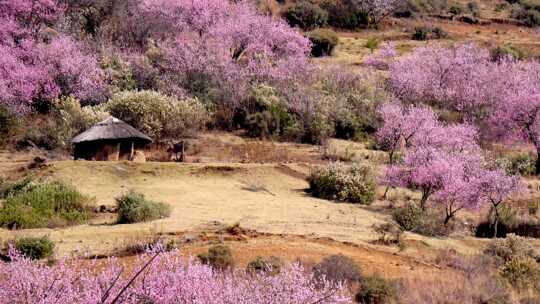
  • Seasonal Activities: Autumn brings harvest festivals in nearby villages—perfect for cultural pit stops. Spring bursts with wildflowers, adding color to the rocky terrain.

  • Price Fluctuations: Peak summer and holiday seasons hike prices on local guides and lodging. Shoulder seasons offer better deals without sacrificing experience quality.


Pro-tip: Aim for late spring or early autumn to dodge mud, crowds, and price spikes—this is when the Maluti Mountains reveal their raw, unfiltered beauty with manageable weather and plenty of daylight.


source: climatestotravel.comJANJanuary: fair for travelingFEBFebruary: fair for travelingMARMarch: good for travelingAPRApril: highly recommended for travelingMAYMay: highly recommended for travelingJUNJune: good for travelingJULJuly: good for travelingAUGAugust: good for travelingSEPSeptember: excellent for travelingOCTOctober: excellent for travelingNOVNovember: fair for travelingDECDecember: fair for traveling
when-to-go

✈️ The backpacker research shortcutLesotho Travel Guide

An offline-friendly backpacking guide with optimized travel routes, ranked highlights, transport advice, and the best areas to stay.
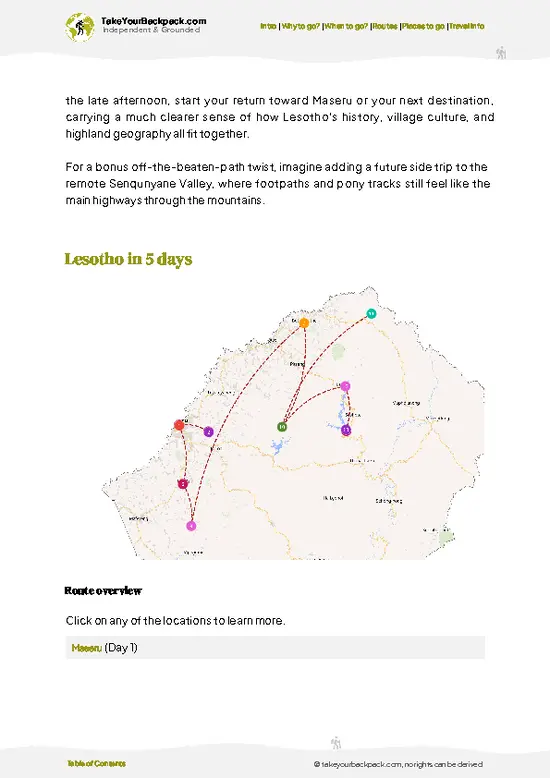
example page 0 from our offline Travel Guide for Lesotho
example page 1 from our offline Travel Guide for Lesotho
example page 2 from our offline Travel Guide for Lesotho
example page 3 from our offline Travel Guide for Lesotho
example page 4 from our offline Travel Guide for Lesotho
example page 5 from our offline Travel Guide for Lesotho
example page 6 from our offline Travel Guide for Lesotho
example page 7 from our offline Travel Guide for Lesotho
The digital guide (178 pages) contains:
42 highlights, ranked by travel appeal
Optimized 2, 3 & 5-day travel routes
Cities, national parks, landmarks, beaches
How to get around
Offline-friendly for travel without Wi-Fi
👉 Click to see all 30+ guide features

📅 Plan smarter in minutes, not weeks
Month by month travel advice
Festivals & national holidays
Budget expectations

🗺️ Go to the right places, skip the overrated ones
Honest pros & cons of destinations
Top hikes, parks & viewpoints
Lesser-known places most travelers miss
Clear “worth it vs skip it” guidance

🛏️ Travel smoothly without rookie mistakes
Best areas to stay
Transport systems explained simply
Common scams & safety advice
SIM cards, money & practical tips

🌍 Understand the country, not just visit it
Culture & traditions
52 Essential phrases & customs
Festivals worth planning around
Traveler-friendly historical context
Insights that make places more meaningful

📱 Built for real travel conditions
Fully downloadable PDF
Works completely offline
Optimized for phone use
Useful in remote areas & buses
Everything in one place
Save weeks of stressful planning
Get instant access to your full guide. 30‑day money-back guarantee.


By proceeding you agree to our terms.
Sent to your inbox immediately after payment • 100% Secure Checkout
Best Backpacking Travel Advisor 2025 tourism awardBest Backpacking
Travel Advisor
2025
What others say about Take Your Backpack Guides:
⭐⭐⭐⭐⭐
Fantastic, amazing amount of information!
⭐⭐⭐⭐⭐
My goodness this is amazing, it's what I've been looking for hats off too you!
⭐⭐⭐⭐⭐
I think this is absolutely BRILLIANT
⭐⭐⭐⭐
Very complete and informative. It's still missing places, but I gotta to commend you
⭐⭐⭐⭐⭐
This is truly amazing, thank you, can't wait to explore it with my kids!
⭐⭐⭐⭐⭐
Awesome resource, thank you!
⭐⭐⭐⭐⭐
This is amazing! Can't wait to explore the ones I haven't seen
⭐⭐⭐⭐
I love this! Well done, great idea.
⭐⭐⭐⭐⭐
Thanks for taking the time to make this gem!
⭐⭐⭐⭐⭐
This might be the best website I've ever seen.
⭐⭐⭐⭐⭐
Congratulations, and thank you so much for your work; it's incredibly valuable.
⭐⭐⭐⭐
In all seriousness I think you did a great job pointing out the important spots
⭐⭐⭐⭐⭐
10/10 very good
⭐⭐⭐⭐⭐
As someone who's only just starting to visit regularly this is awesome, thank you.
⭐⭐⭐⭐
Thank you very much! I'm going to visit my dad, it's going to be very useful!
⭐⭐⭐⭐⭐
This is really cool! We'll be travelling for the first time and this definitely come in handy.
⭐⭐⭐⭐⭐
You are now our minister of culture, congratulations 👨‍💼
⭐⭐⭐⭐⭐
Just wanted to tell you that this is a pearl! Going to follow your recommendations.
⭐⭐⭐⭐⭐
This is so cool. I'll definitely be using the resource for my travels soon.
⭐⭐⭐⭐⭐
This is very impressive! Good work.
⭐⭐⭐⭐⭐
This is an amazing and informative site. Very well done!

🛏️ Where to stay?Where staying makes the most sense

If you enjoy meeting fellow travelers, consider choosing hostels with high ratings for atmosphere. On the other hand, if you prefer having your own space, a hotel might be a better option.

🥾 Hike detailsHike details: route, duration, and difficulty of Maluti Mountains

Total Distance: The Maluti Mountains trail stretches approximately 60 kilometers (about 37 miles) if you’re tackling the full circuit. Most folks break it into segments, making it easier to manage.

Estimated Duration: Depending on your pace and how often you stop to take in the views, you’re looking at around 4 to 7 days. It’s a good idea to budget time for some leisurely exploration.

Difficulty Level: This trail is generally rated as moderate to challenging. You’ll encounter some steep ascents and rocky paths, so a decent level of fitness is helpful. If you’re used to hiking, you should be … read more 👉
Total Distance: The Maluti Mountains trail stretches approximately 60 kilometers (about 37 miles) if you’re tackling the full circuit. Most folks break it into segments, making it easier to manage.

Estimated Duration: Depending on your pace and how often you stop to take in the views, you’re looking at around 4 to 7 days. It’s a good idea to budget time for some leisurely exploration.

Difficulty Level: This trail is generally rated as moderate to challenging. You’ll encounter some steep ascents and rocky paths, so a decent level of fitness is helpful. If you’re used to hiking, you should be fine, but don’t underestimate it.

Starting Point: The trail typically begins in the town of Mokhotlong. To get there by public transport, catch a bus from Maseru, the capital city. The journey takes about 5 to 7 hours, and you might want to grab some snacks for the road—options can be limited.

Major Landmarks Along the Route:
  • Thabana Ntlenyana: This is the highest peak in Southern Africa, and it’s a must-see if you’re in the area.
  • Katse Dam: A stunning sight, this dam is the largest in Lesotho and offers some fantastic views.
  • Local Villages: You’ll pass through small Basotho villages, which is a great opportunity to interact with locals and learn about their culture.

Type of Terrain and Scenery: Expect a mix of rocky paths, grassy ridges, and some muddy sections, especially after rain. The scenery is breathtaking—think rolling hills, dramatic cliffs, and sweeping valleys. You’ll also find some alpine-like landscapes, which can be a nice change if you’re coming from flatter areas.

Typical Vegetation and Wildlife:
  • Vegetation: You’ll see a mix of grasslands, wildflowers, and some hardy shrubs. In higher altitudes, the vegetation becomes sparser, giving way to rocky outcrops.
  • Wildlife: Keep your eyes peeled for various bird species, including the majestic bearded vulture. You might also spot small mammals like the rock hyrax.

This trail offers a fantastic mix of adventure, culture, and stunning landscapes, making it a memorable choice for independent hikers. Just remember to pack enough water and snacks, and maybe a good book for the evenings!
⚠️ Hiking info can sometimes be outdated or inaccurate. Before you hit the trail, check the latest conditions with locals. If you do spot anything that's off, I'd love to hear from you, so I can update it for fellow travelers.

🛡️ SafetyTraveler Safety Guide

The Maluti Mountains offer a rugged beauty that demands respect but rewards effort. Weather can shift rapidly; sunny mornings can morph into chilly downpours by afternoon. Dress in layers and pack a waterproof jacket.

The trails are well-marked but can be steep and rocky. Watch your footing, especially on descents. Navigation is straightforward, but a map and compass are wise companions. River crossings may occur, so be prepared to get your feet wet—waterproof boots can save you from soggy socks.

Wildlife is present but generally shy. If you spot a baboon or a herd of sheep, keep your distance and don’t feed them.

Timing is key; start early to avoid afternoon storms. With the right gear and a steady pace, you’ll find the climb worth every step, culminating in breathtaking views that make the effort sing.

Other Basotho hikes near Maluti Mountains

Explore more nearby:


💡 Not sure where to go next?
Create a personalized itinerary for Lesotho including Maluti Mountains and the places that fit your trip.

Generate my itinerary

👉 Discover all hikes

Or checkout all Lesotho has to offer (think cities, towns, villages, national parks, hikes, beaches, festivals)
Country photo of Lesotho

We 💚 feedbackWhat to keep in mind

The Maluti Mountains are raw and real, a place where the air bites and the views punch you in the gut. You’ll stumble upon shepherds tending their flocks, their laughter echoing against the peaks. The best surprise? That first sip of local beer after a long hike—it’s like liquid gold. Just a heads-up: the trails can be tricky, so don’t underestimate them. But trust me, the payoff is worth every step. Embrace the grit; it’s part of the magic.

✍️ Help improve this page!
The information on this page is based on in-depth research, insights shared by experienced travelers, and feedback from the local travel community in Lesotho. While every effort is made to keep the information accurate and current, conditions can change — so if you spot anything incorrect or outdated, please get in touch.


🙋‍♂️ Give feedback

👋 Meet the founderWho’s Behind Take Your Backpack?

Johan, backpacker and founder of TakeYourBackpackHi, I’m Johan (Netherlands 🇳🇱), the creator of TakeYourBackpack. Over the past decade, I’ve backpacked through 80+ countries across six continents, gaining extensive experience with independent travel, long-term trips, and overland routes.

This site is built on a combination of firsthand travel experience and carefully curated insights from other backpackers. Many guides are based on places I’ve personally visited, while others bring together tips, observations, and practical advice shared by trusted travelers I’ve met along the way.

The goal is to provide realistic, experience-driven guidance — not generic itineraries — so you can explore destinations with better context, clearer expectations, and more confidence.

Get full Lesotho guide •
Instant download • 42 highlights • Full Offline guide