×

Lesotho🇱🇸 | villagesHa LejoneKatse Dam access, lakeside views, mountain air | things to do and best time to go

Explore Senqu river sourceExplore Malealea

Backpacking in Ha Lejone
👍 Recommendedvillage ranked #2
By Johan Kruseman 🇳🇱 | Updated September 3, 2026

You’ll face a real fork in the road at Ha Lejone: do you linger here, or push on to the more famous mountain passes? Ha Lejone sits in northern Lesotho, where the asphalt thins and the Maloti mountains start to feel close enough to touch. The town itself is small, practical, and honest—more crossroads than destination, with a few basic shops, a scattering of guesthouses, and the kind of quiet that settles in after dusk. It’s not a place for nightlife or urban buzz, but it’s a strategic launchpad for the Katse Dam or the wild, empty roads north. Getting here means minibus taxis or a private car; public transport is infrequent and slow, but the journey is half the story—hairpin turns, cold air, and the scent of woodsmoke. Costs are low, safety is typical for rural Lesotho (watch your bag, but relax), and you’ll meet more locals than backpackers. Compared to the busier Katse village or the touristy Sani Pass, Ha Lejone feels raw, less polished, and more rewarding for those who want to earn their mountain air.

Discover everything you want to know in the 📖 Lesotho Travel Guide.


Get your Lesotho guide
42 ranked highlights, routes & tips, works offline (178 pages)
Loading the map 🌍
CLICK TO FILTER
cities
towns
villages
landmarks
national parks
hikes
attractions
festivals
regions
SHOW COUNTRY’S BESTSHOW ALL

✨ Why go?
Ranked #2 village in Lesotho
The unique appeal for travelers

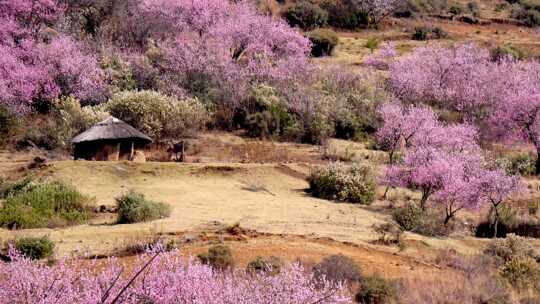
Ha Lejone serves as a gateway for backpackers exploring Lesotho’s rugged beauty. Nestled near stunning hikes like the Maluti Mountains, it’s a strategic stop for those seeking adventure without the chaos of larger towns. The walkable streets invite you to meander, with cozy guesthouses and hostels that foster a friendly atmosphere, perfect for solo travelers or small groups. Local eateries offer hearty meals that reflect the region’s culture, making every bite a connection to the land. Most travelers linger a few days, soaking in the slow pace and engaging with fellow adventurers. If you crave authentic experiences and a sense of community, Ha Lejone is your ideal base.
Want to include Ha Lejone in your Lesotho route?
Create a personalized Lesotho itinerary that includes Ha Lejone and the places that fit your trip — based on your travel style, budget, and available time. Get your route in seconds.

Generate my trip

💡 HighlightsMust-see experiences and standout moments

  • Village viewpoint above Katse Reservoir — a short walk from the cluster of houses brings you to a sweeping outlook over the Malibamat’so/Katse waters; great for sunrise photos and seeing how the dam carves into the highland landscape.
  • Ha Lejone morning market — a small, lively market where locals sell eggs, maize, home-baked goods and the odd woven basket; best early in the day for real interaction and cheap snacks.
  • Traditional Basotho homestead cluster — a tight group of thatched rondavels and cattle kraals; visiting (with permission) gives a clear, grounded sense of everyday family life and architecture here.
  • Chief’s kraal (khotla) and meeting place — the social and administrative heart of the village; come during a public meeting or cultural event to hear local debate, songs and oral
read more 👉
  • Village viewpoint above Katse Reservoir — a short walk from the cluster of houses brings you to a sweeping outlook over the Malibamat’so/Katse waters; great for sunrise photos and seeing how the dam carves into the highland landscape.
  • Ha Lejone morning market — a small, lively market where locals sell eggs, maize, home-baked goods and the odd woven basket; best early in the day for real interaction and cheap snacks.
  • Traditional Basotho homestead cluster — a tight group of thatched rondavels and cattle kraals; visiting (with permission) gives a clear, grounded sense of everyday family life and architecture here.
  • Chief’s kraal (khotla) and meeting place — the social and administrative heart of the village; come during a public meeting or cultural event to hear local debate, songs and oral history.
  • Ha Lejone Primary School — more than a building: a community hub where you can see school life, sometimes join in simple activities, and meet families — always knock and ask first.
  • Village chapel — the local church or chapel is where people gather weekly; attending a service offers an authentic glimpse into spiritual and social rhythms.
  • Shepherding paths and summer pastures — walk the routes shepherds use to graze sheep and cattle; it’s low-key, immersive, and a real way to experience Basotho pastoral life.
  • Dry-stone terraces and field systems — the small, hand-built stone walls and plots around Ha Lejone show traditional farming techniques and make for pleasant, informative walks.
  • Community water spring / stream — a practical meeting spot where locals collect water and wash; simple but revealing of daily routines and social exchange in the village.
  • Local craft corner (weavers and embroiderers) — small-scale craft activity — baskets, blankets or embroidered items — often made at home; buying directly supports families and gives a hands-on look at local skills.
A few real, visitable day-trip highlights just outside Ha Lejone include the Katse Dam and its visitor centre, nearby highland walking routes around the reservoir, and the market/town of Butha-Buthe.
Spotted a mistake or missing something? Contact us.

Things to do near Ha Lejone

Ratings based on Tripadvisor reviews. When you book through this link, you support our work at no extra cost to you.

⌛️ 1 dayWhat you can realistically do in a day

Ha Lejone, a charming town in Lesotho, offers a slice of authentic Basotho life, framed by stunning mountain vistas. The air is crisp, infused with the earthy scent of the surrounding highlands. Start your day early at the local market, where vibrant stalls burst with fresh produce and handmade crafts. Engage with the vendors; their stories add depth to your experience.

After soaking in the morning hustle, head to the nearby Thaba-Bosiu Cultural Village. This site, often overlooked by tourists, is rich in history and offers a glimpse into the life of King Moshoeshoe I. The guided tour is enlightening, revealing the strategic significance of the mountain and its role in Basotho culture.

In the afternoon, wander through the residential neighborhoods, where you can admire traditional thatched-roof … read more 👉
Ha Lejone, a charming town in Lesotho, offers a slice of authentic Basotho life, framed by stunning mountain vistas. The air is crisp, infused with the earthy scent of the surrounding highlands. Start your day early at the local market, where vibrant stalls burst with fresh produce and handmade crafts. Engage with the vendors; their stories add depth to your experience.

After soaking in the morning hustle, head to the nearby Thaba-Bosiu Cultural Village. This site, often overlooked by tourists, is rich in history and offers a glimpse into the life of King Moshoeshoe I. The guided tour is enlightening, revealing the strategic significance of the mountain and its role in Basotho culture.

In the afternoon, wander through the residential neighborhoods, where you can admire traditional thatched-roof homes. Stop by a local café for a hearty meal of pap and chakalaka, a dish that warms you from the inside out.

As evening approaches, find a spot with a view of the sunset over the mountains. The sky transforms into a canvas of oranges and purples, a perfect backdrop for reflection. End your day with a visit to a local tavern, where you can enjoy traditional music and perhaps even join in a dance. This blend of culture, history, and community makes your day in Ha Lejone not just a visit, but a meaningful journey.
Turn your Ha Lejone visit into an Lesotho adventure
Build a complete Lesotho route with Ha Lejone, hidden gems, must-see destinations, and realistic travel times included.

Generate my trip

🌤️ When to go?Best time to visit Ha Lejone


  • Weather: Ha Lejone’s climate swings between crisp, dry winters and cool, wet summers. From May to August, expect chilly days around 5°C (41°F) and nights dipping near freezing, which means frost on the ground and a sharp, clear air that sharpens every mountain contour.

  • Temperature: Summer months (November to March) bring milder highs around 20°C (68°F), but humidity and afternoon showers can dampen plans. The dry winter months offer more stable conditions, perfect for trekking without the mud.

  • Daylight Hours: Longer days from October to March stretch daylight to about 12-14 hours, giving you more time to explore the rugged landscape before dusk settles in with a cold bite.

  • Crowds: Tourist traffic peaks in summer, especially December and January, when local festivals and holidays draw
read more 👉

  • Weather: Ha Lejone’s climate swings between crisp, dry winters and cool, wet summers. From May to August, expect chilly days around 5°C (41°F) and nights dipping near freezing, which means frost on the ground and a sharp, clear air that sharpens every mountain contour.

  • Temperature: Summer months (November to March) bring milder highs around 20°C (68°F), but humidity and afternoon showers can dampen plans. The dry winter months offer more stable conditions, perfect for trekking without the mud.

  • Daylight Hours: Longer days from October to March stretch daylight to about 12-14 hours, giving you more time to explore the rugged landscape before dusk settles in with a cold bite.

  • Crowds: Tourist traffic peaks in summer, especially December and January, when local festivals and holidays draw visitors. Winters are quieter, offering solitude but requiring better gear for the cold.

  • Seasonal Activities: Summer is prime for river crossings and wildflower blooms, while winter’s dry trails favor high-altitude hikes and clear night skies for stargazing.

  • Price Fluctuations: Accommodation and transport costs rise during the summer peak and festival periods. Off-season winter months see lower prices but fewer open services.


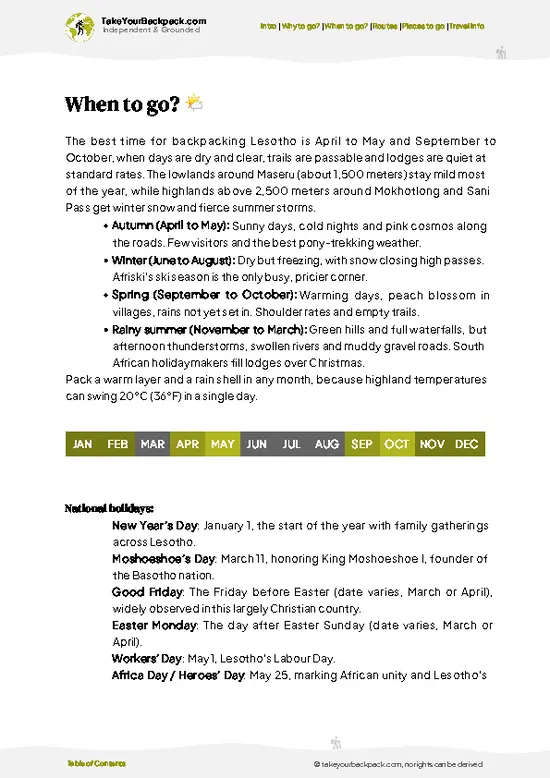
Pro-tip: Aim for late spring (September to early November) when the air is crisp but warming, trails are dry, and the crowds haven’t arrived—this sweet spot balances comfort, access, and cost like a pro.


source: climatestotravel.comJANJanuary: good for travelingFEBFebruary: good for travelingMARMarch: good for travelingAPRApril: highly recommended for travelingMAYMay: highly recommended for travelingJUNJune: highly recommended for travelingJULJuly: highly recommended for travelingAUGAugust: highly recommended for travelingSEPSeptember: excellent for travelingOCTOctober: excellent for travelingNOVNovember: highly recommended for travelingDECDecember: good for traveling
lesotho-city-ha-lejone
© Google |

✈️ The backpacker research shortcutLesotho Travel Guide

An offline-friendly backpacking guide with optimized travel routes, ranked highlights, transport advice, and the best areas to stay.
example page 0 from our offline Travel Guide for Lesotho
example page 1 from our offline Travel Guide for Lesotho
example page 2 from our offline Travel Guide for Lesotho
example page 3 from our offline Travel Guide for Lesotho
example page 4 from our offline Travel Guide for Lesotho
example page 5 from our offline Travel Guide for Lesotho
example page 6 from our offline Travel Guide for Lesotho
example page 7 from our offline Travel Guide for Lesotho
The digital guide (178 pages) contains:
42 highlights, ranked by travel appeal
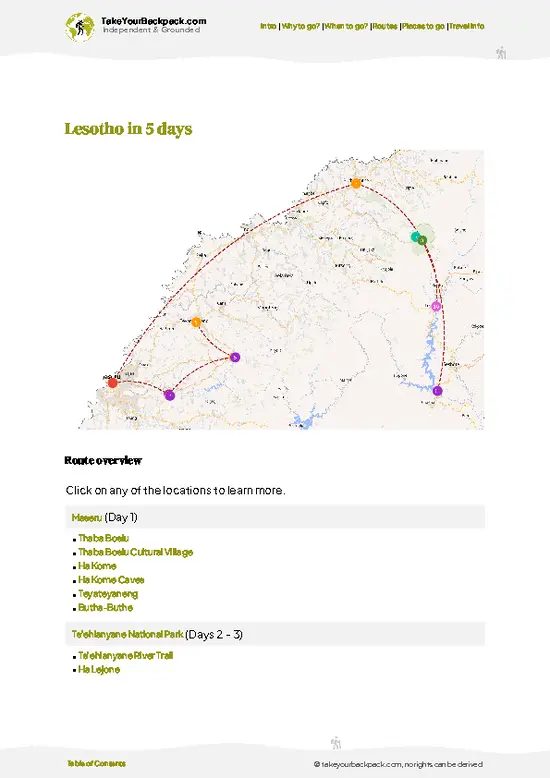
Optimized 2, 3 & 5-day travel routes
Cities, national parks, landmarks, beaches
How to get around
Offline-friendly for travel without Wi-Fi
👉 Click to see all 30+ guide features

📅 Plan smarter in minutes, not weeks
Month by month travel advice
Festivals & national holidays
Budget expectations

🗺️ Go to the right places, skip the overrated ones
Honest pros & cons of destinations
Top hikes, parks & viewpoints
Lesser-known places most travelers miss
Clear “worth it vs skip it” guidance

🛏️ Travel smoothly without rookie mistakes
Best areas to stay
Transport systems explained simply
Common scams & safety advice
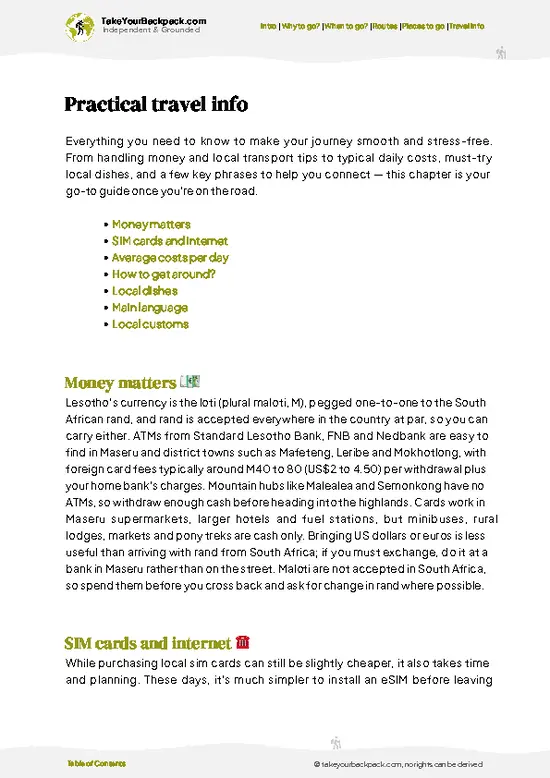
SIM cards, money & practical tips

🌍 Understand the country, not just visit it
Culture & traditions
52 Essential phrases & customs
Festivals worth planning around
Traveler-friendly historical context
Insights that make places more meaningful

📱 Built for real travel conditions
Fully downloadable PDF
Works completely offline
Optimized for phone use
Useful in remote areas & buses
Everything in one place
Save weeks of stressful planning
Get instant access to your full guide. 30‑day money-back guarantee.
+ Add another guide for just US$7.80

By proceeding you agree to our terms.
Sent to your inbox immediately after payment • 100% Secure Checkout
Best Backpacking Travel Advisor 2025 tourism awardBest Backpacking
Travel Advisor
2025
What others say about Take Your Backpack Guides:
⭐⭐⭐⭐⭐
Fantastic, amazing amount of information!
⭐⭐⭐⭐⭐
My goodness this is amazing, it's what I've been looking for hats off too you!
⭐⭐⭐⭐⭐
I think this is absolutely BRILLIANT
⭐⭐⭐⭐
Very complete and informative. It's still missing places, but I gotta to commend you
⭐⭐⭐⭐⭐
This is truly amazing, thank you, can't wait to explore it with my kids!
⭐⭐⭐⭐⭐
Awesome resource, thank you!
⭐⭐⭐⭐⭐
This is amazing! Can't wait to explore the ones I haven't seen
⭐⭐⭐⭐
I love this! Well done, great idea.
⭐⭐⭐⭐⭐
Thanks for taking the time to make this gem!
⭐⭐⭐⭐⭐
This might be the best website I've ever seen.
⭐⭐⭐⭐⭐
Congratulations, and thank you so much for your work; it's incredibly valuable.
⭐⭐⭐⭐
In all seriousness I think you did a great job pointing out the important spots
⭐⭐⭐⭐⭐
10/10 very good
⭐⭐⭐⭐⭐
As someone who's only just starting to visit regularly this is awesome, thank you.
⭐⭐⭐⭐
Thank you very much! I'm going to visit my dad, it's going to be very useful!
⭐⭐⭐⭐⭐
This is really cool! We'll be travelling for the first time and this definitely come in handy.
⭐⭐⭐⭐⭐
You are now our minister of culture, congratulations 👨‍💼
⭐⭐⭐⭐⭐
Just wanted to tell you that this is a pearl! Going to follow your recommendations.
⭐⭐⭐⭐⭐
This is so cool. I'll definitely be using the resource for my travels soon.
⭐⭐⭐⭐⭐
This is very impressive! Good work.
⭐⭐⭐⭐⭐
This is an amazing and informative site. Very well done!

🛏️ Where to stay?Best areas to stay in Lesotho

Ha Lejone’s heart for backpackers pulses strongest near the town center, where the air carries a mix of fresh mountain breeze and the faint, earthy scent of nearby fields. This area is your best bet for safety and social buzz—streets are lively enough to feel secure but not overwhelming, with locals and travelers mingling in small cafés and markets. It’s where budget stays cluster, offering simple dorms and shared spaces that naturally invite conversation. Compared to the quieter outskirts, this central zone keeps you plugged into the town’s rhythm without the isolation that can dull a solo trip. … read more 👉
Ha Lejone’s heart for backpackers pulses strongest near the town center, where the air carries a mix of fresh mountain breeze and the faint, earthy scent of nearby fields. This area is your best bet for safety and social buzz—streets are lively enough to feel secure but not overwhelming, with locals and travelers mingling in small cafés and markets. It’s where budget stays cluster, offering simple dorms and shared spaces that naturally invite conversation. Compared to the quieter outskirts, this central zone keeps you plugged into the town’s rhythm without the isolation that can dull a solo trip. The vibe here is relaxed but alive, perfect for swapping stories over a fire or planning your next trek. Venturing too far out means losing that easy access to community and practical amenities, turning your stay from a shared adventure into a logistical headache. Stick close, and you’ll find the right balance of comfort, connection, and authentic local flavor.

🚌 Getting aroundMoving around without the hassle

Ha Lejone moves at its own rhythm—less clockwork, more pulse. The town’s heartbeat is set by the sun sliding behind the rugged peaks and the slow, steady clatter of daily life. It’s not about strict timetables but about catching the right moment, the right mood. You’ll find the scent of wood smoke mingling with fresh mountain air, and the streets hum with a mix of purposeful steps and casual pauses. Here, time feels elastic; the challenge is syncing your plans with the town’s natural flow rather than forcing it into a rigid schedule.


  • Walking: The most reliable and immersive way to get around. Ha Lejone’s compact layout means you can cover most spots on foot within 20-30 minutes. The terrain is uneven—expect some rocky paths and steep inclines—so sturdy shoes are a must. Walking lets you
read more 👉
Ha Lejone moves at its own rhythm—less clockwork, more pulse. The town’s heartbeat is set by the sun sliding behind the rugged peaks and the slow, steady clatter of daily life. It’s not about strict timetables but about catching the right moment, the right mood. You’ll find the scent of wood smoke mingling with fresh mountain air, and the streets hum with a mix of purposeful steps and casual pauses. Here, time feels elastic; the challenge is syncing your plans with the town’s natural flow rather than forcing it into a rigid schedule.


  • Walking: The most reliable and immersive way to get around. Ha Lejone’s compact layout means you can cover most spots on foot within 20-30 minutes. The terrain is uneven—expect some rocky paths and steep inclines—so sturdy shoes are a must. Walking lets you soak in the crisp mountain air and catch the subtle shifts in light as the day unfolds.


  • Local Minibus (Taxi-Brousse): These shared minibuses are the budget traveler’s lifeline for longer distances. They don’t run on a strict schedule; departures happen when full, so patience is key. Fares are low, but expect a tight squeeze and a bumpy ride on gravel roads. They connect Ha Lejone to nearby villages and the main highway, making them essential for exploring beyond the town.


  • Motorcycle Taxi: For quick hops or when time is tight, motorcycle taxis zip through narrow lanes and rough patches with ease. Negotiate the fare upfront—prices are generally affordable but can vary. Helmets might not be standard, so brace for the wind and dust. This option is faster than walking and more flexible than minibuses, perfect for last-minute errands or catching a sunset viewpoint.


  • Bicycle Rental: If you’re up for a bit of exercise and independence, renting a bike is a smart move. The roads can be rugged, so a mountain bike is ideal. It’s a quiet, eco-friendly way to explore the outskirts and hidden trails at your own pace. Rentals are inexpensive and usually available through guesthouses or local shops.

👛 Costs (as of 3 September 2026)How expensive it really is

Backpacking in Ha Lejone, Lesotho, demands a practical approach to budgeting, as the town’s remote setting shapes costs in a way that’s straightforward but not always cheap. Here’s what you can expect day-to-day:
  • Dorm Accommodation: Options are limited and basic, often in community lodges or small guesthouses. Expect to pay around €10-€15 per night. The rooms are simple, with shared bathrooms, but clean enough to rest after a day on the trails.
  • Meals: Food here leans heavily on local staples—maize porridge, beans, and occasional meat. Street food or small local eateries will cost about €3-€6 per meal. Western-style or imported items are rare and pricier, so sticking to local fare keeps your budget lean.
  • Local Transport: Public transport is mostly minibus taxis or shared 4x4s, essential
read more 👉
Backpacking in Ha Lejone, Lesotho, demands a practical approach to budgeting, as the town’s remote setting shapes costs in a way that’s straightforward but not always cheap. Here’s what you can expect day-to-day:
  • Dorm Accommodation: Options are limited and basic, often in community lodges or small guesthouses. Expect to pay around €10-€15 per night. The rooms are simple, with shared bathrooms, but clean enough to rest after a day on the trails.
  • Meals: Food here leans heavily on local staples—maize porridge, beans, and occasional meat. Street food or small local eateries will cost about €3-€6 per meal. Western-style or imported items are rare and pricier, so sticking to local fare keeps your budget lean.
  • Local Transport: Public transport is mostly minibus taxis or shared 4x4s, essential for getting around since Ha Lejone is quite spread out. A typical ride costs €1-€3 depending on distance. Hiring a private vehicle is possible but jumps the price significantly.
  • Basic Activities/Entry Fees: Most natural attractions around Ha Lejone, like hiking trails or cultural visits, have minimal or no entry fees, usually under €2. Guided tours, if you opt for them, can run €10-€20 but are not mandatory.
  • Miscellaneous Expenses: Think small purchases like bottled water, snacks, or phone credit. These add up to about €2-€5 daily. Keep cash handy, as card payments are rare outside main towns.

Altogether, a realistic daily budget for backpacking in Ha Lejone sits between €20 and €40. This range covers the essentials without cutting corners but also leaves room to enjoy the local culture and landscape without constant worry about overspending.
⚠️ Prices can change and everyone travels differently, so take this as a rough guide. Hope it helps you plan your adventure!

🚌 Day tripsShort trips worth adding

Ha Lejone is a backpacker’s dream base, offering easy access to breathtaking landscapes and rich culture. Here are some day trips that will make your journey truly rewarding.

Sani Pass Adventure
This iconic route is a must-do. The winding road takes you through stunning mountain scenery, culminating at the highest pub in Africa. The drive is about an hour from Ha Lejone, and you’ll want to budget around $30 for transport and entry fees. Best tackled during the dry months from May to September, the views are jaw-dropping. A common mistake? Underestimating the altitude; pack layers, as temperatures can drop quickly.
👉 Explore Sani Pass

Katse Dam Exploration
Just a two-hour drive away, Katse Dam is a marvel of engineering surrounded by dramatic cliffs. The dam tour costs about $10, and … read more 👉
Ha Lejone is a backpacker’s dream base, offering easy access to breathtaking landscapes and rich culture. Here are some day trips that will make your journey truly rewarding.

Sani Pass Adventure
This iconic route is a must-do. The winding road takes you through stunning mountain scenery, culminating at the highest pub in Africa. The drive is about an hour from Ha Lejone, and you’ll want to budget around $30 for transport and entry fees. Best tackled during the dry months from May to September, the views are jaw-dropping. A common mistake? Underestimating the altitude; pack layers, as temperatures can drop quickly.
👉 Explore Sani Pass

Katse Dam Exploration
Just a two-hour drive away, Katse Dam is a marvel of engineering surrounded by dramatic cliffs. The dam tour costs about $10, and you can spend the day hiking along the shores or enjoying a picnic with a view. Spring (September to November) is ideal, with wildflowers blooming. Many first-timers miss the chance to explore the nearby villages; don’t skip this cultural immersion.
👉 Explore Katse Dam

Thaba Bosiu Cultural Experience
Only 30 minutes from Ha Lejone, Thaba Bosiu is steeped in history. This flat-topped mountain was the stronghold of the Basotho nation. A guided tour costs around $5 and offers insights into local legends and traditions. Visit in the early morning to avoid the heat and catch the sunrise illuminating the peaks. A common oversight is not bringing enough water; it’s essential, especially in the summer.
👉 Explore Thaba Bosiu

Mokhotlong Day Hike
For the adventurous, a day hike in Mokhotlong is worth the effort. About two hours away, this area boasts breathtaking trails. Expect to spend around $15 for transport and snacks. Late spring is perfect for wildflower spotting. Many backpackers overlook the importance of hiring a local guide; they can enhance your experience with stories and ensure you don’t get lost.


Each of these trips offers a unique glimpse into Lesotho’s beauty and culture, making your stay in Ha Lejone unforgettable.
Want to know what more Lesotho offers?
The Lesotho Travel Guide describes 42 highlights, from cities to national parks, from beaches to hikes

Get the Travel Guide -

🛡️ SafetyScams, Hazards, and Annoyances

In Ha Lejone, safety is generally good, but a few practical tips can enhance your experience. Stay aware in crowded markets; pickpockets can be a nuisance. If you’re solo, avoid wandering too far after dark—stick to well-lit areas and main roads.

Local hospitality is warm, but some might try to sell you overpriced crafts or services. Approach offers with a friendly skepticism; it’s okay to politely decline. Carry yourself confidently, and engage with locals—they often appreciate genuine interest. This way, you’ll navigate the town smoothly, soaking in its charm without unnecessary distractions.

FAQFrequently asked questions about Ha Lejone

Ha Lejone is accessible by road from Maseru, the capital of Lesotho, typically requiring a 3 to 4-hour drive on mostly gravel roads. Hiring a 4x4 vehicle is recommended due to rough terrain, especially during the rainy season from November to April. Public transport options are limited, so arranging private transport or a guided tour is advisable.
Yes, Ha Lejone is worth the trip for its stunning mountain scenery and authentic Basotho village experience. It offers a peaceful retreat with opportunities for hiking and cultural interaction, especially appealing to travelers interested in rural life and nature. The area is less touristy, providing a genuine and quiet atmosphere.
Yes, Ha Lejone can be visited as a day trip from Maseru, but it will be a long day due to travel time. Expect around 6 to 8 hours round trip, so starting early is essential. Overnight stays are recommended if you want to explore the area more thoroughly and avoid rushed visits.
⚠️ Things can change over time, so always validate details locally before you go.

Expanding your trip beyond this stop

Ha Lejone isn’t the only highlight in Lesotho. Explore all what Lesotho has to offer.
Country photo of Lesotho

We 💚 feedbackParting advice and final tips

Ha Lejone feels like a warm embrace, with its crisp mountain air and the earthy scent of traditional huts. The best surprise? The locals’ genuine smiles and stories that linger long after you leave. Just be ready for the altitude; it can take your breath away—literally. Embrace the challenge; the views are worth it.

✍️ Help improve this page!
The information on this page is based on in-depth research, insights shared by experienced travelers, and feedback from the local travel community in Lesotho. While every effort is made to keep the information accurate and current, conditions can change — so if you spot anything incorrect or outdated, please get in touch.


🙋‍♂️ Give feedback

👋 Meet the founderWho’s Behind Take Your Backpack?

Johan, backpacker and founder of TakeYourBackpackHi, I’m Johan (Netherlands 🇳🇱), the creator of TakeYourBackpack. Over the past decade, I’ve backpacked through 80+ countries across six continents, gaining extensive experience with independent travel, long-term trips, and overland routes.

This site is built on a combination of firsthand travel experience and carefully curated insights from other backpackers. Many guides are based on places I’ve personally visited, while others bring together tips, observations, and practical advice shared by trusted travelers I’ve met along the way.

The goal is to provide realistic, experience-driven guidance — not generic itineraries — so you can explore destinations with better context, clearer expectations, and more confidence.

Get full Lesotho guide •
Instant download • 42 highlights • Full Offline guide