×

Libya🇱🇾 | best hikesThe Must-See 2 hikes in Libya

Hiking in Libya offers a unique blend of rugged landscapes and cultural depth that can transform your backpacking experience. From the Sahara’s vast dunes to the mountainous terrain of the Akakus, each region presents distinct challenges and rewards. Seasonal variations significantly affect trail conditions; summer heat can be brutal, while winter may bring snow to higher altitudes.

Choosing the right hike impacts your vibe and budget. Some trails demand more physical endurance, while others allow for leisurely exploration. Safety is paramount; remote areas require careful planning and local insights. Embrace the nuances of Libya’s hikes to enhance your independent travel adventure.

By Johan Kruseman 🇳🇱 | Updated June 22, 2026
Explore the best beaches in Libya

Why go?Understanding Their Importance

Hiking in Libya is a unique experience shaped by its diverse terrain and rich history. The country boasts everything from rugged mountains to expansive deserts, offering a variety of landscapes that few places can match. The Akakus Mountains, for instance, provide challenging trails that reward hikers with breathtaking views and ancient rock art, while the Sahara offers a different kind of beauty, where vast sand dunes stretch endlessly.

However, Libya’s trail infrastructure can be inconsistent. Some paths are well-marked and maintained, while others may require navigation skills and local knowledge. This inconsistency means that hikers must weigh the difficulty of a trail against the scenic rewards it offers. A challenging hike might lead to stunning vistas, but it can also drain your energy … read more 👉
Hiking in Libya is a unique experience shaped by its diverse terrain and rich history. The country boasts everything from rugged mountains to expansive deserts, offering a variety of landscapes that few places can match. The Akakus Mountains, for instance, provide challenging trails that reward hikers with breathtaking views and ancient rock art, while the Sahara offers a different kind of beauty, where vast sand dunes stretch endlessly.

However, Libya’s trail infrastructure can be inconsistent. Some paths are well-marked and maintained, while others may require navigation skills and local knowledge. This inconsistency means that hikers must weigh the difficulty of a trail against the scenic rewards it offers. A challenging hike might lead to stunning vistas, but it can also drain your energy and time.

Seasonal considerations are crucial. The best hiking months are typically in spring and fall when temperatures are milder. Summer heat can be oppressive, making some trails unsafe. Additionally, travelers should consider the logistical challenges of accessing remote areas. While some hikes are relatively accessible, others demand significant travel time, which can detract from the overall experience.

Libya’s cultural and historical context adds depth to every hike. The remnants of ancient civilizations and the stories of the land enrich the journey, but understanding these elements requires time and effort. Balancing accessibility with immersive experiences is key to making the most of Libya’s hiking opportunities.
Why These Made the Cut
The list of best hikes in Libya is created based on scenery, challenge, trail quality, landmarks, and overall enjoyment. If you feel a hike is missing in this list, please let us know.

When to go?Best Time to Visit Libya for hikes

Seasonality and Hiking Conditions


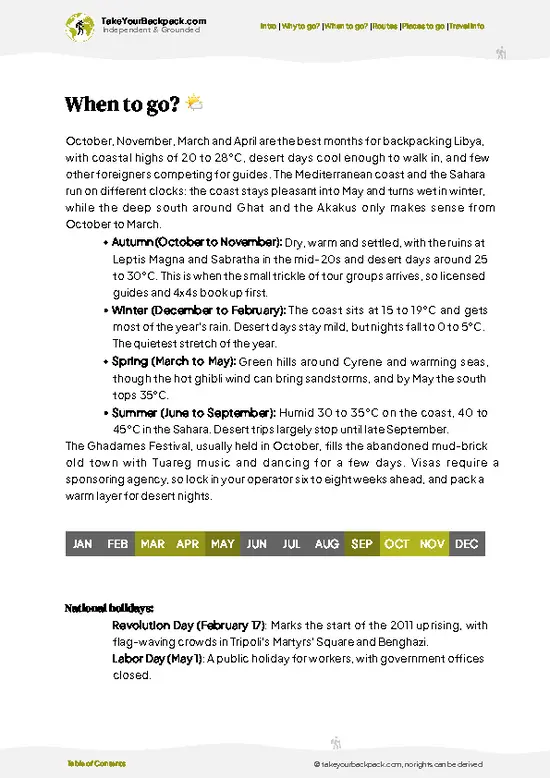
Hiking in Libya is heavily influenced by seasonality. The country experiences a Mediterranean climate in the north and a desert climate in the south. Summer months can be brutally hot, especially in lower altitudes, making hikes not just uncomfortable but potentially dangerous. Daytime temperatures can soar, leading to dehydration and heat exhaustion.

Spring and autumn are the optimal times for hiking. During these shoulder seasons, temperatures are milder, and trails are more accessible. Rainfall is minimal, allowing for better trail conditions. However, expect more crowds during these periods, which can affect the overall experience.

Winter presents its own challenges. While the northern regions may see some rain, the southern areas can be quite cold … read more 👉

Seasonality and Hiking Conditions


Hiking in Libya is heavily influenced by seasonality. The country experiences a Mediterranean climate in the north and a desert climate in the south. Summer months can be brutally hot, especially in lower altitudes, making hikes not just uncomfortable but potentially dangerous. Daytime temperatures can soar, leading to dehydration and heat exhaustion.

Spring and autumn are the optimal times for hiking. During these shoulder seasons, temperatures are milder, and trails are more accessible. Rainfall is minimal, allowing for better trail conditions. However, expect more crowds during these periods, which can affect the overall experience.

Winter presents its own challenges. While the northern regions may see some rain, the southern areas can be quite cold at night. Snow can also impact higher-altitude trails, limiting access and requiring additional gear.

Peak periods, particularly around holidays, can lead to increased costs and crowded trails. Planning around these times can save money and enhance the hiking experience.

Understanding these seasonal patterns is crucial for balancing safety and scenic rewards. Proper timing ensures not only a more enjoyable hike but also the preservation of energy and budget for the moments that truly matter.

hike hoppingSuggested Travel Strategies

General Routing Logic

Start by clustering hikes regionally. Libya’s diverse landscapes mean that the Saharan trails differ vastly from coastal routes. Prioritize your direction of travel; moving from the north to the south often yields the most efficient experience. This way, you can tackle the easier coastal hikes first, allowing for a gradual buildup to the more strenuous Saharan treks.

Typical Time Needed

Plan for at least two to three days per major hike. This includes recovery time. The last thing needed is to rush through breathtaking landscapes. Allow for a day of rest after challenging hikes to recharge. This pacing helps absorb the scenery and culture, making the journey more rewarding.

Common Planning Mistakes

Avoid cramming too many hikes into a short timeframe. This leads … read more 👉

General Routing Logic

Start by clustering hikes regionally. Libya’s diverse landscapes mean that the Saharan trails differ vastly from coastal routes. Prioritize your direction of travel; moving from the north to the south often yields the most efficient experience. This way, you can tackle the easier coastal hikes first, allowing for a gradual buildup to the more strenuous Saharan treks.

Typical Time Needed

Plan for at least two to three days per major hike. This includes recovery time. The last thing needed is to rush through breathtaking landscapes. Allow for a day of rest after challenging hikes to recharge. This pacing helps absorb the scenery and culture, making the journey more rewarding.

Common Planning Mistakes

Avoid cramming too many hikes into a short timeframe. This leads to fatigue and missed experiences. Many travelers underestimate the physical demands of the terrain. Prioritize quality over quantity; it’s better to savor a few hikes than to rush through many.

Trade-offs and Constraints

Consider the balance between speed and depth of experience. A faster pace may save time but can diminish the adventure. Budget constraints often push for cheaper accommodations, but investing in comfort can enhance recovery. Ultimately, the effort put into planning will pay off in the richness of the experience. Flexibility is key; be ready to adapt based on energy levels and weather conditions.

The ListTop hikes of Libya

1 Jebel Akhdar

limestone plateaus, Mediterranean flora, seasonal waterfalls, terraced hills

Traverse cool uplands where olive groves and wildflowers line the trails, and spring rains bring hidden streams to life among ancient ruins.

libya-hike-jebel-akhdar
© Google |

2 Wadi Mathendous

prehistoric rock art, desert canyon, sandstone formations

Follow a winding canyon through arid silence, discovering millennia-old carvings and sculpted rock faces shaped by wind and time.

Loading the map 🌍

Expert viewTips and Advice from Travelers

Trail Logistics

Libya’s hiking scene is a mixed bag, with trails that range from easy strolls to grueling treks. Aim for at least three to five hikes to get a real taste of the country’s diverse landscapes. Each hike offers a different flavor, from coastal paths to rugged mountains. But don’t underestimate the time commitment. Expect to spend anywhere from a few hours to a full day on the trails, depending on the terrain and your fitness level.

Altitude and Difficulty

Altitude can be a sneaky factor. Some trails climb steeply, especially in the northern regions. If you’re not acclimatized, you might find yourself gasping for air. The difficulty level varies widely; some trails are family-friendly, while others will test your limits. Know your own capabilities and choose accordingly. If … read more 👉

Trail Logistics

Libya’s hiking scene is a mixed bag, with trails that range from easy strolls to grueling treks. Aim for at least three to five hikes to get a real taste of the country’s diverse landscapes. Each hike offers a different flavor, from coastal paths to rugged mountains. But don’t underestimate the time commitment. Expect to spend anywhere from a few hours to a full day on the trails, depending on the terrain and your fitness level.

Altitude and Difficulty

Altitude can be a sneaky factor. Some trails climb steeply, especially in the northern regions. If you’re not acclimatized, you might find yourself gasping for air. The difficulty level varies widely; some trails are family-friendly, while others will test your limits. Know your own capabilities and choose accordingly. If you’re unsure, start with easier hikes and build up your confidence and stamina.

Recovery and Pacing

Pacing is crucial. Libya’s heat can sap your energy faster than you think. Plan your hikes for early morning or late afternoon to avoid the midday sun. Recovery time is just as important. After a long hike, give yourself a day to rest and hydrate. This isn’t just about physical recovery; it’s also about soaking in the local culture. Use that downtime to explore nearby towns or sample local cuisine, which can be a rewarding experience in itself.

Budget Considerations

Budgeting is another area where you need to be savvy. While hiking itself is often free, consider costs like transportation, food, and any necessary permits. Some trails may require fees or guided tours, which can add up. Factor in local transport options; public buses can be a budget-friendly way to get around, but they may not always align with your hiking schedule. Renting a car gives you more flexibility but comes with its own costs.

Planning and Prioritizing

When planning your hikes, prioritize based on your interests and physical condition. If you’re drawn to historical sites, look for trails that lead to ancient ruins or cultural landmarks. If you’re in it for the views, focus on higher-altitude hikes that offer panoramic vistas. Keep in mind that infrastructure can be limited in remote areas. Always have a backup plan in case a trail is closed or conditions are unfavorable.

Safety and Cultural Considerations

Safety is paramount. Always check local advisories before heading out. Some areas may have restrictions due to political or environmental factors. Be respectful of local customs, especially in more traditional regions. Dress modestly and be aware of your surroundings. Engaging with locals can enrich your experience, but approach with an open mind and a willingness to learn.

Final Thoughts

Libya’s hiking trails offer a unique blend of adventure and cultural immersion. By understanding the logistics, pacing yourself, and being mindful of local customs, you can make the most of your hiking experience. Embrace the challenges, and you’ll find that the rewards are well worth the effort.

✈️ The backpacker research shortcutLibya Travel Guide

An offline-friendly backpacking guide with optimized travel routes, ranked highlights, transport advice, and the best areas to stay.
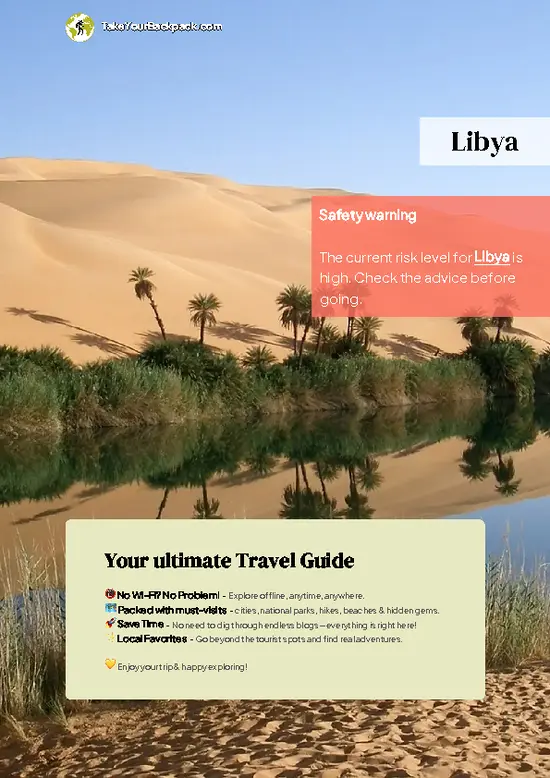
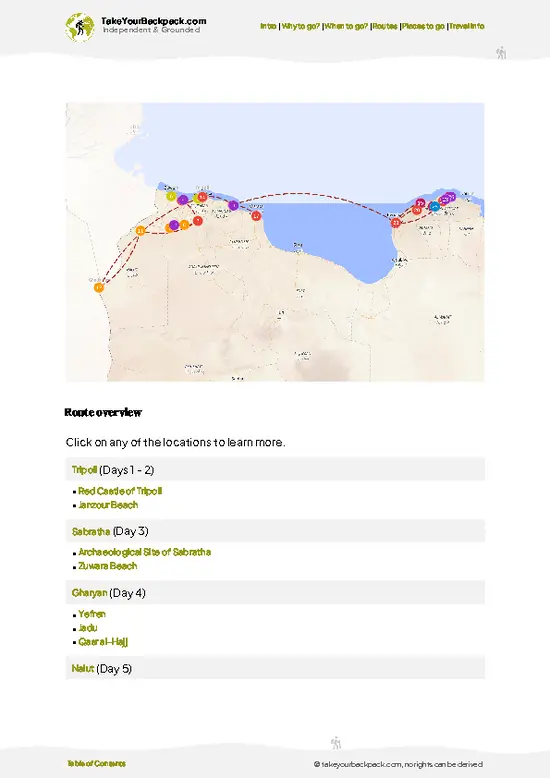
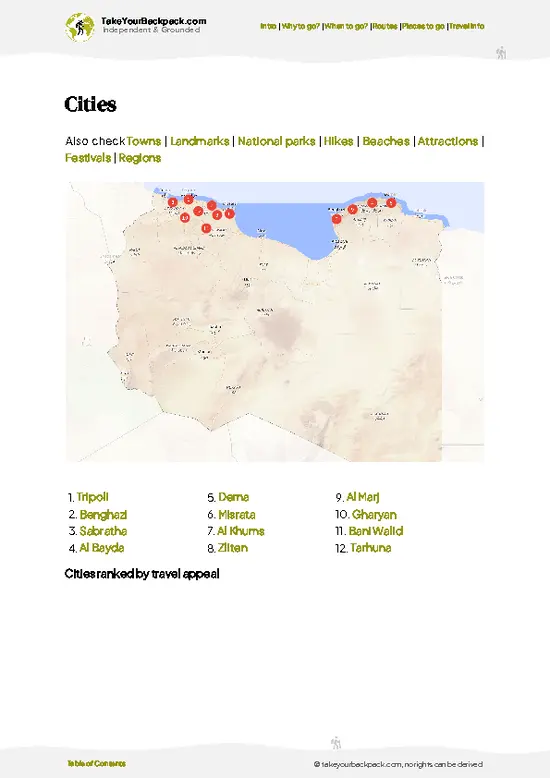
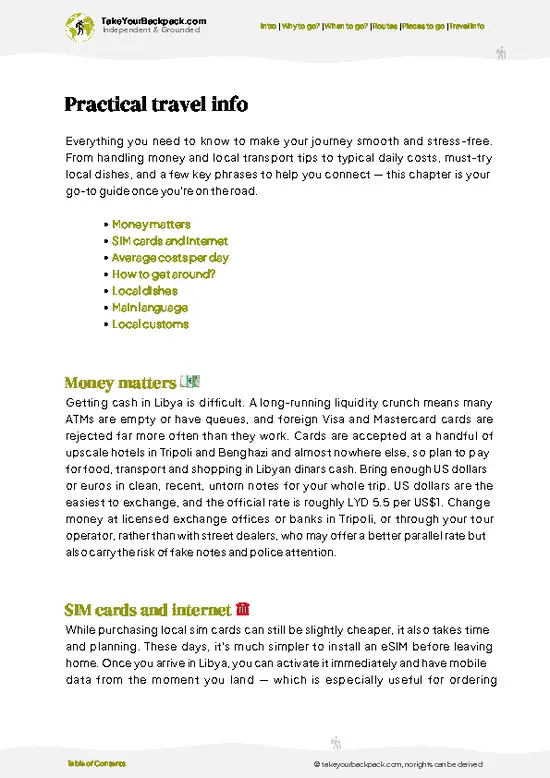
example page 0 from our offline Travel Guide for Libya
example page 1 from our offline Travel Guide for Libya
example page 2 from our offline Travel Guide for Libya
example page 3 from our offline Travel Guide for Libya
example page 4 from our offline Travel Guide for Libya
example page 5 from our offline Travel Guide for Libya
example page 6 from our offline Travel Guide for Libya
example page 7 from our offline Travel Guide for Libya
The digital guide (261 pages) contains:
61 highlights, ranked by travel appeal
Optimized 5, 10 & 15-day travel routes
Cities, national parks, landmarks, beaches
How to get around
Offline-friendly for travel without Wi-Fi
👉 Click to see all 30+ guide features

📅 Plan smarter in minutes, not weeks
Month by month travel advice
Festivals & national holidays
Budget expectations

🗺️ Go to the right places, skip the overrated ones
Honest pros & cons of destinations
Top hikes, parks & viewpoints
Lesser-known places most travelers miss
Clear “worth it vs skip it” guidance

🛏️ Travel smoothly without rookie mistakes
Best areas to stay
Transport systems explained simply
Common scams & safety advice
SIM cards, money & practical tips

🌍 Understand the country, not just visit it
Culture & traditions
52 Essential phrases & customs
Festivals worth planning around
Traveler-friendly historical context
Insights that make places more meaningful

📱 Built for real travel conditions
Fully downloadable PDF
Works completely offline
Optimized for phone use
Useful in remote areas & buses
Everything in one place
Save weeks of stressful planning
Get instant access to your full guide. 30‑day money-back guarantee.


By proceeding you agree to our terms.
Sent to your inbox immediately after payment • 100% Secure Checkout
Best Backpacking Travel Advisor 2025 tourism awardBest Backpacking
Travel Advisor
2025
What others say about Take Your Backpack Guides:
⭐⭐⭐⭐⭐
Fantastic, amazing amount of information!
⭐⭐⭐⭐⭐
My goodness this is amazing, it's what I've been looking for hats off too you!
⭐⭐⭐⭐⭐
I think this is absolutely BRILLIANT
⭐⭐⭐⭐
Very complete and informative. It's still missing places, but I gotta to commend you
⭐⭐⭐⭐⭐
This is truly amazing, thank you, can't wait to explore it with my kids!
⭐⭐⭐⭐⭐
Awesome resource, thank you!
⭐⭐⭐⭐⭐
This is amazing! Can't wait to explore the ones I haven't seen
⭐⭐⭐⭐
I love this! Well done, great idea.
⭐⭐⭐⭐⭐
Thanks for taking the time to make this gem!
⭐⭐⭐⭐⭐
This might be the best website I've ever seen.
⭐⭐⭐⭐⭐
Congratulations, and thank you so much for your work; it's incredibly valuable.
⭐⭐⭐⭐
In all seriousness I think you did a great job pointing out the important spots
⭐⭐⭐⭐⭐
10/10 very good
⭐⭐⭐⭐⭐
As someone who's only just starting to visit regularly this is awesome, thank you.
⭐⭐⭐⭐
Thank you very much! I'm going to visit my dad, it's going to be very useful!
⭐⭐⭐⭐⭐
This is really cool! We'll be travelling for the first time and this definitely come in handy.
⭐⭐⭐⭐⭐
You are now our minister of culture, congratulations 👨‍💼
⭐⭐⭐⭐⭐
Just wanted to tell you that this is a pearl! Going to follow your recommendations.
⭐⭐⭐⭐⭐
This is so cool. I'll definitely be using the resource for my travels soon.
⭐⭐⭐⭐⭐
This is very impressive! Good work.
⭐⭐⭐⭐⭐
This is an amazing and informative site. Very well done!

🛏️ Where to stay?Where to Base Yourself

Hostels in Libya and budget guesthouses exist but are limited and concentrated in major cities, with the best choice in Tripoli, some options in Benghazi, and sparse guesthouses around historic oases.
In Tripoli the Medina/old city places you within walking distance of museums and souks but brings crowds, noise and less predictable security, while the Gargaresh/coastal suburbs are quieter, more used to foreign visitors, nearer beaches and transport hubs but farther from historic highlights.
Benghazi downtown/Corniche gives proximity to key sights and light nightlife but offers few true hostels and variable safety; remote towns and desert oases can be scenic budget choices but require advance … read more 👉
Hostels in Libya and budget guesthouses exist but are limited and concentrated in major cities, with the best choice in Tripoli, some options in Benghazi, and sparse guesthouses around historic oases.
In Tripoli the Medina/old city places you within walking distance of museums and souks but brings crowds, noise and less predictable security, while the Gargaresh/coastal suburbs are quieter, more used to foreign visitors, nearer beaches and transport hubs but farther from historic highlights.
Benghazi downtown/Corniche gives proximity to key sights and light nightlife but offers few true hostels and variable safety; remote towns and desert oases can be scenic budget choices but require advance planning, reliable transport and contingency for sudden closures.

If you enjoy meeting fellow travelers, consider choosing hostels with high ratings for atmosphere. On the other hand, if you prefer having your own space, a hotel might be a better option.

LibyaExpand Your Journey

👋 Meet the founderWho’s Behind Take Your Backpack?

Johan, backpacker and founder of TakeYourBackpackHi, I’m Johan (Netherlands 🇳🇱), the creator of TakeYourBackpack. Over the past decade, I’ve backpacked through 80+ countries across six continents, gaining extensive experience with independent travel, long-term trips, and overland routes.

This site is built on a combination of firsthand travel experience and carefully curated insights from other backpackers. Many guides are based on places I’ve personally visited, while others bring together tips, observations, and practical advice shared by trusted travelers I’ve met along the way.

The goal is to provide realistic, experience-driven guidance — not generic itineraries — so you can explore destinations with better context, clearer expectations, and more confidence.

Get full Libya guide •
Instant download • 61 highlights • Full Offline guide