×

Libya🇱🇾 | citiesSabrathaRoman theater, coastal ruins, palm-dotted beaches | things to do and best time to go

Explore DernaExplore Sebha

Backpacking in Sabratha
🏆 Top pickcity ranked #3
By Johan Kruseman 🇳🇱 | Updated June 19, 2026

Most travelers picture Sabratha as just another Roman ruin, a dusty detour for history buffs. That’s a rookie mistake. Sabratha sits on Libya’s Mediterranean coast, west of Tripoli, and it’s a city where the ancient world feels startlingly close—think a theater with a sea breeze, mosaics still sharp underfoot, and columns that catch the sunset. For backpackers, Sabratha is a paradox: the main draw is the UNESCO-listed archaeological site, but the city itself is quiet, almost contemplative, with little of the chaos you’ll find in Tripoli or Misrata. You won’t find a buzzing hostel scene or nightlife—this is a place for those who savor solitude and the slow burn of discovery. Costs are low, but so is infrastructure; public transport is patchy, English is rare, and safety depends on the political climate. If you crave crowds and convenience, look elsewhere. If you want to wander ancient streets in near silence, Sabratha rewards the effort.

Discover everything you want to know in the 📖 Libya Travel Guide.
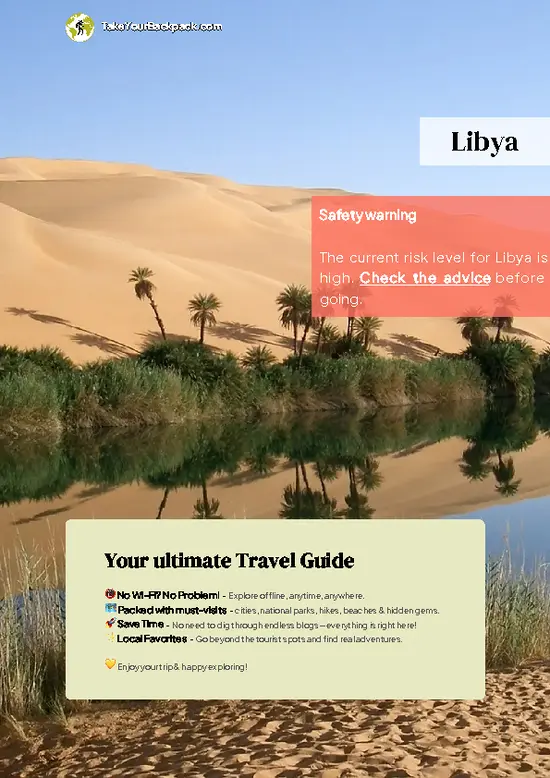
Safety warning

The current risk level for Libya is high. Check the advice before going.


Get your Libya guide
61 ranked highlights, routes & tips, works offline (261 pages)
Loading the map 🌍
CLICK TO FILTER
cities
towns
landmarks
national parks
hikes
beaches
attractions
festivals
regions
SHOW COUNTRY’S BESTSHOW ALL

✨ Why go?
Ranked #3 city in Libya
Reasons people choose to visit here

Sabratha is a strategic stop for backpackers navigating Libya. It offers a unique blend of highlights and activities that make it more than just a pit stop. The archaeological sites are a major draw, but the city also serves as a basecamp for day trips to nearby attractions, maximizing your time without sacrificing comfort.

Accommodations are solid, with hostels that cater to budget travelers, providing a social atmosphere where you can swap stories and tips. The food scene is a delightful mix of local flavors, ensuring you fuel up without breaking the bank. Plus, Sabratha is walkable, allowing you to explore its charm at your own pace, from the bustling markets to the serene coastline.

When it comes to nightlife, you’ll find a laid-back vibe, perfect for unwinding after a day of exploration. … read more 👉
Sabratha is a strategic stop for backpackers navigating Libya. It offers a unique blend of highlights and activities that make it more than just a pit stop. The archaeological sites are a major draw, but the city also serves as a basecamp for day trips to nearby attractions, maximizing your time without sacrificing comfort.

Accommodations are solid, with hostels that cater to budget travelers, providing a social atmosphere where you can swap stories and tips. The food scene is a delightful mix of local flavors, ensuring you fuel up without breaking the bank. Plus, Sabratha is walkable, allowing you to explore its charm at your own pace, from the bustling markets to the serene coastline.

When it comes to nightlife, you’ll find a laid-back vibe, perfect for unwinding after a day of exploration. And if you’re looking to move on, onward travel options are straightforward, making it easy to continue your journey. For those seeking a balance of culture and convenience, Sabratha is a worthy addition to your itinerary.
Want to include Sabratha in your Libya route?
Create a personalized Libya itinerary that includes Sabratha and the places that fit your trip — based on your travel style, budget, and available time. Get your route in seconds.

Generate my trip

💡 HighlightsThe experiences that define the visit

  • Sabratha Roman Theatre — A jaw-dropping, sea-facing Roman theater with a restored scaenae (stage wall) and tiered seating; it’s the town’s signature sight and the best spot to feel the scale and drama of Roman urban life against the Mediterranean.
  • Forum and Capitoline Temples — The civic heart of ancient Sabratha: open colonnades, temple podiums and carved bases that show how public religion and administration were arranged in the city.
  • Roman Baths (Thermae) — Large, well-laid-out bath complexes with surviving rooms and heating structures; visiting gives real insight into daily routines and social life in Roman Tripolitania.
  • Residential Quarter and Mosaic Pavements — Scattered house floors with vivid mosaics and decorative stonework; small-scale art that rewards slow walking and close
read more 👉
  • Sabratha Roman Theatre — A jaw-dropping, sea-facing Roman theater with a restored scaenae (stage wall) and tiered seating; it’s the town’s signature sight and the best spot to feel the scale and drama of Roman urban life against the Mediterranean.
  • Forum and Capitoline Temples — The civic heart of ancient Sabratha: open colonnades, temple podiums and carved bases that show how public religion and administration were arranged in the city.
  • Roman Baths (Thermae) — Large, well-laid-out bath complexes with surviving rooms and heating structures; visiting gives real insight into daily routines and social life in Roman Tripolitania.
  • Residential Quarter and Mosaic Pavements — Scattered house floors with vivid mosaics and decorative stonework; small-scale art that rewards slow walking and close inspection far more than the big monuments do.
  • Colonnaded Streets and Market Remains (Cardo/Decumanus and Macellum) — Walk the main streets where merchants traded and citizens mingled; the alignment and fragments of the market area still read clearly on the ground.
  • Necropoleis and Funerary Monuments — Rows of tombs, mausolea and sculpted funerary markers outside the main urban grid; these pieces tell personal stories and show local burial customs over centuries.
  • Byzantine Basilica and Christian Remains — Early Christian architecture and mosaic fragments that reveal the city’s late antique religious life and the transition from pagan to Christian public spaces.
  • Sabratha Archaeological Museum — Small but focused: mosaics, inscriptions and artifacts pulled from the site that help link the ruins to the daily objects and beliefs of their owners.
  • Roman Harbor and Coastal Ruins — The coastal edge where you can still trace the footprint of ancient port installations; great for combining archaeology with fresh sea air and coastal photography.
  • Modern Sabratha Seafront and Fishing Harbour — A lived-in slice of the town where fishermen, vendors and families gather; useful for people-watching, sampling very fresh fish and feeling the contemporary pulse beside the ruins.
A few nearby day-trip options worth considering are the great ruins of Leptis Magna, the old medina of Tripoli (Oea) with its markets and Red Castle, and the coastal town of Zuwara for local seaside culture.
Spotted a mistake or missing something? Contact us.
🏘️ NeighborhoodsKey areas and districts to know

Sabratha offers a unique blend of ancient history and local culture, making it a fascinating stop for backpackers. Here’s how the neighborhoods stack up:

Old Town: This is the heart of Sabratha, where ancient ruins meet local life. The vibe is vibrant yet relaxed, perfect for wandering. Costs are moderate, with local eateries offering affordable meals. Walkability is excellent; you can easily explore the Roman theater and other sites on foot. Nightlife is low-key, with a few cafes that come alive in the evenings. Ideal for short stays, as you can soak in the history quickly.

Coastal Area: If you’re after a more laid-back atmosphere, this area is your go-to. The beach is a stone’s throw away, and you’ll find budget-friendly accommodations. It’s a bit quieter, making it perfect for those who … read more 👉
Sabratha offers a unique blend of ancient history and local culture, making it a fascinating stop for backpackers. Here’s how the neighborhoods stack up:

Old Town: This is the heart of Sabratha, where ancient ruins meet local life. The vibe is vibrant yet relaxed, perfect for wandering. Costs are moderate, with local eateries offering affordable meals. Walkability is excellent; you can easily explore the Roman theater and other sites on foot. Nightlife is low-key, with a few cafes that come alive in the evenings. Ideal for short stays, as you can soak in the history quickly.

Coastal Area: If you’re after a more laid-back atmosphere, this area is your go-to. The beach is a stone’s throw away, and you’ll find budget-friendly accommodations. It’s a bit quieter, making it perfect for those who want to unwind. Transport access is decent, but you might need to rely on taxis for longer trips. Great for longer stays if you enjoy a slower pace and beach time.

Market District: This bustling area is where you’ll find the local markets and street vendors. The energy is palpable, and it’s a fantastic spot to experience daily life. Costs are low, especially if you’re willing to try street food. Walkability is high, but be prepared for crowds. Nightlife is minimal, but the daytime buzz makes up for it. Best for short visits to grab local flavors and souvenirs.

⌛️ 1 dayWhat you can realistically do in a day

Sabratha, Libya, is a treasure trove of ancient history and coastal charm. Known for its stunning Roman ruins, this city offers a unique blend of archaeological wonder and local culture. You can easily spend a day here, soaking in the sights and sounds while savoring the local flavors.

Start your morning at the ancient Roman Theater, a magnificent structure that still echoes with the voices of the past. Arrive early to beat the heat and enjoy the tranquility before the crowds. The intricate carvings and the sheer scale of the theater are awe-inspiring. Afterward, wander through the nearby ruins of the Forum and the Basilica, where you can almost feel the pulse of history beneath your feet.

As noon approaches, head to the coastal neighborhood of Sabratha’s Old Town. Here, you’ll find local … read more 👉
Sabratha, Libya, is a treasure trove of ancient history and coastal charm. Known for its stunning Roman ruins, this city offers a unique blend of archaeological wonder and local culture. You can easily spend a day here, soaking in the sights and sounds while savoring the local flavors.

Start your morning at the ancient Roman Theater, a magnificent structure that still echoes with the voices of the past. Arrive early to beat the heat and enjoy the tranquility before the crowds. The intricate carvings and the sheer scale of the theater are awe-inspiring. Afterward, wander through the nearby ruins of the Forum and the Basilica, where you can almost feel the pulse of history beneath your feet.

As noon approaches, head to the coastal neighborhood of Sabratha’s Old Town. Here, you’ll find local eateries serving fresh seafood and traditional Libyan dishes. Try a plate of couscous or a spicy fish tagine at a small family-run restaurant. The flavors are vibrant and authentic, giving you a taste of local life.

In the afternoon, take a stroll along the beach. The Mediterranean waters are inviting, and the sandy shores provide a perfect spot to relax. If you’re feeling adventurous, consider a quick visit to the nearby village of Zliten, where you can explore lesser-known ruins and experience the local lifestyle, far from the typical tourist path.

As the sun sets, return to Sabratha and find a cozy café in the Old Town. Sip on mint tea while watching the locals go about their evening. The atmosphere is lively, filled with laughter and conversation. This is where you can truly appreciate the blend of history and modern life that defines Sabratha. By the end of the day, you’ll have woven together a rich tapestry of experiences that make this city unforgettable.
Turn your Sabratha visit into an Libya adventure
Build a complete Libya route with Sabratha, hidden gems, must-see destinations, and realistic travel times included.

Generate my trip

🌤️ When to go?Choosing the right time of year


  • Topic: Weather and Temperature — Sabratha bakes under a Mediterranean sun. Spring (March to May) offers mild days around 20-25°C (68-77°F), perfect for hiking ruins without sweating buckets. Summer scorches with highs near 35°C (95°F), making midday exploration brutal. Autumn cools down again, but winter can be surprisingly chilly, dipping to 10°C (50°F) at night.

  • Topic: Daylight Hours — Longer days from late spring to early autumn mean more daylight for wandering ancient sites. In peak summer, expect up to 14 hours of light, but the heat often forces a midday break. Winter days shrink to about 10 hours, limiting your window for sightseeing.

  • Topic: Crowds — Sabratha isn’t exactly a tourist hotspot, but spring and autumn attract regional visitors escaping harsher climates. Summer sees
read more 👉

  • Topic: Weather and Temperature — Sabratha bakes under a Mediterranean sun. Spring (March to May) offers mild days around 20-25°C (68-77°F), perfect for hiking ruins without sweating buckets. Summer scorches with highs near 35°C (95°F), making midday exploration brutal. Autumn cools down again, but winter can be surprisingly chilly, dipping to 10°C (50°F) at night.

  • Topic: Daylight Hours — Longer days from late spring to early autumn mean more daylight for wandering ancient sites. In peak summer, expect up to 14 hours of light, but the heat often forces a midday break. Winter days shrink to about 10 hours, limiting your window for sightseeing.

  • Topic: Crowds — Sabratha isn’t exactly a tourist hotspot, but spring and autumn attract regional visitors escaping harsher climates. Summer sees fewer tourists due to heat, so if you want ruins with a side of solitude, that’s your window.

  • Topic: Seasonal Activities — Spring and autumn bring local festivals and cultural events, adding layers to your visit beyond the ruins. Summer’s heat limits outdoor events, while winter’s chill keeps things low-key.

  • Topic: Price Fluctuations — Expect higher prices during spring and autumn when demand peaks. Summer offers better deals on accommodation but at the cost of comfort. Winter is the cheapest but comes with cooler temps and shorter days.


Pro-tip: Aim for late spring or early autumn to balance comfortable weather, manageable crowds, and richer local experiences—your best bet for squeezing every drop of value from Sabratha.


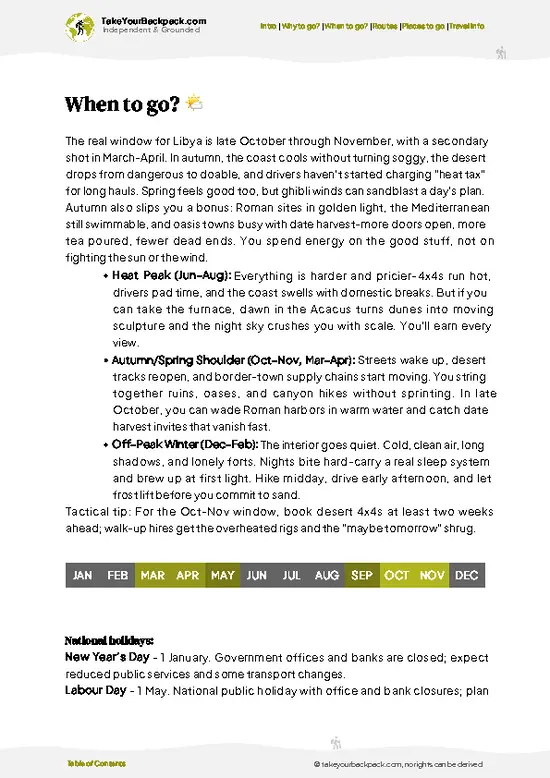
source: climatestotravel.comJANJanuary: fair for travelingFEBFebruary: fair for travelingMARMarch: highly recommended for travelingAPRApril: excellent for travelingMAYMay: excellent for travelingJUNJune: good for travelingJULJuly: fair for travelingAUGAugust: fair for travelingSEPSeptember: highly recommended for travelingOCTOctober: excellent for travelingNOVNovember: highly recommended for travelingDECDecember: fair for traveling
libya-city-sabratha v1
© Google |

✈️ The backpacker research shortcutLibya Travel Guide

An offline-friendly backpacking guide with optimized travel routes, ranked highlights, transport advice, and the best areas to stay.
example page 0 from our offline Travel Guide for Libya
example page 1 from our offline Travel Guide for Libya
example page 2 from our offline Travel Guide for Libya
example page 3 from our offline Travel Guide for Libya
example page 4 from our offline Travel Guide for Libya
example page 5 from our offline Travel Guide for Libya
example page 6 from our offline Travel Guide for Libya
example page 7 from our offline Travel Guide for Libya
The digital guide (261 pages) contains:
61 highlights, ranked by travel appeal
Optimized 5, 10 & 15-day travel routes
Cities, national parks, landmarks, beaches
How to get around
Offline-friendly for travel without Wi-Fi
👉 Click to see all 30+ guide features

📅 Plan smarter in minutes, not weeks
Month by month travel advice
Festivals & national holidays
Budget expectations

🗺️ Go to the right places, skip the overrated ones
Honest pros & cons of destinations
Top hikes, parks & viewpoints
Lesser-known places most travelers miss
Clear “worth it vs skip it” guidance

🛏️ Travel smoothly without rookie mistakes
Best areas to stay
Transport systems explained simply
Common scams & safety advice
SIM cards, money & practical tips

🌍 Understand the country, not just visit it
Culture & traditions
52 Essential phrases & customs
Festivals worth planning around
Traveler-friendly historical context
Insights that make places more meaningful

📱 Built for real travel conditions
Fully downloadable PDF
Works completely offline
Optimized for phone use
Useful in remote areas & buses
Everything in one place
Save weeks of stressful planning
Get instant access to your full guide. 30‑day money-back guarantee.


By proceeding you agree to our terms.
Sent to your inbox immediately after payment • 100% Secure Checkout
Best Backpacking Travel Advisor 2025 tourism awardBest Backpacking
Travel Advisor
2025
What others say about Take Your Backpack Guides:
⭐⭐⭐⭐⭐
Fantastic, amazing amount of information!
⭐⭐⭐⭐⭐
My goodness this is amazing, it's what I've been looking for hats off too you!
⭐⭐⭐⭐⭐
I think this is absolutely BRILLIANT
⭐⭐⭐⭐
Very complete and informative. It's still missing places, but I gotta to commend you
⭐⭐⭐⭐⭐
This is truly amazing, thank you, can't wait to explore it with my kids!
⭐⭐⭐⭐⭐
Awesome resource, thank you!
⭐⭐⭐⭐⭐
This is amazing! Can't wait to explore the ones I haven't seen
⭐⭐⭐⭐
I love this! Well done, great idea.
⭐⭐⭐⭐⭐
Thanks for taking the time to make this gem!
⭐⭐⭐⭐⭐
This might be the best website I've ever seen.
⭐⭐⭐⭐⭐
Congratulations, and thank you so much for your work; it's incredibly valuable.
⭐⭐⭐⭐
In all seriousness I think you did a great job pointing out the important spots
⭐⭐⭐⭐⭐
10/10 very good
⭐⭐⭐⭐⭐
As someone who's only just starting to visit regularly this is awesome, thank you.
⭐⭐⭐⭐
Thank you very much! I'm going to visit my dad, it's going to be very useful!
⭐⭐⭐⭐⭐
This is really cool! We'll be travelling for the first time and this definitely come in handy.
⭐⭐⭐⭐⭐
You are now our minister of culture, congratulations 👨‍💼
⭐⭐⭐⭐⭐
Just wanted to tell you that this is a pearl! Going to follow your recommendations.
⭐⭐⭐⭐⭐
This is so cool. I'll definitely be using the resource for my travels soon.
⭐⭐⭐⭐⭐
This is very impressive! Good work.
⭐⭐⭐⭐⭐
This is an amazing and informative site. Very well done!

🛏️ Where to stay?Where staying makes the most sense

In Sabratha, the backpacker’s sweet spot is the area around the city center, close to the archaeological site but still within reach of local life. This zone strikes a rare balance: it’s safe enough to wander after dark, thanks to a steady presence of locals and small businesses, yet it buzzes with enough social energy to meet fellow travelers or strike up conversations with residents. Unlike the quieter, more residential outskirts, this neighborhood offers a practical mix of budget accommodations—mostly guesthouses and a handful of hostels catering to solo adventurers and small groups. Hostels … read more 👉
In Sabratha, the backpacker’s sweet spot is the area around the city center, close to the archaeological site but still within reach of local life. This zone strikes a rare balance: it’s safe enough to wander after dark, thanks to a steady presence of locals and small businesses, yet it buzzes with enough social energy to meet fellow travelers or strike up conversations with residents. Unlike the quieter, more residential outskirts, this neighborhood offers a practical mix of budget accommodations—mostly guesthouses and a handful of hostels catering to solo adventurers and small groups. Hostels here aren’t sprawling party hubs but intimate, low-key spots where you can swap stories over shared meals or a cup of strong Libyan coffee.

Compared to the newer, less central districts, this area keeps you grounded in the city’s pulse without the hassle of expensive taxis or sketchy streets. It’s a place where comfort is measured by genuine human connection and convenience rather than flashy amenities. If you’re after a backpacking experience that’s both safe and socially rich, this neighborhood is your strategic base—letting you maximize your time exploring ruins by day and soaking up authentic local rhythms by night.

🚌 Getting aroundHow to get from A to B

Sabratha moves at its own rhythm—neither a frantic rush nor a slow crawl. The city’s pulse is a blend of old-world patience and bursts of spontaneous energy. You won’t find a strict timetable etched in stone here. Instead, it’s a dance between the sun’s arc and the ebb of local life. This means your travel choices aren’t just about getting from A to B; they’re about reading the flow, knowing when to push for speed and when to lean into the slower, more immersive moments. The trade-off map here is clear: time, money, and comfort don’t line up neatly. You’ll juggle them like a pro once you understand the system.


  • Walking: The ultimate budget option and the best way to soak in Sabratha’s atmosphere. The city center and archaeological sites are compact enough to explore on foot, saving you
read more 👉
Sabratha moves at its own rhythm—neither a frantic rush nor a slow crawl. The city’s pulse is a blend of old-world patience and bursts of spontaneous energy. You won’t find a strict timetable etched in stone here. Instead, it’s a dance between the sun’s arc and the ebb of local life. This means your travel choices aren’t just about getting from A to B; they’re about reading the flow, knowing when to push for speed and when to lean into the slower, more immersive moments. The trade-off map here is clear: time, money, and comfort don’t line up neatly. You’ll juggle them like a pro once you understand the system.


  • Walking: The ultimate budget option and the best way to soak in Sabratha’s atmosphere. The city center and archaeological sites are compact enough to explore on foot, saving you money and giving you full control over your pace. It’s free, but expect some uneven sidewalks and occasional dust. Walking means sacrificing speed but gaining an intimate connection with the city’s textures and sounds.


  • Shared Taxis (Louages): These minibuses or shared taxis are the backbone of local transit. They run frequently from dawn until dusk, with prices around 1-2 LYD for short hops. Louages are a bargain but come with the trade-off of cramped seating and unpredictable departure times—you leave when full, not on schedule. Comfort is minimal, but speed is decent for the price, especially if you’re heading to nearby towns or the outskirts.


  • Local Buses: Less common and less reliable than louages, local buses operate on rough schedules, mostly in the morning and late afternoon. Tickets cost under 1 LYD, making them the cheapest motorized option. They’re slower and less comfortable, often crowded and hot, but they offer a genuine slice of daily life. If you’re not in a rush and want to stretch your travel budget, this is your pick.


  • Private Taxi: For those moments when time is tight or you’re carrying heavy gear, private taxis offer door-to-door service. Expect to pay 10-15 LYD for short trips within the city. Comfort is high, and you control the schedule, but the cost jumps significantly. This is the trade-off: pay more for speed and ease, or save money and embrace the city’s slower pulse.


  • Bicycle Rental: A middle ground between walking and motorized transport. Renting a bike costs around 5 LYD per day. It’s faster than walking and lets you cover more ground without the expense or hassle of taxis. The trade-off here is physical effort and dealing with uneven roads, but the payoff is freedom and a fresh perspective on Sabratha’s layout.

👛 Costs (as of 27 March 2026)What things cost and how to budget

Backpacking in Sabratha, Libya, demands a clear-eyed view of where your money goes, so you can play the trade-off game with precision. Here’s how the daily costs typically break down for an independent traveler navigating this historic city.
  • Dorm Accommodation (High Season): Expect to pay around $15 to $25 per night. High season drives prices up due to increased demand, but options remain basic, often with shared facilities and minimal amenities.
  • Dorm Accommodation (Off-Season): Prices drop to about $8 to $15 per night. Fewer tourists mean better bargaining power, though quality and availability can fluctuate.
  • Meals: Budget roughly $5 to $10 daily if you stick to local eateries and street food. Libyan cuisine is hearty and affordable, but imported or Western-style meals will push costs
read more 👉
Backpacking in Sabratha, Libya, demands a clear-eyed view of where your money goes, so you can play the trade-off game with precision. Here’s how the daily costs typically break down for an independent traveler navigating this historic city.
  • Dorm Accommodation (High Season): Expect to pay around $15 to $25 per night. High season drives prices up due to increased demand, but options remain basic, often with shared facilities and minimal amenities.
  • Dorm Accommodation (Off-Season): Prices drop to about $8 to $15 per night. Fewer tourists mean better bargaining power, though quality and availability can fluctuate.
  • Meals: Budget roughly $5 to $10 daily if you stick to local eateries and street food. Libyan cuisine is hearty and affordable, but imported or Western-style meals will push costs higher.
  • Local Transport: Short rides on minibuses or shared taxis typically cost between $0.30 and $1. This is the go-to for getting around town without breaking the bank.
  • City Transport Pass: Sabratha doesn’t have a formal city transport pass system. Instead, rely on cash fares for each trip, which keeps things flexible but requires constant small payments.
  • Basic Activities/Entry Fees: Visiting the Roman ruins, the main draw here, costs about $5 to $10 for entry. Guided tours or special exhibits can add to this, but self-guided exploration keeps it lean.
  • Miscellaneous Expenses: Budget $2 to $5 for essentials like bottled water, snacks, or minor supplies. Internet cafes or SIM cards might add a few dollars if you need connectivity.

Total daily costs hover between $25 and $50, depending on your season and comfort choices. This range lets you decide if you want to stretch your budget for a bit more comfort or keep it lean and focused on the essentials. Understanding these trade-offs means you’re not just spending money—you’re investing in the kind of experience you want to have.
⚠️ Prices can change and everyone travels differently, so take this as a rough guide. Hope it helps you plan your adventure!

🚌 Day tripsWhere to go beyond the main area

Sabratha, Libya, is a fantastic launchpad for day trips that blend history, culture, and stunning landscapes. Here’s how to maximize your experience while keeping your budget and comfort in check.

Roman Ruins of Sabratha
Just a stone’s throw from the city, the Roman ruins of Sabratha are a must-see. You can wander through ancient theaters and temples, all while soaking in the Mediterranean breeze. The site is less crowded than other Roman ruins, giving you space to appreciate the intricate mosaics and architecture. Expect to spend about 30 minutes getting there, and entry fees are minimal, around 10 LYD. The best time to visit is early morning or late afternoon to avoid the heat. A common mistake? Skipping the guided tour; local guides can share stories that bring the ruins to life.
👉 read more 👉
Sabratha, Libya, is a fantastic launchpad for day trips that blend history, culture, and stunning landscapes. Here’s how to maximize your experience while keeping your budget and comfort in check.

Roman Ruins of Sabratha
Just a stone’s throw from the city, the Roman ruins of Sabratha are a must-see. You can wander through ancient theaters and temples, all while soaking in the Mediterranean breeze. The site is less crowded than other Roman ruins, giving you space to appreciate the intricate mosaics and architecture. Expect to spend about 30 minutes getting there, and entry fees are minimal, around 10 LYD. The best time to visit is early morning or late afternoon to avoid the heat. A common mistake? Skipping the guided tour; local guides can share stories that bring the ruins to life.
👉 Explore Sabratha

Trip to the Beach at Qasr al-Haj
If you’re craving sun and sand, head to Qasr al-Haj, just an hour from Sabratha. This beach is less commercialized, offering a more authentic experience. Pack a picnic and enjoy the local vibe, where fishermen haul in their daily catch. The round trip will cost you about 20 LYD for transport, and you can easily spend a whole day here. Summer is peak season, but spring and fall offer pleasant weather without the crowds. Many first-timers forget to bring enough water and snacks, so stock up before you go!


Exploring the Oasis of Jefara
Venture a bit further to the Jefara Oasis, about an hour and a half from Sabratha. This lush area is a stark contrast to the surrounding desert, featuring palm trees and local farms. You can hike, take photos, and even chat with friendly locals about their agricultural practices. The cost for transport is around 30 LYD, and the best time to visit is during the cooler months, from October to April. A common oversight is not bringing cash; some vendors may not accept cards.


Visit to the Ancient City of Leptis Magna
A bit of a trek at about two hours away, but Leptis Magna is worth every minute. This UNESCO World Heritage site boasts some of the best-preserved Roman ruins in the world. You’ll find stunning amphitheaters and sprawling forums. Entry is around 20 LYD, and the experience is enhanced by the dramatic coastal backdrop. Aim for a visit in the early morning for fewer crowds. First-timers often underestimate the time needed to explore, so plan for at least half a day.
Want to know what more Libya offers?
The Libya Travel Guide describes 61 highlights, from cities to national parks, from beaches to hikes

Get the Travel Guide -

🍲 FoodWhat to Eat & Drink

In Sabratha, the local cuisine is a vibrant tapestry of flavors that beckons you to dive in. Start with couscous, a staple that’s often served with rich, savory stews. The grains are fluffy, absorbing the spices and juices, creating a dish that’s both comforting and hearty. Don’t miss out on shakshuka, a delightful mix of eggs poached in a spicy tomato sauce, perfect for breakfast or any time you need a flavor boost.

For a true taste of the streets, seek out market stalls where vendors serve up freshly grilled kebabs. The aroma of marinated meat sizzling over charcoal fills the air, drawing you in. Pair your meal with a glass of mint tea, a local favorite that’s sweet and refreshing, often served in ornate glasses.

Eating in Sabratha is a communal affair. Expect to share dishes, and don’t … read more 👉
In Sabratha, the local cuisine is a vibrant tapestry of flavors that beckons you to dive in. Start with couscous, a staple that’s often served with rich, savory stews. The grains are fluffy, absorbing the spices and juices, creating a dish that’s both comforting and hearty. Don’t miss out on shakshuka, a delightful mix of eggs poached in a spicy tomato sauce, perfect for breakfast or any time you need a flavor boost.

For a true taste of the streets, seek out market stalls where vendors serve up freshly grilled kebabs. The aroma of marinated meat sizzling over charcoal fills the air, drawing you in. Pair your meal with a glass of mint tea, a local favorite that’s sweet and refreshing, often served in ornate glasses.

Eating in Sabratha is a communal affair. Expect to share dishes, and don’t be surprised if you’re invited to join a table. Etiquette here leans towards warmth and hospitality; it’s customary to eat with your right hand, a gesture of respect.

As you wander, let the buzz of cafés and the laughter of locals guide you. Each bite and sip is a chance to connect with the heart of Libyan culture.

🛡️ SafetyScams, Hazards, and Annoyances

Sabratha is generally safe for travelers, but a few practical tips can enhance your experience. Stick to well-trodden paths, especially around the ancient ruins and the bustling market areas. These spots are lively, but they can attract pickpockets, so keep your belongings close.

If you’re traveling solo, consider your surroundings, especially at night. While the city isn’t known for serious crime, it’s wise to avoid poorly lit areas and stay aware of your environment.

Common scams are rare, but be cautious of overly friendly locals who might offer unsolicited help—sometimes, it comes with a price tag. A polite but firm “no, thank you” usually does the trick.

Overall, carry yourself with confidence and a sense of purpose. Engaging with locals can be rewarding, but trust your instincts. … read more 👉
Sabratha is generally safe for travelers, but a few practical tips can enhance your experience. Stick to well-trodden paths, especially around the ancient ruins and the bustling market areas. These spots are lively, but they can attract pickpockets, so keep your belongings close.

If you’re traveling solo, consider your surroundings, especially at night. While the city isn’t known for serious crime, it’s wise to avoid poorly lit areas and stay aware of your environment.

Common scams are rare, but be cautious of overly friendly locals who might offer unsolicited help—sometimes, it comes with a price tag. A polite but firm “no, thank you” usually does the trick.

Overall, carry yourself with confidence and a sense of purpose. Engaging with locals can be rewarding, but trust your instincts. By staying alert and grounded, you’ll navigate Sabratha with ease and enjoy its rich history without unnecessary stress.

Other Libyan cities near Sabratha

Explore more nearby:

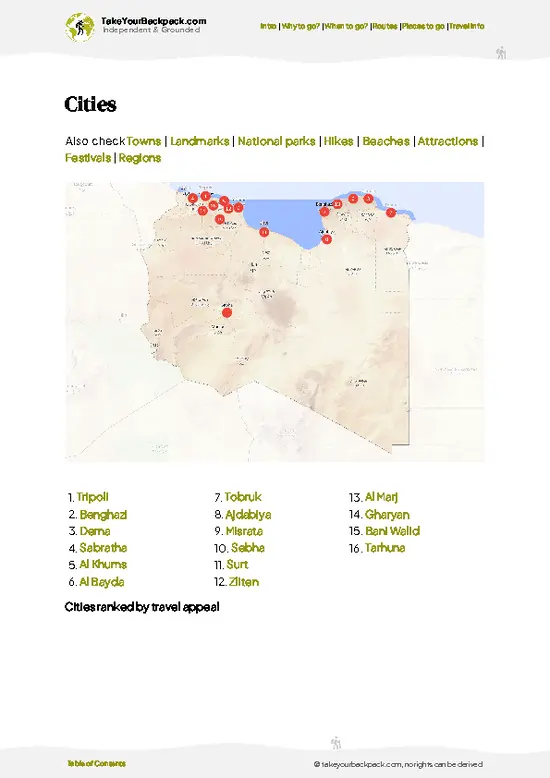
  • Tripoli—Medina alleys, Ottoman mosques, Italian boulevards, city port| 70 km away
  • Gharyan—Troglodyte houses, pottery workshops, mountain plateau| 86 km away
  • Tarhuna—Hilltop views, wheat fields, Berber heritage| 118 km away

💡 Not sure where to go next?
Create a personalized itinerary for Libya including Sabratha and the places that fit your trip.

Generate my itinerary

👉 Discover all cities

Or checkout all Libya has to offer (think cities, towns, villages, national parks, hikes, beaches, festivals)
Country photo of Libya

We 💚 feedbackFinal thoughts on visiting Sabratha

Sabratha has a raw, captivating vibe that feels like stepping into a living history book. The ruins are impressive, but the real surprise? The locals. They’re warm and curious, eager to share stories over a cup of mint tea. Just a heads-up: the heat can be relentless, so plan your visits for early morning or late afternoon. Embrace the slower pace, and you’ll find the magic in the details—like the intricate mosaics that tell tales of a time long gone.

✍️ Help improve this page!
The information on this page is based on in-depth research, insights shared by experienced travelers, and feedback from the local travel community in Libya. While every effort is made to keep the information accurate and current, conditions can change — so if you spot anything incorrect or outdated, please get in touch.


🙋‍♂️ Give feedback

👋 Meet the founderWho’s Behind Take Your Backpack?

Johan, backpacker and founder of TakeYourBackpackHi, I’m Johan (Netherlands 🇳🇱), the creator of TakeYourBackpack. Over the past decade, I’ve backpacked through 80+ countries across six continents, gaining extensive experience with independent travel, long-term trips, and overland routes.

This site is built on a combination of firsthand travel experience and carefully curated insights from other backpackers. Many guides are based on places I’ve personally visited, while others bring together tips, observations, and practical advice shared by trusted travelers I’ve met along the way.

The goal is to provide realistic, experience-driven guidance — not generic itineraries — so you can explore destinations with better context, clearer expectations, and more confidence.

Get full Libya guide •
Instant download • 61 highlights • Full Offline guide