Yes, Luxembourg is very easy to backpack independently, especially if you already feel comfortable in Western Europe. The country is compact, safe, and extremely organized, so you spend more time exploring and less time wrestling with logistics. English is widely spoken in the capital and major towns, and between French, German, and English you can sort out almost any situation. For budget travelers, the main challenge is cost, not complexity: accommodation and eating out are priced more like Switzerland than like Eastern Europe. The workaround is to base yourself in one or two spots, use the free public transport to day-trip, and lean on supermarkets, bakeries, and picnic-style meals. Hostels exist but are limited, so booking ahead is smart, especially in Luxembourg City and in summer in the Müllerthal and Ardennes. Trails are well-marked, towns are compact, and crime rates are low, so solo backpackers can move around confidently, including at night on trains and buses. If you’re used to chaotic border crossings and confusing bus stations, Luxembourg will feel like backpacking on “easy mode,” just with a higher daily spend if you’re not careful.
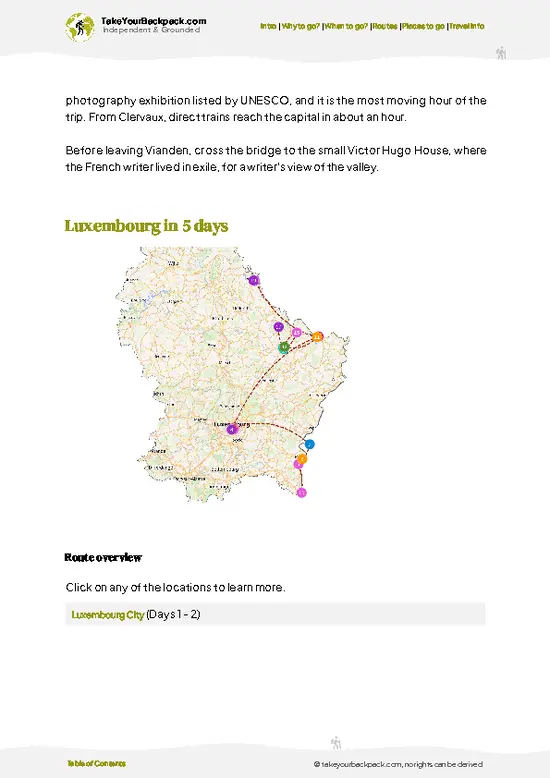
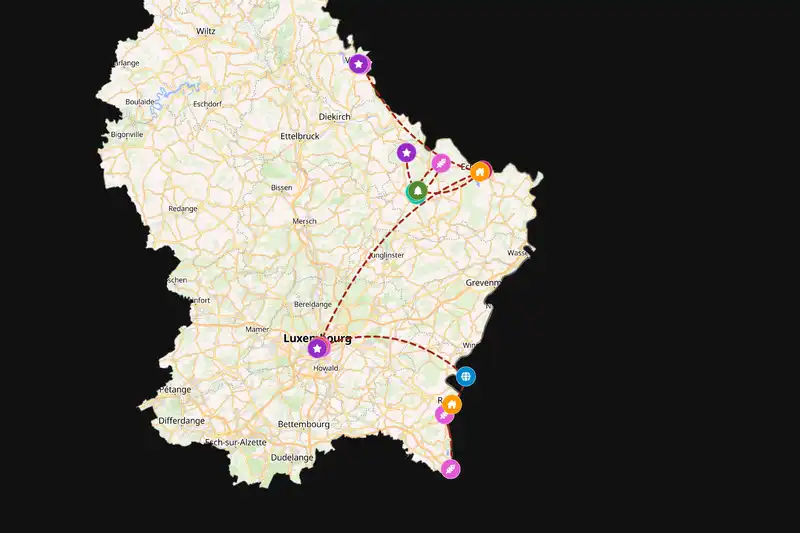
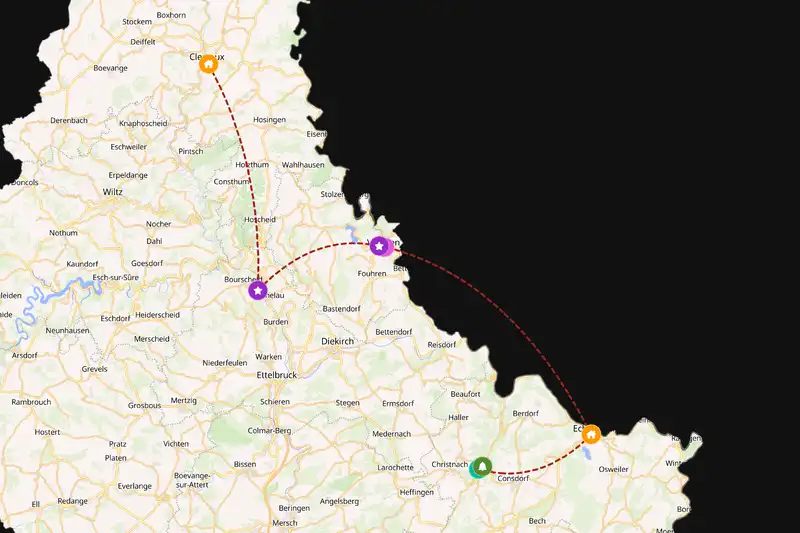
For most backpackers, 2–3 days is the sweet spot, with 4–5 days if you want to hike properly. In 1 full day you can see the core of Luxembourg City: the Old Town, casemates, viewpoints over the gorges, and a quick museum or two. It works as a fast stop between Belgium, France, and Germany, but you’ll barely scratch the countryside. In 2 days you can do the city plus one day trip, usually either the Müllerthal (for hiking) or Vianden (for the castle and river valley). That’s the minimum I recommend if you want to feel like you actually visited the country, not just the capital. In 3 days you can add both Müllerthal and Vianden or swap one for the northern Ardennes (Clervaux, Esch-sur-Sûre, or a nature day). If you’re a hiking-focused backpacker, 4–5 days lets you base in Echternach or another small town and do multiple trails in the Müllerthal, then finish with a city day. Anything beyond a week is only worth it if you’re slow-traveling, working remotely, or using Luxembourg as a calm base while you dip into neighboring countries.
Yes, you can easily get around Luxembourg without a car, and for backpackers it’s actually the better option. Public transport (trains, trams, and most buses) is free nationwide in 2nd class, which is a huge win for budget travelers. You just hop on; no need to stress about tickets or zones. Trains connect Luxembourg City with major towns like Ettelbruck, Clervaux, and Esch-sur-Alzette, while buses fill in the gaps to smaller villages and trailheads. Frequency is solid on main routes, especially on weekdays, and timetables are reliable. The main constraint is evenings and Sundays, when some rural routes thin out, so you plan your last bus or train back before you start a long hike or castle visit. For the Müllerthal, Vianden, and Ardennes, you’ll usually combine a train to a regional hub with a bus to the final village. Hitchhiking is possible but rarely necessary given the free buses. A car only really helps if you want to chain together tiny villages in one day or chase sunrise/sunset viewpoints in remote spots, but for most backpackers the free, clean, and safe public transport is more than enough.
For a backpacker on a budget and a clock, these are the places that actually earn their spot in your itinerary:
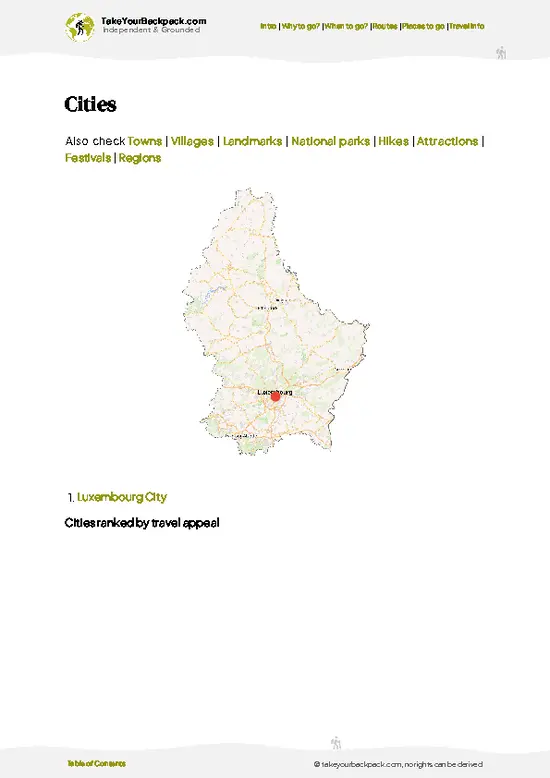
1. Luxembourg City (Old Town & Fortifications)Walk the upper town, the Grund district down in the valley, and the viewpoints along the Chemin de la Corniche. The casemates (underground fortifications) are worth the entry fee if you like history and city views. You can do most of this on foot, with the free tram and elevators helping you bounce between levels.
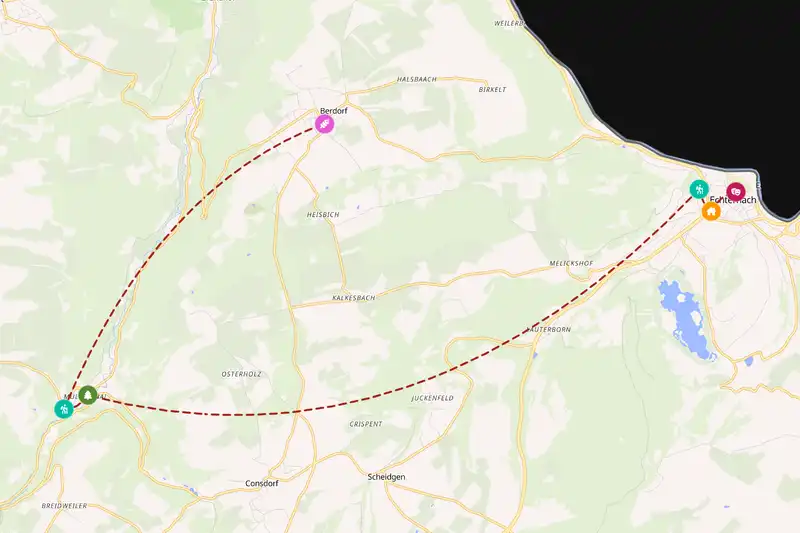
2. Müllerthal (Luxembourg’s “Little Switzerland”)If you like hiking even a little, this is the one countryside area you should prioritize. Expect forest trails, rock formations, narrow passages, and a few waterfalls rather than big mountain scenery. Base in Echternach or Beaufort, use the free buses, and do a section of the Müllerthal Trail (Route 2 is a classic day-hike option).
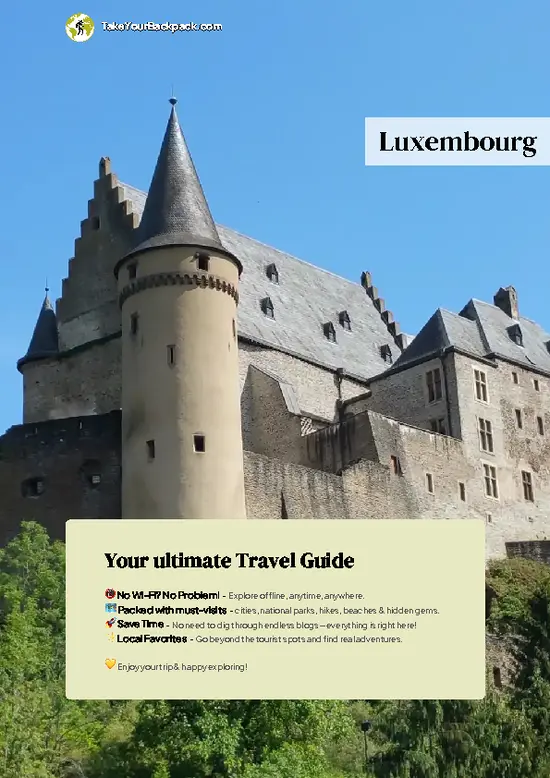
3. ViandenA postcard-style hilltop castle above a small riverside town. It’s touristy but still feels atmospheric, especially if you walk up via the forest paths instead of just shuttling straight to the entrance. The castle interior is interesting enough to justify the fee if you’re into medieval history or architecture.
4. Northern Ardennes (Clervaux or Esch-sur-Sûre)Pick one if you have time. Clervaux has a castle with the “Family of Man” photo exhibition and a calm valley setting. Esch-sur-Sûre is tiny but dramatic, with a river loop, ruins, and hills around it. Both give you that quiet, small-country feel that balances the more polished capital.
5. EchternachEven if you’re not doing long hikes, Echternach works as a compact base town with a lakeside area, abbey, and easy access to the Müllerthal. It’s a good place to slow down, picnic, and enjoy the free transport advantage.
If you’re short on time or cash, focus hard and skip anything that doesn’t add a new experience. You can safely skip:
1. Extra museums in Luxembourg City after one or twoPick the one that matches your interests (history, art, or the casemates) and move on. Doing multiple similar-feeling museums in a small capital eats time and budget without giving you much more sense of the country.
2. Deep dives into the business districtsKirchberg and the EU/finance zones are interesting for a quick tram ride and skyline view, but you don’t need to wander office parks if you’re on a tight schedule. Ten minutes on the tram and a viewpoint is enough.
3. Shopping-focused stopsHigh-end malls and shopping streets are expensive and look similar to those in other Western European cities. For a backpacker, they’re mostly a time sink unless you specifically need gear or groceries.
4. Trying to see every small townMany villages are pleasant but similar: church, river, a few houses, maybe a small castle. Instead of hopping through five nearly identical places, choose one or two (like Vianden and either Clervaux or Esch-sur-Sûre) and actually walk the surrounding trails.
5. Rushing to the extreme corners of the country just to say you didLuxembourg is small, but long detours to tick off remote border points don’t add much if you’re not doing a specific hike or activity there. Use that time to deepen your experience in the Müllerthal or the capital instead of collecting extra train rides.