×

Madagascar🇲🇬 | townsFort-Dauphincoastal headlands, windswept beaches, transitional forests | things to do and best time to go

Explore AndasibeExplore Maroantsetra

Backpacking in Fort-Dauphin
By Johan Kruseman 🇳🇱 | Updated September 4, 2026

A decade ago, Fort-Dauphin was the kind of place you reached after a bone-rattling journey, rewarded by a sleepy port town where the scent of seaweed and woodsmoke hung in the air and the only nightlife was the chorus of frogs. Today, the roads are a little better, but the town still feels like the end of the line—Madagascar’s far southeast, hemmed in by mountains and the Indian Ocean, with the wild green of the Anosy region pressing in on all sides. For backpackers, Fort-Dauphin is less a destination for urban thrills and more a launchpad for the real show: windswept beaches, the surreal spiny forests of Berenty, and the raw, untamed coast. The old colonial center is walkable, but the town sprawls, so you’ll need tuk-tuks or shared taxis to get anywhere interesting. Hostels are thin on the ground, but you’ll find a few guesthouses and the kind of beach bars where travelers eventually find each other over THB beers. It’s cheaper than Tana, safer than Tulear, and far more relaxed than the touristy Nosy Be circuit—just don’t expect much in the way of nightlife or creature comforts. Fort-Dauphin is for those who want Madagascar’s wildness with a side of salt air and slow evenings, not city lights.

Discover everything you want to know in the 📖 Madagascar Travel Guide.
Loading the map 🌍
CLICK TO FILTER
cities
towns
villages
landmarks
national parks
hikes
beaches
attractions
festivals
regions
SHOW COUNTRY’S BESTSHOW ALL

✨ Why go?
Ranked #99 town in Madagascar
What sets this place apart

Fort-Dauphin is a backpacker’s hub that serves as a gateway to Madagascar’s wild beauty. Nestled between the mountains and the sea, it’s a convenient base for nearby hikes, like the rugged trails of Andohahela National Park. You can breathe in the earthy scent of the forest while spotting lemurs and unique flora. The beaches here are not just for lounging; they offer opportunities for snorkeling and surfing, making it easy to blend adventure with relaxation.

The town itself has a friendly vibe. Small-scale hostels and guesthouses dot the streets, offering a chance to connect with fellow travelers. You’ll find local food stalls where the aroma of grilled fish mingles with spices, inviting you to savor authentic Malagasy cuisine. The streets are walkable, encouraging exploration and spontaneous … read more 👉
Fort-Dauphin is a backpacker’s hub that serves as a gateway to Madagascar’s wild beauty. Nestled between the mountains and the sea, it’s a convenient base for nearby hikes, like the rugged trails of Andohahela National Park. You can breathe in the earthy scent of the forest while spotting lemurs and unique flora. The beaches here are not just for lounging; they offer opportunities for snorkeling and surfing, making it easy to blend adventure with relaxation.

The town itself has a friendly vibe. Small-scale hostels and guesthouses dot the streets, offering a chance to connect with fellow travelers. You’ll find local food stalls where the aroma of grilled fish mingles with spices, inviting you to savor authentic Malagasy cuisine. The streets are walkable, encouraging exploration and spontaneous encounters.

Most backpackers tend to linger a few days, soaking in the laid-back atmosphere. It’s ideal for slow travelers and solo adventurers who appreciate a mix of culture and nature without the chaos of nightlife. If you’re looking for a place to recharge and immerse yourself in local life, Fort-Dauphin is a worthy stop on your journey.
Want to include Fort-Dauphin in your Madagascar route?
Create a personalized Madagascar itinerary that includes Fort-Dauphin and the places that fit your trip — based on your travel style, budget, and available time. Get your route in seconds.

Generate my trip

💡 HighlightsMust-see experiences and standout moments

  • Old Fort ruins (headland fort) — The crumbling remains of the original French fort sit on the little headland above the harbour. It’s small but full of history: good views, a sense of place, and easy to walk around while imagining the town’s colonial past.
  • Taolagnaro Cathedral — The cathedral for the diocese dominates part of the town and is worth a look for its local religious life, architecture, and quiet courtyard. Visiting during a service gives a real feel for community rhythms.
  • Libanona Bay & Beach — A sandy, locally used beach right by town where fishermen haul in their catch and families gather. It’s simple, lively, and a great spot for a sunset or a swim if the tide’s right.
  • Harbour & Fish Market (Port de Taolagnaro) — Walk the quay at dawn to watch the boats come in, smell the
read more 👉
  • Old Fort ruins (headland fort) — The crumbling remains of the original French fort sit on the little headland above the harbour. It’s small but full of history: good views, a sense of place, and easy to walk around while imagining the town’s colonial past.
  • Taolagnaro Cathedral — The cathedral for the diocese dominates part of the town and is worth a look for its local religious life, architecture, and quiet courtyard. Visiting during a service gives a real feel for community rhythms.
  • Libanona Bay & Beach — A sandy, locally used beach right by town where fishermen haul in their catch and families gather. It’s simple, lively, and a great spot for a sunset or a swim if the tide’s right.
  • Harbour & Fish Market (Port de Taolagnaro) — Walk the quay at dawn to watch the boats come in, smell the salt and smoke, and see fishmongers at work. It’s one of the most authentic ways to experience the town’s relationship with the sea.
  • Marché Municipal (town market) — A bustling market selling fruit, vanilla, spices, vegetables and everyday goods. Great for people-watching, picking up cheap snacks, and seeing traders from the surrounding countryside.
  • Port d’Ehoala waterfront — The newer port area and adjacent shoreline show the town’s recent economic changes. There are walks along the water, views of the modern port, and informal eateries nearby — interesting for contrasts with the old harbour.
  • Colonial quarter (French-era streets and houses) — Stroll the older streets and you’ll find clapboard houses, faded facades and small public squares that tell the story of Fort-Dauphin’s past. No single building is a blockbuster, but the neighborhood vibe is what makes it worth exploring.
  • Old colonial cemetery — The town’s older cemetery contains graves and inscriptions from the colonial period. It’s quiet, a little melancholic, and useful for anyone interested in local history and genealogy.
  • Local artisan stalls and woodcarvers — Scattered near the market and seafront, small workshops and stalls sell carved wood, raffia goods and simple souvenirs. Watching a carver work or bargaining for a small piece is a tangible way to support local craft.
  • Seafront promenade & sunset viewpoints — The little promenades, quays and viewpoints around the harbour are the town’s social spaces at dusk. Locals gather here, street food shows up, and the sunsets over the bay are reliably pretty.
A few excellent day trips just outside town: the Nahampoana private reserve (lemurs, botanical gardens), the Manafiafy/Lokaro area (beaches, mangroves and marine life), and the Berenty Reserve inland for close-up sifaka encounters — Manafiafy is my personal favorite for mixing easy beach time with wildlife and a relaxed local vibe.
Spotted a mistake or missing something? Contact us.
🏘️ NeighborhoodsKey areas and districts to know

Fort-Dauphin, a coastal town in Madagascar, offers a blend of vibrant culture and stunning landscapes. Each neighborhood has its own character, making it essential to choose wisely for your stay.

Centre Ville: This is the heartbeat of Fort-Dauphin. The streets buzz with local markets and street vendors. You’ll find affordable guesthouses and eateries serving fresh seafood. It’s walkable, so you can easily explore shops and cafes. The nightlife here is lively but not overwhelming, perfect for a short stay.

Liberté: A bit quieter, Liberté is ideal for those seeking a more laid-back vibe. The area is dotted with charming bungalows and small hotels. It’s a short walk to the beach, where you can enjoy stunning sunsets. While nightlife is minimal, the local bars offer a relaxed atmosphere. This … read more 👉
Fort-Dauphin, a coastal town in Madagascar, offers a blend of vibrant culture and stunning landscapes. Each neighborhood has its own character, making it essential to choose wisely for your stay.

Centre Ville: This is the heartbeat of Fort-Dauphin. The streets buzz with local markets and street vendors. You’ll find affordable guesthouses and eateries serving fresh seafood. It’s walkable, so you can easily explore shops and cafes. The nightlife here is lively but not overwhelming, perfect for a short stay.

Liberté: A bit quieter, Liberté is ideal for those seeking a more laid-back vibe. The area is dotted with charming bungalows and small hotels. It’s a short walk to the beach, where you can enjoy stunning sunsets. While nightlife is minimal, the local bars offer a relaxed atmosphere. This neighborhood suits longer stays, especially if you want to unwind.

Ambinany: This neighborhood is a hidden treasure. It’s less touristy, giving you a genuine feel of local life. The cost of accommodation is lower, and you can find homestays that provide meals. Walkability is decent, but you might need a taxi for longer distances. It’s perfect for backpackers looking to immerse themselves in the culture for an extended period.

Andranovory: Located near the airport, this area is convenient for quick arrivals and departures. While it lacks the charm of other neighborhoods, it offers budget-friendly options. The atmosphere is quieter, making it suitable for those needing a restful night before heading out.

⌛️ 1 dayHow to make the most of one day

Fort-Dauphin, or Tolagnaro, is a vibrant coastal town in Madagascar that feels like a world apart. With its mix of lush landscapes and rich history, it’s a place where the scent of the ocean mingles with the earthy aroma of the surrounding hills. You’ll find a blend of Malagasy culture and colonial architecture, making it a fascinating spot to explore.

Start your morning at the local market, Marché de Fort-Dauphin. The air buzzes with chatter and the vibrant colors of fresh produce and handmade crafts. Grab a warm, flaky “mofo gasy” (Malagasy rice cake) from a vendor. It’s a simple pleasure that sets the tone for your day. Afterward, take a stroll along the beach at Libanona. The soft sand beneath your feet and the sound of waves crashing create a peaceful backdrop. This is a great time to … read more 👉
Fort-Dauphin, or Tolagnaro, is a vibrant coastal town in Madagascar that feels like a world apart. With its mix of lush landscapes and rich history, it’s a place where the scent of the ocean mingles with the earthy aroma of the surrounding hills. You’ll find a blend of Malagasy culture and colonial architecture, making it a fascinating spot to explore.

Start your morning at the local market, Marché de Fort-Dauphin. The air buzzes with chatter and the vibrant colors of fresh produce and handmade crafts. Grab a warm, flaky “mofo gasy” (Malagasy rice cake) from a vendor. It’s a simple pleasure that sets the tone for your day. Afterward, take a stroll along the beach at Libanona. The soft sand beneath your feet and the sound of waves crashing create a peaceful backdrop. This is a great time to soak in the sun and watch local fishermen preparing their boats.

In the afternoon, head to the nearby Berenty Reserve, a bit off the beaten path but absolutely worth it. The reserve is home to unique wildlife, including the famous ring-tailed lemurs. The trek through the dry forest is invigorating, and the thrill of spotting these playful creatures makes the effort worthwhile. Bring plenty of water and a good camera; you’ll want to capture the moment.

As the sun begins to set, return to Fort-Dauphin and wander through the charming streets of the old town. Stop by a local eatery for dinner; try the “romazava,” a traditional beef stew that warms the soul. The evening light casts a golden hue over the colonial buildings, making it a perfect backdrop for reflection.

End your day at the viewpoint above the town, where you can watch the sun dip below the horizon. It’s a moment that encapsulates the beauty of Fort-Dauphin, reminding you that the journey here is just as rewarding as the destination itself.
Turn your Fort-Dauphin visit into an Madagascar adventure
Build a complete Madagascar route with Fort-Dauphin, hidden gems, must-see destinations, and realistic travel times included.

Generate my trip

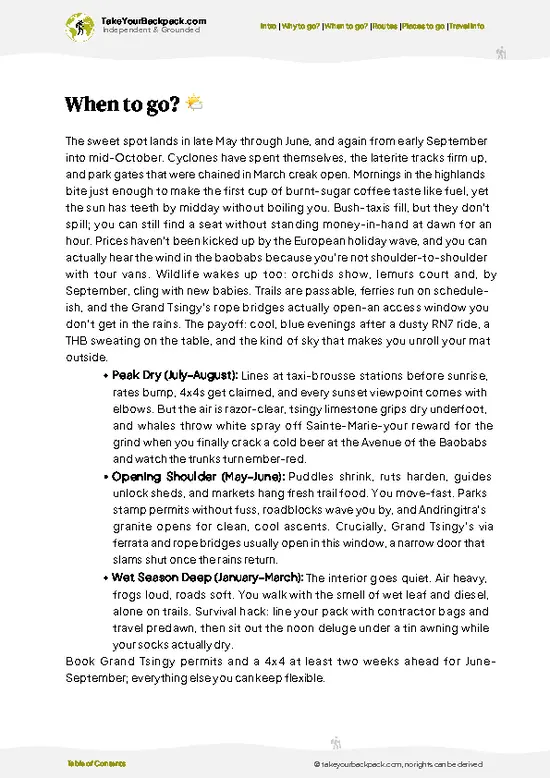
🌤️ When to go?Weather, crowds, and seasonal trade-offs


  • Weather: Fort-Dauphin’s dry season runs from May to October, offering clear skies and minimal rain. The wet season, November to April, brings heavy showers and humidity, which can turn trails to mud and limit outdoor plans.

  • Temperature: During the dry months, expect comfortable highs around 24-28°C (75-82°F) and cooler nights near 15°C (59°F). The wet season heats up to 30°C (86°F) or more, with sticky humidity that can sap your energy.

  • Daylight Hours: Daylight is fairly consistent year-round, roughly 11-12 hours daily. However, the dry season’s clearer skies mean more reliable light for early starts and late hikes.

  • Crowds: Tourist numbers peak in July and August, coinciding with the best weather. You’ll find more fellow travelers but also better services and guided tours available.
read more 👉

  • Weather: Fort-Dauphin’s dry season runs from May to October, offering clear skies and minimal rain. The wet season, November to April, brings heavy showers and humidity, which can turn trails to mud and limit outdoor plans.

  • Temperature: During the dry months, expect comfortable highs around 24-28°C (75-82°F) and cooler nights near 15°C (59°F). The wet season heats up to 30°C (86°F) or more, with sticky humidity that can sap your energy.

  • Daylight Hours: Daylight is fairly consistent year-round, roughly 11-12 hours daily. However, the dry season’s clearer skies mean more reliable light for early starts and late hikes.

  • Crowds: Tourist numbers peak in July and August, coinciding with the best weather. You’ll find more fellow travelers but also better services and guided tours available.

  • Seasonal Activities: Whale watching peaks from July to September, a rare treat that’s worth timing your visit for. The dry season also favors trekking and beach time without the interruption of rain.

  • Price Fluctuations: Accommodation and flights tend to be pricier during the dry season’s peak months. Booking ahead can secure better rates, while the wet season offers bargains but with trade-offs in comfort and access.


Pro-tip: Aim for late May or early October—weather is solid, crowds thin, and prices start to ease, giving you the best balance of comfort and authenticity.


source: climatestotravel.comJANJanuary: fair for travelingFEBFebruary: fair for travelingMARMarch: fair for travelingAPRApril: fair for travelingMAYMay: highly recommended for travelingJUNJune: highly recommended for travelingJULJuly: excellent for travelingAUGAugust: excellent for travelingSEPSeptember: excellent for travelingOCTOctober: highly recommended for travelingNOVNovember: fair for travelingDECDecember: fair for traveling
madagascar-city-fort-dauphin
© Google |

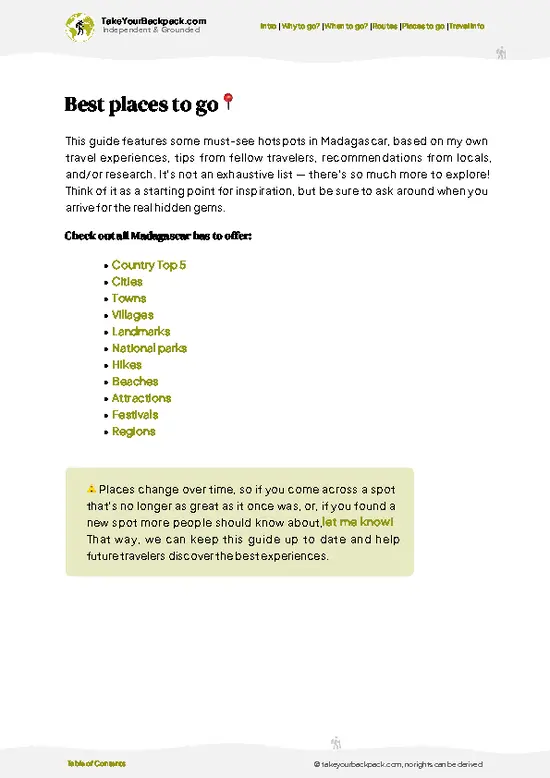
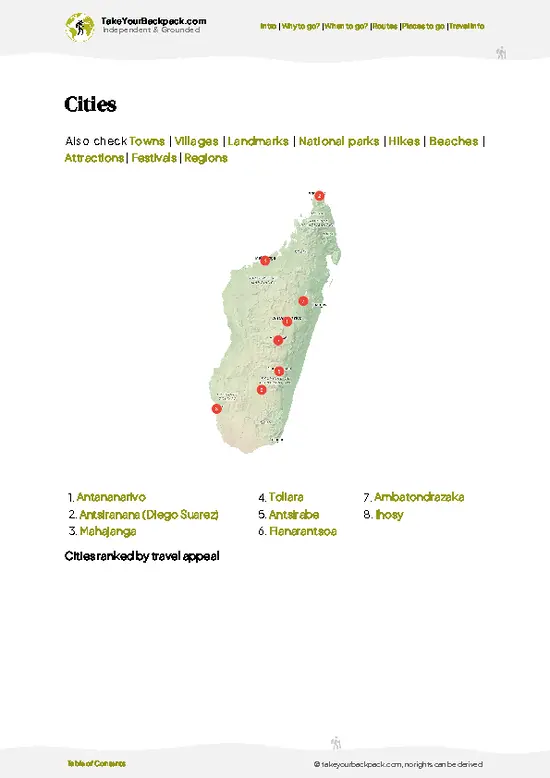
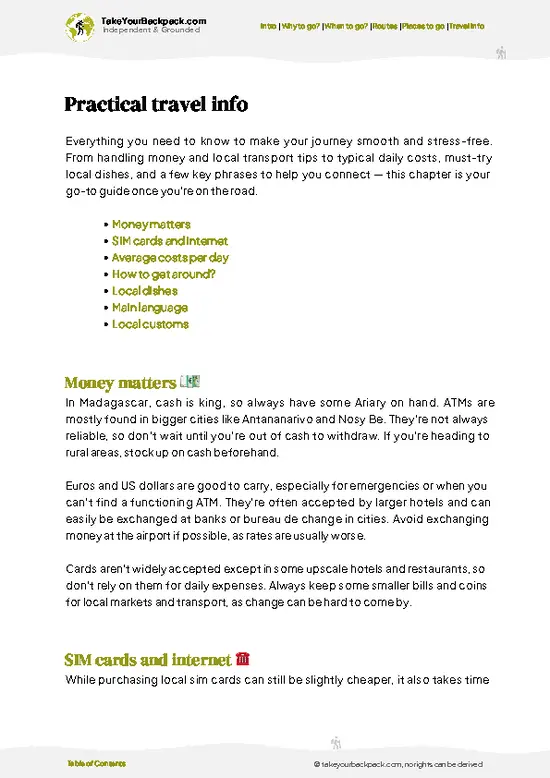
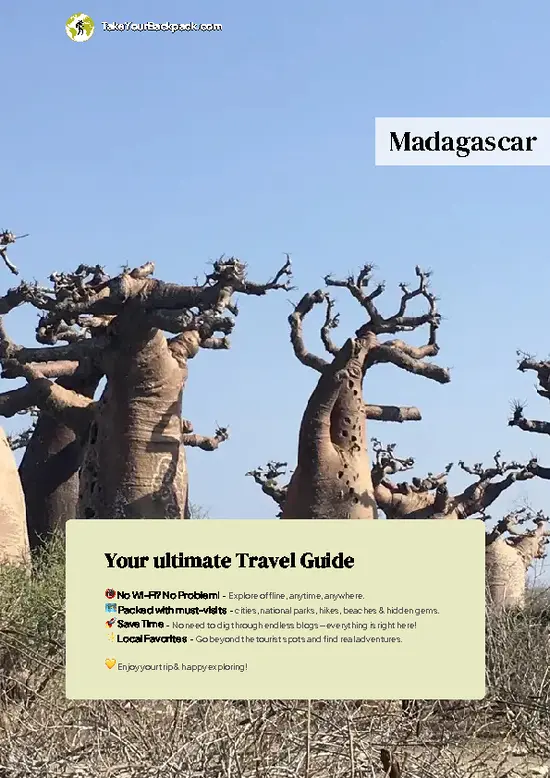
✈️ The backpacker research shortcutMadagascar Travel Guide

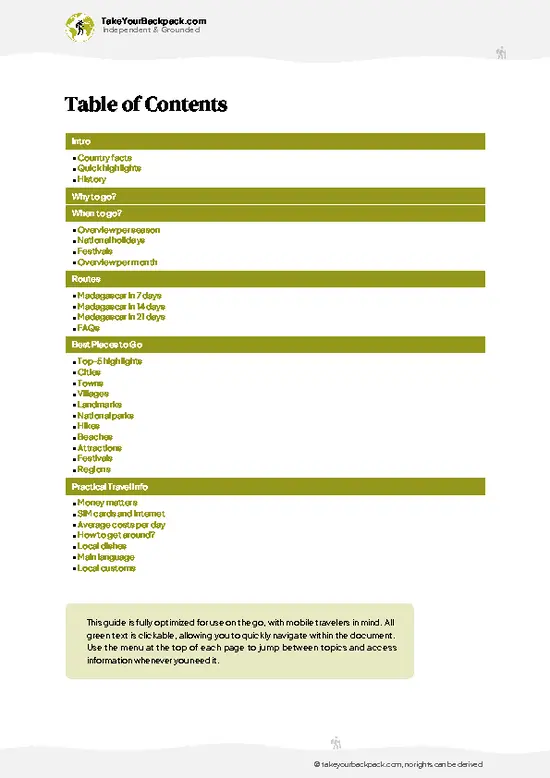
An offline-friendly backpacking guide with optimized travel routes, ranked highlights, transport advice, and the best areas to stay.
example page 0 from our offline Travel Guide for Madagascar
example page 1 from our offline Travel Guide for Madagascar
example page 2 from our offline Travel Guide for Madagascar
example page 3 from our offline Travel Guide for Madagascar
example page 4 from our offline Travel Guide for Madagascar
example page 5 from our offline Travel Guide for Madagascar
example page 6 from our offline Travel Guide for Madagascar
example page 7 from our offline Travel Guide for Madagascar
The digital guide (418 pages) contains:
110 highlights, ranked by travel appeal
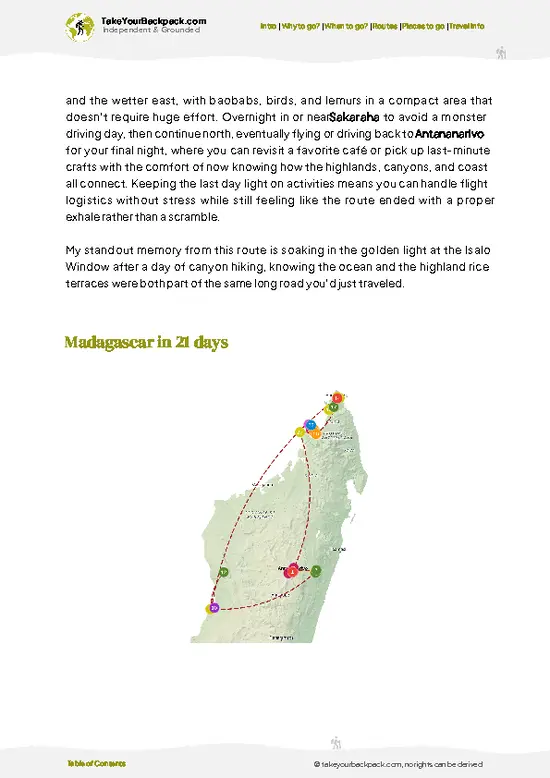
Optimized 7, 14 & 21-day travel routes
Cities, national parks, landmarks, beaches
How to get around
Offline-friendly for travel without Wi-Fi
👉 Click to see all 30+ guide features

📅 Plan smarter in minutes, not weeks
Month by month travel advice
Festivals & national holidays
Budget expectations

🗺️ Go to the right places, skip the overrated ones
Honest pros & cons of destinations
Top hikes, parks & viewpoints
Lesser-known places most travelers miss
Clear “worth it vs skip it” guidance

🛏️ Travel smoothly without rookie mistakes
Best areas to stay
Transport systems explained simply
Common scams & safety advice
SIM cards, money & practical tips

🌍 Understand the country, not just visit it
Culture & traditions
52 Essential phrases & customs
Festivals worth planning around
Traveler-friendly historical context
Insights that make places more meaningful

📱 Built for real travel conditions
Fully downloadable PDF
Works completely offline
Optimized for phone use
Useful in remote areas & buses
Everything in one place
Save weeks of stressful planning
Get instant access to your full guide. 30‑day money-back guarantee.
+ Add another guide for just R$44.25

By proceeding you agree to our terms.
Sent to your inbox immediately after payment • 100% Secure Checkout
Best Backpacking Travel Advisor 2025 tourism awardBest Backpacking
Travel Advisor
2025
What others say about Take Your Backpack Guides:
⭐⭐⭐⭐⭐
Fantastic, amazing amount of information!
⭐⭐⭐⭐⭐
My goodness this is amazing, it's what I've been looking for hats off too you!
⭐⭐⭐⭐⭐
I think this is absolutely BRILLIANT
⭐⭐⭐⭐
Very complete and informative. It's still missing places, but I gotta to commend you
⭐⭐⭐⭐⭐
This is truly amazing, thank you, can't wait to explore it with my kids!
⭐⭐⭐⭐⭐
Awesome resource, thank you!
⭐⭐⭐⭐⭐
This is amazing! Can't wait to explore the ones I haven't seen
⭐⭐⭐⭐
I love this! Well done, great idea.
⭐⭐⭐⭐⭐
Thanks for taking the time to make this gem!
⭐⭐⭐⭐⭐
This might be the best website I've ever seen.
⭐⭐⭐⭐⭐
Congratulations, and thank you so much for your work; it's incredibly valuable.
⭐⭐⭐⭐
In all seriousness I think you did a great job pointing out the important spots
⭐⭐⭐⭐⭐
10/10 very good
⭐⭐⭐⭐⭐
As someone who's only just starting to visit regularly this is awesome, thank you.
⭐⭐⭐⭐
Thank you very much! I'm going to visit my dad, it's going to be very useful!
⭐⭐⭐⭐⭐
This is really cool! We'll be travelling for the first time and this definitely come in handy.
⭐⭐⭐⭐⭐
You are now our minister of culture, congratulations 👨‍💼
⭐⭐⭐⭐⭐
Just wanted to tell you that this is a pearl! Going to follow your recommendations.
⭐⭐⭐⭐⭐
This is so cool. I'll definitely be using the resource for my travels soon.
⭐⭐⭐⭐⭐
This is very impressive! Good work.
⭐⭐⭐⭐⭐
This is an amazing and informative site. Very well done!

🛏️ Where to stay?Where staying makes the most sense

In Fort-Dauphin, the real backpacker pulse beats strongest around the town center and the nearby Anosy Bay area. This stretch is your best bet for safety and social energy. The streets here are lively but manageable, with enough foot traffic to feel secure without the chaos that can come with busier commercial zones. You’ll find a handful of hostels and guesthouses clustered within easy walking distance of local markets and eateries, which means you’re never far from the scent of grilled seafood or the chatter of Malagasy vendors.

Compared to the quieter, more residential neighborhoods on the … read more 👉
In Fort-Dauphin, the real backpacker pulse beats strongest around the town center and the nearby Anosy Bay area. This stretch is your best bet for safety and social energy. The streets here are lively but manageable, with enough foot traffic to feel secure without the chaos that can come with busier commercial zones. You’ll find a handful of hostels and guesthouses clustered within easy walking distance of local markets and eateries, which means you’re never far from the scent of grilled seafood or the chatter of Malagasy vendors.

Compared to the quieter, more residential neighborhoods on the outskirts, staying near the bay keeps you plugged into the town’s rhythm. It’s where solo travelers naturally cross paths, swapping tips over a cold drink or planning the next day’s trek. The vibe is relaxed but vibrant—think warm ocean breezes mingling with the earthy aroma of nearby spice stalls.

Avoid the industrial zones or isolated beach resorts if you want to keep things simple and social. Those areas might offer peace but lack the communal buzz that makes backpacking here rewarding. In short, the town center and Anosy Bay give you the perfect blend of safety, budget options, and that easy camaraderie every backpacker craves.

🚌 Getting aroundHow to get from A to B

Fort-Dauphin moves at its own rhythm—less a clockwork machine and more a pulse you feel in the dusty air and the chatter spilling from open market stalls. The sun slants low in the late afternoon, casting long shadows that stretch across cracked sidewalks and uneven streets. Here, schedules are suggestions, not rules. The town’s flow is a mix of laid-back locals weaving through daily routines and the occasional burst of urgency when a taxi driver spots a fare. The scent of salt from the nearby ocean mingles with the earthy aroma of freshly turned soil from surrounding farms, grounding you in a place where time bends to the needs of the moment. To navigate Fort-Dauphin like a pro, you’ll lean into this blend of spontaneity and practicality, choosing transit options that respect the town’s pace … read more 👉
Fort-Dauphin moves at its own rhythm—less a clockwork machine and more a pulse you feel in the dusty air and the chatter spilling from open market stalls. The sun slants low in the late afternoon, casting long shadows that stretch across cracked sidewalks and uneven streets. Here, schedules are suggestions, not rules. The town’s flow is a mix of laid-back locals weaving through daily routines and the occasional burst of urgency when a taxi driver spots a fare. The scent of salt from the nearby ocean mingles with the earthy aroma of freshly turned soil from surrounding farms, grounding you in a place where time bends to the needs of the moment. To navigate Fort-Dauphin like a pro, you’ll lean into this blend of spontaneity and practicality, choosing transit options that respect the town’s pace while keeping your plans on track.


  • Walking: The heart of Fort-Dauphin is compact enough to explore on foot, especially around the market and beachfront areas. Walking lets you soak in the vibrant street life and catch the scent of grilled seafood wafting from local eateries. It’s free, flexible, and the best way to discover tucked-away corners, but be ready for uneven sidewalks and occasional stray dogs.


  • Taxi-Brousse (Shared Minibus): These minibuses are the backbone of regional travel, connecting Fort-Dauphin to nearby towns and villages. They leave when full, so timing is unpredictable—arrive early to secure a seat. Fares are dirt cheap, often just a few dollars, but expect a bumpy ride on rough roads and a no-frills atmosphere. Perfect for budget travelers who value experience over comfort.


  • Local Taxis: Operating mostly without meters, local taxis offer quick hops within town. Negotiate fares upfront—typically under $2 for short rides. They’re faster than walking but can be cramped and hot, especially midday. Use them when you’re pressed for time or hauling gear, but keep your wits about you during busy hours when traffic jams can turn a short trip into a slow crawl.


  • Bicycle Rentals: For those wanting a bit more speed and freedom, bicycles are a solid choice. Rentals are affordable, around $5–$10 per day, and give you access to nearby beaches and trails beyond walking distance. The trade-off is dealing with the town’s uneven roads and occasional steep hills, so bring a good sense of balance and a willingness to sweat.

👛 Costs (as of 4 September 2026)Typical daily expenses

Backpacking in Fort-Dauphin, Madagascar, means balancing raw coastal charm with practical budgeting. Here’s what your daily expenses typically look like:
  • Dorm Accommodation: Expect to pay around €8-€15 per night for a bed in a basic guesthouse dorm. These places are simple but clean, often with a fan and shared bathroom. The vibe is laid-back, and you’ll likely hear the distant hum of the ocean or local chatter through the thin walls.
  • Meals: Street food and local eateries dominate here. A filling meal of rice, zebu (local beef), and vegetables will set you back about €2-€5. If you opt for something a bit more tourist-friendly or a fresh seafood dish, budget closer to €6-€10. Fresh fruit juices and snacks are cheap and refreshing, perfect for the tropical heat.
  • Local Transport: Getting around
read more 👉
Backpacking in Fort-Dauphin, Madagascar, means balancing raw coastal charm with practical budgeting. Here’s what your daily expenses typically look like:
  • Dorm Accommodation: Expect to pay around €8-€15 per night for a bed in a basic guesthouse dorm. These places are simple but clean, often with a fan and shared bathroom. The vibe is laid-back, and you’ll likely hear the distant hum of the ocean or local chatter through the thin walls.
  • Meals: Street food and local eateries dominate here. A filling meal of rice, zebu (local beef), and vegetables will set you back about €2-€5. If you opt for something a bit more tourist-friendly or a fresh seafood dish, budget closer to €6-€10. Fresh fruit juices and snacks are cheap and refreshing, perfect for the tropical heat.
  • Local Transport: Getting around town is mostly by tuk-tuk or shared taxi-brousse. A short tuk-tuk ride costs about €0.50-€1.50, while longer trips or taxi-brousse rides to nearby villages can run €2-€5. Walking is often the best way to soak in the atmosphere and save money.
  • Basic Activities/Entry Fees: Entrance to local parks or beaches usually costs around €2-€5. Guided hikes or boat trips can push this to €10-€20, depending on the length and exclusivity. Many natural attractions are free or have minimal fees, but a guide often enhances the experience and supports the local economy.
  • Miscellaneous Expenses: Budget €1-€3 for bottled water, snacks, or small souvenirs. Internet cafes or SIM cards with data cost around €2-€5, essential for staying connected in this remote spot.

All told, a daily budget in Fort-Dauphin typically falls between €15 and €35. This range covers the essentials without skimping on comfort or experience. The town’s slow pace and natural beauty reward those who take the time to explore on foot and embrace local rhythms, making every euro spent feel like a step deeper into Madagascar’s unique coastal life.


source: madagascar-tourisme.com
⚠️ Prices can change and everyone travels differently, so take this as a rough guide. Hope it helps you plan your adventure!

🚌 Day tripsShort trips worth adding

Fort-Dauphin is a backpacker’s dream base, offering a gateway to Madagascar’s wild beauty and vibrant culture. The town itself buzzes with life, from the scent of street food wafting through the air to the colorful markets that pulse with energy. Here are some day trips that will elevate your experience.

Andohahela National Park
Just a short drive from Fort-Dauphin, Andohahela is a biodiversity hotspot. The park showcases a stunning mix of rainforest and dry forest ecosystems. Expect to spend about 1.5 hours getting there, and the entrance fee is around $10. Bring a packed lunch and plenty of water; the trails can be challenging but rewarding. The best time to visit is during the dry season, from April to November, when the trails are more accessible. A common mistake is underestimating … read more 👉
Fort-Dauphin is a backpacker’s dream base, offering a gateway to Madagascar’s wild beauty and vibrant culture. The town itself buzzes with life, from the scent of street food wafting through the air to the colorful markets that pulse with energy. Here are some day trips that will elevate your experience.

Andohahela National Park
Just a short drive from Fort-Dauphin, Andohahela is a biodiversity hotspot. The park showcases a stunning mix of rainforest and dry forest ecosystems. Expect to spend about 1.5 hours getting there, and the entrance fee is around $10. Bring a packed lunch and plenty of water; the trails can be challenging but rewarding. The best time to visit is during the dry season, from April to November, when the trails are more accessible. A common mistake is underestimating the park’s size; plan for a full day to truly explore its wonders.
👉 Explore Andohahela National Park

Libanona Beach
A mere 30-minute ride from Fort-Dauphin, Libanona Beach is a slice of paradise. The soft sand and turquoise waters invite you to relax, but don’t miss the chance to try local seafood from beachside vendors. Total costs can be around $5 for transport and a meal. The best time to go is early morning to catch the sunrise and avoid the midday heat. Many first-timers forget to bring sunscreen, so don’t make that mistake.


Tsihombe
Venture about 2 hours south to Tsihombe for a taste of rural Madagascar. This village offers a glimpse into local life, with vibrant markets and friendly faces. The trip costs around $15 for transport, and you can easily spend a few hours wandering and interacting with locals. The dry season is ideal for visiting, as the roads can be tricky during the rainy months. A common oversight is not bringing enough cash; ATMs are scarce, so stock up before you go.


Cap Sainte-Marie
This stunning reserve is about an hour’s drive from Fort-Dauphin and is known for its unique landscapes and wildlife. The entrance fee is around $10, and you’ll want to allocate a full day to explore. The best time to visit is during the cooler months, from May to September. Many backpackers miss the chance to see the local lemurs; keep your eyes peeled and your camera ready.


Each of these trips offers a unique slice of Madagascar, making Fort-Dauphin not just a stopover, but a launchpad for adventure.
Want to know what more Madagascar offers?
The Madagascar Travel Guide describes 110 highlights, from cities to national parks, from beaches to hikes

Get the Travel Guide -

🛡️ SafetyTraveler Safety Guide

Fort-Dauphin, with its vibrant coastal charm, is generally safe, but a few practical tips can enhance your experience. Stay aware in crowded markets, especially around the bustling Avenue de l’Indépendance. Keep your belongings close; petty theft can happen, particularly in busy areas.

If you’re solo, consider your evening plans. While the town has a friendly vibe, it’s wise to avoid wandering too far after dark. Stick to well-lit streets and familiar spots.

Scams are rare, but be cautious of overly friendly locals offering unsolicited help. Politely decline if someone tries to guide you to a shop or restaurant; they might expect a commission.

Everyday annoyances can include aggressive vendors, especially near the beach. A firm but friendly “no, thank you” usually does the trick. Embrace … read more 👉
Fort-Dauphin, with its vibrant coastal charm, is generally safe, but a few practical tips can enhance your experience. Stay aware in crowded markets, especially around the bustling Avenue de l’Indépendance. Keep your belongings close; petty theft can happen, particularly in busy areas.

If you’re solo, consider your evening plans. While the town has a friendly vibe, it’s wise to avoid wandering too far after dark. Stick to well-lit streets and familiar spots.

Scams are rare, but be cautious of overly friendly locals offering unsolicited help. Politely decline if someone tries to guide you to a shop or restaurant; they might expect a commission.

Everyday annoyances can include aggressive vendors, especially near the beach. A firm but friendly “no, thank you” usually does the trick. Embrace the local pace, and don’t rush. The beauty of Fort-Dauphin is in its rhythm, and a little patience goes a long way.

FAQTraveler FAQ

Fort-Dauphin is worth visiting for its unique blend of beaches, cultural sites, and nearby natural reserves like Nahampoana Reserve. It offers a more relaxed and authentic experience compared to larger cities. Many travelers spend time exploring local markets and the surrounding landscapes.
You need about 2 to 3 days in Fort-Dauphin to fully enjoy the town and its surroundings. This allows time for beach visits, hiking in the nearby Andohahela National Park, and exploring local culture without rushing.
No, Fort-Dauphin cannot be visited as a day trip from a nearby city due to its remote location and limited transport options. The nearest major city, Tôlanaro, is essentially Fort-Dauphin itself, and travel times from other towns are several hours by road or air.
⚠️ Things can change over time, so always validate details locally before you go.

Other Malagasy towns near Fort-Dauphin

Explore more nearby:

  • Taolagnaro—mountain backdrop, colonial relics, southern port| 1 km away
  • Vangaindrano—swampy lowlands, river crossings, southern terminus| 196 km away
  • Betroka—barren plateaus, Bara cattle herders, southern crossroads| 214 km away

💡 Not sure where to go next?
Create a personalized itinerary for Madagascar including Fort-Dauphin and the places that fit your trip.

Generate my itinerary

👉 Discover all towns

Or checkout all Madagascar has to offer (think cities, towns, villages, national parks, hikes, beaches, festivals)
Country photo of Madagascar

We 💚 feedbackIs it worth it?

Fort-Dauphin is a slice of Madagascar that feels like stepping into a living postcard. The vibrant local markets pulse with life, and the scent of fresh seafood mingles with the salty air. But be ready for the heat; it can be relentless. Hydration is key, and don’t underestimate the power of a good hat. Embrace the sweat, and you’ll find the warmth of the people matches the sun’s intensity. It’s all part of the adventure.

✈️ When did I visit Madagascar?
Madagascar I went backpacking in October 2019. With a friend I rented a 4WD and drove around the southern part of Madagascar.

✍️ Help improve this page!
The information on this page is based on my own backpacking experience in Madagascar, supplemented with up-to-date research and feedback from other travelers. Travel details can change, so if you notice anything outdated or incomplete, feel free to let me know.


🙋‍♂️ Give feedback

👋 Meet the founderWho’s Behind Take Your Backpack?

Johan, backpacker and founder of TakeYourBackpackHi, I’m Johan (Netherlands 🇳🇱), the creator of TakeYourBackpack. Over the past decade, I’ve backpacked through 80+ countries across six continents, gaining extensive experience with independent travel, long-term trips, and overland routes.

This site is built on a combination of firsthand travel experience and carefully curated insights from other backpackers. Many guides are based on places I’ve personally visited, while others bring together tips, observations, and practical advice shared by trusted travelers I’ve met along the way.

The goal is to provide realistic, experience-driven guidance — not generic itineraries — so you can explore destinations with better context, clearer expectations, and more confidence.

Get full Madagascar guide •
Instant download • 110 highlights • Full Offline guide