×

Madagascar🇲🇬 | townsMaroantsetraBay of Antongil, Masoala access, river crossings | things to do and best time to go

Explore Fort-DauphinExplore Morondava

Backpacking in Maroantsetra
🌟 Highlighttown ranked #7
By Johan Kruseman 🇳🇱 | Updated July 30, 2026

If you crave polished nightlife, international menus, or the ease of a city with tourist infrastructure, Maroantsetra will frustrate you. But if you’re the kind of backpacker who finds value in muddy boots, the scent of rain on earth, and the slow pulse of a riverside town, Maroantsetra quietly rewards the effort. Tucked in Madagascar’s northeast, where the rainforest presses right up to the market stalls, this is less a destination than a launchpad—especially for Masoala National Park and the wild, lemur-haunted islands offshore. The town itself is compact and walkable, with a few basic guesthouses and a market that’s more practical than picturesque. Social life is subdued; you’ll meet other travelers mainly on boats or shared taxis, not in bustling hostels. Getting here is a mission—think bumpy roads, unreliable flights, and ferries that depend on the weather. Costs are moderate, but logistics can spike prices. Compared to busier Antalaha or the tourist-friendly Nosy Be, Maroantsetra feels raw, humid, and refreshingly unvarnished—best for those who see the journey as part of the story.

Discover everything you want to know in the 📖 Madagascar Travel Guide.
Loading the map 🌍
CLICK TO FILTER
cities
towns
villages
landmarks
national parks
hikes
beaches
attractions
festivals
regions
SHOW COUNTRY’S BESTSHOW ALL

✨ Why go?
Ranked #7 town in Madagascar
Why visitors keep coming back

Maroantsetra is a gateway for backpackers eager to explore Madagascar’s wild side. Its convenient location near the Masoala National Park makes it a prime spot for those looking to hike through lush rainforests or catch glimpses of rare wildlife. The beaches here are quiet, with soft sand and warm waters, perfect for unwinding after a trek.

You’ll find small-scale hostels and guesthouses that foster a friendly atmosphere, making it easy to connect with fellow travelers. The local food scene is a treat; savor fresh seafood and traditional Malagasy dishes at street stalls or cozy eateries.

Streets are walkable, inviting you to explore at your own pace, whether you’re a solo traveler or part of a small group. Most backpackers tend to linger a few days, soaking in the laid-back vibe and planning … read more 👉
Maroantsetra is a gateway for backpackers eager to explore Madagascar’s wild side. Its convenient location near the Masoala National Park makes it a prime spot for those looking to hike through lush rainforests or catch glimpses of rare wildlife. The beaches here are quiet, with soft sand and warm waters, perfect for unwinding after a trek.

You’ll find small-scale hostels and guesthouses that foster a friendly atmosphere, making it easy to connect with fellow travelers. The local food scene is a treat; savor fresh seafood and traditional Malagasy dishes at street stalls or cozy eateries.

Streets are walkable, inviting you to explore at your own pace, whether you’re a solo traveler or part of a small group. Most backpackers tend to linger a few days, soaking in the laid-back vibe and planning their next adventure. If you appreciate a mix of nature, culture, and community, Maroantsetra is more than just a stop; it’s a place to recharge and connect.
Want to include Maroantsetra in your Madagascar route?
Create a personalized Madagascar itinerary that includes Maroantsetra and the places that fit your trip — based on your travel style, budget, and available time. Get your route in seconds.

Generate my trip

💡 HighlightsTop highlights of Maroantsetra

  1. Grand Marché (central market) — The beating heart of Maroantsetra: fruits, spices, rice, and a chaotic, friendly crush of vendors selling seafood, vanilla and everyday life. Go early to see the best catches and barter with a smile.
  2. Fishing port and quay — Where pirogues, skiffs and larger boats unload the morning’s haul. It’s noisy, salty and perfect for watching fishermen mend nets and loading boats bound for the bay.
  3. Antainambalana riverfront and estuary — A calm, wide river meeting Antongil Bay; kids swim here, pirogues slide by, and simple riverside life gives a clear picture of how people here use the water for transport and trade.
  4. Boat embarkation point to Nosy Mangabe and Masoala — The practical and social gateway to the region’s big attractions. Even if you’re just watching departures,
read more 👉
  1. Grand Marché (central market) — The beating heart of Maroantsetra: fruits, spices, rice, and a chaotic, friendly crush of vendors selling seafood, vanilla and everyday life. Go early to see the best catches and barter with a smile.
  2. Fishing port and quay — Where pirogues, skiffs and larger boats unload the morning’s haul. It’s noisy, salty and perfect for watching fishermen mend nets and loading boats bound for the bay.
  3. Antainambalana riverfront and estuary — A calm, wide river meeting Antongil Bay; kids swim here, pirogues slide by, and simple riverside life gives a clear picture of how people here use the water for transport and trade.
  4. Boat embarkation point to Nosy Mangabe and Masoala — The practical and social gateway to the region’s big attractions. Even if you’re just watching departures, the energy and the logistics (and the boat crews) tell you a lot about local travel rhythms.
  5. Old waterfront houses and colonial-era architecture — Scattered wooden and stone buildings along the main streets show Maroantsetra’s colonial past. They make for interesting walks and photos, and locals often hang out nearby.
  6. Local parish church — More than a building, it’s a community anchor: Sunday services, festivals and funerals give genuine insight into town life and Betsimisaraka religious customs.
  7. Fish market and seafood stalls — Separate from the general market, this is where you can taste truly fresh grilled fish or buy cheap squid and prawns straight off the ice. Great for a cheap, delicious meal and people-watching.
  8. Artisan stalls and small craft workshops — Small clusters of woodcarvers, raffia weavers and sellers of vanilla and spices. Not a big artisan industry, but you’ll find honest, locally made souvenirs if you look.
  9. Mangrove edges and short canoe trips from town — You don’t need to go far to see mangrove ecology or traditional crab-fishing. Local pirogue rides along the mangrove fringe are short, inexpensive and revealing.
  10. Town viewpoints and short hill walks — A few modest rises behind town give clean views over Antongil Bay and the Masoala peninsula. Simple, free, and great at sunset if you’re up for a 10-20 minute climb.
A few excellent day trips outside town: Masoala National Park, Nosy Mangabe island reserve, and the nearby Tampolo marine area — Nosy Mangabe is my personal favorite.
Spotted a mistake or missing something? Contact us.
🏘️ NeighborhoodsKey areas and districts to know

Maroantsetra is a vibrant gateway to Madagascar’s wild northeastern coast, where the air is thick with the scent of vanilla and the sound of waves crashing against the shore. Each neighborhood offers a unique flavor for backpackers.

Centre Ville: This is the heart of Maroantsetra, buzzing with local markets and street vendors. It’s walkable, making it easy to explore shops and grab street food. Prices here are budget-friendly, perfect for short stays. The nightlife is low-key, with a few bars where you can sip a local rum while chatting with fellow travelers.

Ambodiforaha: A bit quieter, this area is ideal for those seeking a more relaxed vibe. The streets are lined with lush greenery, and you can find cozy guesthouses at reasonable rates. It’s a short walk to the beach, making it great … read more 👉
Maroantsetra is a vibrant gateway to Madagascar’s wild northeastern coast, where the air is thick with the scent of vanilla and the sound of waves crashing against the shore. Each neighborhood offers a unique flavor for backpackers.

Centre Ville: This is the heart of Maroantsetra, buzzing with local markets and street vendors. It’s walkable, making it easy to explore shops and grab street food. Prices here are budget-friendly, perfect for short stays. The nightlife is low-key, with a few bars where you can sip a local rum while chatting with fellow travelers.

Ambodiforaha: A bit quieter, this area is ideal for those seeking a more relaxed vibe. The streets are lined with lush greenery, and you can find cozy guesthouses at reasonable rates. It’s a short walk to the beach, making it great for longer stays. The atmosphere is peaceful, perfect for unwinding after a day of adventure.

Andranokoditra: This neighborhood is a bit off the beaten path, offering a more authentic experience. It’s less touristy, with local families and traditional homes. While transport options are limited, the trade-off is a deeper connection to the culture. Ideal for those looking to immerse themselves for a week or more.

Each area has its charm, so choose based on your vibe and how you want to experience this unique corner of Madagascar.

⌛️ 1 day1-day itinerary for Maroantsetra

Maroantsetra, a charming coastal town in Madagascar, is a gateway to the lush wonders of the Masoala National Park and the vibrant culture of the Antakarana people. The air is thick with the scent of salt and tropical blooms, and the rhythm of life here is slow yet invigorating.

Start your day with a stroll along the waterfront. The morning light dances on the waves, and you can grab a fresh coconut from a local vendor. Sip it while watching fishermen haul in their catch, a perfect introduction to the town’s heartbeat. Afterward, head to the bustling market in the heart of town. Here, the colors of spices and fruits pop against the earthy tones of the stalls. Engage with the vendors; their stories are as rich as the produce they sell.

In the afternoon, take a short boat ride to Nosy Mangabe, … read more 👉
Maroantsetra, a charming coastal town in Madagascar, is a gateway to the lush wonders of the Masoala National Park and the vibrant culture of the Antakarana people. The air is thick with the scent of salt and tropical blooms, and the rhythm of life here is slow yet invigorating.

Start your day with a stroll along the waterfront. The morning light dances on the waves, and you can grab a fresh coconut from a local vendor. Sip it while watching fishermen haul in their catch, a perfect introduction to the town’s heartbeat. Afterward, head to the bustling market in the heart of town. Here, the colors of spices and fruits pop against the earthy tones of the stalls. Engage with the vendors; their stories are as rich as the produce they sell.

In the afternoon, take a short boat ride to Nosy Mangabe, a small island just off the coast. This spot is often overlooked by tourists, but it’s a treasure trove of biodiversity. Walk the trails lined with towering trees and listen for the calls of lemurs. The air is filled with the earthy scent of damp foliage, and the thrill of spotting wildlife makes every step worthwhile.

As the sun begins to set, return to Maroantsetra and find a local eatery. Try the zebu steak, grilled to perfection, paired with rice and a spicy sauce. The flavors are bold, reflecting the spirit of the town.

End your day by wandering through the quiet streets, where the warm glow of lanterns illuminates the faces of friendly locals. The atmosphere is inviting, and you’ll feel the pulse of Maroantsetra long after you leave. Each moment here is a reminder that the journey is as rewarding as the destination.
Turn your Maroantsetra visit into an Madagascar adventure
Build a complete Madagascar route with Maroantsetra, hidden gems, must-see destinations, and realistic travel times included.

Generate my trip

🌤️ When to go?Choosing the right time of year


  • Weather: Maroantsetra’s rainy season runs from December to March, turning trails into slippery mud baths and flooding lowlands. The dry season, April to November, offers clearer skies and manageable humidity, making trekking and boat trips far more enjoyable.

  • Temperature: Expect daytime highs around 28-32°C (82-90°F) during the dry months, with nights cooling to 20-22°C (68-72°F). The rainy season feels hotter and stickier, which can sap your energy on hikes.

  • Daylight Hours: Near the equator, daylight stays steady year-round—about 11.5 to 12.5 hours—so early starts and late finishes are always possible without drastic shifts.

  • Crowds: Tourist numbers peak during the dry season, especially July and August, when Europeans escape their winter. This means more fellow travelers but also
read more 👉

  • Weather: Maroantsetra’s rainy season runs from December to March, turning trails into slippery mud baths and flooding lowlands. The dry season, April to November, offers clearer skies and manageable humidity, making trekking and boat trips far more enjoyable.

  • Temperature: Expect daytime highs around 28-32°C (82-90°F) during the dry months, with nights cooling to 20-22°C (68-72°F). The rainy season feels hotter and stickier, which can sap your energy on hikes.

  • Daylight Hours: Near the equator, daylight stays steady year-round—about 11.5 to 12.5 hours—so early starts and late finishes are always possible without drastic shifts.

  • Crowds: Tourist numbers peak during the dry season, especially July and August, when Europeans escape their winter. This means more fellow travelers but also better services and guided tours.

  • Seasonal Activities: Dry months are prime for exploring Masoala National Park’s trails and snorkeling in crystal-clear bays. The rainy season limits access to some areas but brings lush greenery and birdwatching opportunities.

  • Price Fluctuations: Accommodation and tour prices rise with demand in the dry season, especially mid-year. Booking ahead can save you from last-minute price hikes and sold-out spots.


Pro-tip: Aim for late April or early November—shoulder months that balance decent weather, fewer crowds, and better deals, letting you savor Maroantsetra’s wild charm without the hassle.


source: climatestotravel.comJANJanuary: fair for travelingFEBFebruary: fair for travelingMARMarch: fair for travelingAPRApril: highly recommended for travelingMAYMay: excellent for travelingJUNJune: excellent for travelingJULJuly: excellent for travelingAUGAugust: excellent for travelingSEPSeptember: excellent for travelingOCTOctober: excellent for travelingNOVNovember: highly recommended for travelingDECDecember: fair for traveling
when-to-go

✈️ The backpacker research shortcutMadagascar Travel Guide

An offline-friendly backpacking guide with optimized travel routes, ranked highlights, transport advice, and the best areas to stay.
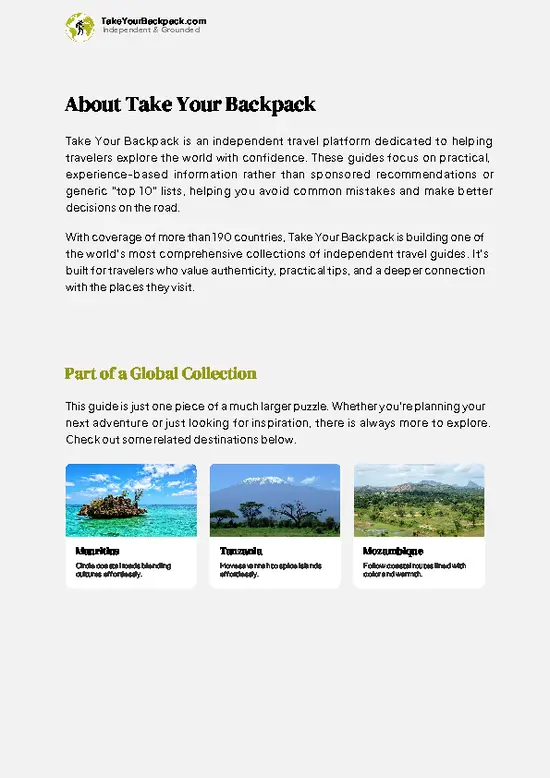
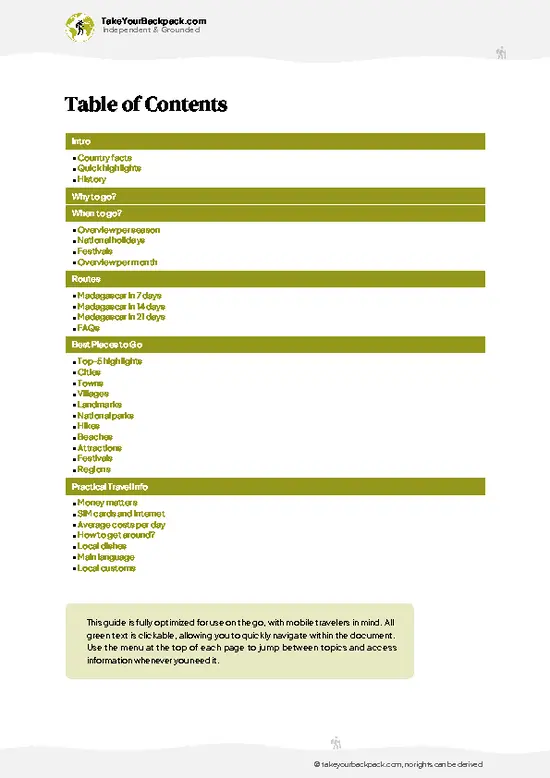
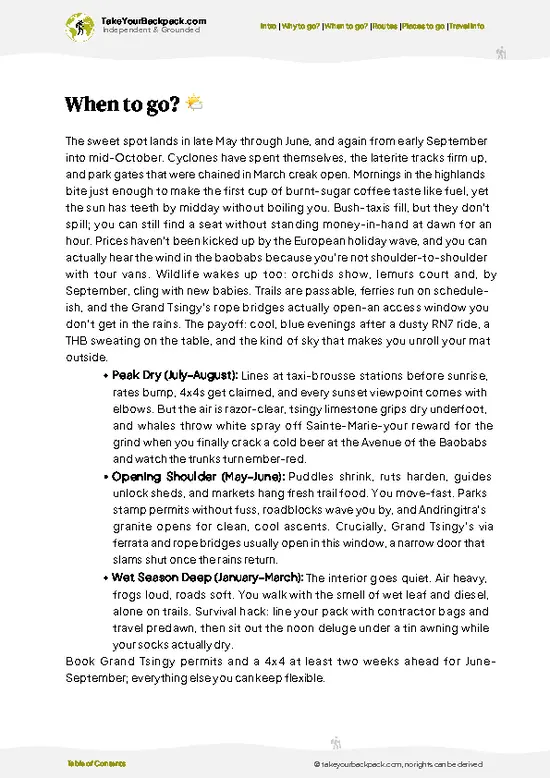
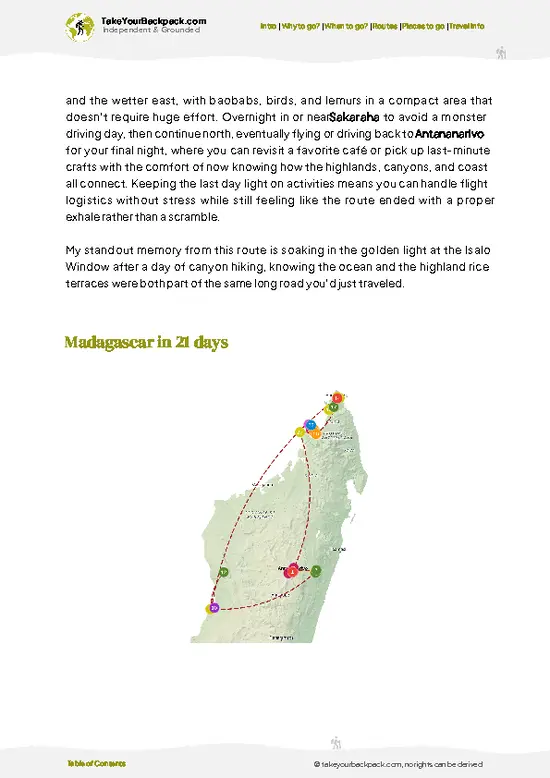
example page 0 from our offline Travel Guide for Madagascar
example page 1 from our offline Travel Guide for Madagascar
example page 2 from our offline Travel Guide for Madagascar
example page 3 from our offline Travel Guide for Madagascar
example page 4 from our offline Travel Guide for Madagascar
example page 5 from our offline Travel Guide for Madagascar
example page 6 from our offline Travel Guide for Madagascar
example page 7 from our offline Travel Guide for Madagascar
The digital guide (418 pages) contains:
110 highlights, ranked by travel appeal
Optimized 7, 14 & 21-day travel routes
Cities, national parks, landmarks, beaches
How to get around
Offline-friendly for travel without Wi-Fi
👉 Click to see all 30+ guide features

📅 Plan smarter in minutes, not weeks
Month by month travel advice
Festivals & national holidays
Budget expectations

🗺️ Go to the right places, skip the overrated ones
Honest pros & cons of destinations
Top hikes, parks & viewpoints
Lesser-known places most travelers miss
Clear “worth it vs skip it” guidance

🛏️ Travel smoothly without rookie mistakes
Best areas to stay
Transport systems explained simply
Common scams & safety advice
SIM cards, money & practical tips

🌍 Understand the country, not just visit it
Culture & traditions
52 Essential phrases & customs
Festivals worth planning around
Traveler-friendly historical context
Insights that make places more meaningful

📱 Built for real travel conditions
Fully downloadable PDF
Works completely offline
Optimized for phone use
Useful in remote areas & buses
Everything in one place
Save weeks of stressful planning
Get instant access to your full guide. 30‑day money-back guarantee.


By proceeding you agree to our terms.
Sent to your inbox immediately after payment • 100% Secure Checkout
Best Backpacking Travel Advisor 2025 tourism awardBest Backpacking
Travel Advisor
2025
What others say about Take Your Backpack Guides:
⭐⭐⭐⭐⭐
Fantastic, amazing amount of information!
⭐⭐⭐⭐⭐
My goodness this is amazing, it's what I've been looking for hats off too you!
⭐⭐⭐⭐⭐
I think this is absolutely BRILLIANT
⭐⭐⭐⭐
Very complete and informative. It's still missing places, but I gotta to commend you
⭐⭐⭐⭐⭐
This is truly amazing, thank you, can't wait to explore it with my kids!
⭐⭐⭐⭐⭐
Awesome resource, thank you!
⭐⭐⭐⭐⭐
This is amazing! Can't wait to explore the ones I haven't seen
⭐⭐⭐⭐
I love this! Well done, great idea.
⭐⭐⭐⭐⭐
Thanks for taking the time to make this gem!
⭐⭐⭐⭐⭐
This might be the best website I've ever seen.
⭐⭐⭐⭐⭐
Congratulations, and thank you so much for your work; it's incredibly valuable.
⭐⭐⭐⭐
In all seriousness I think you did a great job pointing out the important spots
⭐⭐⭐⭐⭐
10/10 very good
⭐⭐⭐⭐⭐
As someone who's only just starting to visit regularly this is awesome, thank you.
⭐⭐⭐⭐
Thank you very much! I'm going to visit my dad, it's going to be very useful!
⭐⭐⭐⭐⭐
This is really cool! We'll be travelling for the first time and this definitely come in handy.
⭐⭐⭐⭐⭐
You are now our minister of culture, congratulations 👨‍💼
⭐⭐⭐⭐⭐
Just wanted to tell you that this is a pearl! Going to follow your recommendations.
⭐⭐⭐⭐⭐
This is so cool. I'll definitely be using the resource for my travels soon.
⭐⭐⭐⭐⭐
This is very impressive! Good work.
⭐⭐⭐⭐⭐
This is an amazing and informative site. Very well done!

🛏️ Where to stay?How to pick the right area

Maroantsetra’s heart for backpackers beats strongest near the waterfront district, where the town’s pulse is both calm and inviting. This area offers a rare blend of safety and social energy, crucial for solo travelers who want to feel grounded yet connected. The streets here are lined with modest guesthouses and a handful of hostels that cater to budget travelers, creating a low-key hub where you can swap stories over a shared meal or plan your next jungle trek without the pressure of tourist crowds.

Why this spot? The waterfront’s steady breeze carries the scent of salt and earth, a reminder … read more 👉
Maroantsetra’s heart for backpackers beats strongest near the waterfront district, where the town’s pulse is both calm and inviting. This area offers a rare blend of safety and social energy, crucial for solo travelers who want to feel grounded yet connected. The streets here are lined with modest guesthouses and a handful of hostels that cater to budget travelers, creating a low-key hub where you can swap stories over a shared meal or plan your next jungle trek without the pressure of tourist crowds.

Why this spot? The waterfront’s steady breeze carries the scent of salt and earth, a reminder that you’re on the edge of something wild—the gateway to Masoala National Park. Staying here means you’re steps away from the boat docks, so you avoid the hassle and expense of last-minute transport scrambling. Plus, the vibe is relaxed but alive, with local markets and small eateries that keep the atmosphere authentic and approachable.

Other parts of Maroantsetra tend to feel more residential or disconnected from the traveler’s rhythm, lacking the social buzz and easy access that make the waterfront area a natural base. Choosing this neighborhood isn’t just about convenience—it’s about plugging into the town’s real character, making your stay smoother and richer from the moment you arrive.

🚌 Getting aroundGetting around like a local

Maroantsetra moves at the pace of the rainforest itself—unpredictable, humid, and alive with the buzz of daily survival rather than strict timetables. The sun hits hard by mid-morning, and the town’s rhythm is dictated more by the ebb and flow of boats on the river and the sporadic arrival of minibuses than by any clock on the wall. You’ll find that patience isn’t just a virtue here; it’s your best travel tool. The air carries the scent of wet earth and saltwater, mixing with the distant calls of fishermen and the occasional honk of a taxi. This is a place where intuition beats rigid schedules, and understanding the local pulse unlocks smoother, more authentic movement through the town.

Walking: The most straightforward way to get around Maroantsetra is on foot. The town is compact, with … read more 👉
Maroantsetra moves at the pace of the rainforest itself—unpredictable, humid, and alive with the buzz of daily survival rather than strict timetables. The sun hits hard by mid-morning, and the town’s rhythm is dictated more by the ebb and flow of boats on the river and the sporadic arrival of minibuses than by any clock on the wall. You’ll find that patience isn’t just a virtue here; it’s your best travel tool. The air carries the scent of wet earth and saltwater, mixing with the distant calls of fishermen and the occasional honk of a taxi. This is a place where intuition beats rigid schedules, and understanding the local pulse unlocks smoother, more authentic movement through the town.

Walking: The most straightforward way to get around Maroantsetra is on foot. The town is compact, with dirt roads that can turn muddy after rain, so sturdy shoes are a must. Walking lets you soak in the humid air, the chatter of market vendors, and the scent of fresh seafood grilling nearby. It’s free, flexible, and the best way to catch the town’s raw, unfiltered vibe.

Bush Taxis (Taxi-Brousse): These shared minibuses are the backbone of regional travel. They don’t run on a strict timetable; instead, they leave when full, which can mean waiting anywhere from 30 minutes to a few hours. Fares are cheap—usually just a few dollars for short hops—but expect cramped seating and a bumpy ride on uneven roads. They’re perfect for budget travelers who want to blend in and don’t mind a little unpredictability.

Motorcycle Taxis (Taxi-Moto): When time is tight or the roads are too rough for cars, motorcycle taxis zip through the town’s narrow paths and muddy stretches. They’re quick and relatively inexpensive, but hold on tight—the ride can be a wild, wind-in-your-face experience. Ideal for short distances or when you need to dodge a sudden downpour.

River Boats: Maroantsetra’s lifeline is the river, and boats are essential for reaching nearby villages or the Masoala Peninsula. These boats don’t run on a fixed schedule; departures depend on passenger numbers and weather conditions. Prices vary, but negotiating directly with the boat owner can save you money. The ride offers a sensory feast—humid air thick with river scents, the splash of water against the hull, and the sight of dense jungle pressing close on either side.

Private Taxi: For those who want comfort and control over timing, private taxis are available but pricier. They offer a smoother ride on the patchy roads and can be arranged through hotels or guesthouses. This option is best if you’re traveling with gear or in a small group and want to avoid the unpredictability of shared transport.

Mastering Maroantsetra’s flow means embracing its organic chaos. Walk when you want to absorb the town’s pulse, hitch a bush taxi for longer hauls, and don’t hesitate to jump on a motorcycle taxi when the road demands speed. The river boats are your gateway to the wild beyond, but patience is the currency that buys you the best seats. This isn’t a place for rigid plans—it’s a place to move with the rhythm of the land and the people who call it home.

👛 Costs (as of 30 July 2026)Typical daily expenses

Backpacking in Maroantsetra, Madagascar, offers a raw, authentic experience, but the costs reflect its remote, less-touristy vibe. Here’s what you can expect to spend daily:
  • Dorm Accommodation: Dorm beds in basic guesthouses or hostels hover around €8-€15 per night. These places are simple—expect mosquito nets, shared bathrooms, and a fan or two. The charm is in the local feel, not luxury.
  • Meals: Eating local is both a necessity and a joy here. Street food and small eateries serve up rice, zebu meat, and fresh seafood for about €3-€6 per meal. Western-style restaurants are rare and pricier, so stick to local dishes to keep costs down and flavors authentic.
  • Local Transport: Getting around Maroantsetra means relying on pousse-pousse (rickshaws) or shared taxis. Expect to pay around €0.50-€1
read more 👉
Backpacking in Maroantsetra, Madagascar, offers a raw, authentic experience, but the costs reflect its remote, less-touristy vibe. Here’s what you can expect to spend daily:
  • Dorm Accommodation: Dorm beds in basic guesthouses or hostels hover around €8-€15 per night. These places are simple—expect mosquito nets, shared bathrooms, and a fan or two. The charm is in the local feel, not luxury.
  • Meals: Eating local is both a necessity and a joy here. Street food and small eateries serve up rice, zebu meat, and fresh seafood for about €3-€6 per meal. Western-style restaurants are rare and pricier, so stick to local dishes to keep costs down and flavors authentic.
  • Local Transport: Getting around Maroantsetra means relying on pousse-pousse (rickshaws) or shared taxis. Expect to pay around €0.50-€1 for short rides within town. For trips outside town, like to nearby villages or the Masoala National Park entrance, budget €5-€10 depending on distance and negotiation skills.
  • Basic Activities/Entry Fees: Entry to Masoala National Park, the main draw, costs about €10-€15. Hiring a local guide, which is often mandatory, adds another €10-€20 per day but is worth it for navigating trails and spotting wildlife. Other small fees for boat rides or village visits can add €5-€10.
  • Miscellaneous Expenses: This covers bottled water, snacks, occasional internet access, or small souvenirs. Plan for around €2-€5 daily. Keep cash handy; ATMs are scarce, and card payments are rare.

All told, a realistic daily budget for Maroantsetra lands between €28 and €55. It’s not dirt cheap, but the price buys you a genuine slice of Madagascar’s wild east coast, where the air smells of salt and forest, and every step feels like a discovery. The key to smooth travel here is embracing simplicity and local rhythms—luxury is in the experience, not the amenities.


source: madagascar-tourisme.com
⚠️ Prices can change and everyone travels differently, so take this as a rough guide. Hope it helps you plan your adventure!

🚌 Day tripsWhere to go beyond the main area

Maroantsetra is your launchpad for Madagascar’s wild beauty, where the air is thick with the scent of vanilla and the sounds of the ocean mingle with the rustling palms. Here are some day trips that will elevate your experience from ordinary to extraordinary.

Masoala National Park
A boat ride through the turquoise waters takes you to Masoala, a paradise for nature lovers. The park is a biodiversity hotspot, home to lemurs, chameleons, and the elusive fossa. Expect to spend about 30 minutes on the boat, and once you land, trails lead you through lush rainforests to pristine beaches. Bring a packed lunch; local guides often charge around $25 for a day’s exploration. The best time to visit is during the dry season from May to October, but be wary of the muddy trails after rain—first-timers … read more 👉
Maroantsetra is your launchpad for Madagascar’s wild beauty, where the air is thick with the scent of vanilla and the sounds of the ocean mingle with the rustling palms. Here are some day trips that will elevate your experience from ordinary to extraordinary.

Masoala National Park
A boat ride through the turquoise waters takes you to Masoala, a paradise for nature lovers. The park is a biodiversity hotspot, home to lemurs, chameleons, and the elusive fossa. Expect to spend about 30 minutes on the boat, and once you land, trails lead you through lush rainforests to pristine beaches. Bring a packed lunch; local guides often charge around $25 for a day’s exploration. The best time to visit is during the dry season from May to October, but be wary of the muddy trails after rain—first-timers often underestimate the terrain.
👉 Explore Masoala National Park

Nosy Mangabe
Just a short boat ride away, Nosy Mangabe is a small island rich in history and wildlife. This is where you can spot the rare black and white ruffed lemurs. The island’s trails are easy to navigate, making it a perfect half-day trip. Expect to pay around $15 for the boat and park entrance. The mornings are ideal for visiting, as the wildlife is more active, and the light is perfect for photos. A common mistake is to rush through; take your time to soak in the atmosphere and the sounds of the forest.


Antongil Bay
For a taste of local life, head to Antongil Bay. The journey takes about 45 minutes by taxi-brousse, costing around $2. Here, you can engage with fishermen, sample fresh seafood, and enjoy the stunning views of the bay. The best time to visit is early morning when the fishermen are returning with their catch. Many travelers overlook the cultural aspect, but connecting with locals can enrich your experience immeasurably.


Andavadoaka Beach
A bit further afield, Andavadoaka Beach is worth the trip for its serene beauty and crystal-clear waters. It’s about an hour’s drive, costing around $5 for a shared taxi. Spend the day swimming, sunbathing, or simply enjoying the sound of the waves. The late afternoon light casts a golden hue, perfect for unwinding. First-timers often forget to bring snacks; there are few shops, so pack something to keep your energy up.
Want to know what more Madagascar offers?
The Madagascar Travel Guide describes 110 highlights, from cities to national parks, from beaches to hikes

Get the Travel Guide -

🛡️ SafetyTraveler Safety Guide

Maroantsetra is generally safe, but a few practical tips can enhance your experience. The bustling market is a vibrant hub, but keep your belongings close. Pickpockets can lurk in crowded spots, so wear a crossbody bag and keep your phone tucked away.

If you’re traveling solo, be mindful after dark. The streets can be dimly lit, and while locals are friendly, it’s wise to stick to well-lit areas.

Scams are rare, but some vendors might inflate prices for tourists. Always ask for prices upfront and don’t hesitate to negotiate. A friendly smile goes a long way, but stay assertive if something feels off.

Embrace the local pace, and don’t rush. The charm of Maroantsetra lies in its rhythm, so take your time and soak in the atmosphere. Enjoy the journey, and let the experience unfold naturally.

Other Malagasy towns near Maroantsetra

Explore more nearby:

  • Sambava—vanilla plantations, coconut groves, river deltas| 137 km away
  • Soanierana Ivongo—ferry terminal, east coast rivers, vanilla shipping| 166 km away
  • Mampikony—savannah edge, cattle trading, northern transit point| 235 km away

💡 Not sure where to go next?
Create a personalized itinerary for Madagascar including Maroantsetra and the places that fit your trip.

Generate my itinerary

👉 Discover all towns

Or checkout all Madagascar has to offer (think cities, towns, villages, national parks, hikes, beaches, festivals)
Country photo of Madagascar

We 💚 feedbackWhat to keep in mind

Maroantsetra is a slice of paradise where the air is thick with the scent of vanilla and the sound of waves crashing against the shore. You’ll find vibrant local markets and friendly faces that make you feel at home. But be ready for the reality check: the roads can be rough, and getting around isn’t always easy. Embrace the challenge; it’s part of the adventure that leads to those unforgettable moments.

✈️ When did I visit Madagascar?
Madagascar I went backpacking in October 2019. With a friend I rented a 4WD and drove around the southern part of Madagascar.

✍️ Help improve this page!
The information on this page is based on my own backpacking experience in Madagascar, supplemented with up-to-date research and feedback from other travelers. Travel details can change, so if you notice anything outdated or incomplete, feel free to let me know.


🙋‍♂️ Give feedback

👋 Meet the founderWho’s Behind Take Your Backpack?

Johan, backpacker and founder of TakeYourBackpackHi, I’m Johan (Netherlands 🇳🇱), the creator of TakeYourBackpack. Over the past decade, I’ve backpacked through 80+ countries across six continents, gaining extensive experience with independent travel, long-term trips, and overland routes.

This site is built on a combination of firsthand travel experience and carefully curated insights from other backpackers. Many guides are based on places I’ve personally visited, while others bring together tips, observations, and practical advice shared by trusted travelers I’ve met along the way.

The goal is to provide realistic, experience-driven guidance — not generic itineraries — so you can explore destinations with better context, clearer expectations, and more confidence.

Get full Madagascar guide •
Instant download • 110 highlights • Full Offline guide