×

Malawi🇲🇼 | citiesMzimbaDistrict headquarters, cattle market, Ngoni heritage, highland climate | things to do and best time to go

Explore LiwondeExplore Blantyre Arts Festival

Backpacking in Mzimba
👍 Recommendedcity ranked #9
By Johan Kruseman 🇳🇱 | Updated June 10, 2026

The first real fork in the road for travelers eyeing Mzimba is whether to linger or just pass through. That choice matters: Mzimba isn’t a headline act, but it’s a crossroads that can shape your Malawi route. Set in Malawi’s northern highlands, Mzimba is a working town where red dust clings to your boots and the scent of roasting maize drifts from roadside stalls. For backpackers, it’s more staging post than destination—useful as a base for exploring the Viphya Mountains or catching your breath between Mzuzu and Lilongwe. The town’s market is lively but practical, not picturesque; evenings are slow, with few hostels and little nightlife, so meeting fellow travelers is hit-or-miss. Transport is straightforward—buses and minibuses stop right in town, but you’ll need local rides for any real adventure. Costs are low, safety is typical for rural Malawi, and compared to Mzuzu, Mzimba is quieter, less polished, and more about the journey than the scene.

Discover everything you want to know in the 📖 Malawi Travel Guide.


Get your Malawi guide
87 ranked highlights, routes & tips, works offline (355 pages)
Loading the map 🌍
CLICK TO FILTER
cities
towns
villages
landmarks
national parks
hikes
beaches
attractions
festivals
regions
SHOW COUNTRY’S BESTSHOW ALL

✨ Why go?
Ranked #9 city in Malawi
Why visitors keep coming back

Backpackers flock to Mzimba for its strategic position on the way to some of Malawi’s best hikes and cultural experiences. The walkable streets invite exploration, where the scent of local street food wafts through the air, drawing you to try a steaming plate of nsima or a spicy samosa. Small-scale hostels and guesthouses offer cozy, affordable stays, fostering a friendly atmosphere that encourages connection among travelers.

While some pass through quickly, many linger for a few days, soaking in the laid-back vibe. This town is perfect for slow travelers and solo adventurers looking for a break from the more touristy spots. The nearby Nyika National Park and Lake Malawi are just a bus ride away, making day trips easy.

You won’t find a bustling nightlife here, but the social scene is warm … read more 👉
Backpackers flock to Mzimba for its strategic position on the way to some of Malawi’s best hikes and cultural experiences. The walkable streets invite exploration, where the scent of local street food wafts through the air, drawing you to try a steaming plate of nsima or a spicy samosa. Small-scale hostels and guesthouses offer cozy, affordable stays, fostering a friendly atmosphere that encourages connection among travelers.

While some pass through quickly, many linger for a few days, soaking in the laid-back vibe. This town is perfect for slow travelers and solo adventurers looking for a break from the more touristy spots. The nearby Nyika National Park and Lake Malawi are just a bus ride away, making day trips easy.

You won’t find a bustling nightlife here, but the social scene is warm and inviting, ideal for those who appreciate meaningful conversations over a cold beer. Mzimba is a place to pause, recharge, and savor the journey ahead.
Want to include Mzimba in your Malawi route?
Create a personalized Malawi itinerary that includes Mzimba and the places that fit your trip — based on your travel style, budget, and available time. Get your route in seconds.

Generate my trip

💡 HighlightsEssential experiences to have while visiting Mzimba

  • Mzimba Market: The real heartbeat of the town — a sprawling open market where you’ll find fresh produce, charcoal, second-hand clothes, local crafts and livestock. Visiting during market day gives a sharp, up-close feel for everyday life, bargaining culture, and local food stalls that serve proper Malawian meals for cheap.
  • Paramount Chief’s Compound (Mbelwa royal homestead): The cultural center of Ngoni authority in Mzimba — a traditional homestead and meeting place for elders and chiefs. It’s where oral history, regalia and occasional public ceremonies anchor the town’s identity, making it essential for anyone wanting real context on local traditions and leadership.
A few real, visitable highlights outside Mzimba but close enough for day trips include Ekwendeni Mission (historic mission … read more 👉
  • Mzimba Market: The real heartbeat of the town — a sprawling open market where you’ll find fresh produce, charcoal, second-hand clothes, local crafts and livestock. Visiting during market day gives a sharp, up-close feel for everyday life, bargaining culture, and local food stalls that serve proper Malawian meals for cheap.
  • Paramount Chief’s Compound (Mbelwa royal homestead): The cultural center of Ngoni authority in Mzimba — a traditional homestead and meeting place for elders and chiefs. It’s where oral history, regalia and occasional public ceremonies anchor the town’s identity, making it essential for anyone wanting real context on local traditions and leadership.
A few real, visitable highlights outside Mzimba but close enough for day trips include Ekwendeni Mission (historic mission station and hospital), the Viphya Plateau/Luwawa forest area (cool highland scenery and forestry trails), and nearby Mzuzu city for bigger markets and museums.
Spotted a mistake or missing something? Contact us.
🏘️ NeighborhoodsNeighborhood guide to Mzimba

Mzimba is a vibrant hub in Malawi, offering a mix of local culture and practical amenities for backpackers. Here’s how to navigate its neighborhoods:

Central Mzimba: This area is the heartbeat of the town. You’ll find bustling markets filled with the scent of fresh produce and local spices. It’s walkable, with plenty of budget-friendly accommodations. Nightlife is low-key, perfect for unwinding after a day of exploration. Ideal for short stays, you can easily access transport options to other destinations.

Chikangawa: A bit quieter, Chikangawa offers a more laid-back vibe. The air is filled with the sounds of nature, making it a great spot for those seeking peace. Accommodations here are slightly pricier but worth it for the tranquility. It’s a good base for longer stays, especially if you … read more 👉
Mzimba is a vibrant hub in Malawi, offering a mix of local culture and practical amenities for backpackers. Here’s how to navigate its neighborhoods:

Central Mzimba: This area is the heartbeat of the town. You’ll find bustling markets filled with the scent of fresh produce and local spices. It’s walkable, with plenty of budget-friendly accommodations. Nightlife is low-key, perfect for unwinding after a day of exploration. Ideal for short stays, you can easily access transport options to other destinations.

Chikangawa: A bit quieter, Chikangawa offers a more laid-back vibe. The air is filled with the sounds of nature, making it a great spot for those seeking peace. Accommodations here are slightly pricier but worth it for the tranquility. It’s a good base for longer stays, especially if you want to explore nearby hiking trails.

Mzimba Boma: This area is known for its historical significance and local government buildings. The atmosphere is lively during the day, with street vendors and cafes. It’s well-connected by public transport, making it easy to hop around. While nightlife is minimal, it’s a solid choice for those wanting a mix of culture and convenience.

Ngala: A residential area that feels like a step away from the tourist trail. The scent of local cooking wafts through the streets. It’s less walkable, but the community vibe is rich. Perfect for longer stays if you want to immerse yourself in daily life.

⌛️ 1 day1-day itinerary for Mzimba

Mzimba, Malawi, is a town that pulses with local life, where the air is rich with the scent of roasting maize and the laughter of children fills the streets. It’s a place where you can feel the heartbeat of Malawian culture, far from the usual tourist paths.

Start your morning at the bustling Mzimba Market. The vibrant colors of fresh produce and handmade crafts greet you as you weave through stalls. Engage with vendors; their stories are as rich as their goods. Grab a warm chapati from a street vendor for breakfast, the flaky texture and hint of spice will fuel your day.

In the afternoon, head to the nearby Mzimba District Cultural Museum. This lesser-known spot offers a deep dive into the local history and traditions. The museum’s artifacts tell tales of the Ngoni people, and the knowledgeable … read more 👉
Mzimba, Malawi, is a town that pulses with local life, where the air is rich with the scent of roasting maize and the laughter of children fills the streets. It’s a place where you can feel the heartbeat of Malawian culture, far from the usual tourist paths.

Start your morning at the bustling Mzimba Market. The vibrant colors of fresh produce and handmade crafts greet you as you weave through stalls. Engage with vendors; their stories are as rich as their goods. Grab a warm chapati from a street vendor for breakfast, the flaky texture and hint of spice will fuel your day.

In the afternoon, head to the nearby Mzimba District Cultural Museum. This lesser-known spot offers a deep dive into the local history and traditions. The museum’s artifacts tell tales of the Ngoni people, and the knowledgeable staff can share insights that make the exhibits come alive. Afterward, stroll through the nearby neighborhoods, where you can admire the unique architecture and vibrant murals that reflect the community’s spirit.

As the sun begins to set, make your way to the scenic shores of Lake Malawi, just a short drive away. The golden light casts a warm glow on the water, creating a perfect backdrop for reflection. Find a local spot to enjoy nsima, a staple dish, paired with fresh fish caught that day. The flavors are simple yet profound, connecting you to the land and its people.

End your day by mingling with locals at a nearby bar, where the sounds of traditional music fill the air. Share stories, laugh, and soak in the warmth of Mzimba’s community. This day isn’t just about seeing; it’s about feeling the essence of Malawi, making every moment a meaningful part of your journey.
Turn your Mzimba visit into an Malawi adventure
Build a complete Malawi route with Mzimba, hidden gems, must-see destinations, and realistic travel times included.

Generate my trip

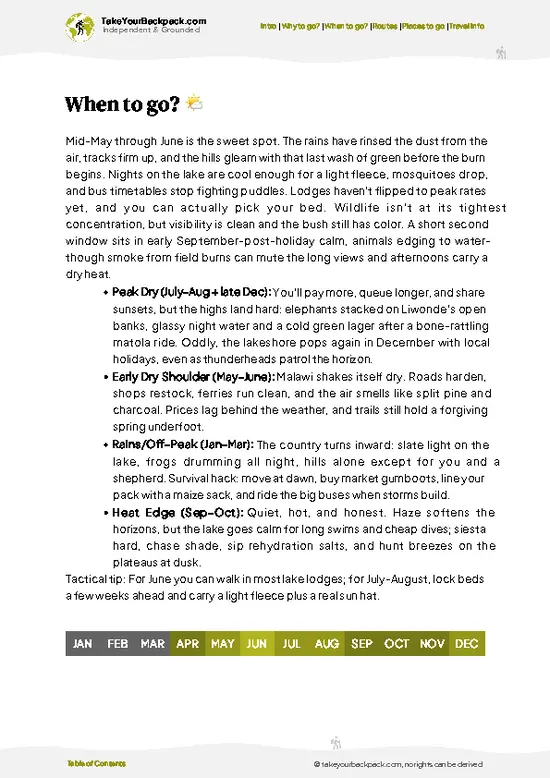
🌤️ When to go?Weather, crowds, and seasonal trade-offs


  • Weather: The dry season from May to October is your best bet. Skies clear up, and the air feels crisp rather than sticky. Rainfall drops to a minimum, so trails stay firm and rivers calm.

  • Temperature: Expect daytime highs around 22-26°C (72-79°F) during the dry months, with nights cooling to 10-15°C (50-59°F). It’s comfortable for hiking without overheating or shivering.

  • Daylight Hours: June to August offers about 11 to 12 hours of daylight, enough to start early and finish late without rushing. The sun rises around 6:30 am and sets near 6:30 pm, giving you a solid window for exploration.

  • Crowds: Mzimba isn’t a tourist hotspot, but the dry season attracts local visitors and regional trekkers. You’ll find a friendly buzz without feeling overwhelmed.

  • Seasonal Activities: Dry months
read more 👉

  • Weather: The dry season from May to October is your best bet. Skies clear up, and the air feels crisp rather than sticky. Rainfall drops to a minimum, so trails stay firm and rivers calm.

  • Temperature: Expect daytime highs around 22-26°C (72-79°F) during the dry months, with nights cooling to 10-15°C (50-59°F). It’s comfortable for hiking without overheating or shivering.

  • Daylight Hours: June to August offers about 11 to 12 hours of daylight, enough to start early and finish late without rushing. The sun rises around 6:30 am and sets near 6:30 pm, giving you a solid window for exploration.

  • Crowds: Mzimba isn’t a tourist hotspot, but the dry season attracts local visitors and regional trekkers. You’ll find a friendly buzz without feeling overwhelmed.

  • Seasonal Activities: Dry months open up hiking, birdwatching, and cultural visits. The rainy season (November to April) brings lush greenery but can turn trails into mud pits and rivers into barriers.

  • Price Fluctuations: Accommodation and transport costs dip slightly in the shoulder months (May and October), offering a sweet spot between weather and budget.


Pro-tip: Aim for late May or early October to catch dry trails, fewer crowds, and better deals—Mzimba’s charm feels earned when the weather cooperates.


source: climatestotravel.comJANJanuary: fair for travelingFEBFebruary: fair for travelingMARMarch: fair for travelingAPRApril: fair for travelingMAYMay: highly recommended for travelingJUNJune: excellent for travelingJULJuly: excellent for travelingAUGAugust: excellent for travelingSEPSeptember: excellent for travelingOCTOctober: highly recommended for travelingNOVNovember: fair for travelingDECDecember: fair for traveling
when-to-go

✈️ The backpacker research shortcutMalawi Travel Guide

An offline-friendly backpacking guide with optimized travel routes, ranked highlights, transport advice, and the best areas to stay.
example page 0 from our offline Travel Guide for Malawi
example page 1 from our offline Travel Guide for Malawi
example page 2 from our offline Travel Guide for Malawi
example page 3 from our offline Travel Guide for Malawi
example page 4 from our offline Travel Guide for Malawi
example page 5 from our offline Travel Guide for Malawi
example page 6 from our offline Travel Guide for Malawi
example page 7 from our offline Travel Guide for Malawi
The digital guide (355 pages) contains:
87 highlights, ranked by travel appeal
Optimized 5, 10 & 15-day travel routes
Cities, national parks, landmarks, beaches
How to get around
Offline-friendly for travel without Wi-Fi
👉 Click to see all 30+ guide features

📅 Plan smarter in minutes, not weeks
Month by month travel advice
Festivals & national holidays
Budget expectations

🗺️ Go to the right places, skip the overrated ones
Honest pros & cons of destinations
Top hikes, parks & viewpoints
Lesser-known places most travelers miss
Clear “worth it vs skip it” guidance

🛏️ Travel smoothly without rookie mistakes
Best areas to stay
Transport systems explained simply
Common scams & safety advice
SIM cards, money & practical tips

🌍 Understand the country, not just visit it
Culture & traditions
52 Essential phrases & customs
Festivals worth planning around
Traveler-friendly historical context
Insights that make places more meaningful

📱 Built for real travel conditions
Fully downloadable PDF
Works completely offline
Optimized for phone use
Useful in remote areas & buses
Everything in one place
Save weeks of stressful planning
Get instant access to your full guide. 30‑day money-back guarantee.


By proceeding you agree to our terms.
Sent to your inbox immediately after payment • 100% Secure Checkout
Best Backpacking Travel Advisor 2025 tourism awardBest Backpacking
Travel Advisor
2025
What others say about Take Your Backpack Guides:
⭐⭐⭐⭐⭐
Fantastic, amazing amount of information!
⭐⭐⭐⭐⭐
My goodness this is amazing, it's what I've been looking for hats off too you!
⭐⭐⭐⭐⭐
I think this is absolutely BRILLIANT
⭐⭐⭐⭐
Very complete and informative. It's still missing places, but I gotta to commend you
⭐⭐⭐⭐⭐
This is truly amazing, thank you, can't wait to explore it with my kids!
⭐⭐⭐⭐⭐
Awesome resource, thank you!
⭐⭐⭐⭐⭐
This is amazing! Can't wait to explore the ones I haven't seen
⭐⭐⭐⭐
I love this! Well done, great idea.
⭐⭐⭐⭐⭐
Thanks for taking the time to make this gem!
⭐⭐⭐⭐⭐
This might be the best website I've ever seen.
⭐⭐⭐⭐⭐
Congratulations, and thank you so much for your work; it's incredibly valuable.
⭐⭐⭐⭐
In all seriousness I think you did a great job pointing out the important spots
⭐⭐⭐⭐⭐
10/10 very good
⭐⭐⭐⭐⭐
As someone who's only just starting to visit regularly this is awesome, thank you.
⭐⭐⭐⭐
Thank you very much! I'm going to visit my dad, it's going to be very useful!
⭐⭐⭐⭐⭐
This is really cool! We'll be travelling for the first time and this definitely come in handy.
⭐⭐⭐⭐⭐
You are now our minister of culture, congratulations 👨‍💼
⭐⭐⭐⭐⭐
Just wanted to tell you that this is a pearl! Going to follow your recommendations.
⭐⭐⭐⭐⭐
This is so cool. I'll definitely be using the resource for my travels soon.
⭐⭐⭐⭐⭐
This is very impressive! Good work.
⭐⭐⭐⭐⭐
This is an amazing and informative site. Very well done!

🛏️ Where to stay?Choosing the right base

Mzimba’s heart for backpackers beats strongest around the town center and the nearby market district. This area hums with life from dawn—vendors setting up stalls, the scent of fresh maize roasting over charcoal, and the chatter of locals bartering. It’s where you’ll find the best mix of safety and social energy, crucial for solo travelers looking to connect without wandering into sketchy corners.

Staying here means easy access to basic amenities and a handful of budget-friendly hostels that double as social hubs. The vibe is relaxed but lively, with enough foot traffic to feel secure but not … read more 👉
Mzimba’s heart for backpackers beats strongest around the town center and the nearby market district. This area hums with life from dawn—vendors setting up stalls, the scent of fresh maize roasting over charcoal, and the chatter of locals bartering. It’s where you’ll find the best mix of safety and social energy, crucial for solo travelers looking to connect without wandering into sketchy corners.

Staying here means easy access to basic amenities and a handful of budget-friendly hostels that double as social hubs. The vibe is relaxed but lively, with enough foot traffic to feel secure but not so much that you’re overwhelmed. Compared to the quieter, more residential outskirts, the center keeps you plugged into the pulse of Mzimba’s daily rhythm—perfect for those who want to soak in local life without sacrificing comfort or camaraderie.

Venturing beyond this zone risks isolation and less reliable infrastructure, which can turn a simple errand into a logistical headache. Stick close to the market district if you want your Mzimba experience to feel both authentic and manageable.

🚌 Getting aroundGetting around like a local

Mzimba moves at its own rhythm—a blend of deliberate pace and bursts of spontaneous energy. The sun filters through baobab branches, casting long shadows on dusty streets where locals barter with a mix of patience and urgency. Time here isn’t dictated by clocks but by the flow of daily life: market stalls opening when the light is right, minibuses filling up until they spill over, and the occasional lull when the heat presses everything into a slow simmer. You’ll find that embracing this ebb and flow, rather than fighting it, unlocks the real experience. It’s not about rigid schedules but reading the cues—the chatter, the footsteps, the scent of roasting maize—that guide your next move.


  • Walking: The most reliable and immersive way to get around. Streets are compact and often unpaved, so
read more 👉
Mzimba moves at its own rhythm—a blend of deliberate pace and bursts of spontaneous energy. The sun filters through baobab branches, casting long shadows on dusty streets where locals barter with a mix of patience and urgency. Time here isn’t dictated by clocks but by the flow of daily life: market stalls opening when the light is right, minibuses filling up until they spill over, and the occasional lull when the heat presses everything into a slow simmer. You’ll find that embracing this ebb and flow, rather than fighting it, unlocks the real experience. It’s not about rigid schedules but reading the cues—the chatter, the footsteps, the scent of roasting maize—that guide your next move.


  • Walking: The most reliable and immersive way to get around. Streets are compact and often unpaved, so sturdy shoes are a must. Walking lets you catch the scent of fresh cassava and the rhythm of daily life up close, with zero cost and total freedom.

  • Local Minibuses (Buses): These are the lifeblood of transit here, running from dawn until early evening, roughly 6 AM to 6 PM. Fares are dirt cheap—just a few kwacha—but expect crowding and frequent stops. They’re slow but a direct window into local interactions and the town’s pulse.

  • Bicycle Taxis (Zebras): A step up in speed and comfort, zebras weave through traffic with surprising agility. They’re perfect for short hops across town, costing a bit more than buses but still budget-friendly. Negotiate your fare upfront to avoid surprises.

  • Shared Taxis: These run less predictably and often fill up before leaving. They’re faster than minibuses but pricier, best for when you’re pressed for time or heading to nearby villages. Departure times depend on when the vehicle is full, so patience is key.

  • Motorbike Rentals: For the confident traveler, renting a motorbike offers unmatched freedom to explore beyond town limits. Prices vary, and you’ll need a local license or guide. The trade-off is the dust and heat, but the payoff is access to hidden spots on your own schedule.

👛 Costs (as of 1 March 2026)How expensive it really is

Backpacking in Mzimba, Malawi, offers a raw, authentic experience where your money stretches further than in more tourist-heavy spots, but it’s still essential to know what to expect day-to-day.
  • Dorm Accommodation: Expect basic guesthouses or hostels with shared rooms. Prices hover around $5 to $10 per night. These places often have simple beds, mosquito nets, and shared bathrooms. It’s not luxury, but it’s clean and functional, perfect for resting after a day of exploring.
  • Meals: Local eateries serve hearty, filling meals—think nshima (a maize staple) with vegetables or fish. A typical meal costs between $1.50 and $3. Street food is even cheaper, but stick to cooked items to avoid stomach trouble. Western-style meals or imported goods will push the price higher, around $5 to $7.
  • Local
read more 👉
Backpacking in Mzimba, Malawi, offers a raw, authentic experience where your money stretches further than in more tourist-heavy spots, but it’s still essential to know what to expect day-to-day.
  • Dorm Accommodation: Expect basic guesthouses or hostels with shared rooms. Prices hover around $5 to $10 per night. These places often have simple beds, mosquito nets, and shared bathrooms. It’s not luxury, but it’s clean and functional, perfect for resting after a day of exploring.
  • Meals: Local eateries serve hearty, filling meals—think nshima (a maize staple) with vegetables or fish. A typical meal costs between $1.50 and $3. Street food is even cheaper, but stick to cooked items to avoid stomach trouble. Western-style meals or imported goods will push the price higher, around $5 to $7.
  • Local Transport: Minibuses and shared taxis are the norm, with fares usually under $1 for short trips within town. For longer rides or private hires, budget $3 to $5. The roads can be dusty and bumpy, so factor in some extra time and patience.
  • Basic Activities/Entry Fees: Mzimba isn’t packed with tourist traps, but you can visit local markets, cultural sites, or nearby natural spots. Entry fees, if any, are minimal—usually under $2. Guided tours or special experiences might cost $10 to $15 but are rare and often arranged locally.
  • Miscellaneous Expenses: Think bottled water, snacks, phone credit, or small tips. These add up to about $1 to $3 daily. Water quality varies, so buying safe water is a must. Internet access is spotty and usually costs extra at guesthouses or local cafes.

All told, you’re looking at roughly $10 to $20 per day to cover the essentials in Mzimba. It’s a modest sum that buys you a genuine slice of Malawian life, where the simplicity of the town’s pace and the warmth of its people make every dollar feel well spent.


source: malawitourism.com
⚠️ Prices can change and everyone travels differently, so take this as a rough guide. Hope it helps you plan your adventure!

🚌 Day tripsWhere to go beyond the main area

Mzimba, Malawi, is a backpacker’s dream base, offering a blend of culture, nature, and adventure just a stone’s throw away. Here are some day trips that will elevate your experience.

Chikangawa Forest Reserve
Just a 30-minute drive from Mzimba, Chikangawa is a lush escape filled with towering trees and the earthy scent of damp soil. The trails here are well-marked, leading you through a symphony of bird calls and rustling leaves. Spend a few hours hiking, and keep your eyes peeled for the elusive blue monkey. A local guide can enhance your experience, costing around $10. The best time to visit is during the dry season, from May to October, when the trails are less muddy. A common mistake is underestimating the chill in the forest; pack a light jacket.


Lake Malawi National Park
A bit … read more 👉
Mzimba, Malawi, is a backpacker’s dream base, offering a blend of culture, nature, and adventure just a stone’s throw away. Here are some day trips that will elevate your experience.

Chikangawa Forest Reserve
Just a 30-minute drive from Mzimba, Chikangawa is a lush escape filled with towering trees and the earthy scent of damp soil. The trails here are well-marked, leading you through a symphony of bird calls and rustling leaves. Spend a few hours hiking, and keep your eyes peeled for the elusive blue monkey. A local guide can enhance your experience, costing around $10. The best time to visit is during the dry season, from May to October, when the trails are less muddy. A common mistake is underestimating the chill in the forest; pack a light jacket.


Lake Malawi National Park
A bit further afield, about a two-hour drive, Lake Malawi National Park is worth every minute. The shimmering waters and sandy beaches are perfect for a refreshing swim or a leisurely kayak. You can rent a kayak for about $5, and the park entrance fee is around $10. The best time to go is during the dry season, when the weather is warm and the water is inviting. Many first-timers miss the chance to explore the nearby fishing villages; take a moment to chat with locals for a richer experience.
👉 Explore Lake Malawi National Park

Mzuzu Market
Only an hour away, Mzuzu Market is a sensory overload of colors, sounds, and smells. Fresh produce, handmade crafts, and local street food create a vibrant atmosphere. Spend a few hours wandering, sampling local dishes like nsima and chambo, and haggling for souvenirs. Budget around $5 for food and a few kwacha for small purchases. The market is best visited in the morning when it’s bustling but not overwhelming. A common mistake is sticking to the main stalls; venture deeper for unique finds.


Nyika National Park
If you’re up for a longer journey, Nyika National Park is about a three-hour drive from Mzimba. This high-altitude park is known for its rolling hills and diverse wildlife. You can spot antelope and various bird species while hiking or driving through the park. Entrance fees are around $10, and a guided tour can be arranged for about $15. The dry season is ideal for wildlife spotting, but be prepared for cooler temperatures. Many overlook the stunning viewpoints; don’t miss the chance to soak in the panoramic vistas.
👉 Explore Nyika National Park
Want to know what more Malawi offers?
The Malawi Travel Guide describes 87 highlights, from cities to national parks, from beaches to hikes

Get the Travel Guide -

🍲 FoodLocal Flavors for Backpackers

In Mzimba, food is a direct line to the heart of Malawi’s daily rhythm. The must-try dish is nsima, a thick maize porridge that’s the backbone of every meal, usually paired with flavorful relishes like chambo fish or spicy greens. It’s simple but grounding—think of it as the local comfort food that fuels both market vendors and farmers alike.

Backpackers will find themselves drawn to bustling markets where the air is thick with the scent of roasting maize and simmering peanut stew. Street food stalls serve up quick bites—fried cassava or grilled meats—that are as much about the social buzz as the taste. Casual eateries offer a chance to sit down and watch the world go by, with locals chatting over mugs of malawi tea or the country’s signature Chibuku, a traditional sorghum beer that’s earthy … read more 👉
In Mzimba, food is a direct line to the heart of Malawi’s daily rhythm. The must-try dish is nsima, a thick maize porridge that’s the backbone of every meal, usually paired with flavorful relishes like chambo fish or spicy greens. It’s simple but grounding—think of it as the local comfort food that fuels both market vendors and farmers alike.

Backpackers will find themselves drawn to bustling markets where the air is thick with the scent of roasting maize and simmering peanut stew. Street food stalls serve up quick bites—fried cassava or grilled meats—that are as much about the social buzz as the taste. Casual eateries offer a chance to sit down and watch the world go by, with locals chatting over mugs of malawi tea or the country’s signature Chibuku, a traditional sorghum beer that’s earthy and potent, best enjoyed with a group.

Eating here isn’t rushed. Sharing food is a gesture of friendship, and refusing an offer can feel like missing out on a story. So, lean in, savor the textures, and let the local flavors narrate Mzimba’s everyday life.

🛡️ SafetyStaying Safe: What Travelers Should Know

Mzimba is generally safe, but a few practical tips can enhance your experience. The town has a relaxed vibe, yet it’s wise to stay aware, especially in crowded markets. Keep your belongings close and avoid flashy jewelry; subtlety goes a long way.

If you’re traveling solo, daylight is your friend. While Mzimba is not known for high crime, wandering alone at night can feel isolating. Stick to well-lit areas and consider teaming up with fellow travelers or locals for evening outings.

Scams are rare, but be cautious of overly friendly strangers offering unsolicited help. Politely decline and trust your instincts. Everyday annoyances might include persistent vendors; a firm but friendly “no, thank you” usually does the trick. Embrace the local culture, and you’ll find that the little bumps along … read more 👉
Mzimba is generally safe, but a few practical tips can enhance your experience. The town has a relaxed vibe, yet it’s wise to stay aware, especially in crowded markets. Keep your belongings close and avoid flashy jewelry; subtlety goes a long way.

If you’re traveling solo, daylight is your friend. While Mzimba is not known for high crime, wandering alone at night can feel isolating. Stick to well-lit areas and consider teaming up with fellow travelers or locals for evening outings.

Scams are rare, but be cautious of overly friendly strangers offering unsolicited help. Politely decline and trust your instincts. Everyday annoyances might include persistent vendors; a firm but friendly “no, thank you” usually does the trick. Embrace the local culture, and you’ll find that the little bumps along the way only add to the richness of your journey.

Other Malawian cities near Mzimba

Explore more nearby:

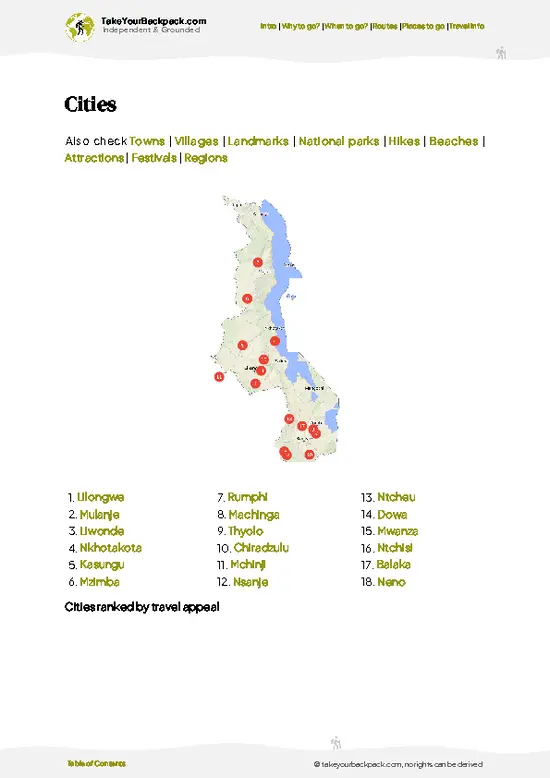
  • Mzuzu—northern hub, tea estates, university town, cool climate| 67 km away
  • Rumphi—Viphya foothills, cattle market, gateway to Nyika, northern farming| 102 km away
  • Kasungu—tobacco farms, national park gateway, small-town center, mission history| 127 km away

💡 Not sure where to go next?
Create a personalized itinerary for Malawi including Mzimba and the places that fit your trip.

Generate my itinerary

👉 Discover all cities

Or checkout all Malawi has to offer (think cities, towns, villages, national parks, hikes, beaches, festivals)
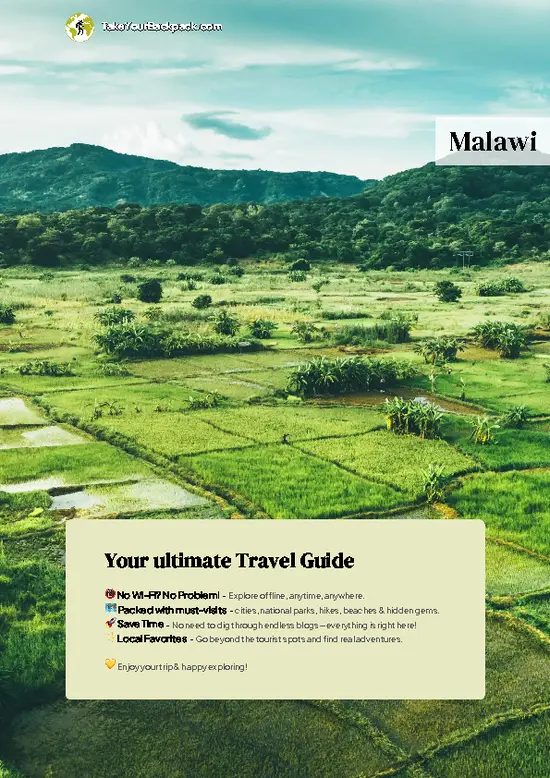
Country photo of Malawi

We 💚 feedbackFinal thoughts on visiting Mzimba

Mzimba has a rhythm that pulls you in. The air is thick with the scent of wood smoke and fresh earth, a reminder of the vibrant life here. Don’t miss the local markets; they’re a sensory overload of colors and sounds. A surprise? The warmth of the people—genuine smiles that make you feel at home. Just be ready for the occasional power cut; it’s part of the charm. Embrace it, and you’ll find a deeper connection to this place.

✍️ Help improve this page!
The information on this page is based on in-depth research, insights shared by experienced travelers, and feedback from the local travel community in Malawi. While every effort is made to keep the information accurate and current, conditions can change — so if you spot anything incorrect or outdated, please get in touch.


🙋‍♂️ Give feedback

👋 Meet the founderWho’s Behind Take Your Backpack?

Johan, backpacker and founder of TakeYourBackpackHi, I’m Johan (Netherlands 🇳🇱), the creator of TakeYourBackpack. Over the past decade, I’ve backpacked through 80+ countries across six continents, gaining extensive experience with independent travel, long-term trips, and overland routes.

This site is built on a combination of firsthand travel experience and carefully curated insights from other backpackers. Many guides are based on places I’ve personally visited, while others bring together tips, observations, and practical advice shared by trusted travelers I’ve met along the way.

The goal is to provide realistic, experience-driven guidance — not generic itineraries — so you can explore destinations with better context, clearer expectations, and more confidence.

Get full Malawi guide •
Instant download • 87 highlights • Full Offline guide