×
Gunung Mulu

Malaysia🇲🇾 | national parksGunung Mululimestone pinnacles, bat exodus, cave systems | things to do and best time to go

Explore Endau-Rompin National ParkExplore Kinabalu Park

Backpacking in Gunung Mulu
UNESCO World Heritage site
🏆 Top picknational park ranked #3
By Johan Kruseman 🇳🇱 | Updated May 31, 2026

Most people online sell Gunung Mulu as a hardcore jungle trek, but the real surprise is how much of it is tightly regulated, boardwalked, and guided—more logistics puzzle than wild free-roam. Gunung Mulu National Park sits in northern Sarawak, inland from Miri in Malaysian Borneo. For backpackers, it’s a trade: you get outrageous karst peaks, world-class caves, real rainforest, and serious multi-day hikes like the Pinnacles and the Summit, but you pay in planning, package-style tours, and mandatory guides. Wildlife is there—hornbills, bats, insects galore—but it’s not a cheap safari; entrance fees, cave tickets, and longhouse or park accommodation add up, and wild camping is basically off the table. Compared with cheaper, looser parks like Bako or Kubah, Mulu feels more controlled, pricier, and more “expedition-lite,” but also more dramatic. I go when I want big geology and structured adventure, not casual jungle wandering.

Discover everything you want to know in the 📖 Malaysia Travel Guide.
Loading the map 🌍
CLICK TO FILTER
cities
towns
villages
landmarks
national parks
hikes
beaches
attractions
festivals
regions
SHOW COUNTRY’S BESTSHOW ALL

✨ Why go?
Ranked #3 national park in Malaysia
Why Gunung Mulu should be on your travel list

Gunung Mulu National Park in Malaysia attracts backpackers for several compelling reasons. First, independent exploration is a major draw. The park offers a network of trails that cater to various skill levels, allowing you to chart your own course through its stunning landscapes.

Budget-conscious travelers appreciate the camping and hostel options nearby. You can pitch a tent under the stars or find a cozy dorm, keeping costs low while immersing yourself in nature.

The trail variety is another highlight. From the famous Mulu Caves to the challenging Pinnacles trek, there’s something for everyone. Each trail offers a unique glimpse into the park’s rich biodiversity and geological wonders.

For those who prefer to go solo, Gunung Mulu is well-suited for self-guided adventures. While guided … read more 👉
Gunung Mulu National Park in Malaysia attracts backpackers for several compelling reasons. First, independent exploration is a major draw. The park offers a network of trails that cater to various skill levels, allowing you to chart your own course through its stunning landscapes.

Budget-conscious travelers appreciate the camping and hostel options nearby. You can pitch a tent under the stars or find a cozy dorm, keeping costs low while immersing yourself in nature.

The trail variety is another highlight. From the famous Mulu Caves to the challenging Pinnacles trek, there’s something for everyone. Each trail offers a unique glimpse into the park’s rich biodiversity and geological wonders.

For those who prefer to go solo, Gunung Mulu is well-suited for self-guided adventures. While guided tours are available, many trails are marked and accessible, allowing you to explore at your own pace.

Be mindful of the weather; the rainy season can make trails slippery and less enjoyable. Planning your visit during the drier months can enhance your experience. By being aware of these factors, you can preserve your energy and budget for the moments that truly matter.
Want to include Gunung Mulu in your Malaysia route?
Create a personalized Malaysia itinerary that includes Gunung Mulu and the places that fit your trip — based on your travel style, budget, and available time. Get your route in seconds.

Generate my trip

💡 HighlightsEssential experiences to have while exploring Gunung Mulu

  • Deer Cave — A jaw-dropper: an enormous cave entrance and chamber where, at dusk, thousands of bats stream out in a twisting cloud. The scale is what gets you — walk the rim trail at the right time and the bat exodus is unforgettable. (Personal favorite.)
  • Clearwater Cave & Clearwater River — A vast cave system carved by a subterranean river; you can take a boat through sections and cool off in the crystal-clear pools nearby. It’s both a spelunking and a swimming spot, so you get cave drama plus refreshing water.
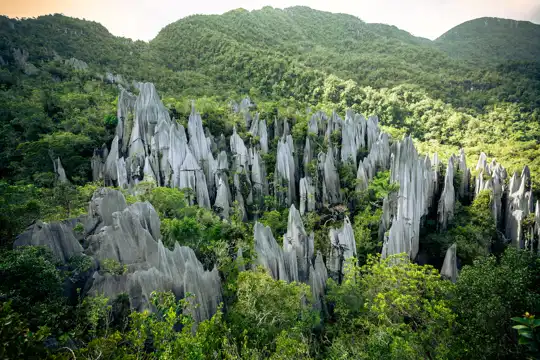
  • Pinnacles — Needle-sharp limestone towers that rise out of the jungle. Reaching them is a serious multi-day trek (steep, sweaty, ladders and all), but the surreal karst skyline and views from the ridges are worth the effort if you’re fit and patient.
  • Lang’s Cave — Close to the
read more 👉
  • Deer Cave — A jaw-dropper: an enormous cave entrance and chamber where, at dusk, thousands of bats stream out in a twisting cloud. The scale is what gets you — walk the rim trail at the right time and the bat exodus is unforgettable. (Personal favorite.)
  • Clearwater Cave & Clearwater River — A vast cave system carved by a subterranean river; you can take a boat through sections and cool off in the crystal-clear pools nearby. It’s both a spelunking and a swimming spot, so you get cave drama plus refreshing water.
  • Pinnacles — Needle-sharp limestone towers that rise out of the jungle. Reaching them is a serious multi-day trek (steep, sweaty, ladders and all), but the surreal karst skyline and views from the ridges are worth the effort if you’re fit and patient.
  • Lang’s Cave — Close to the park headquarters and an easy walk, this cave packs beautiful stalactites, flowstones and small chambers into a short visit. Great if you want dramatic cave formations without committing to a long hike.
  • Wind Cave — A cooler, less crowded cave known for the breeze that flows through its passageways and the tight, sculpted limestone corridors. Short trails and interesting rock shapes make it a neat counterpoint to the huge Deer and Clearwater systems.
  • Tree Top Walk / Canopy Skywalk — Walk high above the forest on suspended bridges for birdwatching, tree-level perspectives and sunrise or early-morning mist. It’s the best way to appreciate the rainforest layers without climbing a mountain.
  • Night jungle walks & wildlife spotting — Guided after-dark treks reveal frogs, insects, owls, spiderwebs glittering with dew and nocturnal mammals. The rainforest comes alive at night; bring a good headlamp and your sense of wonder.
Spotted a mistake or missing something? Contact us.
🌤️ When to go?Seasonal considerations and timing


  • Topic: Weather – Gunung Mulu experiences a tropical rainforest climate, meaning heavy rain is common year-round. The drier months from March to September offer more manageable trails and fewer mudslides, but expect occasional showers even then.

  • Topic: Temperature – Temperatures hover between 23°C to 32°C (73°F to 90°F) during the day, cooling slightly at night. Humidity stays high, so pack moisture-wicking gear and prepare for sticky conditions.

  • Topic: Daylight Hours – Daylight is fairly consistent, around 12 hours daily. Plan your hikes early to avoid afternoon downpours and maximize natural light for cave explorations.

  • Topic: Crowds – Peak season aligns with the drier months, especially July and August, when international visitors arrive. Expect busier trails and higher accommodation
read more 👉

  • Topic: Weather – Gunung Mulu experiences a tropical rainforest climate, meaning heavy rain is common year-round. The drier months from March to September offer more manageable trails and fewer mudslides, but expect occasional showers even then.

  • Topic: Temperature – Temperatures hover between 23°C to 32°C (73°F to 90°F) during the day, cooling slightly at night. Humidity stays high, so pack moisture-wicking gear and prepare for sticky conditions.

  • Topic: Daylight Hours – Daylight is fairly consistent, around 12 hours daily. Plan your hikes early to avoid afternoon downpours and maximize natural light for cave explorations.

  • Topic: Crowds – Peak season aligns with the drier months, especially July and August, when international visitors arrive. Expect busier trails and higher accommodation prices during this window.

  • Topic: Seasonal Activities – The dry season is best for trekking and cave tours. The wet season can limit access to some trails but offers a lush, vibrant jungle experience if you’re prepared for slippery paths.

  • Topic: Price Fluctuations – Accommodation and guided tours spike in the dry season. Booking in advance can save money, while the wet season offers lower rates but comes with the risk of disrupted plans.


Pro-tip: Visit just before the peak dry season—late February to early March—to dodge crowds and catch decent weather without paying premium prices.


source: climatestotravel.comJANJanuary: fair for travelingFEBFebruary: good for travelingMARMarch: highly recommended for travelingAPRApril: highly recommended for travelingMAYMay: highly recommended for travelingJUNJune: highly recommended for travelingJULJuly: excellent for travelingAUGAugust: excellent for travelingSEPSeptember: highly recommended for travelingOCTOctober: fair for travelingNOVNovember: fair for travelingDECDecember: fair for traveling
Malaysia - Gunung Mulu

✈️ The backpacker research shortcutMalaysia Travel Guide

An offline-friendly backpacking guide with optimized travel routes, ranked highlights, transport advice, and the best areas to stay.
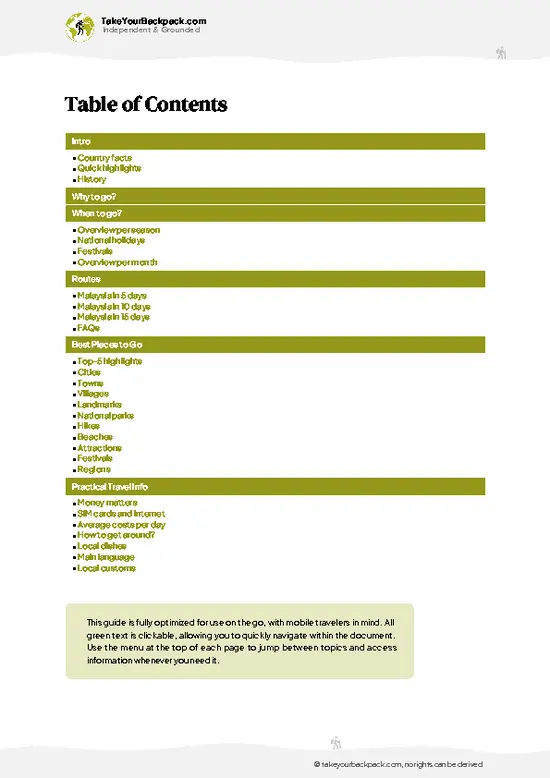
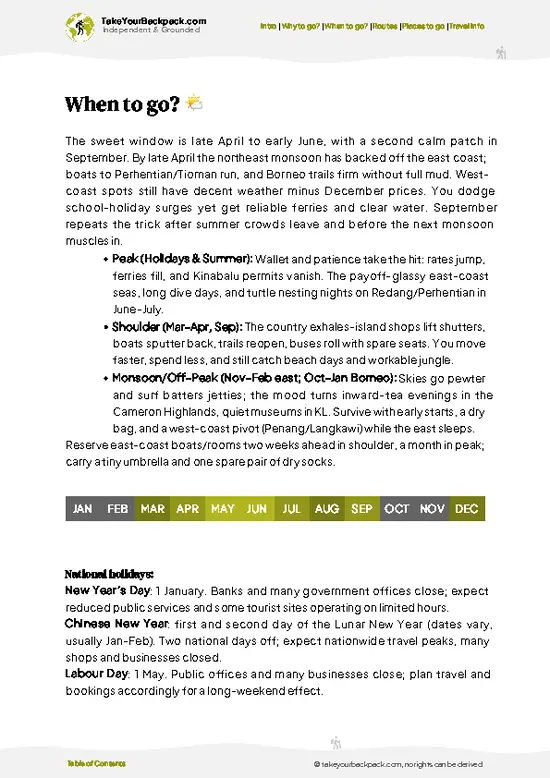
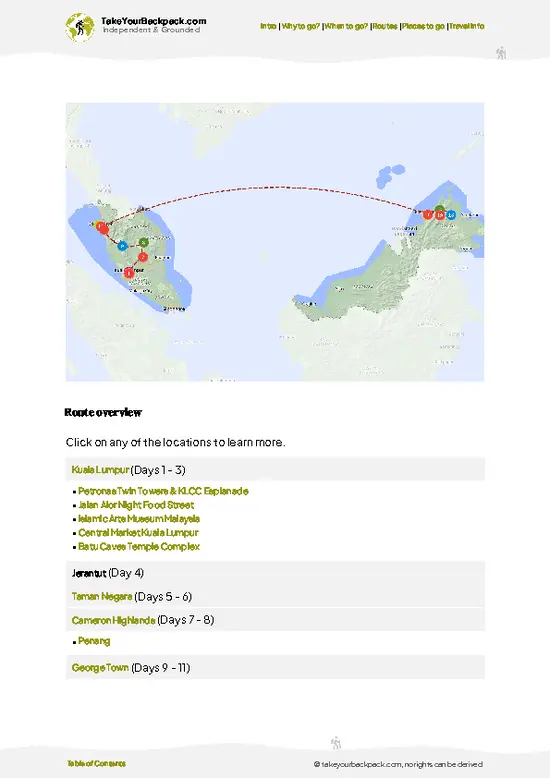
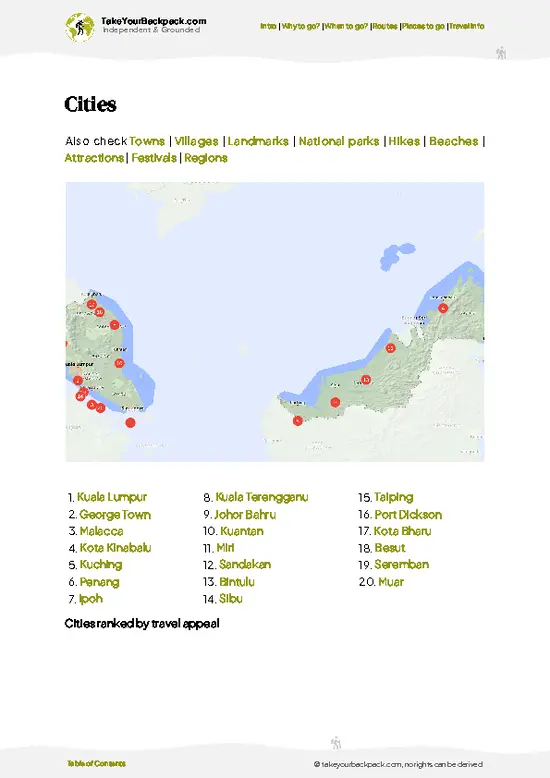
example page 0 from our offline Travel Guide for Malaysiaexample page 1 from our offline Travel Guide for Malaysiaexample page 2 from our offline Travel Guide for Malaysiaexample page 3 from our offline Travel Guide for Malaysiaexample page 4 from our offline Travel Guide for Malaysiaexample page 5 from our offline Travel Guide for Malaysiaexample page 6 from our offline Travel Guide for Malaysiaexample page 7 from our offline Travel Guide for Malaysia
The digital guide (407 pages) contains:
107 highlights, ranked by travel appeal
Optimized 5, 10 & 15-day travel routes
Cities, national parks, landmarks, beaches
How to get around
Offline-friendly for travel without Wi-Fi
👉 Click to see all 30+ guide features

📅 Plan smarter in minutes, not weeks
Month by month travel advice
Festivals & national holidays
Budget expectations

🗺️ Go to the right places, skip the overrated ones
Honest pros & cons of destinations
Top hikes, parks & viewpoints
Lesser-known places most travelers miss
Clear “worth it vs skip it” guidance

🛏️ Travel smoothly without rookie mistakes
Best areas to stay
Transport systems explained simply
Common scams & safety advice
SIM cards, money & practical tips

🌍 Understand the country, not just visit it
Culture & traditions
52 Essential phrases & customs
Festivals worth planning around
Traveler-friendly historical context
Insights that make places more meaningful

📱 Built for real travel conditions
Fully downloadable PDF
Works completely offline
Optimized for phone use
Useful in remote areas & buses
Everything in one place
Save weeks of stressful planning
Get instant access to your full guide. 30‑day money-back guarantee.


By proceeding you agree to our terms.
Sent to your inbox immediately after payment • 100% Secure Checkout
Best Backpacking Travel Advisor 2025 tourism awardBest Backpacking
Travel Advisor
2025
What others say about Take Your Backpack Guides:
⭐⭐⭐⭐⭐
Fantastic, amazing amount of information!
⭐⭐⭐⭐⭐
My goodness this is amazing, it's what I've been looking for hats off too you!
⭐⭐⭐⭐⭐
I think this is absolutely BRILLIANT
⭐⭐⭐⭐
Very complete and informative. It's still missing places, but I gotta to commend you
⭐⭐⭐⭐⭐
This is truly amazing, thank you, can't wait to explore it with my kids!
⭐⭐⭐⭐⭐
Awesome resource, thank you!
⭐⭐⭐⭐⭐
This is amazing! Can't wait to explore the ones I haven't seen
⭐⭐⭐⭐
I love this! Well done, great idea.
⭐⭐⭐⭐⭐
Thanks for taking the time to make this gem!
⭐⭐⭐⭐⭐
This might be the best website I've ever seen.
⭐⭐⭐⭐⭐
Congratulations, and thank you so much for your work; it's incredibly valuable.
⭐⭐⭐⭐
In all seriousness I think you did a great job pointing out the important spots
⭐⭐⭐⭐⭐
10/10 very good
⭐⭐⭐⭐⭐
As someone who's only just starting to visit regularly this is awesome, thank you.
⭐⭐⭐⭐
Thank you very much! I'm going to visit my dad, it's going to be very useful!
⭐⭐⭐⭐⭐
This is really cool! We'll be travelling for the first time and this definitely come in handy.
⭐⭐⭐⭐⭐
You are now our minister of culture, congratulations 👨‍💼
⭐⭐⭐⭐⭐
Just wanted to tell you that this is a pearl! Going to follow your recommendations.
⭐⭐⭐⭐⭐
This is so cool. I'll definitely be using the resource for my travels soon.
⭐⭐⭐⭐⭐
This is very impressive! Good work.
⭐⭐⭐⭐⭐
This is an amazing and informative site. Very well done!

🛏️ Where to stay?Best areas and accommodation options

Gunung Mulu National Park is a treasure trove of biodiversity and stunning limestone formations, but finding the right place to stay can make or break your experience.

Inside the park, the Mulu Marriott Resort & Spa offers a comfortable base with easy access to the park’s highlights. It’s not a budget option, but the convenience is worth considering if you want to recharge after a day of caving or hiking. For a more rustic experience, the Park Headquarters has basic accommodations. It’s no-frills, but you’ll be right in the action, and the communal vibe can be a great way to meet fellow travelers. … read more 👉
Gunung Mulu National Park is a treasure trove of biodiversity and stunning limestone formations, but finding the right place to stay can make or break your experience.

Inside the park, the Mulu Marriott Resort & Spa offers a comfortable base with easy access to the park’s highlights. It’s not a budget option, but the convenience is worth considering if you want to recharge after a day of caving or hiking. For a more rustic experience, the Park Headquarters has basic accommodations. It’s no-frills, but you’ll be right in the action, and the communal vibe can be a great way to meet fellow travelers.

If you’re looking for something outside the park, the nearby town of Mulu has a few guesthouses and lodges. Mulu Village Lodge is a solid choice, offering affordable rates and a friendly atmosphere. Just be aware that transport to the park can be tricky, so plan ahead.

Hidden costs can sneak up on you, especially with park entry fees and guided tours. Factor these into your budget to avoid surprises. Prioritize your energy for the trails and caves, not for scrambling to find a place to sleep.

👛 Costs (as of 7 May 2025)What things cost and how to budget

Visiting Gunung Mulu National Park in Malaysia can be an incredible experience, but it’s essential to be aware of the costs involved to avoid any surprises.

Entry fees to the park are around €10 to €15 (approximately $11 to $16). This fee grants you access to the park’s stunning landscapes and diverse ecosystems. However, if you plan to explore the caves or join guided tours, expect to pay extra. Guided tours can range from €20 to €50 ($22 to $55), depending on the length and complexity of the tour.

Accommodation options vary widely. Basic dormitory-style lodging starts at about €10 ($11) per night, while more comfortable lodges can cost between €30 and €70 ($33 to $77) per night. If you’re looking for a more luxurious stay, some resorts near the park can charge upwards of €100 ($110) per … read more 👉
Visiting Gunung Mulu National Park in Malaysia can be an incredible experience, but it’s essential to be aware of the costs involved to avoid any surprises.

Entry fees to the park are around €10 to €15 (approximately $11 to $16). This fee grants you access to the park’s stunning landscapes and diverse ecosystems. However, if you plan to explore the caves or join guided tours, expect to pay extra. Guided tours can range from €20 to €50 ($22 to $55), depending on the length and complexity of the tour.

Accommodation options vary widely. Basic dormitory-style lodging starts at about €10 ($11) per night, while more comfortable lodges can cost between €30 and €70 ($33 to $77) per night. If you’re looking for a more luxurious stay, some resorts near the park can charge upwards of €100 ($110) per night.

Food prices in the area are generally reasonable. Local meals can be found for around €3 to €7 ($3.30 to $7.70), but dining at more upscale restaurants will push your budget to €15 to €30 ($16 to $33) per meal.

Transportation to the park can also add up. If you’re flying into Mulu Airport, expect to pay around €20 to €30 ($22 to $33) for a one-way ticket from major cities like Kuala Lumpur. Alternatively, if you’re traveling overland, bus fares can range from €5 to €15 ($5.50 to $16.50), depending on your starting point.

Plan for additional costs like park permits for specific activities, which can be around €5 to €10 ($5.50 to $11).

Being aware of these costs will help you budget effectively, ensuring you have the energy and funds to enjoy the park’s breathtaking beauty without any financial stress.


source: mulupark.com
⚠️ Prices can change and everyone travels differently, so take this as a rough guide. Hope it helps you plan your adventure!

🥾 TrailsHiking Gunung Mulu national park: highlights and difficulty

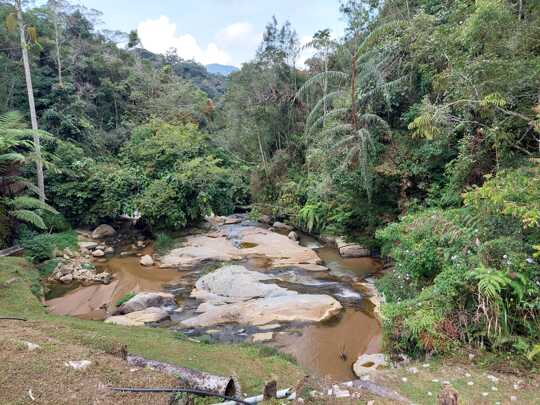
Gunung Mulu National Park is a gem tucked away in Malaysian Borneo, with a mix of jaw-dropping scenery and challenging trails that are perfect for those looking to immerse themselves in nature. The terrain is a mix of limestone karsts, dense rainforests, and winding rivers, making every step feel like a new adventure. You might spot a few exotic birds, monkeys swinging in the trees, or even the elusive clouded leopard if you’re lucky.

One of the standout trails is the Mulu Pinnacles. Here are the details:
  • Length: 3 km (one way)
  • Estimated Duration: 4-5 hours (one way)
  • Difficulty Level: Hard
  • Key Features:
read more 👉
Gunung Mulu National Park is a gem tucked away in Malaysian Borneo, with a mix of jaw-dropping scenery and challenging trails that are perfect for those looking to immerse themselves in nature. The terrain is a mix of limestone karsts, dense rainforests, and winding rivers, making every step feel like a new adventure. You might spot a few exotic birds, monkeys swinging in the trees, or even the elusive clouded leopard if you’re lucky.

One of the standout trails is the Mulu Pinnacles. Here are the details:
  • Length: 3 km (one way)
  • Estimated Duration: 4-5 hours (one way)
  • Difficulty Level: Hard
  • Key Features: Stunning limestone formations, panoramic views of the rainforest
  • Terrain: Steep and rugged, with some sections requiring climbing

Another great option is the Canopy Skywalk:
  • Length: 480 meters
  • Estimated Duration: 1-2 hours
  • Difficulty Level: Easy
  • Key Features: Elevated views of the rainforest, chance to see wildlife up close
  • Terrain: Boardwalks and suspended bridges

Reaching the park isn’t too tricky; you can catch a flight to Mulu Airport from major cities like Kuala Lumpur or Kota Kinabalu. From the airport, it’s a quick ride to the park entrance. It can get a bit busy, especially during peak tourist seasons, but the trails are well-maintained, so you won’t feel like you’re hiking in a conga line. As for the entrance fee, it’s generally affordable, but it’s best to check ahead as prices can vary. Just be prepared for a bit of humidity and pack plenty of water; the jungle can be quite thirsty work!
⚠️ Hiking info can sometimes be outdated or inaccurate. Before you hit the trail, check the latest conditions with locals. If you do spot anything that's off, I'd love to hear from you, so I can update it for fellow travelers.

🛡️ SafetyScams, Hazards, and Annoyances

Gunung Mulu National Park is a treasure, but it comes with its own set of realities. The weather can shift quickly; afternoon rain is common, so start your hikes early to avoid getting caught in a downpour. The trails are generally well-marked, but some sections can be steep or muddy, especially after rain. Good footwear is essential—leave the flip-flops at home.

Wildlife encounters are part of the experience. Monitor your surroundings, especially for monkeys and snakes. Keep food secured and avoid feeding animals; it’s better for both you and them.

Altitude isn’t a major concern here, but humidity can sap your energy. Stay hydrated and pace yourself.

Many first-timers underestimate the importance of a good map or GPS. Cell service is spotty, so download offline maps before you go. Respect … read more 👉
Gunung Mulu National Park is a treasure, but it comes with its own set of realities. The weather can shift quickly; afternoon rain is common, so start your hikes early to avoid getting caught in a downpour. The trails are generally well-marked, but some sections can be steep or muddy, especially after rain. Good footwear is essential—leave the flip-flops at home.

Wildlife encounters are part of the experience. Monitor your surroundings, especially for monkeys and snakes. Keep food secured and avoid feeding animals; it’s better for both you and them.

Altitude isn’t a major concern here, but humidity can sap your energy. Stay hydrated and pace yourself.

Many first-timers underestimate the importance of a good map or GPS. Cell service is spotty, so download offline maps before you go. Respect trail etiquette; let faster hikers pass and keep noise to a minimum to enjoy the park’s serene atmosphere. These small preparations will help you focus on the beauty around you.

Other Malaysian national parks near Gunung Mulu

Explore more nearby:


💡 Not sure where to go next?
Create a personalized itinerary for Malaysia including Gunung Mulu and the places that fit your trip.

Generate my itinerary

👉 Discover all national parks

Or checkout all Malaysia has to offer (think cities, towns, villages, national parks, hikes, beaches, festivals)
Country photo of Malaysia

We 💚 feedbackParting advice and final tips

Gunung Mulu is a treasure trove of biodiversity and jaw-dropping limestone formations. The caves here are something else—massive, echoing, and teeming with life. But let’s be real: the weather can be a beast. Expect heavy rain and humidity that can sap your energy. Plan your hikes wisely and don’t underestimate the conditions. Embrace the challenge, and you’ll find those moments of awe are worth every drop of sweat.

✈️ When did I visit Malaysia?
As part of my 1.5 year travel around the world trip, I visited Malaysia in January 2016.

✍️ Help improve this page!
The information on this page is based on my own backpacking experience in Malaysia, supplemented with up-to-date research and feedback from other travelers. Travel details can change, so if you notice anything outdated or incomplete, feel free to let me know.


🙋‍♂️ Give feedback

👋 Meet the founderWho’s Behind Take Your Backpack?

Johan, backpacker and founder of TakeYourBackpackHi, I’m Johan (Netherlands 🇳🇱), the creator of TakeYourBackpack. Over the past decade, I’ve backpacked through 80+ countries across six continents, gaining extensive experience with independent travel, long-term trips, and overland routes.

This site is built on a combination of firsthand travel experience and carefully curated insights from other backpackers. Many guides are based on places I’ve personally visited, while others bring together tips, observations, and practical advice shared by trusted travelers I’ve met along the way.

The goal is to provide realistic, experience-driven guidance — not generic itineraries — so you can explore destinations with better context, clearer expectations, and more confidence.

Get full Malaysia guide •
Instant download • 107 highlights • Full Offline guide