×

Malaysia🇲🇾 | citiesMalaccariver cruises, red Dutch square, Peranakan mansions | things to do and best time to go

Explore Kuala SelangorExplore Penang

Backpacking in Malacca
🏆 Top pickcity ranked #5
By Johan Kruseman 🇳🇱 | Updated June 7, 2026

Most guides sell Malacca as a “day-trip city,” but the surprise for backpackers is that the city actually gets more interesting after the tour buses leave and the riverfront quiets down. Malacca sits on Malaysia’s southwest coast, roughly midway between Kuala Lumpur and Singapore, and feels like a compact, walkable history lab. You get heavy-hitter sights—Dutch-era Stadthuys, the ruined A Famosa fort, Cheng Hoon Teng temple, the Baba & Nyonya Museum—without Kuala Lumpur chaos or Penang-level crowds. It’s cheap to eat (Nyonya food, satay celup, night-market snacks), local buses and Grab rides keep logistics simple, and crime rarely feels like a concern beyond normal street smarts. The trade-off: nightlife is mild outside Jonker Street weekends, the hostel scene is smaller than Penang’s, and after two or three days you’ll probably have “done it,” but those days can be very high-value.

Discover everything you want to know in the 📖 Malaysia Travel Guide.
Loading the map 🌍
CLICK TO FILTER
cities
towns
villages
landmarks
national parks
hikes
beaches
attractions
festivals
regions
SHOW COUNTRY’S BESTSHOW ALL

✨ Why go?
Ranked #5 city in Malaysia
Why visitors keep coming back

Malacca is a backpacker’s haven that strikes a balance between affordability and rich experiences. It’s a city where you can stretch your budget without sacrificing quality. The hostels here are not just cheap; they’re social hubs, perfect for meeting fellow travelers and swapping stories over a cup of local coffee.

The walkability of Malacca makes it easy to explore its cultural tapestry on foot, allowing you to soak in the sights without burning through your cash on transport. You’ll find a plethora of street food options that are both delicious and wallet-friendly, giving you a taste of local flavors without the hefty price tag.

As a basecamp for day trips, Malacca offers easy access to nearby attractions, making it a strategic stop on your journey. The nightlife is vibrant yet laid-back, … read more 👉
Malacca is a backpacker’s haven that strikes a balance between affordability and rich experiences. It’s a city where you can stretch your budget without sacrificing quality. The hostels here are not just cheap; they’re social hubs, perfect for meeting fellow travelers and swapping stories over a cup of local coffee.

The walkability of Malacca makes it easy to explore its cultural tapestry on foot, allowing you to soak in the sights without burning through your cash on transport. You’ll find a plethora of street food options that are both delicious and wallet-friendly, giving you a taste of local flavors without the hefty price tag.

As a basecamp for day trips, Malacca offers easy access to nearby attractions, making it a strategic stop on your journey. The nightlife is vibrant yet laid-back, providing just the right mix of fun without overwhelming your senses. If you’re looking for a city that fits seamlessly into your backpacking route, Malacca is a smart choice, whether for a quick stop or a longer stay.
Want to include Malacca in your Malaysia route?
Create a personalized Malaysia itinerary that includes Malacca and the places that fit your trip — based on your travel style, budget, and available time. Get your route in seconds.

Generate my trip

💡 HighlightsEssential experiences to have while visiting Malacca

  1. A Famosa (Porta de Santiago) — The battered Portuguese fort gate is one of Southeast Asia’s oldest European relics; it’s tiny but visceral, perfect for imagining Malacca as a 16th-century trading hub and for grabbing photos right where history happened.
  2. St. Paul’s Hill (Bukit St. Paul) & St. Paul’s Church ruins — Climb the hill for panoramic views of the old town, then wander between the mossy stone ruins and tombstones; the site connects Portuguese, Dutch and British layers of local history in one compact spot.
  3. Dutch Square (Stadthuys & Christ Church) — That red block of colonial buildings is Malacca’s civic heart: the Stadthuys museum explains Dutch rule and Peranakan life, while the adjacent Christ Church is an easy, tangible bit of 17th-century architecture to step inside.
  4. Jonker
read more 👉
  1. A Famosa (Porta de Santiago) — The battered Portuguese fort gate is one of Southeast Asia’s oldest European relics; it’s tiny but visceral, perfect for imagining Malacca as a 16th-century trading hub and for grabbing photos right where history happened.
  2. St. Paul’s Hill (Bukit St. Paul) & St. Paul’s Church ruins — Climb the hill for panoramic views of the old town, then wander between the mossy stone ruins and tombstones; the site connects Portuguese, Dutch and British layers of local history in one compact spot.
  3. Dutch Square (Stadthuys & Christ Church) — That red block of colonial buildings is Malacca’s civic heart: the Stadthuys museum explains Dutch rule and Peranakan life, while the adjacent Christ Church is an easy, tangible bit of 17th-century architecture to step inside.
  4. Jonker Street (Jalan Hang Jebat) — By day you’ll find antiques and Nyonya shops; at night a lively street market pops up with food, music and people-watching. It’s the best place to taste Peranakan snacks and see Malacca’s pulse in one street.
  5. Cheng Hoon Teng Temple — Malaysia’s oldest functioning Chinese temple, full of carved wood, incense smoke and ritual life; it’s small enough to explore properly and genuine, not a staged attraction.
  6. Kampung Kling Mosque — This 18th-century mosque blends Sumatran, Chinese and Hindu architectural details, reflecting Malacca’s multicultural past; it’s an easy visit and a reminder that local religion has regional influences.
  7. Baba & Nyonya Heritage Museum — A beautifully preserved Peranakan townhouse where the rooms, furniture and clothing tell the story of Straits Chinese life; small guided tours make the cultural context click immediately.
  8. Maritime Museum (Flor de la Mar replica) — Housed in a striking ship replica, the museum covers Malacca’s seafaring and spice-trade era. Even if you skip some exhibits, the waterfront setting and ship silhouette are worth seeing.
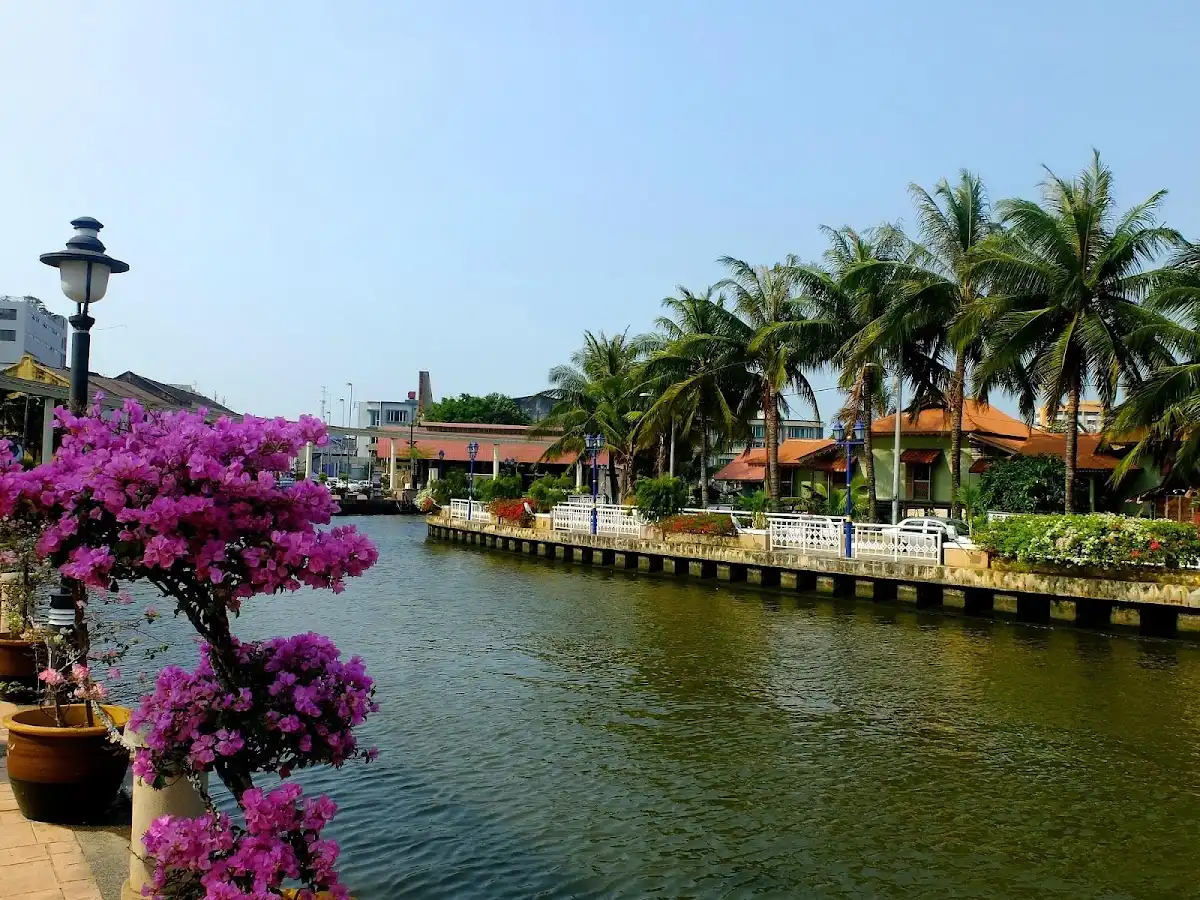
  9. Melaka River & River Cruise — The riverbanks are lined with painted murals and restored shophouses; a short cruise at golden hour turns the city’s history and street art into a relaxing, photogenic ride.
  10. Kampung Morten — A living Malay heritage village tucked inside the city, with traditional wooden houses and friendly residents; it’s one of the few places where you can feel how Malay urban life used to be lived and still is today.
For a few easy day trips just outside the centre, head to the Portuguese Settlement for Kristang food and culture, A’Famosa Resort if you want a theme-park/waterpark break, or the Melaka Straits Mosque on the coast for sunset shots — my personal favorite for a quick cultural bite and atmosphere is the Portuguese Settlement.
Spotted a mistake or missing something? Contact us.
🏘️ NeighborhoodsHow different areas shape the experience

Malacca is a vibrant blend of history and modernity, making it a fascinating stop for backpackers. Here’s how the neighborhoods stack up:

Jonker Street: This is the heart of Malacca’s nightlife and culture. Expect a lively atmosphere with street food stalls and night markets. It’s walkable, with plenty of budget accommodations. Perfect for short stays, but the noise can be a drawback for light sleepers.

Chinatown: Rich in heritage, this area offers a quieter vibe with charming temples and cafes. It’s affordable and easy to navigate on foot. Great for longer stays if you prefer a more laid-back experience, but nightlife options are limited.

Little India: Bursting with color and spice, this neighborhood is a feast for the senses. It’s budget-friendly and walkable, with a unique cultural experience. … read more 👉
Malacca is a vibrant blend of history and modernity, making it a fascinating stop for backpackers. Here’s how the neighborhoods stack up:

Jonker Street: This is the heart of Malacca’s nightlife and culture. Expect a lively atmosphere with street food stalls and night markets. It’s walkable, with plenty of budget accommodations. Perfect for short stays, but the noise can be a drawback for light sleepers.

Chinatown: Rich in heritage, this area offers a quieter vibe with charming temples and cafes. It’s affordable and easy to navigate on foot. Great for longer stays if you prefer a more laid-back experience, but nightlife options are limited.

Little India: Bursting with color and spice, this neighborhood is a feast for the senses. It’s budget-friendly and walkable, with a unique cultural experience. Ideal for short visits, but the hustle can be overwhelming if you’re seeking tranquility.

Malacca Raya: A bit further from the historical center, this area has modern amenities and shopping. It’s less walkable, but public transport is accessible. Suitable for longer stays if you want a mix of local life and convenience, though it lacks the charm of the older neighborhoods.

Portuguese Settlement: This coastal area offers a unique cultural experience with seafood restaurants and a relaxed vibe. It’s not as walkable, but the views are worth it. Best for longer stays if you enjoy a quieter atmosphere away from the hustle.

⌛️ 1 dayA smart one-day plan

Malacca, a city steeped in history and culture, offers a delightful blend of Portuguese, Dutch, and British influences. Its vibrant streets are a canvas of colorful buildings, bustling markets, and rich culinary experiences. You can easily spend a day here, soaking in the essence of this UNESCO World Heritage site.

Start your morning in the Jonker Street area, where the air is thick with the aroma of freshly brewed kopi and kaya toast. Grab breakfast at a local café, then wander through the nearby antique shops. The charm of this neighborhood lies in its quirky finds and the stories they tell. Don’t miss the Cheng Hoon Teng Temple, the oldest Chinese temple in Malaysia, where the intricate carvings and peaceful ambiance set a reflective tone for your day.

As the sun climbs higher, make your … read more 👉
Malacca, a city steeped in history and culture, offers a delightful blend of Portuguese, Dutch, and British influences. Its vibrant streets are a canvas of colorful buildings, bustling markets, and rich culinary experiences. You can easily spend a day here, soaking in the essence of this UNESCO World Heritage site.

Start your morning in the Jonker Street area, where the air is thick with the aroma of freshly brewed kopi and kaya toast. Grab breakfast at a local café, then wander through the nearby antique shops. The charm of this neighborhood lies in its quirky finds and the stories they tell. Don’t miss the Cheng Hoon Teng Temple, the oldest Chinese temple in Malaysia, where the intricate carvings and peaceful ambiance set a reflective tone for your day.

As the sun climbs higher, make your way to the A Famosa fortress. It’s a quick stroll from Jonker Street, and while it’s a popular spot, the history behind its crumbling walls is captivating. From there, head to the nearby St. Paul’s Hill for a panoramic view of the city. The climb is worth it, and you’ll find a serene atmosphere among the ruins.

In the afternoon, explore the lesser-known Bukit China, a historic Chinese cemetery. It’s not on the typical tourist path, but the tranquility and lush greenery provide a refreshing contrast to the busier areas. You can take a moment to appreciate the significance of this site and the stories of those who rest here.

As evening approaches, return to Jonker Street for the night market. The vibrant stalls offer everything from street food to handmade crafts. Indulge in local delicacies like chicken rice balls and cendol while soaking in the lively atmosphere. This blend of flavors and sights encapsulates the spirit of Malacca, making your day not just a visit, but an experience to cherish.
Turn your Malacca visit into an Malaysia adventure
Build a complete Malaysia route with Malacca, hidden gems, must-see destinations, and realistic travel times included.

Generate my trip

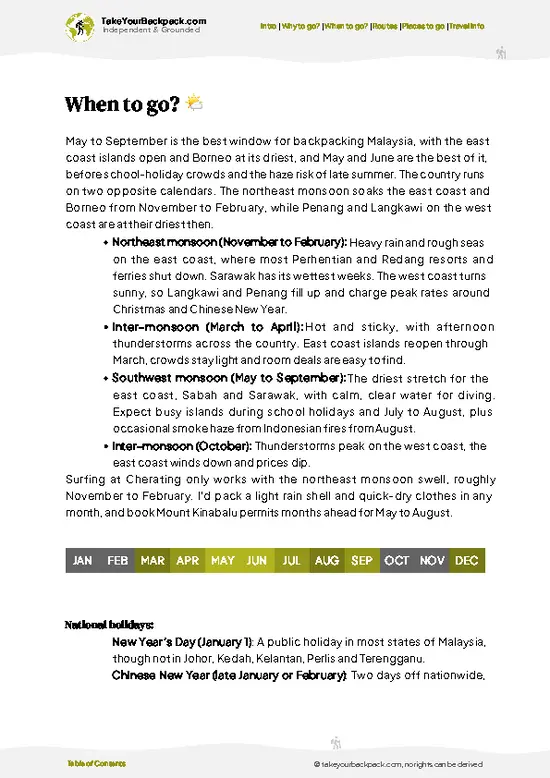
🌤️ When to go?Best time to visit Malacca


  • Topic: Weather – Malacca’s tropical climate means it’s hot and humid year-round, but the dry season from March to early October offers less rain, making it easier to explore without soggy gear or canceled plans.

  • Topic: Temperature – Expect daily highs around 31-33°C (88-91°F) and lows around 24-26°C (75-79°F). The temperature doesn’t swing much, so your timing won’t hinge on heat waves or cold snaps.

  • Topic: Daylight Hours – Roughly 12 hours of daylight year-round, with sunrise near 7 AM and sunset around 7 PM. This steady rhythm means you can plan your days without worrying about early darkness.

  • Topic: Crowds – Peak tourist season aligns with the dry months and school holidays, especially June to August and December. Visiting just before or after these spikes means fewer crowds and
read more 👉

  • Topic: Weather – Malacca’s tropical climate means it’s hot and humid year-round, but the dry season from March to early October offers less rain, making it easier to explore without soggy gear or canceled plans.

  • Topic: Temperature – Expect daily highs around 31-33°C (88-91°F) and lows around 24-26°C (75-79°F). The temperature doesn’t swing much, so your timing won’t hinge on heat waves or cold snaps.

  • Topic: Daylight Hours – Roughly 12 hours of daylight year-round, with sunrise near 7 AM and sunset around 7 PM. This steady rhythm means you can plan your days without worrying about early darkness.

  • Topic: Crowds – Peak tourist season aligns with the dry months and school holidays, especially June to August and December. Visiting just before or after these spikes means fewer crowds and better deals.

  • Topic: Seasonal Activities – The Malacca River Festival in July and the Jonker Walk Night Market on weekends offer cultural highlights but also draw crowds. Weigh these events against your comfort with busy scenes.

  • Topic: Price Fluctuations – Accommodation and flights tend to spike during the dry season and festival periods. Traveling in the shoulder months (March-April or September-October) can save money without sacrificing weather quality.


Pro-tip: Aim for the shoulder months to dodge both rain and crowds, scoring the sweet spot where comfort, cost, and time align for a savvy backpacker’s win.


source: climatestotravel.comJANJanuary: fair for travelingFEBFebruary: fair for travelingMARMarch: highly recommended for travelingAPRApril: highly recommended for travelingMAYMay: good for travelingJUNJune: good for travelingJULJuly: good for travelingAUGAugust: good for travelingSEPSeptember: highly recommended for travelingOCTOctober: highly recommended for travelingNOVNovember: fair for travelingDECDecember: good for traveling
malaysia-city-malacca
© Google |

✈️ The backpacker research shortcutMalaysia Travel Guide

An offline-friendly backpacking guide with optimized travel routes, ranked highlights, transport advice, and the best areas to stay.
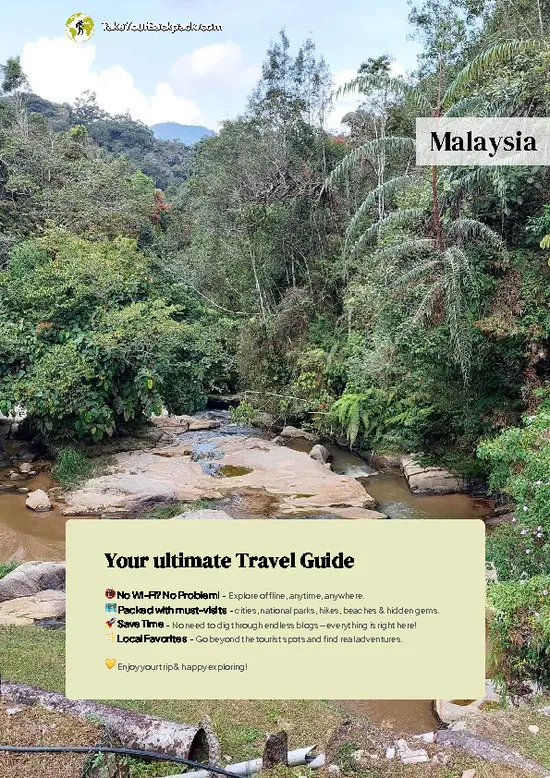
example page 0 from our offline Travel Guide for Malaysia
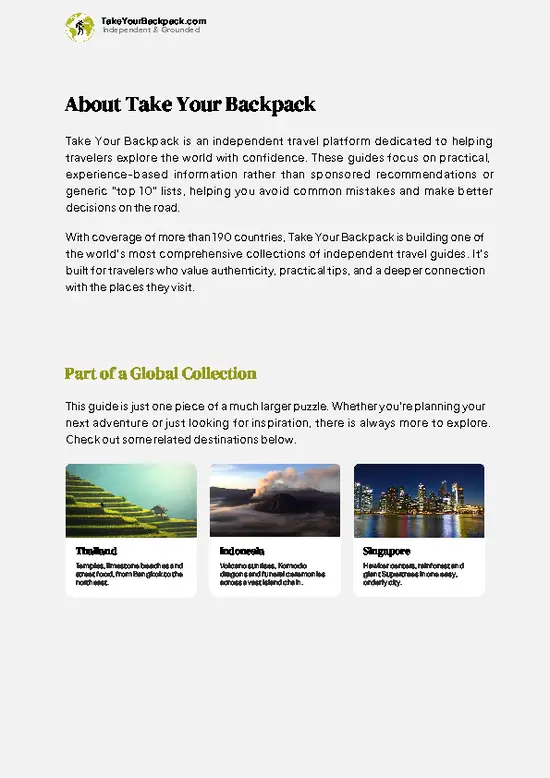
example page 1 from our offline Travel Guide for Malaysia
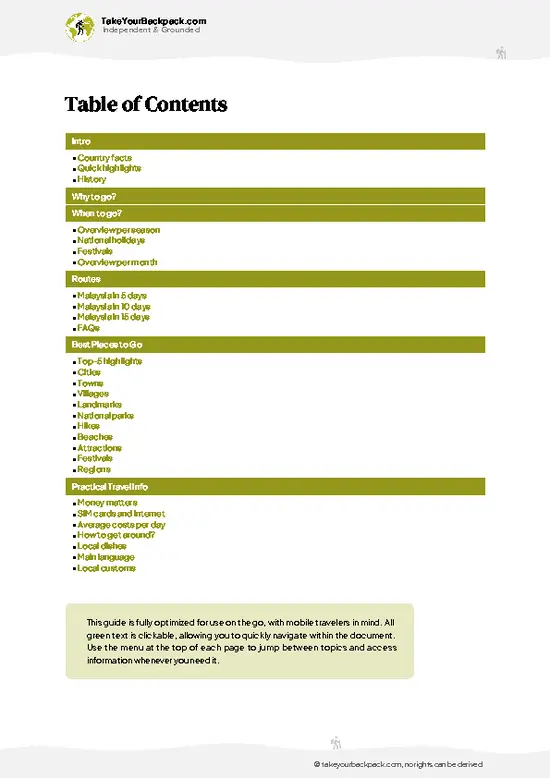
example page 2 from our offline Travel Guide for Malaysia
example page 3 from our offline Travel Guide for Malaysia
example page 4 from our offline Travel Guide for Malaysia
example page 5 from our offline Travel Guide for Malaysia
example page 6 from our offline Travel Guide for Malaysia
example page 7 from our offline Travel Guide for Malaysia
The digital guide (407 pages) contains:
107 highlights, ranked by travel appeal
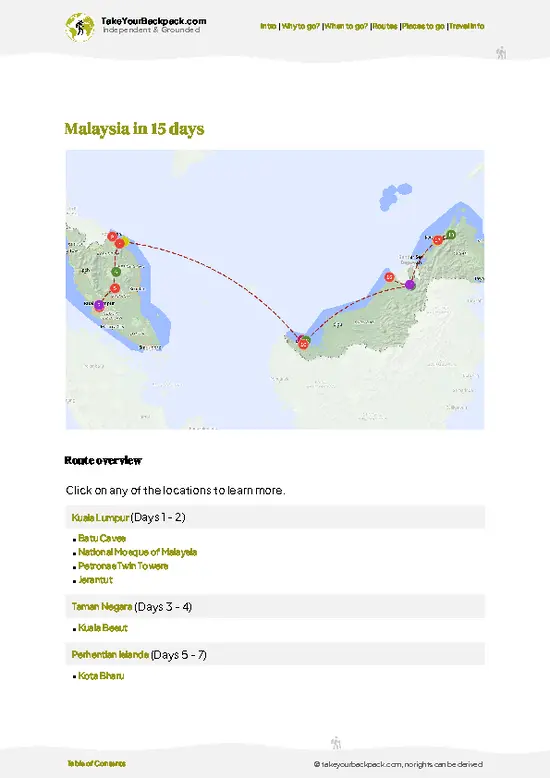
Optimized 5, 10 & 15-day travel routes
Cities, national parks, landmarks, beaches
How to get around
Offline-friendly for travel without Wi-Fi
👉 Click to see all 30+ guide features

📅 Plan smarter in minutes, not weeks
Month by month travel advice
Festivals & national holidays
Budget expectations

🗺️ Go to the right places, skip the overrated ones
Honest pros & cons of destinations
Top hikes, parks & viewpoints
Lesser-known places most travelers miss
Clear “worth it vs skip it” guidance

🛏️ Travel smoothly without rookie mistakes
Best areas to stay
Transport systems explained simply
Common scams & safety advice
SIM cards, money & practical tips

🌍 Understand the country, not just visit it
Culture & traditions
52 Essential phrases & customs
Festivals worth planning around
Traveler-friendly historical context
Insights that make places more meaningful

📱 Built for real travel conditions
Fully downloadable PDF
Works completely offline
Optimized for phone use
Useful in remote areas & buses
Everything in one place
Save weeks of stressful planning
Get instant access to your full guide. 30‑day money-back guarantee.


By proceeding you agree to our terms.
Sent to your inbox immediately after payment • 100% Secure Checkout
Best Backpacking Travel Advisor 2025 tourism awardBest Backpacking
Travel Advisor
2025
What others say about Take Your Backpack Guides:
⭐⭐⭐⭐⭐
Fantastic, amazing amount of information!
⭐⭐⭐⭐⭐
My goodness this is amazing, it's what I've been looking for hats off too you!
⭐⭐⭐⭐⭐
I think this is absolutely BRILLIANT
⭐⭐⭐⭐
Very complete and informative. It's still missing places, but I gotta to commend you
⭐⭐⭐⭐⭐
This is truly amazing, thank you, can't wait to explore it with my kids!
⭐⭐⭐⭐⭐
Awesome resource, thank you!
⭐⭐⭐⭐⭐
This is amazing! Can't wait to explore the ones I haven't seen
⭐⭐⭐⭐
I love this! Well done, great idea.
⭐⭐⭐⭐⭐
Thanks for taking the time to make this gem!
⭐⭐⭐⭐⭐
This might be the best website I've ever seen.
⭐⭐⭐⭐⭐
Congratulations, and thank you so much for your work; it's incredibly valuable.
⭐⭐⭐⭐
In all seriousness I think you did a great job pointing out the important spots
⭐⭐⭐⭐⭐
10/10 very good
⭐⭐⭐⭐⭐
As someone who's only just starting to visit regularly this is awesome, thank you.
⭐⭐⭐⭐
Thank you very much! I'm going to visit my dad, it's going to be very useful!
⭐⭐⭐⭐⭐
This is really cool! We'll be travelling for the first time and this definitely come in handy.
⭐⭐⭐⭐⭐
You are now our minister of culture, congratulations 👨‍💼
⭐⭐⭐⭐⭐
Just wanted to tell you that this is a pearl! Going to follow your recommendations.
⭐⭐⭐⭐⭐
This is so cool. I'll definitely be using the resource for my travels soon.
⭐⭐⭐⭐⭐
This is very impressive! Good work.
⭐⭐⭐⭐⭐
This is an amazing and informative site. Very well done!

🛏️ Where to stay?Where staying makes the most sense

Malacca’s backpacker sweet spot is undeniably the Jonker Street area. This neighborhood is the city’s social heartbeat, packed with budget hostels that cater to solo travelers and groups alike. It’s safe, walkable, and buzzing with energy, especially after dark when the night market spills into the streets. Staying here means you’re steps away from street food stalls, quirky cafes, and a mix of travelers swapping stories over cheap drinks. The vibe leans toward lively but not overwhelming, striking a balance between comfort and the authentic local pulse.

Compared to other parts of Malacca, like … read more 👉
Malacca’s backpacker sweet spot is undeniably the Jonker Street area. This neighborhood is the city’s social heartbeat, packed with budget hostels that cater to solo travelers and groups alike. It’s safe, walkable, and buzzing with energy, especially after dark when the night market spills into the streets. Staying here means you’re steps away from street food stalls, quirky cafes, and a mix of travelers swapping stories over cheap drinks. The vibe leans toward lively but not overwhelming, striking a balance between comfort and the authentic local pulse.

Compared to other parts of Malacca, like the quieter residential zones or the more tourist-heavy riverside areas, Jonker Street offers a better blend of social opportunities and affordability. The riverside can feel a bit polished and pricier, while the outskirts lack the buzz that makes meeting fellow backpackers easy. Plus, hostels here often organize group activities or tours, turning logistics into a game of maximizing your time and social capital without breaking the bank. If you want to trade a bit of extra noise for convenience and connection, Jonker Street is your winning move.

🚌 Getting aroundTransportation options and practical tips

Malacca moves at its own pace—neither a frantic rush nor a sluggish crawl. It’s a city where the old world’s rhythm still pulses beneath the surface, but modern life nudges in with buses and motorbikes. You won’t find a strict timetable here, but you’ll catch a flow if you pay attention: locals weaving through narrow streets, vendors setting up shop, and buses rolling in when they’re good and ready. The trade-off map here is about balancing patience with practicality, and knowing when to walk, wait, or pay a bit more for comfort.


  • Walking: The heart of Malacca is compact and best explored on foot. Walking costs nothing, offers maximum flexibility, and lets you soak in the city’s layered history at your own pace. It’s slow but priceless for discovery—expect to cover most central sights within
read more 👉
Malacca moves at its own pace—neither a frantic rush nor a sluggish crawl. It’s a city where the old world’s rhythm still pulses beneath the surface, but modern life nudges in with buses and motorbikes. You won’t find a strict timetable here, but you’ll catch a flow if you pay attention: locals weaving through narrow streets, vendors setting up shop, and buses rolling in when they’re good and ready. The trade-off map here is about balancing patience with practicality, and knowing when to walk, wait, or pay a bit more for comfort.


  • Walking: The heart of Malacca is compact and best explored on foot. Walking costs nothing, offers maximum flexibility, and lets you soak in the city’s layered history at your own pace. It’s slow but priceless for discovery—expect to cover most central sights within 30 to 45 minutes on foot.


  • Local Bus (Melaka Sentral Buses): Buses run roughly from 6:00 AM to 10:00 PM, with fares around RM1 to RM3. They’re cheap but can be unpredictable—expect occasional waits and crowded rides during peak hours. Comfort is basic, and speed depends on traffic, but it’s the most budget-friendly way to reach outer neighborhoods or the bus station.


  • Trishaw: A quintessential Malacca experience, trishaws double as transport and moving art galleries. Prices start around RM10 for short trips within the city center. They’re slow and not the most comfortable for long distances, but they offer a unique, immersive way to navigate narrow alleys and historic quarters. Expect to negotiate fares upfront.


  • Grab (Ride-Hailing): Available 24/7, Grab offers door-to-door convenience with fares typically between RM5 and RM15 for most city trips. It’s faster and more comfortable than buses or trishaws, but costs add up quickly if you rely on it exclusively. Ideal for late nights or when you’re carrying heavy gear.


  • Rental Bicycle: For those who want to cover more ground without losing the street-level vibe, renting a bike costs about RM15 to RM25 per day. It’s faster than walking, more flexible than buses, and lets you explore beyond the core without the hassle of parking or traffic jams. Comfort depends on your stamina and the tropical heat.

👛 Costs (as of 11 May 2025)Money, prices, and spending tips

Backpacking in Malacca, Malaysia, is a balancing act between cost and convenience, and knowing the numbers upfront lets you play that game smart.
  • Dorm Accommodation (High Season): Expect to pay around $10 to $15 per night. High season pushes prices up due to tourist influx, but you still get clean, basic dorms within walking distance of the historic center.
  • Dorm Accommodation (Off-Season): Prices drop to about $6 to $10 per night. This is when you can snag a bargain, especially if you’re flexible with location or willing to book last minute.
  • Meals: Street food and local eateries dominate here. Budget around $3 to $6 per meal if you stick to hawker stalls or small cafes. Western-style or sit-down restaurants will push that higher, but it’s easy to eat well on a tight budget.
  • Local Transport:
read more 👉
Backpacking in Malacca, Malaysia, is a balancing act between cost and convenience, and knowing the numbers upfront lets you play that game smart.
  • Dorm Accommodation (High Season): Expect to pay around $10 to $15 per night. High season pushes prices up due to tourist influx, but you still get clean, basic dorms within walking distance of the historic center.
  • Dorm Accommodation (Off-Season): Prices drop to about $6 to $10 per night. This is when you can snag a bargain, especially if you’re flexible with location or willing to book last minute.
  • Meals: Street food and local eateries dominate here. Budget around $3 to $6 per meal if you stick to hawker stalls or small cafes. Western-style or sit-down restaurants will push that higher, but it’s easy to eat well on a tight budget.
  • Local Transport: Trishaws and short taxi rides typically cost $1 to $3 per trip. They’re convenient for quick hops but can add up if you rely on them heavily.
  • City Transport Pass: Malacca doesn’t have a formal city-wide transport pass like bigger cities. Instead, budget around $2 to $5 daily if you use buses or multiple short rides.
  • Basic Activities/Entry Fees: Most heritage sites and museums charge between $1 and $3. Some special attractions or guided tours might cost up to $10, but you can easily keep it low by picking a few key spots.
  • Miscellaneous Expenses: This covers bottled water, snacks, occasional coffee, or small souvenirs. Around $2 to $5 daily is a safe estimate.

All told, you’re looking at roughly $15 to $35 per day, depending on how much you lean into comfort or convenience. Malacca rewards those who mix a bit of walking with smart food choices and selective splurges on experiences. Keep your eyes open for off-season deals on dorms—they can tilt the balance in your favor without sacrificing the city’s charm.


source: malacca.ws
⚠️ Prices can change and everyone travels differently, so take this as a rough guide. Hope it helps you plan your adventure!

🚌 Day tripsEasy escapes and nearby places

Malacca is a fantastic base for day trips, offering a mix of culture, history, and adventure. Here are some worthwhile excursions that will enrich your experience without breaking the bank.

**Kuala Lumpur**
Just a two-hour bus ride from Malacca, Kuala Lumpur is a bustling metropolis that contrasts sharply with the laid-back vibe of your base. You can explore the iconic Petronas Towers, dive into the chaos of Jalan Alor’s food stalls, or visit the Batu Caves. The total cost for a budget traveler, including bus fare and meals, can be around RM 50-70. Many first-timers underestimate the time needed to navigate the city’s public transport, so plan your route in advance to maximize your day.
👉 Explore Kuala Lumpur

**Pulau Besar**
If you’re craving some beach time, take a short boat ride … read more 👉
Malacca is a fantastic base for day trips, offering a mix of culture, history, and adventure. Here are some worthwhile excursions that will enrich your experience without breaking the bank.

**Kuala Lumpur**
Just a two-hour bus ride from Malacca, Kuala Lumpur is a bustling metropolis that contrasts sharply with the laid-back vibe of your base. You can explore the iconic Petronas Towers, dive into the chaos of Jalan Alor’s food stalls, or visit the Batu Caves. The total cost for a budget traveler, including bus fare and meals, can be around RM 50-70. Many first-timers underestimate the time needed to navigate the city’s public transport, so plan your route in advance to maximize your day.
👉 Explore Kuala Lumpur

**Pulau Besar**
If you’re craving some beach time, take a short boat ride to Pulau Besar, an island known for its serene beaches and crystal-clear waters. Spend the day snorkeling, swimming, or simply lounging on the sand. The boat ride takes about 30 minutes, and you can expect to spend around RM 60 for transport and a simple meal. The best time to visit is during the dry season from March to October. A common mistake is to forget sunscreen; the sun can be relentless, even if the breeze feels cool.


**A Famosa Resort**
For a mix of history and leisure, head to A Famosa Resort, just a 30-minute drive from Malacca. This place offers a glimpse into Portuguese colonial history with its iconic fort and a chance to enjoy water park fun. Entrance fees and transport will set you back about RM 80-100. The resort is best visited on weekdays to avoid crowds. Many backpackers miss out on the historical context, so take a moment to read up on the fort’s significance before you go.


**Taman Negara**
For the adventurous, Taman Negara is a bit further afield but worth the effort. It’s about a three-hour bus ride, but once there, you can hike through one of the oldest rainforests in the world. Expect to spend around RM 100 for transport and park fees. The best time to visit is during the dry season, but be prepared for sudden rain showers. A common mistake is underestimating the difficulty of the trails; wear sturdy shoes and bring plenty of water.
👉 Explore Taman Negara
Want to know what more Malaysia offers?
The Malaysia Travel Guide describes 107 highlights, from cities to national parks, from beaches to hikes

Get the Travel Guide -

🍲 FoodLocal Flavors for Backpackers

In Malacca, **food** is a vibrant tapestry of flavors, reflecting its rich history. Dive into **Nyonya cuisine**, where dishes like **Ayam Pongteh** (chicken stewed in a savory bean paste) and **Laksa** (spicy noodle soup) are must-tries. The **aroma** of spices wafts through the air, inviting you to explore.

Street food is the heartbeat of Malacca. Stroll through bustling **night markets** where vendors serve up **satay** skewers sizzling over open flames and **cendol**, a refreshing dessert made with coconut milk and green rice flour jelly. The **social vibe** is electric, with locals and travelers mingling over shared plates.

When it comes to drinks, don’t miss **Teh Tarik**, a frothy pulled tea that’s as much about the show as the taste. You’ll find it in casual cafés, where the clinking … read more 👉
In Malacca, **food** is a vibrant tapestry of flavors, reflecting its rich history. Dive into **Nyonya cuisine**, where dishes like **Ayam Pongteh** (chicken stewed in a savory bean paste) and **Laksa** (spicy noodle soup) are must-tries. The **aroma** of spices wafts through the air, inviting you to explore.

Street food is the heartbeat of Malacca. Stroll through bustling **night markets** where vendors serve up **satay** skewers sizzling over open flames and **cendol**, a refreshing dessert made with coconut milk and green rice flour jelly. The **social vibe** is electric, with locals and travelers mingling over shared plates.

When it comes to drinks, don’t miss **Teh Tarik**, a frothy pulled tea that’s as much about the show as the taste. You’ll find it in casual cafés, where the clinking of cups and laughter fills the air.

Etiquette is relaxed; share your food and enjoy the communal spirit. Just remember, in Malacca, every meal is a chance to connect, so savor each bite and sip. This city’s culinary scene isn’t just about eating; it’s about experiencing life.

🛡️ SafetyTraveler Safety Guide

Malacca is generally safe for backpackers, but a few smart strategies can enhance your experience. Stick to well-lit areas at night, especially around Jonker Street, where the vibrant night market draws crowds. Solo travelers should remain aware of their surroundings, particularly in quieter spots like the riverside after dark.

Scams are rare, but be cautious of overly friendly locals offering unsolicited help; they might expect a tip. Street vendors can sometimes inflate prices for tourists, so don’t hesitate to haggle a bit.

Annoyances like aggressive touts can pop up, especially near popular attractions. A firm but polite “no, thank you” usually does the trick. Carry yourself confidently, and you’ll navigate Malacca’s charming streets with ease, enjoying the rich culture without unnecessary distractions.

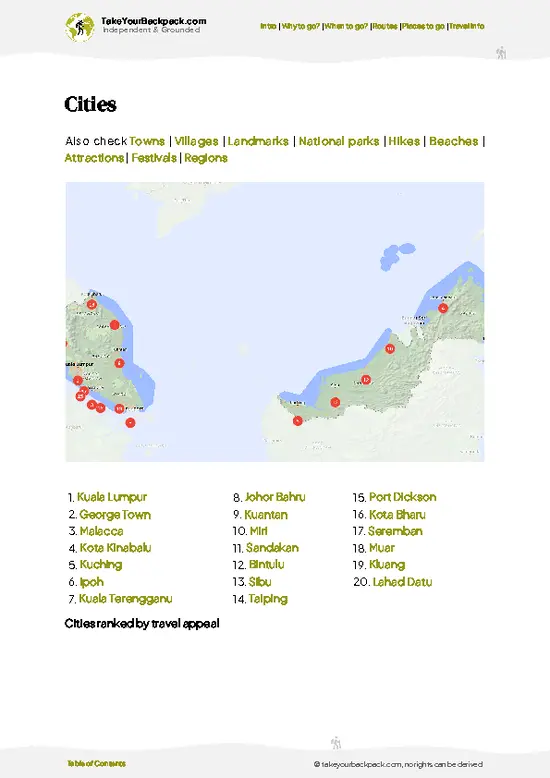
Other Malaysian cities near Malacca

Explore more nearby:

  • Muar—riverside esplanade, art deco facades, otak-otak stalls| 40 km away
  • Port Dickson—beach resorts, army museum, lighthouse views| 63 km away
  • Seremban—minangkabau roofs, lake gardens, siew pau bakeries| 66 km away

💡 Not sure where to go next?
Create a personalized itinerary for Malaysia including Malacca and the places that fit your trip.

Generate my itinerary

👉 Discover all cities

Or checkout all Malaysia has to offer (think cities, towns, villages, national parks, hikes, beaches, festivals)
Country photo of Malaysia

We 💚 feedbackSumming up the experience

Malacca is a treasure trove of history, where every street tells a story. The vibrant mix of cultures is palpable, especially in the food scene—don’t miss the chicken rice balls! But here’s the catch: it can get crowded, especially on weekends. If you’re after a quieter experience, aim for weekdays. Embrace the hustle, but know when to step back. It’s all part of the adventure.

✈️ When did I visit Malaysia?
As part of my 1.5 year travel around the world trip, I visited Malaysia in January 2016.

✍️ Help improve this page!
The information on this page is based on my own backpacking experience in Malaysia, supplemented with up-to-date research and feedback from other travelers. Travel details can change, so if you notice anything outdated or incomplete, feel free to let me know.


🙋‍♂️ Give feedback

👋 Meet the founderWho’s Behind Take Your Backpack?

Johan, backpacker and founder of TakeYourBackpackHi, I’m Johan (Netherlands 🇳🇱), the creator of TakeYourBackpack. Over the past decade, I’ve backpacked through 80+ countries across six continents, gaining extensive experience with independent travel, long-term trips, and overland routes.

This site is built on a combination of firsthand travel experience and carefully curated insights from other backpackers. Many guides are based on places I’ve personally visited, while others bring together tips, observations, and practical advice shared by trusted travelers I’ve met along the way.

The goal is to provide realistic, experience-driven guidance — not generic itineraries — so you can explore destinations with better context, clearer expectations, and more confidence.

Get full Malaysia guide •
Instant download • 107 highlights • Full Offline guide