v2.webp)
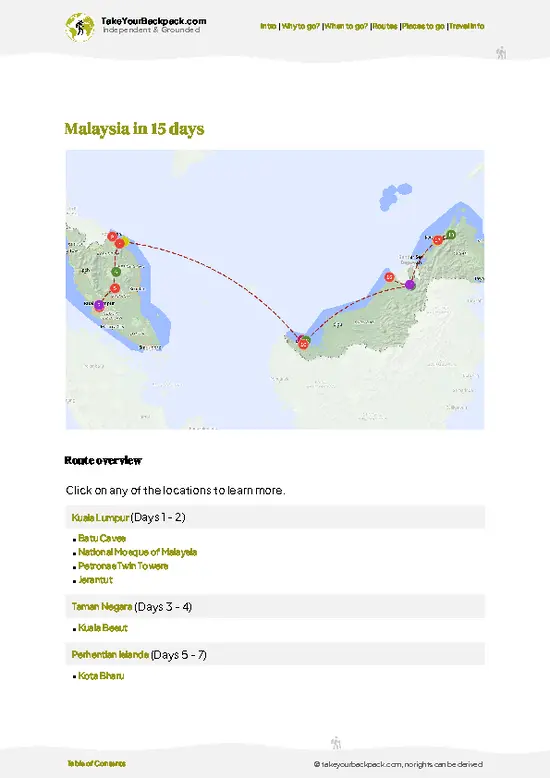
- Armenian Street (Lebuh Armenian) & George Town Street Art — the heartbeat of old Georgetown: faded shophouses, tiny cafés, and those iconic murals (think the boy on the bicycle). Walking here gives you the city’s playful, layered personality in one compact stretch.
- Khoo Kongsi — an over-the-top Chinese clan house with carved wood, painted tiles and a courtyard that tells the story of Chinese community life in Penang. It’s ornate, atmospheric and quietly stunning up close.
- Cheong Fatt Tze Mansion (Blue Mansion) — that indigo landmark you’ve seen in photos. Book a guided tour to appreciate its feng shui, craftsmanship and the mix of Chinese and European influences — staying overnight is a cool splurge if your budget allows.
- Pinang Peranakan Mansion — a preserved Nyonya home filled with
- Armenian Street (Lebuh Armenian) & George Town Street Art — the heartbeat of old Georgetown: faded shophouses, tiny cafés, and those iconic murals (think the boy on the bicycle). Walking here gives you the city’s playful, layered personality in one compact stretch.
- Khoo Kongsi — an over-the-top Chinese clan house with carved wood, painted tiles and a courtyard that tells the story of Chinese community life in Penang. It’s ornate, atmospheric and quietly stunning up close.
- Cheong Fatt Tze Mansion (Blue Mansion) — that indigo landmark you’ve seen in photos. Book a guided tour to appreciate its feng shui, craftsmanship and the mix of Chinese and European influences — staying overnight is a cool splurge if your budget allows.
- Pinang Peranakan Mansion — a preserved Nyonya home filled with antiques, beadwork and stories about the Peranakan (Straits Chinese) way of life. It’s the best place to see how culture, food and fashion blended here.
- Chew Jetty (one of the Clan Jetties) — timber walkways and stilt houses right on the water, still lived in by families who’ve been here generations. Photogenic, human-scale, and a living reminder of Penang’s waterfront past.
- Fort Cornwallis — the city’s biggest old fort (not huge, but solid), with cannons and a calm seafront lawn. It’s an easy history stop that explains the British foothold and gives decent views of the harbor.
- Kapitan Keling Mosque — an architectural anchor on the heritage trail. The mosque and its surrounding streets reflect Penang’s Malay-Muslim and Indian Muslim influences; it’s especially lovely to visit respectfully during daylight hours.
- Little India (Lebuh Campbell / Burma Road area) — color, incense, sari shops, and great budget eats. It’s loud, fragrant and one of the best places to sample authentic banana-leaf meals and the spice-driven side of Penang’s identity.
- Chulia Street & New Lane Night Hawker Stalls — for true backpacker bliss: cheap plates, curries, char koay teow and the chaotic, delicious street-eating scene. Go hungry, bring cash, and be ready to queue a little for the best stalls.
- Dr. Sun Yat-sen Museum (Sun Yat-sen Penang Base) — a humble colonial building that was once the planning hub for China’s 1911 revolution. It’s a quiet museum with real historical weight and links Penang to wider Asian history.
Spotted a mistake or missing something? Contact us.

Countryside Cycling Tour. T1.0 by Matahari

Full Day Flexi Private Tour in Penang Island with Pickup

Back of the Bike Street Food Experience – Real Penang!

3-Hour Heritage on a Plate Lunch Hop in George Town Penang

Orangutan (Orang Utan) Island Responsible Experience

Discover Secrets of Penang’s Food and Cultural Heritage

George Town UNESCO World Heritage Historic City Walk

Malay Culinary Journey Cooking Class for the Adventurous Foodie

Private Penang Tour with Driver (8 Hours)


 Best Backpacking
.jpg) Hi, I’m Johan (Netherlands 🇳🇱), the creator of TakeYourBackpack. Over the past 3 decades, I’ve backpacked through 90+ countries across six continents, gaining extensive experience with independent travel, long-term trips, and overland routes.
Hi, I’m Johan (Netherlands 🇳🇱), the creator of TakeYourBackpack. Over the past 3 decades, I’ve backpacked through 90+ countries across six continents, gaining extensive experience with independent travel, long-term trips, and overland routes.