×

Mali🇲🇱 | townsGoundamLakeside town, Songhai heritage, seasonal fishing | things to do and best time to go

Explore DiréExplore Gourma-Rharous

Backpacking in Goundam
🌟 Highlighttown ranked #7
By Johan Kruseman 🇳🇱 | Updated June 17, 2026

The first real fork in the road when considering Goundam is whether to push deeper into Mali’s Sahel or stick to the more traveled arteries between Timbuktu and Mopti. That choice matters: Goundam is not a detour for the sake of it, but a test of how much you want to trade comfort for authenticity. Tucked in the sandy northwestern corner of Mali, west of Timbuktu, Goundam is a town where the wind carries the scent of dry earth and woodsmoke, and the rhythm of daily life is slow, almost meditative. For backpackers, Goundam is less a destination and more a waypoint—a practical stopover if you’re threading together the lakes and desert villages, or seeking the pulse of a real Malian market without the tourist gloss. The old center is compact but rough around the edges; don’t expect curated charm, but do expect genuine smiles and the kind of hospitality that comes with curiosity. Transport is sparse—shared bush taxis, sometimes a battered bus, and always a bit of patience. You’ll walk a lot, and you’ll sweat. Social life is subdued; there are no hostels, just basic guesthouses, and evenings are quiet, with tea circles replacing nightlife. Costs are low, but so is comfort. Safety is a real concern—check the current situation before committing. Compared to Timbuktu, Goundam is more relaxed and less performative, but also less equipped for travelers. If you want a place that feels raw and real, and you’re willing to work for your experience, Goundam delivers.

Discover everything you want to know in the 📖 Mali Travel Guide.
Safety warning

The current risk level for Mali is high. Check the advice before going.


Get your Mali guide
76 ranked highlights, routes & tips, works offline (319 pages)
Loading the map 🌍
CLICK TO FILTER
cities
towns
landmarks
national parks
hikes
attractions
festivals
regions
SHOW COUNTRY’S BESTSHOW ALL

✨ Why go?
Ranked #7 town in Mali
What sets this place apart

Goundam serves as a gateway for backpackers exploring Mali’s rich landscapes and culture. Nestled near the Bandiagara Escarpment, it’s a prime spot for those itching to hike the dramatic cliffs or visit the Dogon villages. The walkable streets are lined with small-scale guesthouses and hostels, offering a cozy atmosphere where you can swap stories over a bowl of local rice and sauce.

Travelers often linger here for a few days, soaking in the friendly vibe and the scent of spices wafting from street vendors. It’s a place where slow travelers and solo adventurers thrive, finding camaraderie in shared experiences without the chaos of a bustling nightlife. Goundam isn’t just a stopover; it’s a chance to connect with the heart of Mali. Whether you’re gearing up for an adventure or unwinding after … read more 👉
Goundam serves as a gateway for backpackers exploring Mali’s rich landscapes and culture. Nestled near the Bandiagara Escarpment, it’s a prime spot for those itching to hike the dramatic cliffs or visit the Dogon villages. The walkable streets are lined with small-scale guesthouses and hostels, offering a cozy atmosphere where you can swap stories over a bowl of local rice and sauce.

Travelers often linger here for a few days, soaking in the friendly vibe and the scent of spices wafting from street vendors. It’s a place where slow travelers and solo adventurers thrive, finding camaraderie in shared experiences without the chaos of a bustling nightlife. Goundam isn’t just a stopover; it’s a chance to connect with the heart of Mali. Whether you’re gearing up for an adventure or unwinding after one, this town’s charm lies in its simplicity and accessibility, making it a worthy addition to your itinerary.
Want to include Goundam in your Mali route?
Create a personalized Mali itinerary that includes Goundam and the places that fit your trip — based on your travel style, budget, and available time. Get your route in seconds.

Generate my trip

💡 HighlightsKey sights and experiences for travelers

  • Marché de Goundam (central market) — The town’s heartbeat: stalls selling millet, spices, charcoal, second-hand clothes and local crafts. Best for people-watching and picking up useful travel bits (and cheap snacks).
  • Grande Mosquée de Goundam (main mosque) — A working mosque in traditional Sahelian style where daily prayer rhythm shapes town life; visiting the courtyard gives a real feel for local rhythm and architecture (observe prayer etiquette).
  • Embarcadère / boat landing on the seasonal canals — Where wooden pirogues load and unload for the nearby Faguibine basin. Great at dawn or dusk for watching fishermen, boat activity and the changing light over marshy channels.
  • Palmeraie (town palm grove) — A shady pocket of date palms and small gardens inside town; locals use it for shade,
read more 👉
  • Marché de Goundam (central market) — The town’s heartbeat: stalls selling millet, spices, charcoal, second-hand clothes and local crafts. Best for people-watching and picking up useful travel bits (and cheap snacks).
  • Grande Mosquée de Goundam (main mosque) — A working mosque in traditional Sahelian style where daily prayer rhythm shapes town life; visiting the courtyard gives a real feel for local rhythm and architecture (observe prayer etiquette).
  • Embarcadère / boat landing on the seasonal canals — Where wooden pirogues load and unload for the nearby Faguibine basin. Great at dawn or dusk for watching fishermen, boat activity and the changing light over marshy channels.
  • Palmeraie (town palm grove) — A shady pocket of date palms and small gardens inside town; locals use it for shade, drying crops and informal gatherings. Handy place to cool off and chat with residents.
  • Old adobe quarters (the town’s traditional neighborhoods) — Narrow alleys and earthen houses with carved wooden doors; wandering these lanes shows everyday life, household crafts and authentic architecture away from main roads.
  • Former Cercle / colonial administrative building — The old French colonial-era building that still anchors civic life; it’s a clear reminder of the town’s modern history and a good spot to feel the administrative heart of Goundam.
  • Bozo fishermen’s quarter and fish market — Where the fishing community processes and dries their catch; expect drying racks, braided nets and the smells of a working fish quarter — visceral, noisy and local.
  • Artisan workshops near the market — Small-scale leatherworkers, weavers and woodworkers crafting practical items. You can watch pieces being made and buy directly from makers for very fair prices.
  • Livestock trading area — Early-morning cattle and goat trading; a lively scene of bargaining, herding and transport that reveals much about regional commerce and seasonal rhythms.
  • Place de la Mairie (town hall square) and transport hub — The civic square where minibuses, shared taxis and traders converge; useful for catching transport, observing local politics and seeing the town’s social pulse.
A few real, visitable highlights just outside Goundam worth day-tripping to: the Lake Faguibine basin and its seasonal fishing villages and birdlife, the wetlands around the Faguibine channels, and nearby Timbuktu for its markets, manuscripts and famous mosques.
Spotted a mistake or missing something? Contact us.

🏘️ NeighborhoodsNeighborhood guide to Goundam

Goundam is a vibrant crossroads in Mali, where the pulse of local life meets the rhythm of travel. Here’s how to navigate its neighborhoods for an authentic experience.

Centre Ville: This is the heart of Goundam, buzzing with activity. You’ll find local markets, street food stalls, and a lively atmosphere. It’s walkable, making it easy to explore on foot. Costs are moderate, with budget-friendly guesthouses. Perfect for short stays, you can soak in the local culture without feeling rushed.

Quartier des Artisans: A haven for those seeking craftsmanship and local art. The vibe is creative and laid-back, with artisans showcasing their work. While it’s quieter than Centre Ville, the charm lies in its slower pace. Transport options are limited, so plan to walk or bike. Ideal for longer stays, … read more 👉
Goundam is a vibrant crossroads in Mali, where the pulse of local life meets the rhythm of travel. Here’s how to navigate its neighborhoods for an authentic experience.

Centre Ville: This is the heart of Goundam, buzzing with activity. You’ll find local markets, street food stalls, and a lively atmosphere. It’s walkable, making it easy to explore on foot. Costs are moderate, with budget-friendly guesthouses. Perfect for short stays, you can soak in the local culture without feeling rushed.

Quartier des Artisans: A haven for those seeking craftsmanship and local art. The vibe is creative and laid-back, with artisans showcasing their work. While it’s quieter than Centre Ville, the charm lies in its slower pace. Transport options are limited, so plan to walk or bike. Ideal for longer stays, you can immerse yourself in the local craft scene.

Goundam’s Riverside: This area offers stunning views of the Niger River. The atmosphere is serene, perfect for unwinding after a day of exploration. Accommodations here tend to be pricier, but the tranquility is worth it. It’s less walkable, so consider renting a bike. Great for both short and long stays, especially if you want a peaceful retreat.

Market District: A sensory overload of sights and sounds, this area is where you’ll find the best local produce and spices. It’s bustling and energetic, making it a great spot for nightlife. Costs are low, and it’s easily accessible. Perfect for short stays, you can dive into the local culinary scene.

⌛️ 1 dayWhat you can realistically do in a day

Goundam, Mali, is a vibrant crossroads of culture and history, where the scent of spices mingles with the earthy aroma of the surrounding Sahel landscape. This town, often overlooked by travelers, offers a rich tapestry of experiences that reveal the heart of Malian life.

Start your day early at the bustling market in the heart of Goundam. The sun rises, casting a warm glow over stalls brimming with colorful textiles and fresh produce. Engage with local vendors; their stories are as rich as the goods they sell. Try a breakfast of *biscuit de mil*—a millet-based treat that pairs perfectly with sweet, milky tea.

As the morning unfolds, head towards the iconic Mosque of Goundam. Its mud-brick architecture stands as a testament to the region’s history and craftsmanship. Spend some time wandering … read more 👉
Goundam, Mali, is a vibrant crossroads of culture and history, where the scent of spices mingles with the earthy aroma of the surrounding Sahel landscape. This town, often overlooked by travelers, offers a rich tapestry of experiences that reveal the heart of Malian life.

Start your day early at the bustling market in the heart of Goundam. The sun rises, casting a warm glow over stalls brimming with colorful textiles and fresh produce. Engage with local vendors; their stories are as rich as the goods they sell. Try a breakfast of *biscuit de mil*—a millet-based treat that pairs perfectly with sweet, milky tea.

As the morning unfolds, head towards the iconic Mosque of Goundam. Its mud-brick architecture stands as a testament to the region’s history and craftsmanship. Spend some time wandering the nearby neighborhoods, where you can hear the laughter of children playing and see women weaving intricate baskets. This is a slice of life that many tourists miss, but it’s where the soul of Goundam truly shines.

In the afternoon, make your way to the lesser-known site of the ancient *Tomb of the Askia*, a UNESCO World Heritage site just a short drive away. The journey through the surrounding landscape is a visual feast, with acacia trees dotting the horizon. The tomb itself is a striking reminder of the region’s historical significance.

As evening approaches, return to Goundam and find a local eatery. Savor a plate of *tiguadege na*, a delicious peanut stew, while the sun sets, painting the sky in hues of orange and pink. This day in Goundam isn’t just about sights; it’s about connecting with the rhythm of life here, making every moment feel like a meaningful part of your journey.
Turn your Goundam visit into an Mali adventure
Build a complete Mali route with Goundam, hidden gems, must-see destinations, and realistic travel times included.

Generate my trip

🌤️ When to go?Seasonal considerations and timing


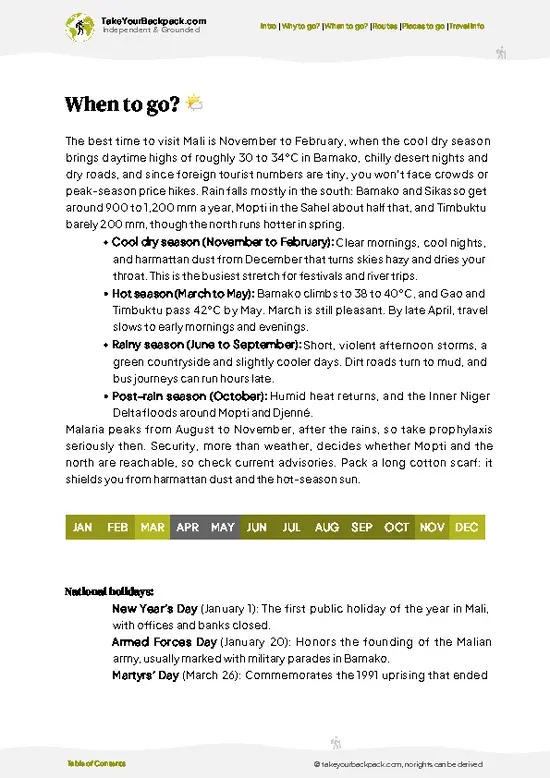
  • Weather: Goundam’s climate swings between a scorching dry season and a brief, intense rainy season. The dry months from November to February offer clear skies and manageable heat, while June to September brings heavy rains that can turn roads to mud and limit access.

  • Temperature: Expect daytime highs around 35-40°C (95-104°F) in the dry season, cooling to 20-25°C (68-77°F) at night. The rainy season drops daytime temps to 30-33°C (86-91°F) but humidity spikes, making it feel heavier.

  • Daylight Hours: Daylight stays fairly consistent year-round, roughly 11.5 to 12.5 hours, so plan hikes and explorations early to avoid the afternoon heat.

  • Crowds: Tourist presence is minimal year-round, but the dry season attracts a few more adventurous travelers. You’ll rarely feel overwhelmed, which
read more 👉

  • Weather: Goundam’s climate swings between a scorching dry season and a brief, intense rainy season. The dry months from November to February offer clear skies and manageable heat, while June to September brings heavy rains that can turn roads to mud and limit access.

  • Temperature: Expect daytime highs around 35-40°C (95-104°F) in the dry season, cooling to 20-25°C (68-77°F) at night. The rainy season drops daytime temps to 30-33°C (86-91°F) but humidity spikes, making it feel heavier.

  • Daylight Hours: Daylight stays fairly consistent year-round, roughly 11.5 to 12.5 hours, so plan hikes and explorations early to avoid the afternoon heat.

  • Crowds: Tourist presence is minimal year-round, but the dry season attracts a few more adventurous travelers. You’ll rarely feel overwhelmed, which means more authentic encounters.

  • Seasonal Activities: The dry season is prime for trekking and exploring the nearby Dogon Plateau, while the rainy season brings lush landscapes and bird migrations but can restrict mobility.

  • Price Fluctuations: Prices for lodging and guides tend to rise slightly in the dry season due to demand, but the difference is modest. The rainy season offers better deals but with trade-offs in accessibility.


Pro-tip: Aim for late November to early February—cooler mornings, dry trails, and fewer bugs make the effort to reach Goundam feel like a well-earned reward.


source: climatestotravel.comJANJanuary: excellent for travelingFEBFebruary: excellent for travelingMARMarch: highly recommended for travelingAPRApril: good for travelingMAYMay: fair for travelingJUNJune: below average for travelingJULJuly: below average for travelingAUGAugust: below average for travelingSEPSeptember: fair for travelingOCTOctober: good for travelingNOVNovember: excellent for travelingDECDecember: excellent for traveling
when-to-go

✈️ The backpacker research shortcutMali Travel Guide

An offline-friendly backpacking guide with optimized travel routes, ranked highlights, transport advice, and the best areas to stay.
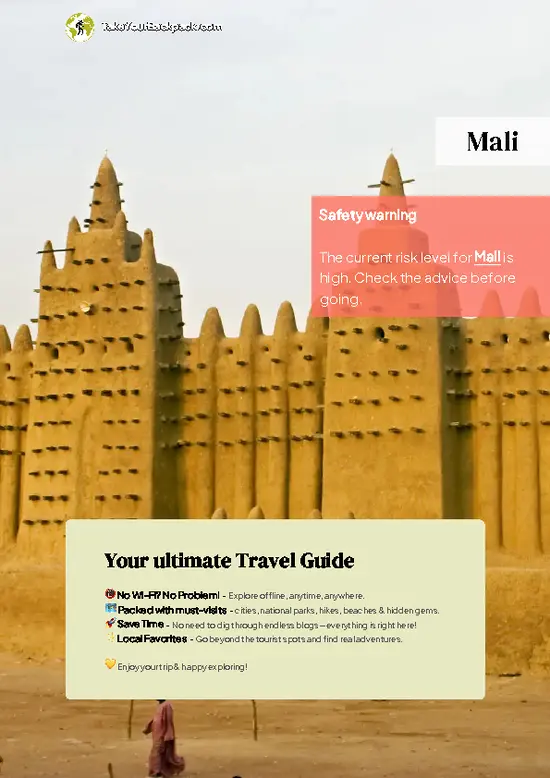
example page 0 from our offline Travel Guide for Mali
example page 1 from our offline Travel Guide for Mali
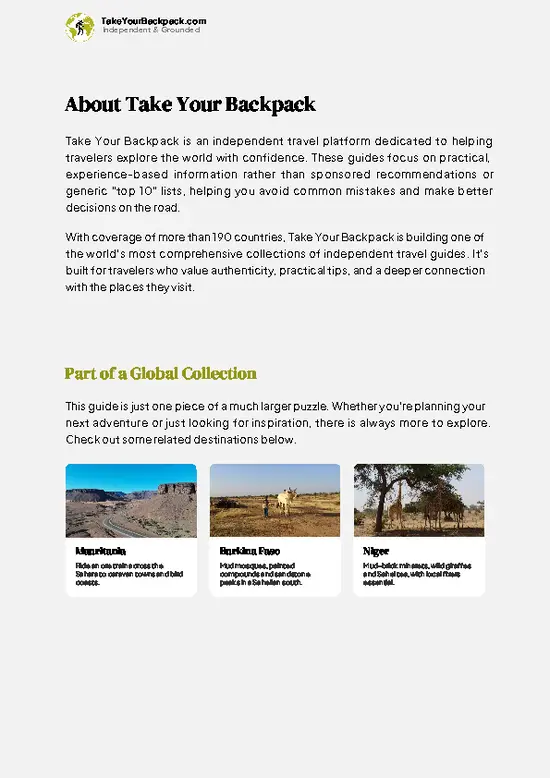
example page 2 from our offline Travel Guide for Mali
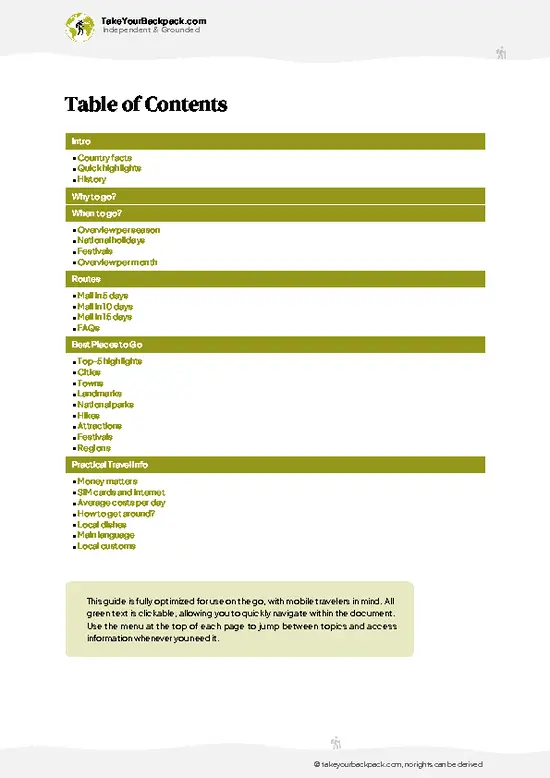
example page 3 from our offline Travel Guide for Mali
example page 4 from our offline Travel Guide for Mali
example page 5 from our offline Travel Guide for Mali
example page 6 from our offline Travel Guide for Mali
example page 7 from our offline Travel Guide for Mali
The digital guide (319 pages) contains:
76 highlights, ranked by travel appeal
Optimized 5, 10 & 15-day travel routes
Cities, national parks, landmarks, beaches
How to get around
Offline-friendly for travel without Wi-Fi
👉 Click to see all 30+ guide features

📅 Plan smarter in minutes, not weeks
Month by month travel advice
Festivals & national holidays
Budget expectations

🗺️ Go to the right places, skip the overrated ones
Honest pros & cons of destinations
Top hikes, parks & viewpoints
Lesser-known places most travelers miss
Clear “worth it vs skip it” guidance

🛏️ Travel smoothly without rookie mistakes
Best areas to stay
Transport systems explained simply
Common scams & safety advice
SIM cards, money & practical tips

🌍 Understand the country, not just visit it
Culture & traditions
52 Essential phrases & customs
Festivals worth planning around
Traveler-friendly historical context
Insights that make places more meaningful

📱 Built for real travel conditions
Fully downloadable PDF
Works completely offline
Optimized for phone use
Useful in remote areas & buses
Everything in one place
Save weeks of stressful planning
Get instant access to your full guide. 30‑day money-back guarantee.


By proceeding you agree to our terms.
Sent to your inbox immediately after payment • 100% Secure Checkout
Best Backpacking Travel Advisor 2025 tourism awardBest Backpacking
Travel Advisor
2025
What others say about Take Your Backpack Guides:
⭐⭐⭐⭐⭐
Fantastic, amazing amount of information!
⭐⭐⭐⭐⭐
My goodness this is amazing, it's what I've been looking for hats off too you!
⭐⭐⭐⭐⭐
I think this is absolutely BRILLIANT
⭐⭐⭐⭐
Very complete and informative. It's still missing places, but I gotta to commend you
⭐⭐⭐⭐⭐
This is truly amazing, thank you, can't wait to explore it with my kids!
⭐⭐⭐⭐⭐
Awesome resource, thank you!
⭐⭐⭐⭐⭐
This is amazing! Can't wait to explore the ones I haven't seen
⭐⭐⭐⭐
I love this! Well done, great idea.
⭐⭐⭐⭐⭐
Thanks for taking the time to make this gem!
⭐⭐⭐⭐⭐
This might be the best website I've ever seen.
⭐⭐⭐⭐⭐
Congratulations, and thank you so much for your work; it's incredibly valuable.
⭐⭐⭐⭐
In all seriousness I think you did a great job pointing out the important spots
⭐⭐⭐⭐⭐
10/10 very good
⭐⭐⭐⭐⭐
As someone who's only just starting to visit regularly this is awesome, thank you.
⭐⭐⭐⭐
Thank you very much! I'm going to visit my dad, it's going to be very useful!
⭐⭐⭐⭐⭐
This is really cool! We'll be travelling for the first time and this definitely come in handy.
⭐⭐⭐⭐⭐
You are now our minister of culture, congratulations 👨‍💼
⭐⭐⭐⭐⭐
Just wanted to tell you that this is a pearl! Going to follow your recommendations.
⭐⭐⭐⭐⭐
This is so cool. I'll definitely be using the resource for my travels soon.
⭐⭐⭐⭐⭐
This is very impressive! Good work.
⭐⭐⭐⭐⭐
This is an amazing and informative site. Very well done!

🛏️ Where to stay?Best areas and accommodation options

In Goundam, the best spot for backpackers is the area around the central market and the riverfront. This neighborhood hums with life from dawn, when vendors set up stalls heavy with millet and dried fish, to dusk, when the sky softens into a dusty pink and locals gather to chat. It’s where you’ll find the safest streets, thanks to the steady presence of shopkeepers and families, which naturally deters trouble. The vibe here is low-key but social—perfect for solo travelers looking to connect without the pressure of tourist traps.

Hostel options are limited but tend to cluster near this hub, making … read more 👉
In Goundam, the best spot for backpackers is the area around the central market and the riverfront. This neighborhood hums with life from dawn, when vendors set up stalls heavy with millet and dried fish, to dusk, when the sky softens into a dusty pink and locals gather to chat. It’s where you’ll find the safest streets, thanks to the steady presence of shopkeepers and families, which naturally deters trouble. The vibe here is low-key but social—perfect for solo travelers looking to connect without the pressure of tourist traps.

Hostel options are limited but tend to cluster near this hub, making it easy to meet others while staying on a budget. Unlike the quieter, more residential outskirts, this area offers a pulse that keeps you grounded in local rhythms. The scent of smoky fires and fresh bread drifts through the air, and the light filters through acacia trees, casting long shadows that invite evening strolls. Staying here means you’re not just passing through Goundam—you’re stepping into its daily story, with all the texture and warmth that comes with it.

🚌 Getting aroundGetting around like a local

Goundam moves at the pace of the Niger River’s slow drift—unhurried, with a rhythm that’s more about feeling the heat of the sun on your skin and the dust in the air than sticking to a clock. This isn’t a place where timetables rule; instead, it’s a town where intuition and local cues guide your steps. The streets hum with the shuffle of feet, the occasional honk of a moto, and the distant calls of market vendors. The light here is harsh and golden, casting long shadows that stretch lazily across cracked pavement and sandy paths. To get around, you’ll need to embrace this flow, balancing patience with a readiness to jump on whatever moves next.


  • Walking: The most reliable and immersive way to navigate Goundam. Streets are compact and often unpaved, so sturdy shoes are a must. Walking lets
read more 👉
Goundam moves at the pace of the Niger River’s slow drift—unhurried, with a rhythm that’s more about feeling the heat of the sun on your skin and the dust in the air than sticking to a clock. This isn’t a place where timetables rule; instead, it’s a town where intuition and local cues guide your steps. The streets hum with the shuffle of feet, the occasional honk of a moto, and the distant calls of market vendors. The light here is harsh and golden, casting long shadows that stretch lazily across cracked pavement and sandy paths. To get around, you’ll need to embrace this flow, balancing patience with a readiness to jump on whatever moves next.


  • Walking: The most reliable and immersive way to navigate Goundam. Streets are compact and often unpaved, so sturdy shoes are a must. Walking lets you soak in the smells of spices and river mud, and catch the subtle shifts in the town’s pulse. No cost, but expect to dodge livestock and sudden dust clouds.


  • Shared Taxis: These are the backbone of local transit, running between Goundam and nearby towns like Timbuktu or Diré. They leave when full, so timing is flexible but unpredictable. Expect to pay around 500-1000 CFA francs for short trips. The ride is bumpy, windows down, with the roar of the engine and chatter filling the air.


  • Motos (Motorcycle Taxis): The quickest way to weave through narrow alleys and dusty roads. Prices start at about 200 CFA francs for short hops. Motos run from dawn until dusk, but after dark, they become scarce and less safe. Hold on tight—the ride is rough but exhilarating, with the wind cutting through the heat.


  • Pinasse Boats: When the Niger River swells, these traditional wooden boats become essential for crossing or reaching riverbank villages. They don’t run on a schedule—departures depend on demand and water levels. Fares vary but are generally affordable. The slow glide across the water offers a cool break from the sun and a chance to watch fishermen at work.

👛 Costs (as of 3 April 2026)What things cost and how to budget

Backpacking in Goundam, Mali, is a raw, off-the-beaten-path experience where costs stay modest but the environment demands a bit of savvy budgeting to keep things smooth.
  • Dorm Accommodation: Expect basic guesthouses or simple hostels with shared rooms. Prices hover around €5 to €10 per night. These places often lack modern amenities, so bring your own essentials like a sleeping sheet or mosquito net to avoid extra costs or discomfort.
  • Meals: Street food and local eateries dominate the scene. A filling meal of local staples—think millet-based dishes or grilled fish—runs about €1.50 to €3. Fresh fruit and snacks are cheap but seasonal, so plan accordingly to avoid hunger pangs.
  • Local Transport: Transport options are limited and mostly informal. Shared taxis or bush taxis cost roughly €0.50
read more 👉
Backpacking in Goundam, Mali, is a raw, off-the-beaten-path experience where costs stay modest but the environment demands a bit of savvy budgeting to keep things smooth.
  • Dorm Accommodation: Expect basic guesthouses or simple hostels with shared rooms. Prices hover around €5 to €10 per night. These places often lack modern amenities, so bring your own essentials like a sleeping sheet or mosquito net to avoid extra costs or discomfort.
  • Meals: Street food and local eateries dominate the scene. A filling meal of local staples—think millet-based dishes or grilled fish—runs about €1.50 to €3. Fresh fruit and snacks are cheap but seasonal, so plan accordingly to avoid hunger pangs.
  • Local Transport: Transport options are limited and mostly informal. Shared taxis or bush taxis cost roughly €0.50 to €1 for short trips within town or nearby villages. For longer distances, prices can rise but remain under €5. Walking is often the best way to soak in the atmosphere and save cash.
  • Basic Activities/Entry Fees: Goundam’s main draws are natural and cultural rather than ticketed attractions. Entry fees to local sites or markets are minimal or nonexistent, but budgeting €1 to €3 for guides or small donations is wise if you want deeper insight or access to certain areas.
  • Miscellaneous Expenses: Water, snacks, phone credit, and occasional supplies add up to about €1 to €2 daily. Bottled water is essential due to limited safe drinking options, so factor that in to avoid health issues.

The daily cost in Goundam typically ranges from €9 to €20, depending on how much comfort or convenience you seek. This modest budget reflects the town’s stripped-back vibe, where the payoff is in the unfiltered, earthy experience rather than polished tourist infrastructure.
⚠️ Prices can change and everyone travels differently, so take this as a rough guide. Hope it helps you plan your adventure!

🚌 Day tripsExploring the surroundings

Goundam, Mali, is a backpacker’s gateway to adventure, offering a blend of culture, history, and stunning landscapes. Use it as your base, and you’ll find day trips that are not just easy but transformative.

Lake Horo
Just a short ride from Goundam, Lake Horo is a tranquil escape. The journey takes about 30 minutes, and the ride is filled with the scent of wild sage and the sound of local chatter. Once there, you can dip your toes in the cool water or watch fishermen casting their nets at dawn. Bring a packed lunch to enjoy under the shade of acacia trees, where the breeze carries the laughter of children playing nearby. A budget traveler can manage this trip for around 1,500 CFA. Avoid the mistake of arriving too late; the early morning light is when the lake truly comes alive.


Djennéread more 👉
Goundam, Mali, is a backpacker’s gateway to adventure, offering a blend of culture, history, and stunning landscapes. Use it as your base, and you’ll find day trips that are not just easy but transformative.

Lake Horo
Just a short ride from Goundam, Lake Horo is a tranquil escape. The journey takes about 30 minutes, and the ride is filled with the scent of wild sage and the sound of local chatter. Once there, you can dip your toes in the cool water or watch fishermen casting their nets at dawn. Bring a packed lunch to enjoy under the shade of acacia trees, where the breeze carries the laughter of children playing nearby. A budget traveler can manage this trip for around 1,500 CFA. Avoid the mistake of arriving too late; the early morning light is when the lake truly comes alive.


Djenné
A UNESCO World Heritage site, Djenné is about an hour’s drive from Goundam. The iconic mud mosque, the largest in the world, is a sight that demands your attention. The journey costs around 3,000 CFA, but the real value lies in the vibrant market that springs to life on Mondays. You’ll find spices, textiles, and local crafts, all bursting with color and aroma. First-timers often underestimate the heat; bring plenty of water and a hat. The best time to visit is during the cooler months, from November to February.


Cliffs of Bandiagara
A bit further afield, the Cliffs of Bandiagara are a must-see, about two hours from Goundam. The dramatic landscape, with its towering cliffs and ancient dwellings, feels like stepping into another world. The trip will set you back around 5,000 CFA, but the views are worth every cent. Hike along the trails, where the air is filled with the scent of wildflowers and the sound of birds. Many miss the chance to interact with local Dogon people; take the time to learn about their culture. The best months to visit are during the dry season, from October to April.


Goundam Market
Don’t overlook Goundam itself! The local market is a vibrant hub of activity, especially on Thursdays. You can wander through stalls filled with fresh produce, handmade crafts, and the rich aroma of street food. It’s a great way to connect with locals and practice your French. This trip costs nothing but your time and curiosity. Many backpackers rush through, but taking a moment to chat with vendors can lead to unexpected friendships.
Want to know what more Mali offers?
The Mali Travel Guide describes 76 highlights, from cities to national parks, from beaches to hikes

Get the Travel Guide -

🛡️ SafetyStaying Safe: What Travelers Should Know

Goundam is generally safe, but a few practical tips can enhance your experience. The market area can get busy, so keep your belongings close. A crossbody bag or a money belt under your clothes works wonders.

If you’re traveling solo, be mindful after dark. The streets can feel quiet, and while locals are friendly, it’s best to stick to well-lit areas.

Scams are rare, but some vendors might inflate prices for tourists. Always ask for the price before you buy, and don’t hesitate to haggle. It’s part of the culture.

Annoyances like persistent sellers can test your patience. A polite but firm “no, thank you” usually does the trick. Embrace the rhythm of the town, stay aware, and you’ll find Goundam’s charm shines through.

Other Malian towns near Goundam

Explore more nearby:

  • Diré—Niger River port, date palms, riverine trade| 32 km away
  • Niafunké—Riverbank town, music legacy, rice farming| 65 km away
  • Timbuktu—Saharan gateway, ancient manuscripts, mud mosques| 80 km away

💡 Not sure where to go next?
Create a personalized itinerary for Mali including Goundam and the places that fit your trip.

Generate my itinerary

👉 Discover all towns

Or checkout all Mali has to offer (think cities, towns, villages, national parks, hikes, beaches, festivals)
Country photo of Mali

We 💚 feedbackParting advice and final tips

Goundam has a pulse that’s hard to ignore. The air is thick with the scent of spices and the laughter of locals fills the streets. You might stumble upon a vibrant market where the colors of textiles pop against the dusty backdrop. Just be ready for the heat; it’s relentless. Embrace the slower pace, and you’ll find the best surprise is the warmth of the people. They’ll share stories that make every moment feel rich and worthwhile.

✍️ Help improve this page!
The information on this page is based on in-depth research, insights shared by experienced travelers, and feedback from the local travel community in Mali. While every effort is made to keep the information accurate and current, conditions can change — so if you spot anything incorrect or outdated, please get in touch.


🙋‍♂️ Give feedback

👋 Meet the founderWho’s Behind Take Your Backpack?

Johan, backpacker and founder of TakeYourBackpackHi, I’m Johan (Netherlands 🇳🇱), the creator of TakeYourBackpack. Over the past decade, I’ve backpacked through 80+ countries across six continents, gaining extensive experience with independent travel, long-term trips, and overland routes.

This site is built on a combination of firsthand travel experience and carefully curated insights from other backpackers. Many guides are based on places I’ve personally visited, while others bring together tips, observations, and practical advice shared by trusted travelers I’ve met along the way.

The goal is to provide realistic, experience-driven guidance — not generic itineraries — so you can explore destinations with better context, clearer expectations, and more confidence.

Get full Mali guide •
Instant download • 76 highlights • Full Offline guide