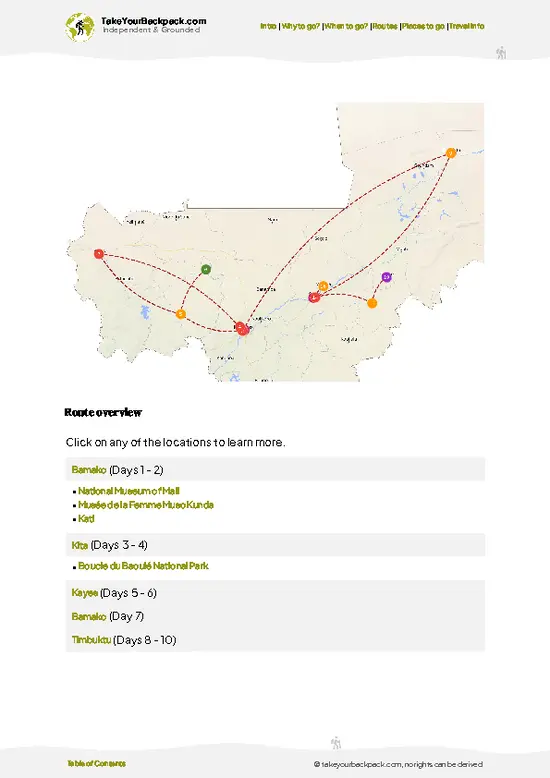
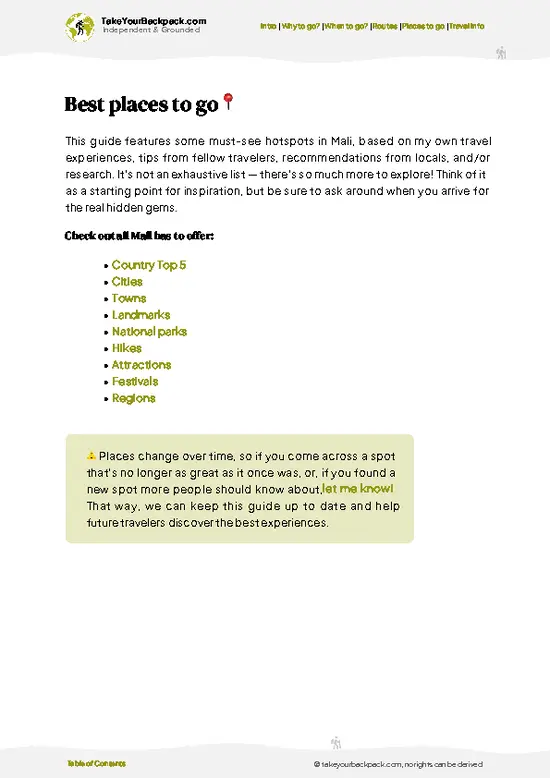
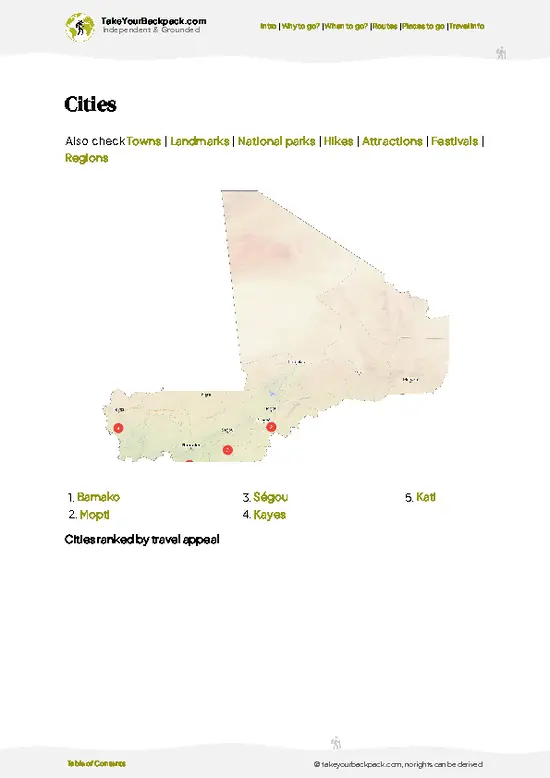
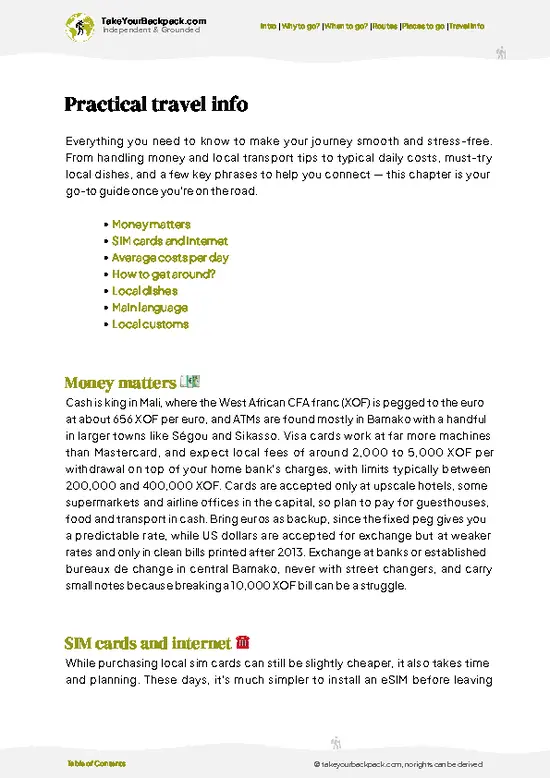
1. Manuscripts That Outlived Empires
Forget the Instagram fantasy of endless golden dunes and a lone camel. The real treasure of the Musée de Tombouctou is its manuscripts—centuries-old texts that survived sand, war, and neglect. These aren’t just dusty relics. They’re proof that Timbuktu was once a global center of scholarship, where astronomy, law, medicine, and poetry were debated long before Europe’s Renaissance. You’re looking at hand-written pages that outlasted colonial looters and extremists. The script is so fine it almost vibrates. If you want to feel the weight of history, stand in front of these manuscripts and realize you’re in the presence of Africa’s intellectual legacy—one that’s still fighting for survival.
2. The Story of the City’s Three Great Mosques
You’ll see models … read more 👉
Forget the Instagram fantasy of endless golden dunes and a lone camel. The real treasure of the Musée de Tombouctou is its manuscripts—centuries-old texts that survived sand, war, and neglect. These aren’t just dusty relics. They’re proof that Timbuktu was once a global center of scholarship, where astronomy, law, medicine, and poetry were debated long before Europe’s Renaissance. You’re looking at hand-written pages that outlasted colonial looters and extremists. The script is so fine it almost vibrates. If you want to feel the weight of history, stand in front of these manuscripts and realize you’re in the presence of Africa’s intellectual legacy—one that’s still fighting for survival.
2. The Story of the City’s Three Great Mosques
You’ll see models … read more 👉
1. Manuscripts That Outlived Empires
Forget the Instagram fantasy of endless golden dunes and a lone camel. The real treasure of the Musée de Tombouctou is its manuscripts—centuries-old texts that survived sand, war, and neglect. These aren’t just dusty relics. They’re proof that Timbuktu was once a global center of scholarship, where astronomy, law, medicine, and poetry were debated long before Europe’s Renaissance. You’re looking at hand-written pages that outlasted colonial looters and extremists. The script is so fine it almost vibrates. If you want to feel the weight of history, stand in front of these manuscripts and realize you’re in the presence of Africa’s intellectual legacy—one that’s still fighting for survival.
2. The Story of the City’s Three Great Mosques
You’ll see models and artifacts from Djinguereber, Sankoré, and Sidi Yahia—the trio that made Timbuktu the Harvard, Oxford, and Al-Azhar of the Sahara. The museum doesn’t sugarcoat the fact that these mosques are now battered by time and, yes, tourists. But here, you get the context: why mud-brick architecture is genius in this climate, how scholars from as far as Cairo and Granada trekked here for debate, and what’s at stake as the desert creeps closer every year. It’s not a postcard. It’s a survival story.
3. Tools of the Trans-Saharan Trade
Instagram will show you a camel caravan. The museum shows you the real engines of the gold-salt trade: battered scales, ancient weights, and the kind of ironwork that made Timbuktu the crossroads of West Africa. You’ll see the practical, ingenious objects that kept caravans moving—proof that this city’s wealth wasn’t just legend. There’s a tactile thrill in seeing the tools that moved fortunes across the Sahara, and a reminder that Timbuktu’s riches were built on grit, not myth.
4. The Resistance Room
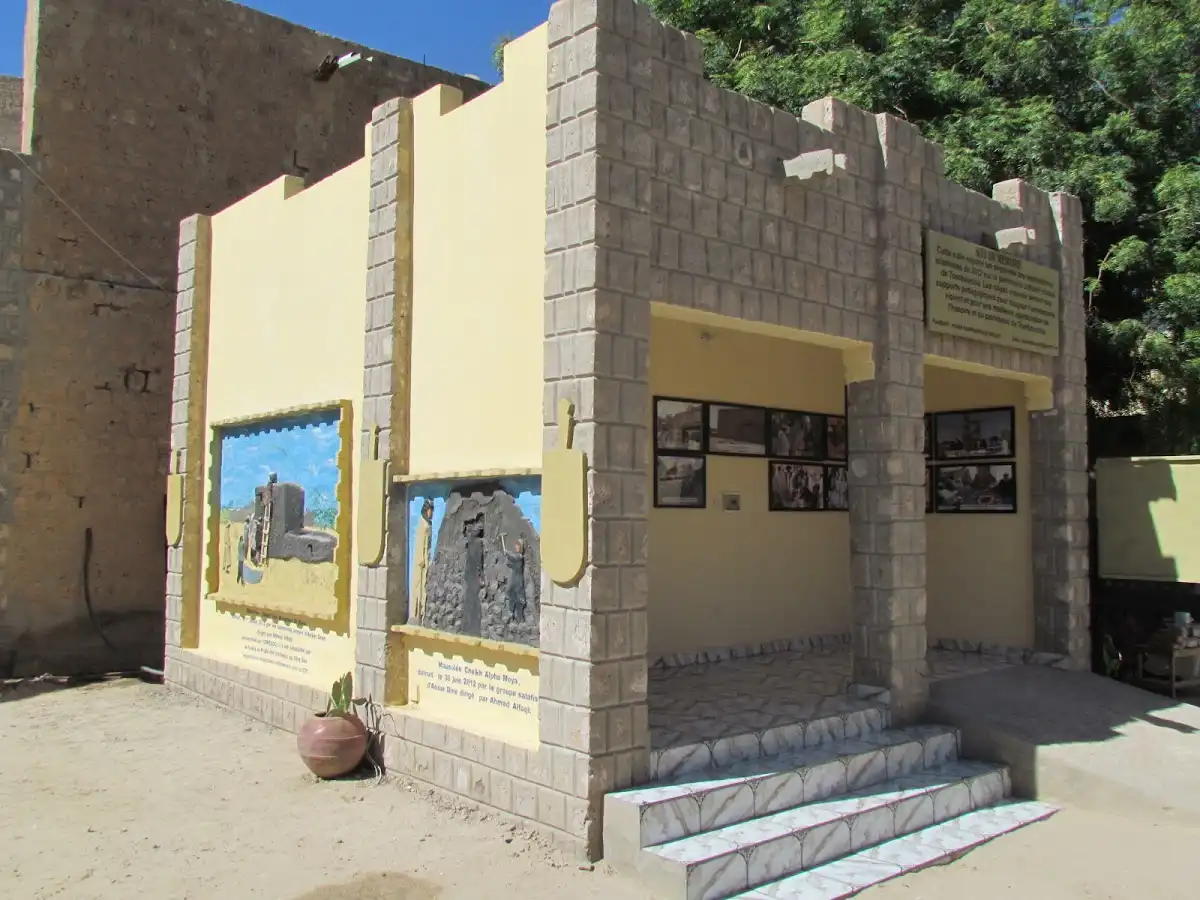
This isn’t a feel-good exhibit. It’s a blunt, sometimes raw look at how Timbuktu’s people have fought to protect their heritage from colonial theft, extremist destruction, and the slow violence of neglect. You’ll see photos, testimonies, and salvaged artifacts. It’s not curated for comfort. But if you want to understand why Timbuktu matters—why people risked their lives to smuggle manuscripts out of harm’s way—this is where the museum stops being a tourist site and becomes a battleground for memory.
5. The Sound of the Desert
If you’re lucky, you’ll catch a recording or even a live demonstration of traditional Malian music—think ngoni lutes, haunting vocals, and rhythms that echo across the sand. This isn’t background noise. It’s the living pulse of a city that’s survived by adapting, blending, and reinventing itself. The museum doesn’t always advertise this, but when it happens, it’s the most honest magic you’ll find—proof that Timbuktu’s story is still being written, note by note.
Forget the Instagram fantasy of endless golden dunes and a lone camel. The real treasure of the Musée de Tombouctou is its manuscripts—centuries-old texts that survived sand, war, and neglect. These aren’t just dusty relics. They’re proof that Timbuktu was once a global center of scholarship, where astronomy, law, medicine, and poetry were debated long before Europe’s Renaissance. You’re looking at hand-written pages that outlasted colonial looters and extremists. The script is so fine it almost vibrates. If you want to feel the weight of history, stand in front of these manuscripts and realize you’re in the presence of Africa’s intellectual legacy—one that’s still fighting for survival.
2. The Story of the City’s Three Great Mosques
You’ll see models and artifacts from Djinguereber, Sankoré, and Sidi Yahia—the trio that made Timbuktu the Harvard, Oxford, and Al-Azhar of the Sahara. The museum doesn’t sugarcoat the fact that these mosques are now battered by time and, yes, tourists. But here, you get the context: why mud-brick architecture is genius in this climate, how scholars from as far as Cairo and Granada trekked here for debate, and what’s at stake as the desert creeps closer every year. It’s not a postcard. It’s a survival story.
3. Tools of the Trans-Saharan Trade
Instagram will show you a camel caravan. The museum shows you the real engines of the gold-salt trade: battered scales, ancient weights, and the kind of ironwork that made Timbuktu the crossroads of West Africa. You’ll see the practical, ingenious objects that kept caravans moving—proof that this city’s wealth wasn’t just legend. There’s a tactile thrill in seeing the tools that moved fortunes across the Sahara, and a reminder that Timbuktu’s riches were built on grit, not myth.
4. The Resistance Room
This isn’t a feel-good exhibit. It’s a blunt, sometimes raw look at how Timbuktu’s people have fought to protect their heritage from colonial theft, extremist destruction, and the slow violence of neglect. You’ll see photos, testimonies, and salvaged artifacts. It’s not curated for comfort. But if you want to understand why Timbuktu matters—why people risked their lives to smuggle manuscripts out of harm’s way—this is where the museum stops being a tourist site and becomes a battleground for memory.
5. The Sound of the Desert
If you’re lucky, you’ll catch a recording or even a live demonstration of traditional Malian music—think ngoni lutes, haunting vocals, and rhythms that echo across the sand. This isn’t background noise. It’s the living pulse of a city that’s survived by adapting, blending, and reinventing itself. The museum doesn’t always advertise this, but when it happens, it’s the most honest magic you’ll find—proof that Timbuktu’s story is still being written, note by note.
Spotted a mistake or missing something? Contact us.
v2.webp)

Best Backpacking
Hi, I’m Johan (Netherlands 🇳🇱), the creator of TakeYourBackpack. Over the past decade, I’ve backpacked through 80+ countries across six continents, gaining extensive experience with independent travel, long-term trips, and overland routes.