

The Ancient Mudbrick Architecture
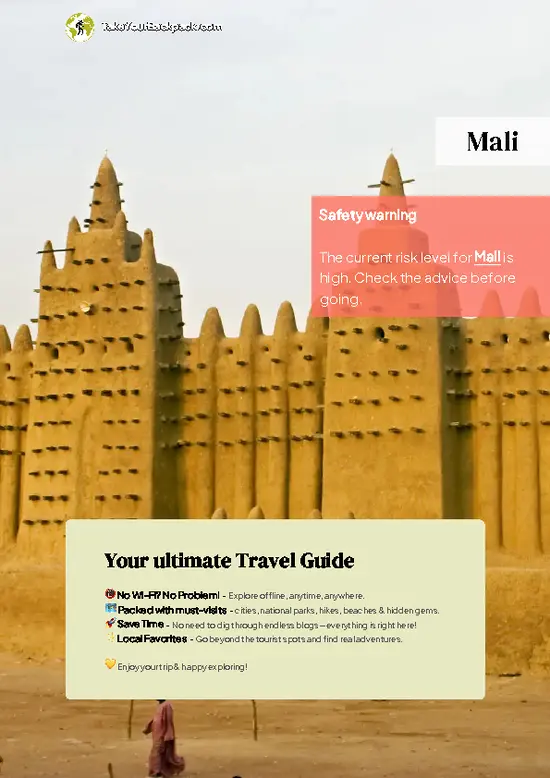
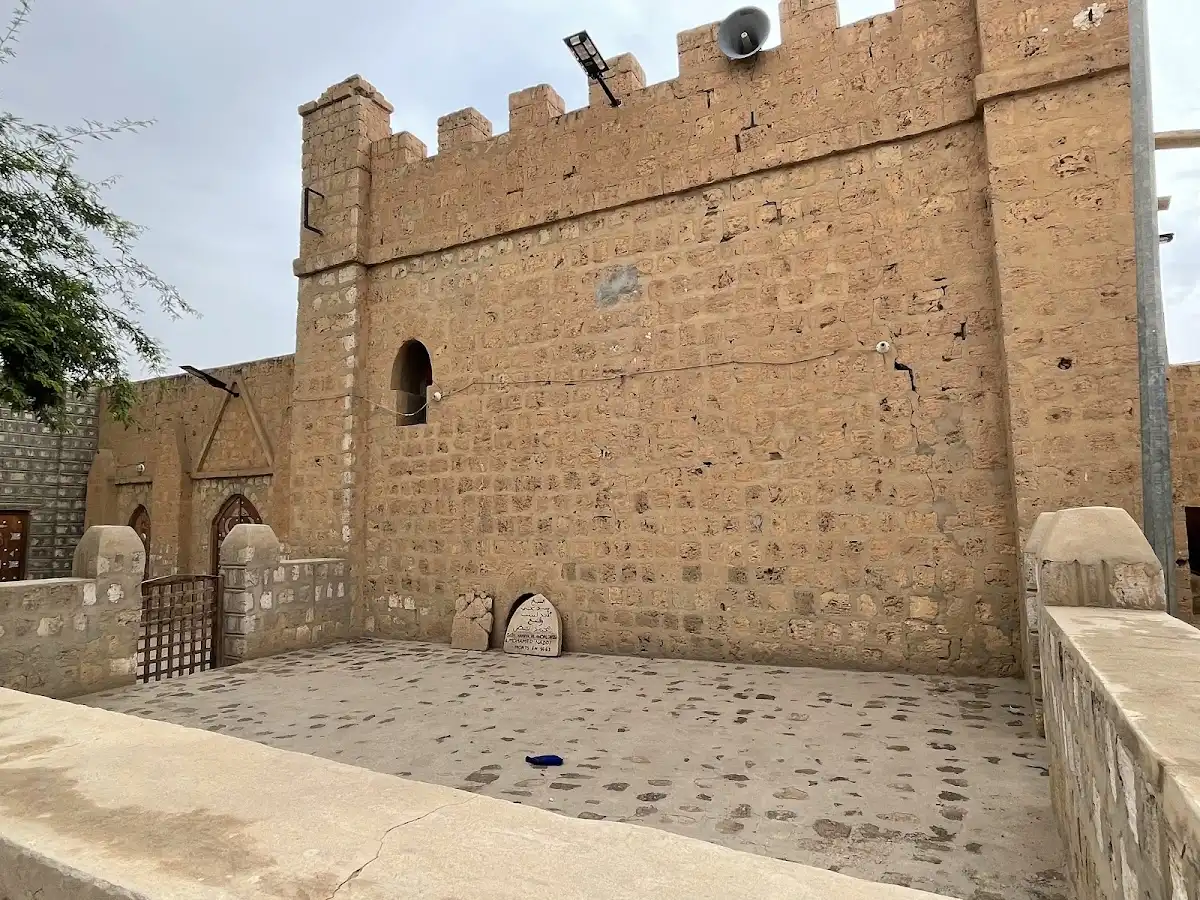
Forget the Instagram filters—Sidi Yahia Mosque’s real magic is in the texture. The entire structure is built from sunbaked mud and timber, a living, breathing monument to Sahelian ingenuity. You’ll see the handprints of centuries in the walls, patched and renewed every year by the community. The mosque isn’t just old; it’s a masterclass in how architecture can be both ephemeral and eternal. The wood beams jutting from the façade aren’t just for show—they’re scaffolding for the annual replastering, a ritual that keeps the building alive. If you want to feel the pulse of Timbuktu, run your hand along these walls.
The Atmosphere of Living History
Sidi Yahia isn’t a museum piece. It’s a working mosque, and that’s the secret sauce. You’ll hear the call to prayer … read more 👉
Forget the Instagram filters—Sidi Yahia Mosque’s real magic is in the texture. The entire structure is built from sunbaked mud and timber, a living, breathing monument to Sahelian ingenuity. You’ll see the handprints of centuries in the walls, patched and renewed every year by the community. The mosque isn’t just old; it’s a masterclass in how architecture can be both ephemeral and eternal. The wood beams jutting from the façade aren’t just for show—they’re scaffolding for the annual replastering, a ritual that keeps the building alive. If you want to feel the pulse of Timbuktu, run your hand along these walls.
The Atmosphere of Living History
Sidi Yahia isn’t a museum piece. It’s a working mosque, and that’s the secret sauce. You’ll hear the call to prayer … read more 👉
The Ancient Mudbrick Architecture
Forget the Instagram filters—Sidi Yahia Mosque’s real magic is in the texture. The entire structure is built from sunbaked mud and timber, a living, breathing monument to Sahelian ingenuity. You’ll see the handprints of centuries in the walls, patched and renewed every year by the community. The mosque isn’t just old; it’s a masterclass in how architecture can be both ephemeral and eternal. The wood beams jutting from the façade aren’t just for show—they’re scaffolding for the annual replastering, a ritual that keeps the building alive. If you want to feel the pulse of Timbuktu, run your hand along these walls.
The Atmosphere of Living History
Sidi Yahia isn’t a museum piece. It’s a working mosque, and that’s the secret sauce. You’ll hear the call to prayer echoing off the mud walls, see locals coming and going, and maybe even catch a wedding or a Quranic lesson if you’re lucky (and respectful). The sense of continuity is electric. This isn’t a relic—it’s a crossroads of faith, family, and daily life. The energy is humble but powerful, and it’s a rare chance to witness a sacred space that’s still at the center of its community.
The Legendary Door of the End Times
Here’s where myth and reality blur. The mosque’s main door was famously sealed for centuries, with a local legend claiming it would only be opened at the end of the world. When it was finally unlocked in the 1990s, nothing apocalyptic happened—unless you count the flood of curiosity from locals and travelers alike. The door itself is unassuming, but standing before it, you can feel the weight of centuries of anticipation and whispered stories. It’s a reminder that the real drama of Sidi Yahia is in its layers of belief and tradition, not just its bricks.
The Tomb of Sidi Yahia
This is not a tourist photo-op; it’s a pilgrimage site. Sidi Yahia, the mosque’s namesake, was a revered scholar and spiritual leader. His tomb inside the mosque is a place of quiet reverence, visited by Malians seeking blessings or a moment of reflection. The air here is thick with incense and memory. If you’re allowed in, move with respect—this is sacred ground, and the atmosphere is heavy with devotion. It’s a rare window into the spiritual heart of Timbuktu.
The Community Restoration Ritual
Once a year, the people of Timbuktu gather to replaster the mosque in a festival of mud, music, and teamwork. This isn’t staged for tourists; it’s a vital act of stewardship that binds the community together. If your timing is right, you’ll see kids and elders alike slapping fresh mud onto the walls, laughing and singing as they work. It’s messy, joyful, and utterly authentic—a living tradition that keeps the mosque (and the city’s spirit) from crumbling. This is the real spectacle: not a postcard moment, but a hands-on celebration of resilience and pride.
Forget the Instagram filters—Sidi Yahia Mosque’s real magic is in the texture. The entire structure is built from sunbaked mud and timber, a living, breathing monument to Sahelian ingenuity. You’ll see the handprints of centuries in the walls, patched and renewed every year by the community. The mosque isn’t just old; it’s a masterclass in how architecture can be both ephemeral and eternal. The wood beams jutting from the façade aren’t just for show—they’re scaffolding for the annual replastering, a ritual that keeps the building alive. If you want to feel the pulse of Timbuktu, run your hand along these walls.
The Atmosphere of Living History
Sidi Yahia isn’t a museum piece. It’s a working mosque, and that’s the secret sauce. You’ll hear the call to prayer echoing off the mud walls, see locals coming and going, and maybe even catch a wedding or a Quranic lesson if you’re lucky (and respectful). The sense of continuity is electric. This isn’t a relic—it’s a crossroads of faith, family, and daily life. The energy is humble but powerful, and it’s a rare chance to witness a sacred space that’s still at the center of its community.
The Legendary Door of the End Times
Here’s where myth and reality blur. The mosque’s main door was famously sealed for centuries, with a local legend claiming it would only be opened at the end of the world. When it was finally unlocked in the 1990s, nothing apocalyptic happened—unless you count the flood of curiosity from locals and travelers alike. The door itself is unassuming, but standing before it, you can feel the weight of centuries of anticipation and whispered stories. It’s a reminder that the real drama of Sidi Yahia is in its layers of belief and tradition, not just its bricks.
The Tomb of Sidi Yahia
This is not a tourist photo-op; it’s a pilgrimage site. Sidi Yahia, the mosque’s namesake, was a revered scholar and spiritual leader. His tomb inside the mosque is a place of quiet reverence, visited by Malians seeking blessings or a moment of reflection. The air here is thick with incense and memory. If you’re allowed in, move with respect—this is sacred ground, and the atmosphere is heavy with devotion. It’s a rare window into the spiritual heart of Timbuktu.
The Community Restoration Ritual
Once a year, the people of Timbuktu gather to replaster the mosque in a festival of mud, music, and teamwork. This isn’t staged for tourists; it’s a vital act of stewardship that binds the community together. If your timing is right, you’ll see kids and elders alike slapping fresh mud onto the walls, laughing and singing as they work. It’s messy, joyful, and utterly authentic—a living tradition that keeps the mosque (and the city’s spirit) from crumbling. This is the real spectacle: not a postcard moment, but a hands-on celebration of resilience and pride.
Spotted a mistake or missing something? Contact us.
v2.webp)

Best Backpacking
Hi, I’m Johan (Netherlands 🇳🇱), the creator of TakeYourBackpack. Over the past decade, I’ve backpacked through 80+ countries across six continents, gaining extensive experience with independent travel, long-term trips, and overland routes.