×

Mali🇲🇱 | best attractionsTop-Rated 10 attractions in Mali

Mali’s best attractions aren’t just landmarks; they’re gateways into a complex blend of history, culture, and geography that demands more than a casual visit. The country’s vastness means what you find in the bustling markets of Bamako contrasts sharply with the ancient mud mosques of Timbuktu or the desert landscapes of the Sahara in the north. For backpackers and independent travelers, choosing the right destination here is crucial—seasonal rains can shut down routes, security concerns vary widely by region, and infrastructure ranges from basic to nonexistent. Your choice shapes everything: the vibe you soak in, your budget’s stretch, the ease of travel, and how deeply you connect with Mali’s rich cultural fabric.

By Johan Kruseman 🇳🇱 | Updated September 4, 2026
Explore the best festivals in Mali

Why go?Why Travelers Love These Spots

Why These Attractions Matter

Mali’s attractions stand apart because they demand more than a quick stop; they require commitment to context. The country’s vastness and sparse infrastructure mean travel times can be long and rough, but this is the price of entry to experiences that resist the usual tourist shortcuts. Unlike destinations where accessibility equals immersion, Mali’s challenges—whether in transport, climate, or language—filter out casual visitors, leaving space for those willing to engage deeply with its cultural and historical layers.

The country’s unique position as a crossroads of ancient trade routes and Islamic scholarship shapes its attractions with a weight of history that’s palpable, not just decorative. This isn’t a place for surface-level sightseeing. The climate, harsh … read more 👉
Why These Attractions Matter

Mali’s attractions stand apart because they demand more than a quick stop; they require commitment to context. The country’s vastness and sparse infrastructure mean travel times can be long and rough, but this is the price of entry to experiences that resist the usual tourist shortcuts. Unlike destinations where accessibility equals immersion, Mali’s challenges—whether in transport, climate, or language—filter out casual visitors, leaving space for those willing to engage deeply with its cultural and historical layers.

The country’s unique position as a crossroads of ancient trade routes and Islamic scholarship shapes its attractions with a weight of history that’s palpable, not just decorative. This isn’t a place for surface-level sightseeing. The climate, harsh and often unforgiving, especially in the Sahel and Sahara zones, demands careful planning and respect, but it also preserves landscapes and traditions largely untouched by mass tourism.

Travelers must weigh the trade-off between accessibility and authenticity. Mali’s attractions are less about convenience and more about connection—to people, to history, to a landscape that challenges as much as it rewards. Understanding these constraints upfront is the secret to preserving your energy and budget for moments that truly matter, rather than chasing convenience at the expense of depth. In Mali, the journey is inseparable from the destination.
How the List Was Created
The list of best attractions in Mali is created based on cultural significance or entertainment value. If you feel a attraction is missing in this list, please let us know.

When to go?Best Time to Visit Mali for attractions

Seasonal Realities Shape Your Mali Experience


Mali’s climate swings between two dominant seasons: a scorching dry season and a brief, intense rainy season. The dry months bring relentless heat and dust, especially as the sun climbs higher. This is when the Sahara’s edge becomes a furnace, and unprepared travelers can quickly find themselves drained. The rainy season, while cooler and greener, isn’t a gentle drizzle—it’s a heavy, sometimes disruptive downpour that can turn dirt roads into mud traps and make some attractions inaccessible.

The sweet spot for visiting Mali’s attractions falls in the cooler dry season. This period offers more manageable temperatures and clearer skies, making it easier to explore without constantly battling heat exhaustion or dust storms. However, this is also … read more 👉

Seasonal Realities Shape Your Mali Experience


Mali’s climate swings between two dominant seasons: a scorching dry season and a brief, intense rainy season. The dry months bring relentless heat and dust, especially as the sun climbs higher. This is when the Sahara’s edge becomes a furnace, and unprepared travelers can quickly find themselves drained. The rainy season, while cooler and greener, isn’t a gentle drizzle—it’s a heavy, sometimes disruptive downpour that can turn dirt roads into mud traps and make some attractions inaccessible.

The sweet spot for visiting Mali’s attractions falls in the cooler dry season. This period offers more manageable temperatures and clearer skies, making it easier to explore without constantly battling heat exhaustion or dust storms. However, this is also when tourism peaks, so expect higher prices and more crowds, especially at well-known spots.

Shoulder seasons—those transitional months just before or after the main dry period—offer a trade-off. You’ll dodge the worst crowds and snag better deals, but the weather can be unpredictable. Early rains might start, or the heat might still be oppressive. Roads and trails could be less reliable, and some services might scale back.

Ignoring these seasonal patterns risks wasting energy, money, and time. Planning around Mali’s harsh climate is the secret to preserving your stamina for the moments that truly matter—when the landscape, culture, and history come alive without the weather working against you.

attraction hoppingHow to Combine attractions Into One Trip

How to Combine the Best Attractions of Mali Into One Trip


Start by grouping attractions geographically—Mali’s vastness demands it. The country naturally divides into northern desert sites, central riverine towns, and southern cultural hubs. Tackling one region at a time saves hours of grueling travel and preserves energy for exploration. Move logically from south to north or vice versa, avoiding zigzag routes that burn time and budget.

Expect to spend at least two full days at major stops to absorb their unique character without feeling rushed. Cultural centers and markets need time to breathe; desert excursions require a slower pace to adjust to conditions and appreciate the landscape. Trying to cram too many stops into a short window leads to superficial visits and travel fatigue.

Beware … read more 👉

How to Combine the Best Attractions of Mali Into One Trip


Start by grouping attractions geographically—Mali’s vastness demands it. The country naturally divides into northern desert sites, central riverine towns, and southern cultural hubs. Tackling one region at a time saves hours of grueling travel and preserves energy for exploration. Move logically from south to north or vice versa, avoiding zigzag routes that burn time and budget.

Expect to spend at least two full days at major stops to absorb their unique character without feeling rushed. Cultural centers and markets need time to breathe; desert excursions require a slower pace to adjust to conditions and appreciate the landscape. Trying to cram too many stops into a short window leads to superficial visits and travel fatigue.

Beware of underestimating transit times—roads can be unpredictable, and public transport schedules erratic. Prioritize flexibility in your itinerary to accommodate delays or unexpected opportunities. Balancing speed and depth is crucial: speeding through sites may check boxes but sacrifices the soul of Mali’s attractions.

Budget constraints often push travelers toward cheaper, slower transport or minimal accommodation, but cutting corners here can cost more in discomfort and lost experiences. Conversely, splurging on comfort might limit the number of stops. The key is a strategic balance that matches your energy and interests.

Ultimately, realistic pacing and regional clustering are your best tools. Plan for a rhythm that lets you dive deep where it counts and move efficiently where it doesn’t. That’s how Mali’s best attractions come together into a trip worth remembering.

The ListTop attractions of Mali

1 Djenné Grand Mosque

mud-brick architecture, annual plastering, UNESCO site

Experience the world’s largest earthen building, where local residents maintain the mosque’s unique structure through communal effort.

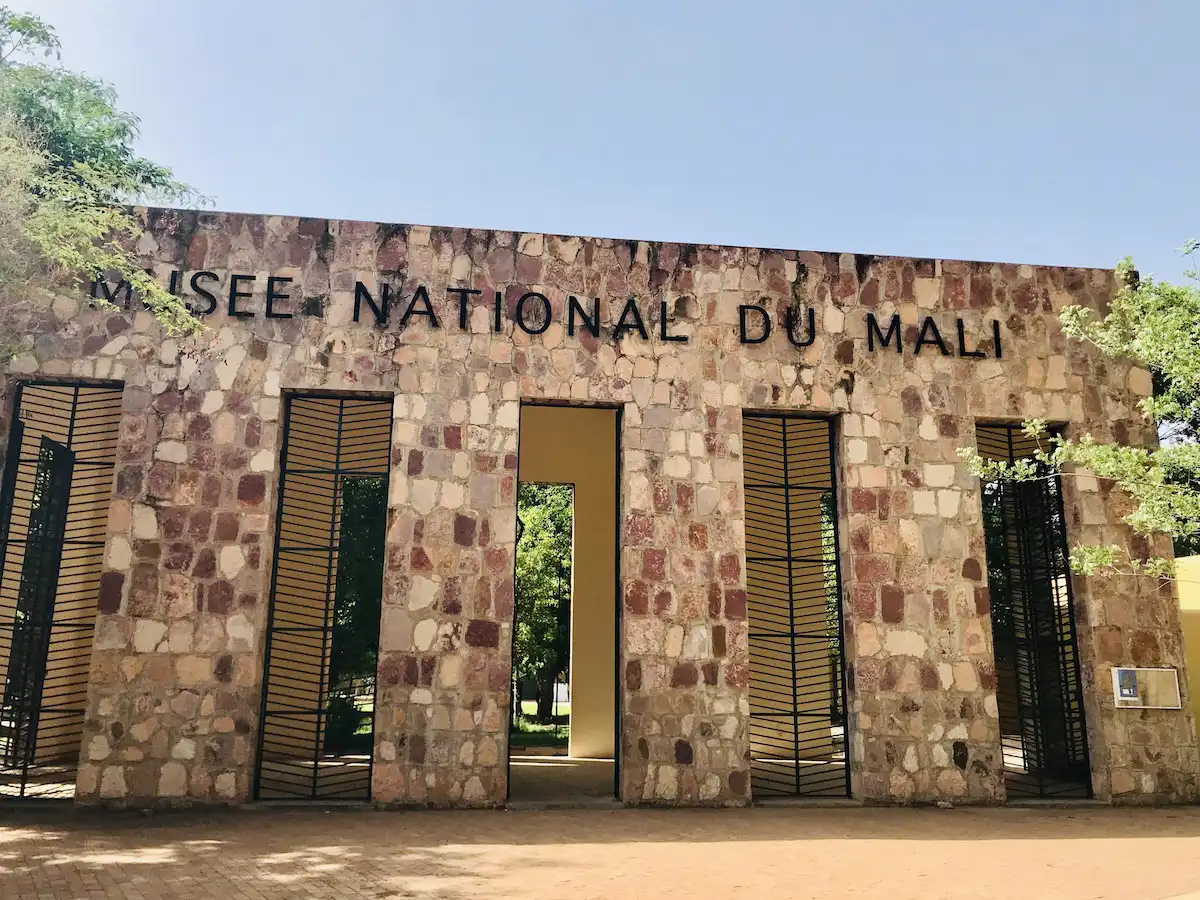
2 National Museum of Mali

archaeological finds, ritual masks, rotating exhibitions

Survey Mali’s deep history through archaeological pieces, ceremonial objects, and changing displays on national identity.

3 Sankoré Mosque

earthen minaret, medieval university, learning center

Visit a historic mosque that once anchored a renowned center of Islamic scholarship, with architecture shaped by local materials.

4 Ahmed Baba Institute of Higher Learning and Islamic Research

ancient manuscripts, scholarly heritage, desert library

Discover rare medieval texts and centuries-old scholarship preserved in a climate-controlled archive at the edge of the Sahara.

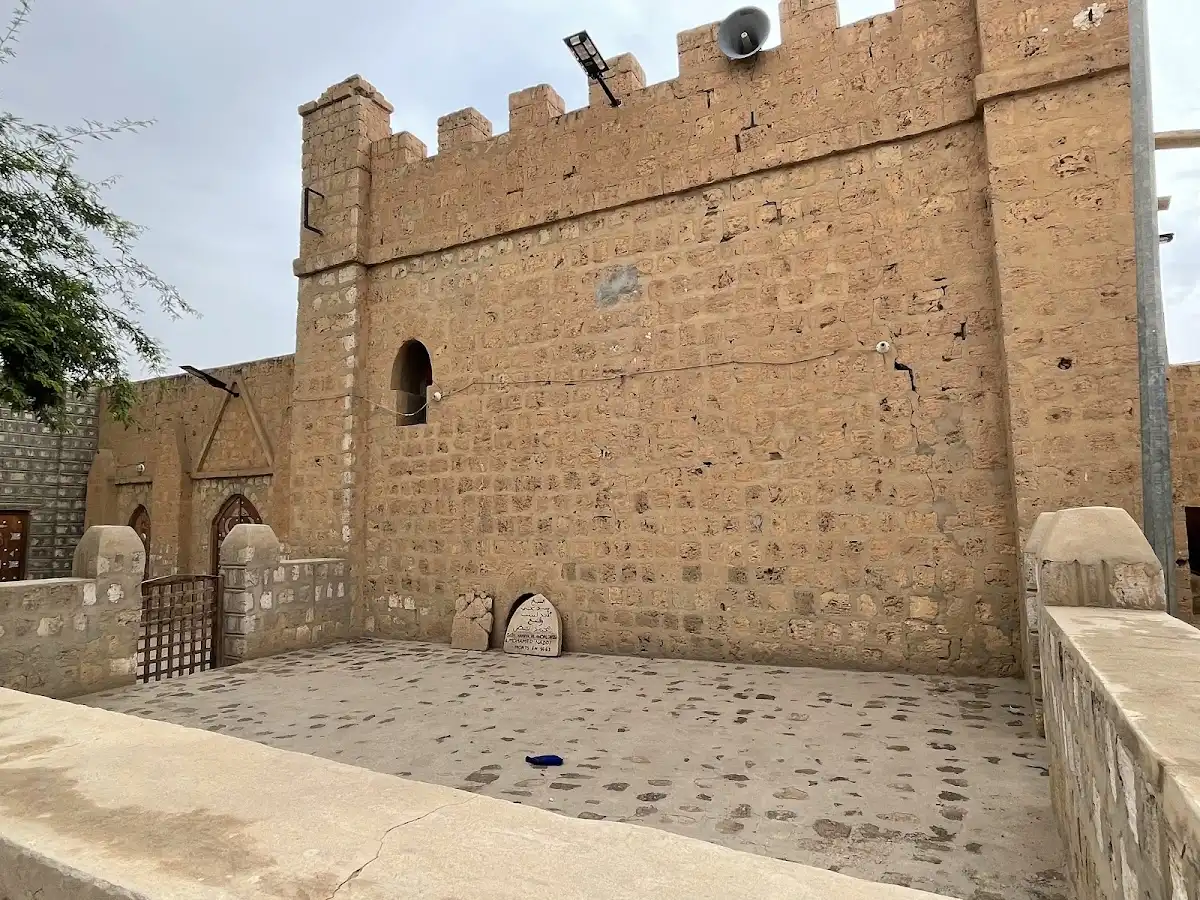
5 Sidi Yahia Mosque

timber doors, prayer hall, 15th-century construction

Step inside a centuries-old mosque known for its carved wooden doors and peaceful atmosphere in Timbuktu’s old quarter.

6 Bamako Grand Mosque

minaret skyline, city landmark, prayer gatherings

Observe daily life and religious practice at Bamako’s central mosque, where architectural details reflect West African Islamic traditions.

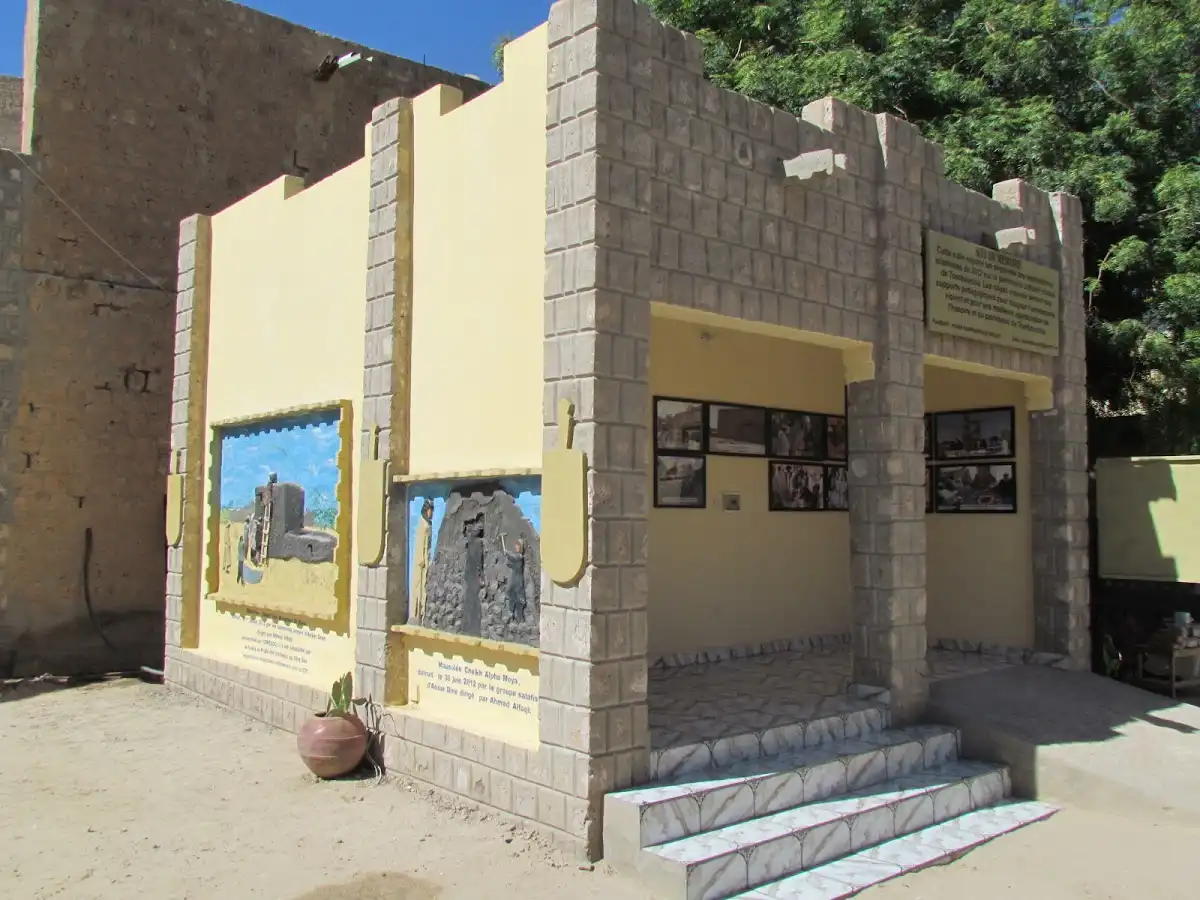
7 Musée de Tombouctou

Saharan trade, manuscript fragments, regional relics

Trace the city’s role as a crossroads of commerce and learning, with artifacts reflecting centuries of trans-Saharan exchange.

8 Maison des Artisans

craft stalls, textile weaving, metalwork displays

Browse handmade goods and watch artisans at work, gaining insight into traditional techniques passed down through generations.

9 Musée de la Femme Muso Kunda

women’s history, textile exhibits, gender roles

Learn about the evolving roles of Malian women through displays of clothing, household objects, and personal stories.

10 Musée Régional de Sikasso

regional artifacts, local history, cultural diversity

Examine objects and displays that reflect the unique heritage and ethnic mix of southern Mali’s Sikasso region.

11 Musée du Sahel

Sahelian cultures, ethnographic objects, nomadic traditions

Explore the lifestyles and material culture of Sahelian peoples, with exhibits highlighting adaptation to arid environments.

12 Musée des Armées

military uniforms, weaponry, national defense

View collections documenting Mali’s military history, including displays of equipment, medals, and historical photographs.

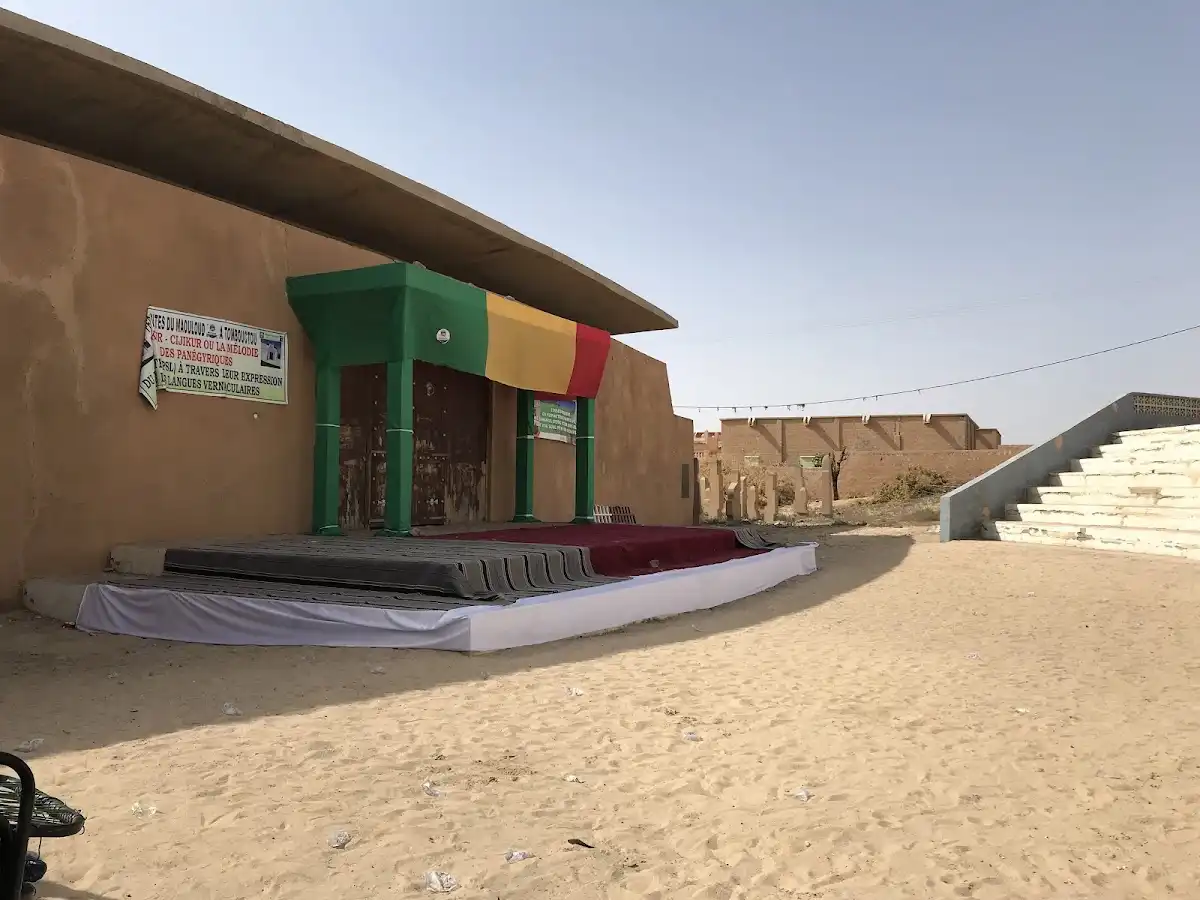
13 Centre Culturel Kôrè

performance stage, contemporary art, creative workshops

Attend live events and exhibitions that showcase modern Malian creativity, from music and dance to visual arts and crafts.

Think you know Mali?

Prove you’re a true local — uncover 3 lesser-known attractions in Mali that locals tend to keep to themselves.
Loading the map 🌍

Expert viewInsights from Locals and Experts

Expert Commentary


When sizing up Mali’s attractions, the first hard truth is that you can’t do it all without burning out or blowing your budget. The country’s vastness and patchy infrastructure mean you should zero in on a handful of key experiences—three to five is a solid target. Trying to cram more in is a recipe for exhaustion and missed opportunities. Each attraction demands time, patience, and often a bit of grit to reach, so plan accordingly.

Traveling in Mali isn’t a casual hop from one site to another. Distances are deceptive, and roads can be rough or unreliable, especially outside the main hubs. What looks like a short trip on a map can easily stretch into a full day of travel. Factor this into your itinerary to avoid the frustration of rushed visits or unexpected overnight stays. … read more 👉

Expert Commentary


When sizing up Mali’s attractions, the first hard truth is that you can’t do it all without burning out or blowing your budget. The country’s vastness and patchy infrastructure mean you should zero in on a handful of key experiences—three to five is a solid target. Trying to cram more in is a recipe for exhaustion and missed opportunities. Each attraction demands time, patience, and often a bit of grit to reach, so plan accordingly.

Traveling in Mali isn’t a casual hop from one site to another. Distances are deceptive, and roads can be rough or unreliable, especially outside the main hubs. What looks like a short trip on a map can easily stretch into a full day of travel. Factor this into your itinerary to avoid the frustration of rushed visits or unexpected overnight stays. Budget-wise, Mali isn’t expensive in terms of entry fees or local costs, but transportation and logistics can quickly add up. Hiring reliable guides or drivers is not optional if you want to navigate safely and efficiently. This is where your money buys peace of mind, not just convenience.

Cultural context is critical. Mali’s rich heritage is deeply tied to its people, and respectful engagement is non-negotiable. Dress modestly, learn a few local phrases, and approach interactions with humility. This isn’t just politeness—it’s your ticket to authentic experiences and local goodwill. On the flip side, Mali’s security situation demands vigilance. Some regions remain volatile, and travel advisories are not just bureaucratic paranoia. Stick to well-known areas and trusted contacts. The last thing you want is to waste time or worse, jeopardize your safety chasing off-the-beaten-path thrills.

Expect to invest effort beyond the physical. Mali’s attractions often require mental stamina—whether it’s navigating language barriers, negotiating transport, or adapting to basic amenities. This is part of the package. If you’re looking for polished tourist infrastructure, you’ll be disappointed. But if you’re after raw, unfiltered encounters with history and culture, this is where Mali shines. The payoff is in the stories you’ll bring home, not the comfort of your journey.

Planning your visit means prioritizing what matters most to you. Are you drawn to ancient cultural sites, vibrant markets, or natural landscapes? Each demands different logistics and time commitments. Don’t underestimate the value of downtime between excursions. Mali’s pace is slower, and rushing through attractions dilutes the experience. Instead, savor the moments that resonate, and let the country’s rhythm set your pace.

One last note on timing: Mali’s climate swings can make or break your trip. The dry season is the practical choice for travel, but it’s also when the country’s dust and heat can be relentless. The rainy season brings challenges for road travel but transforms the landscape and local life in ways that can be deeply rewarding if you’re prepared. Weigh these trade-offs carefully against your tolerance for discomfort and your travel goals.

In short, Mali demands respect—from your schedule, your budget, and your mindset. But if you come prepared to invest time and energy wisely, the rewards are profound. This isn’t a checklist destination; it’s a place to immerse yourself, slow down, and engage deeply. That’s the secret to turning Mali’s attractions from mere stops on a map into moments that stick with you long after you’ve left.

✈️ The backpacker research shortcutMali Travel Guide

An offline-friendly backpacking guide with optimized travel routes, ranked highlights, transport advice, and the best areas to stay.
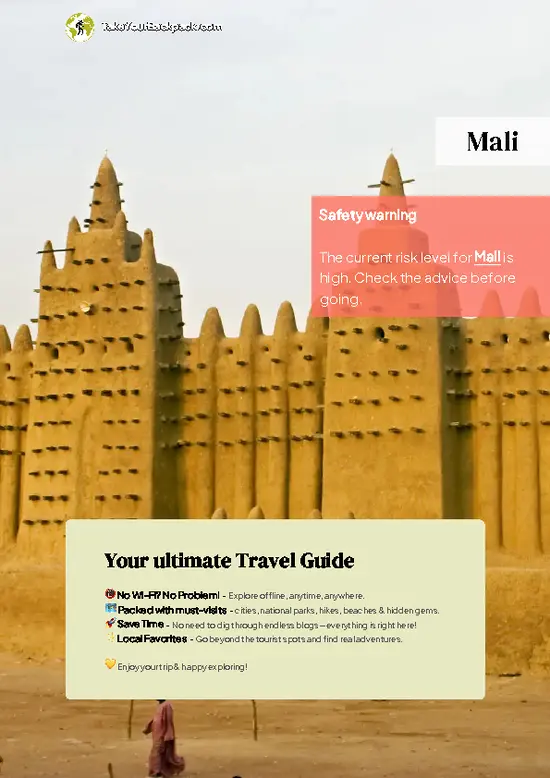
example page 0 from our offline Travel Guide for Mali
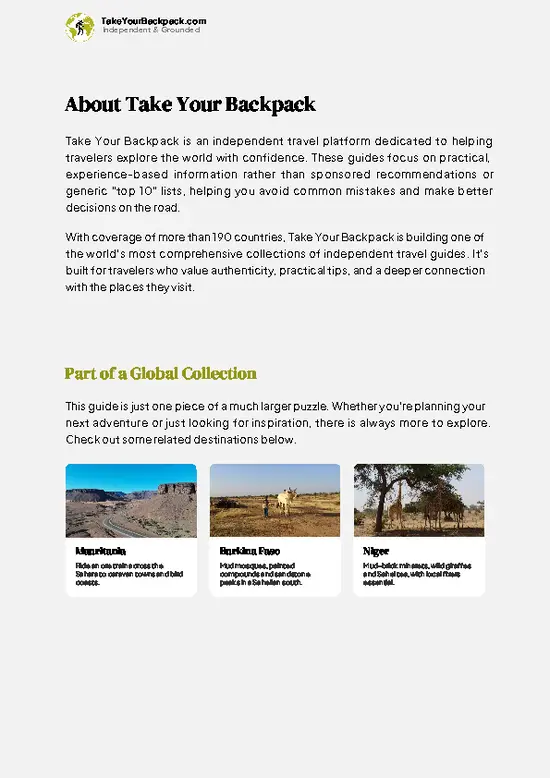
example page 1 from our offline Travel Guide for Mali
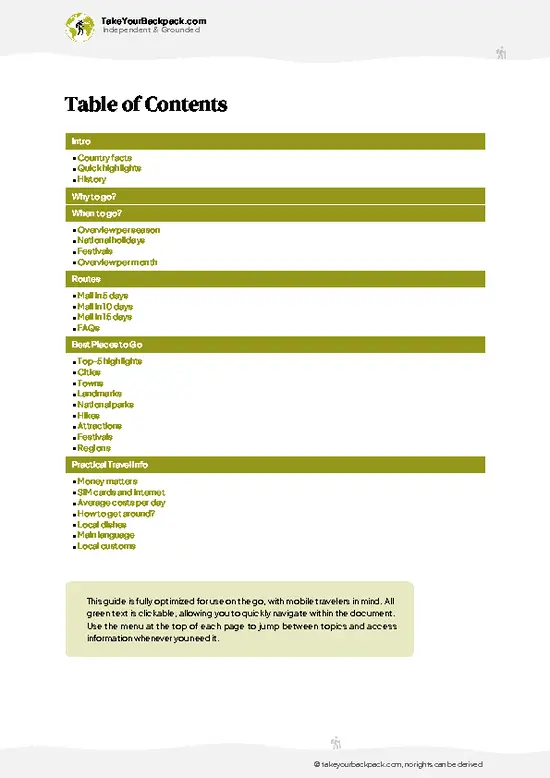
example page 2 from our offline Travel Guide for Mali
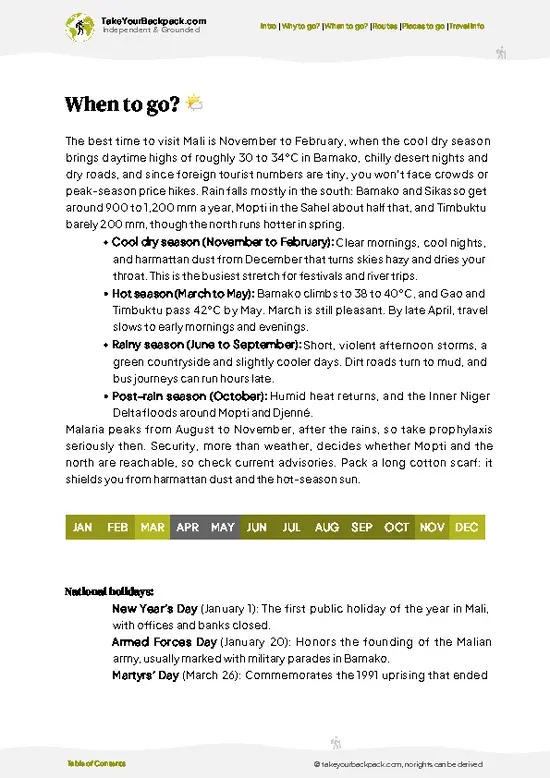
example page 3 from our offline Travel Guide for Mali
example page 4 from our offline Travel Guide for Mali
example page 5 from our offline Travel Guide for Mali
example page 6 from our offline Travel Guide for Mali
example page 7 from our offline Travel Guide for Mali
The digital guide (299 pages) contains:
72 highlights, ranked by travel appeal
Optimized 5, 10 & 15-day travel routes
Cities, national parks, landmarks, beaches
How to get around
Offline-friendly for travel without Wi-Fi
👉 Click to see all 30+ guide features

📅 Plan smarter in minutes, not weeks
Month by month travel advice
Festivals & national holidays
Budget expectations

🗺️ Go to the right places, skip the overrated ones
Honest pros & cons of destinations
Top hikes, parks & viewpoints
Lesser-known places most travelers miss
Clear “worth it vs skip it” guidance

🛏️ Travel smoothly without rookie mistakes
Best areas to stay
Transport systems explained simply
Common scams & safety advice
SIM cards, money & practical tips

🌍 Understand the country, not just visit it
Culture & traditions
52 Essential phrases & customs
Festivals worth planning around
Traveler-friendly historical context
Insights that make places more meaningful

📱 Built for real travel conditions
Fully downloadable PDF
Works completely offline
Optimized for phone use
Useful in remote areas & buses
Everything in one place
Save weeks of stressful planning
Get instant access to your full guide. 30‑day money-back guarantee.
+ Add another guide for just US$7.80

By proceeding you agree to our terms.
Sent to your inbox immediately after payment • 100% Secure Checkout
Best Backpacking Travel Advisor 2025 tourism awardBest Backpacking
Travel Advisor
2025
What others say about Take Your Backpack Guides:
⭐⭐⭐⭐⭐
Fantastic, amazing amount of information!
⭐⭐⭐⭐⭐
My goodness this is amazing, it's what I've been looking for hats off too you!
⭐⭐⭐⭐⭐
I think this is absolutely BRILLIANT
⭐⭐⭐⭐
Very complete and informative. It's still missing places, but I gotta to commend you
⭐⭐⭐⭐⭐
This is truly amazing, thank you, can't wait to explore it with my kids!
⭐⭐⭐⭐⭐
Awesome resource, thank you!
⭐⭐⭐⭐⭐
This is amazing! Can't wait to explore the ones I haven't seen
⭐⭐⭐⭐
I love this! Well done, great idea.
⭐⭐⭐⭐⭐
Thanks for taking the time to make this gem!
⭐⭐⭐⭐⭐
This might be the best website I've ever seen.
⭐⭐⭐⭐⭐
Congratulations, and thank you so much for your work; it's incredibly valuable.
⭐⭐⭐⭐
In all seriousness I think you did a great job pointing out the important spots
⭐⭐⭐⭐⭐
10/10 very good
⭐⭐⭐⭐⭐
As someone who's only just starting to visit regularly this is awesome, thank you.
⭐⭐⭐⭐
Thank you very much! I'm going to visit my dad, it's going to be very useful!
⭐⭐⭐⭐⭐
This is really cool! We'll be travelling for the first time and this definitely come in handy.
⭐⭐⭐⭐⭐
You are now our minister of culture, congratulations 👨‍💼
⭐⭐⭐⭐⭐
Just wanted to tell you that this is a pearl! Going to follow your recommendations.
⭐⭐⭐⭐⭐
This is so cool. I'll definitely be using the resource for my travels soon.
⭐⭐⭐⭐⭐
This is very impressive! Good work.
⭐⭐⭐⭐⭐
This is an amazing and informative site. Very well done!

🛏️ Where to stay?Best Stay Options in Mali

Yes — there are hostels and budget guesthouses in Mali, concentrated in the capital and southern river towns rather than in the unstable northern regions.
In Bamako the best choice is around Hippodrome, ACI 2000 and Badalabougou: Hippodrome gives the most nightlife and tourist services, ACI 2000 is central and relatively quiet, and Badalabougou is cheaper but closer to busy roads and markets.
Outside the capital, look for simple guesthouses in river towns like Mopti and Ségou (good for markets and river access but basic facilities); Timbuktu has very limited, often seasonal options and significant security constraints, so prioritize safety and contingency plans.

If you enjoy meeting fellow … read more 👉
Yes — there are hostels and budget guesthouses in Mali, concentrated in the capital and southern river towns rather than in the unstable northern regions.
In Bamako the best choice is around Hippodrome, ACI 2000 and Badalabougou: Hippodrome gives the most nightlife and tourist services, ACI 2000 is central and relatively quiet, and Badalabougou is cheaper but closer to busy roads and markets.
Outside the capital, look for simple guesthouses in river towns like Mopti and Ségou (good for markets and river access but basic facilities); Timbuktu has very limited, often seasonal options and significant security constraints, so prioritize safety and contingency plans.

If you enjoy meeting fellow travelers, consider choosing hostels with high ratings for atmosphere. On the other hand, if you prefer having your own space, a hotel might be a better option.

MaliWhere to Go Next

👋 Meet the founderWho’s Behind Take Your Backpack?

Johan, backpacker and founder of TakeYourBackpackHi, I’m Johan (Netherlands 🇳🇱), the creator of TakeYourBackpack. Over the past decade, I’ve backpacked through 80+ countries across six continents, gaining extensive experience with independent travel, long-term trips, and overland routes.

This site is built on a combination of firsthand travel experience and carefully curated insights from other backpackers. Many guides are based on places I’ve personally visited, while others bring together tips, observations, and practical advice shared by trusted travelers I’ve met along the way.

The goal is to provide realistic, experience-driven guidance — not generic itineraries — so you can explore destinations with better context, clearer expectations, and more confidence.

Get full Mali guide •
Instant download • 72 highlights • Full Offline guide