
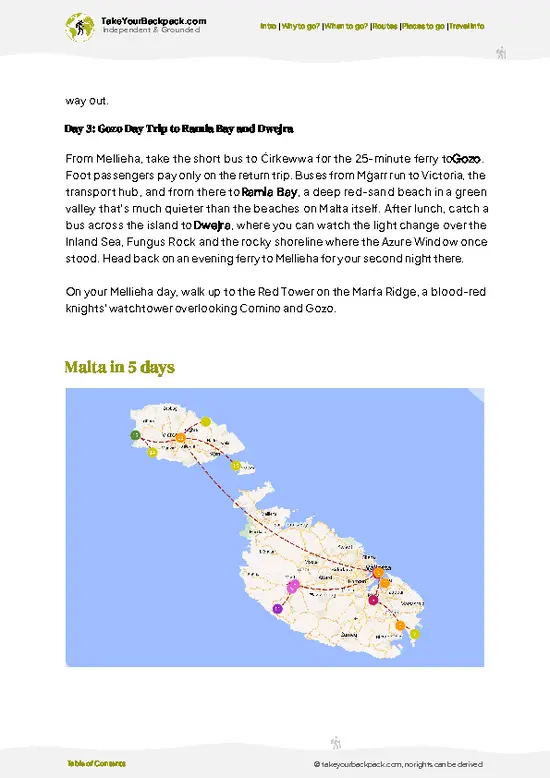
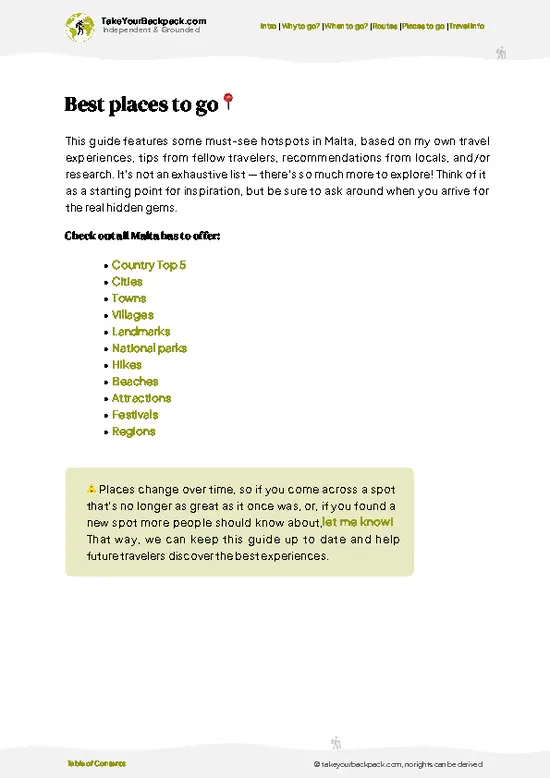
The Star-Shaped Ramparts
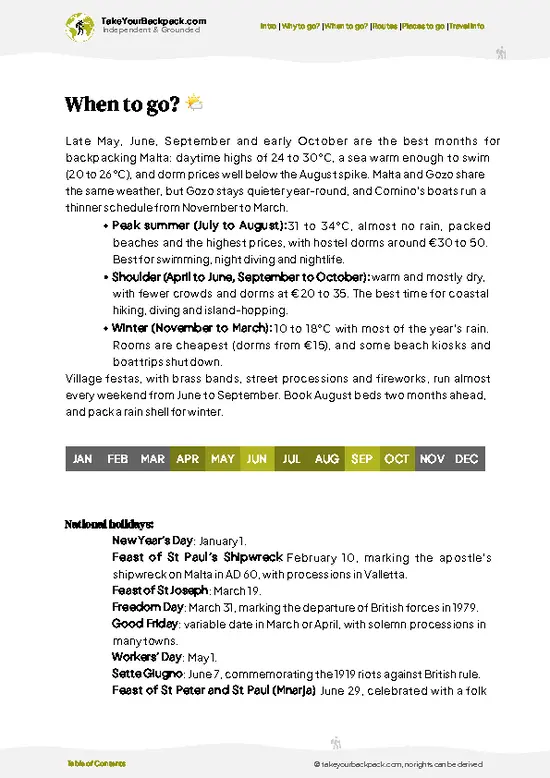
Forget the drone shots—standing on these angular, cannon-pocked walls is a different beast. You’re not just looking at a fort; you’re standing inside a 16th-century panic room built by the Knights of St. John, who were absolutely convinced the Ottoman Empire would flatten Malta. The geometry isn’t just for show. Every sharp angle, every jutting bastion was designed to bounce cannonballs and funnel invaders into crossfire. Walk the ramparts at sunset and you’ll see why this place was never just a backdrop—it was the main character in Malta’s survival story.
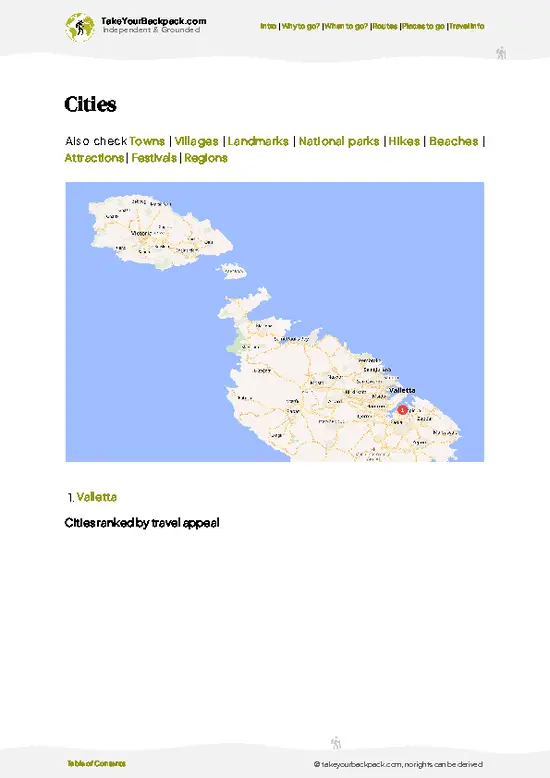
The Chapel of St. Anne
This isn’t your average fortress chapel. It’s tiny, yes, but it’s the oldest surviving building in Valletta, and it’s where the last defenders prayed during the Great Siege of 1565. The air … read more 👉
The Star-Shaped Ramparts
Forget the drone shots—standing on these angular, cannon-pocked walls is a different beast. You’re not just looking at a fort; you’re standing inside a 16th-century panic room built by the Knights of St. John, who were absolutely convinced the Ottoman Empire would flatten Malta. The geometry isn’t just for show. Every sharp angle, every jutting bastion was designed to bounce cannonballs and funnel invaders into crossfire. Walk the ramparts at sunset and you’ll see why this place was never just a backdrop—it was the main character in Malta’s survival story.
The Chapel of St. Anne
This isn’t your average fortress chapel. It’s tiny, yes, but it’s the oldest surviving building in Valletta, and it’s where the last defenders prayed during the Great Siege of 1565. The air inside is thick with history—no piped-in Gregorian chants, just the echo of boots on stone and the knowledge that you’re standing where men made their last stand. It’s not grand, but it’s real, and that’s the point.
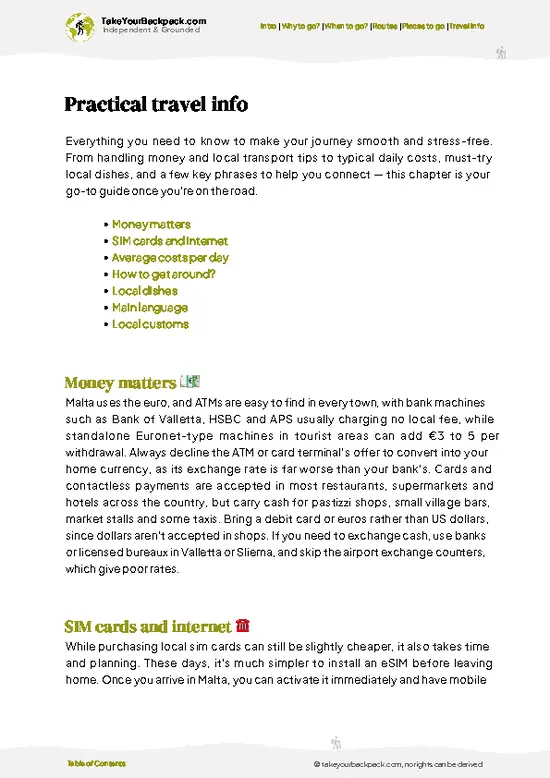
The National War Museum’s WWII Hall
If you think Malta’s only claim to fame is medieval knights, the World War II section will slap you awake. Malta was bombed more heavily than London, and the museum doesn’t sugarcoat it. You’ll see the actual George Cross medal awarded to the entire island for bravery (yes, the whole island), battered aircraft parts, and the sort of everyday objects—ration cards, children’s toys—that make the air raid sirens feel uncomfortably close. It’s not a sanitized, glass-case experience. It’s raw, and it’s personal.
The Great Siege Cinematic Experience
Skip the tourist-trap “audio guides” and head for the immersive film room. This isn’t a dry documentary; it’s a full-throttle, surround-sound retelling of the 1565 siege, with enough drama to make Game of Thrones look like a Sunday picnic. The Maltese don’t do half-measures when it comes to their history, and this film pulls you straight into the chaos—flaming arrows, desperate last stands, and all.
The Underground Passageways
Most visitors miss this: beneath the fort, a warren of tunnels snakes through the bedrock. These weren’t built for show—they were bomb shelters, command posts, and escape routes. The air is cool and smells faintly of limestone and old fear. If you want to feel the pulse of real wartime Malta, duck down here and imagine the blackout nights when the only light was from the end of a cigarette.
The Panoramic Harbor Views
Yes, every guidebook mentions the view, but here’s the truth: Fort St. Elmo’s vantage point is the reason Valletta exists. You’re not just looking at pretty water; you’re standing at the crossroads of three harbors that have seen everything from pirate raids to British convoys. Watch the ferries and fishing boats and realize you’re seeing the same horizon that’s been fought over for centuries. It’s not just scenic—it’s strategic, and you can feel it.
Spotted a mistake or missing something? Contact us.

Valletta Food Tour

Private Customizable Full-Day Tour in Malta

Valletta Walking Tour, In a Small Group

Private Tour - A Monumental Maltese Experience

Half Day Private Tour around the Island in Malta

Private Chauffeur Island Tour of Malta ( Fully Customizable )

Malta Private Full-Day Customizable Tour

Private Buggy Tour in Gozo incl Driver, Transfers & Lunch
Malta Airport Cab Transfer to Bugibba /St Paul's Bay / Qawra Area


 Best Backpacking
 Hi, I’m Johan (Netherlands 🇳🇱), the creator of TakeYourBackpack. Over the past 3 decades, I’ve backpacked through 90+ countries across six continents, gaining extensive experience with independent travel, long-term trips, and overland routes.